Cannabis
BC Bud Depot and the Collective Cannabis Consciousness
Matt Harvey from BC Bud Depot on genetics, Canada’s path to legalization, and why human connection is an integral part of the plant’s vitality.
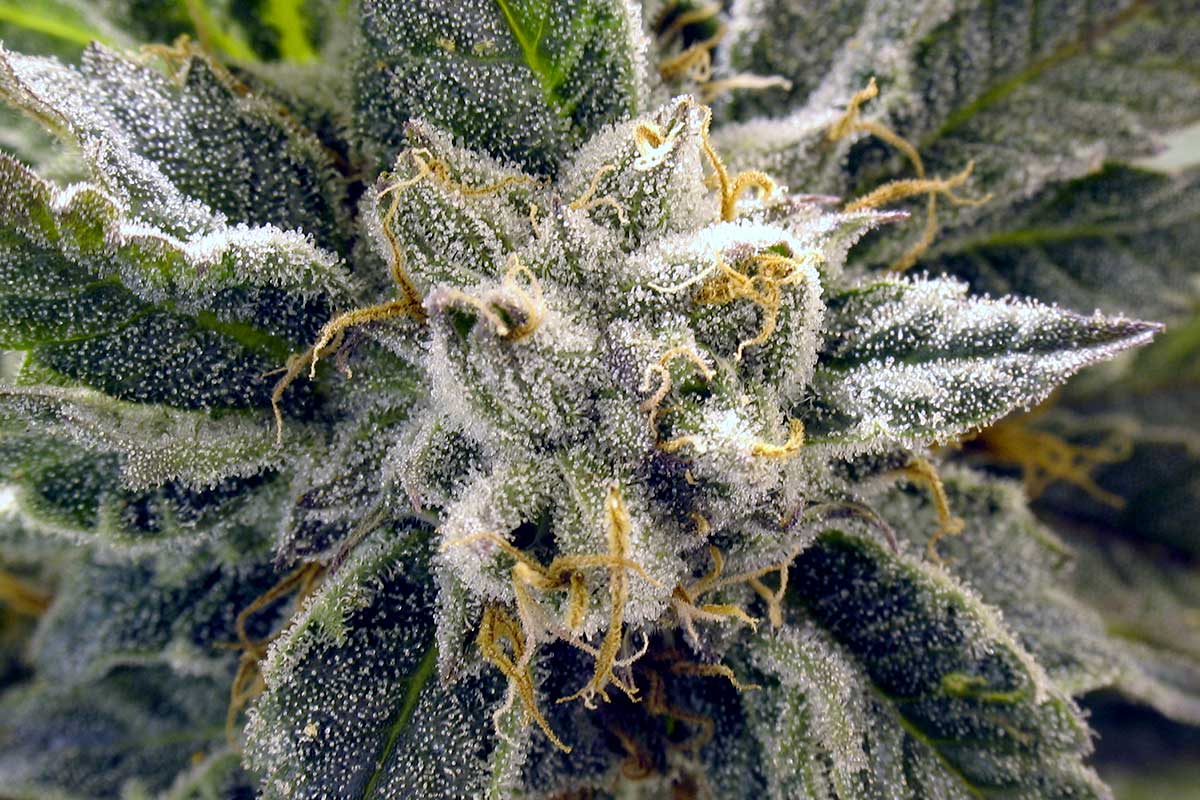

Based in British Columbia, Canada, award-winning seeds producer BC Bud Depot has been collecting elite cannabis strains for over 25 years. They have received over 21 Cannabis Cup awards, including seven first-place awards, nine top strain awards, six top three strain awards and an induction to the Seed Bank Hall of Fame in 2009.
Their genetics vault contains over two hundred unique strains, including the cultivar that put Canada on the map: the feminized version of the BC God Bud, whose dense and heavy crystal-coated nuggets make for an out-of-body experience.
Master grower Matt Harvey is the Founder and Chief Executive Officer of BC Bud Depot. We spoke exclusively to Harvey about genetics, Canada’s path to legalization, and why human connection is an integral part of the cannabis plant’s vitality.
Cannabis Aficionado: How did you get interested in breeding as opposed to growing flower?
Matt Harvey: Back in the late 1990s in BC, not many people were breeding in a serious way, or at least not with the intention of sharing their work outside of their tight-knit grow communities. Breeding in those days was mostly directed at increasing potency and yield, and shortening flowering times for an early harvest. Some really nice flower was hitting the market, but BC breeders were generally more interested in keeping their strains proprietary rather than distributing their genetics worldwide. The reputation and demand for BC-bred genetics was growing, so we stepped up to the plate and the rest became history in the making.
Growing top quality flower is part of the breeding process, and you can’t breed properly without also growing flower. How the flower is received by connoisseurs, in both taste and effects, is a key data set that informs our breeding processes. It’s also necessary to grow seedless flower to test peak cannabinoid production potential.
What makes a great seed better than a good seed?
For home gardeners and professionals alike, a great seed will pop a vigorous sprout, and a strong start to life is an important factor in achieving maximum growth potential, yield, and flavor. With a great seed, you know what to expect in the mature plant, since its genetics will be fully expressed and stable.
Every once in a while though, a great seed will grow a bit differently than what you’d expect and expresses a natural mutation that can open up a new trajectory into a breeding program, such as exhibiting ultra-high levels of a newly discovered cannabinoid or terpene. This recently happened with a Sweet God plant mutating to produce a staggeringly high CBG content.
Great seeds are always the most vigorous, and generally the most predictable, but occasionally the greatest seeds can be the most unpredictable of all.
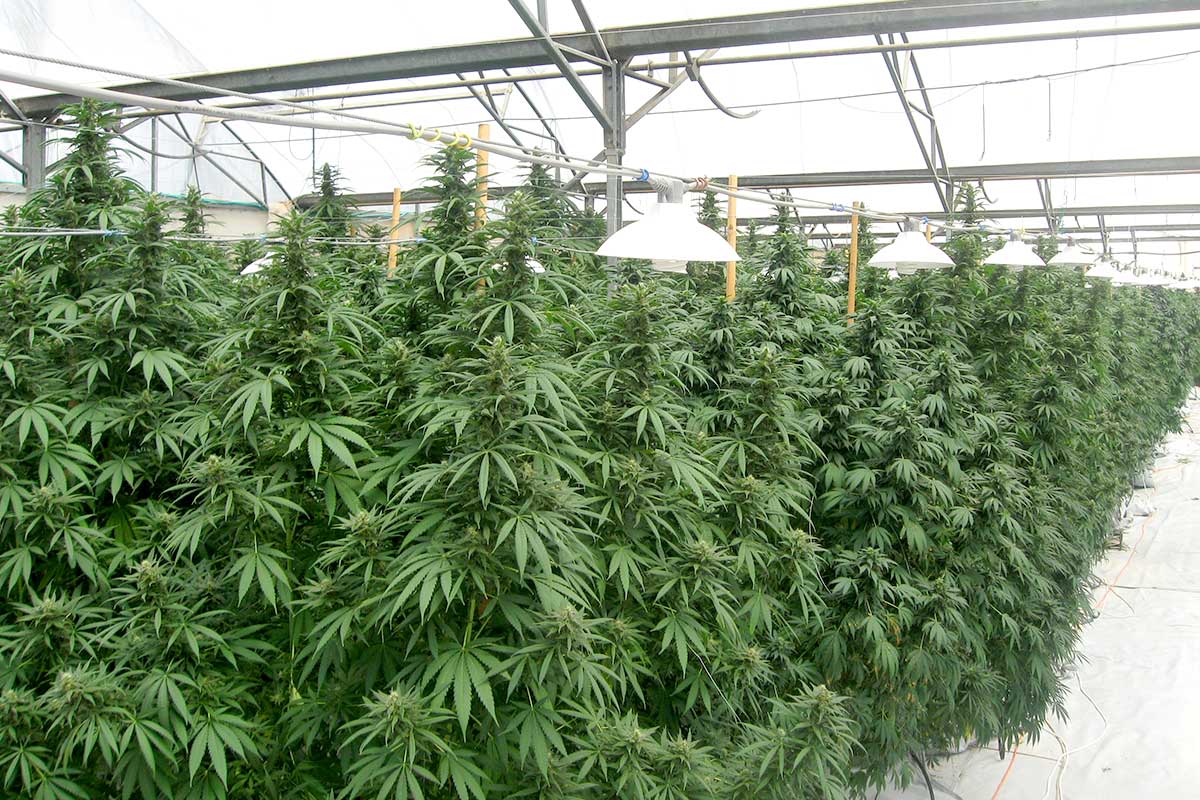
BCBD’s The Big (G13 x Butterscotch Hawaiian) grows big in Israel.
How do you qualify genetics?
Genetics need to exhibit certain qualities in order to enter and to exit a breeding program. When elite cuts [clones] are used to start a breeding program, in cases where seeds are not available, it’s important to pollinate them with a well-known and stable male plant and to grow out a variety trial to see how stable the female genetics are.
There are so many poly-hybrids being grown these days — some of which produce amazing flower — but if their progeny is all over the map, it’s going to be harder to breed a stable strain; you’re more likely to achieve better results breeding with more stable parents. Sometimes it is absolutely worth it and sometimes it is not. It all depends on your goals and what you are setting out to achieve.
Cold storage tissue culture and genome sequencing are giving us new tools to pinpoint the qualifying factors that we breed for, and with more information and accurate data we can learn which genes express what, and apply this new knowledge to achieve our breeding goals.
Is there an interest in landrace strains?
Yes, and there always should be. I’m actually doing this interview from Colombia where there are some famous landrace strains, one of them being the Santa Marta Gold, which we are very excited to breed with.
Crossing a landrace with a known cultivar can produce amazing results. Since we’re discovering new cannabinoids all the time, and landraces can have exceptionally high levels of certain cannabinoids and terpenes, it’s important that we preserve them and their habitat. It’s like preserving the rainforest because it’s full of biological treasure that we haven’t even discovered yet. Too much inbreeding with cultivars can lead to an amalgamated gene pool, which is not very desirable.
Just like blue-blood families need to outbreed with barbarian genetics every so often to maintain their biological viability and vigor, so does cannabis. Mother Nature should always play a role in the breeding process, which we sometimes forget in our scientific age.
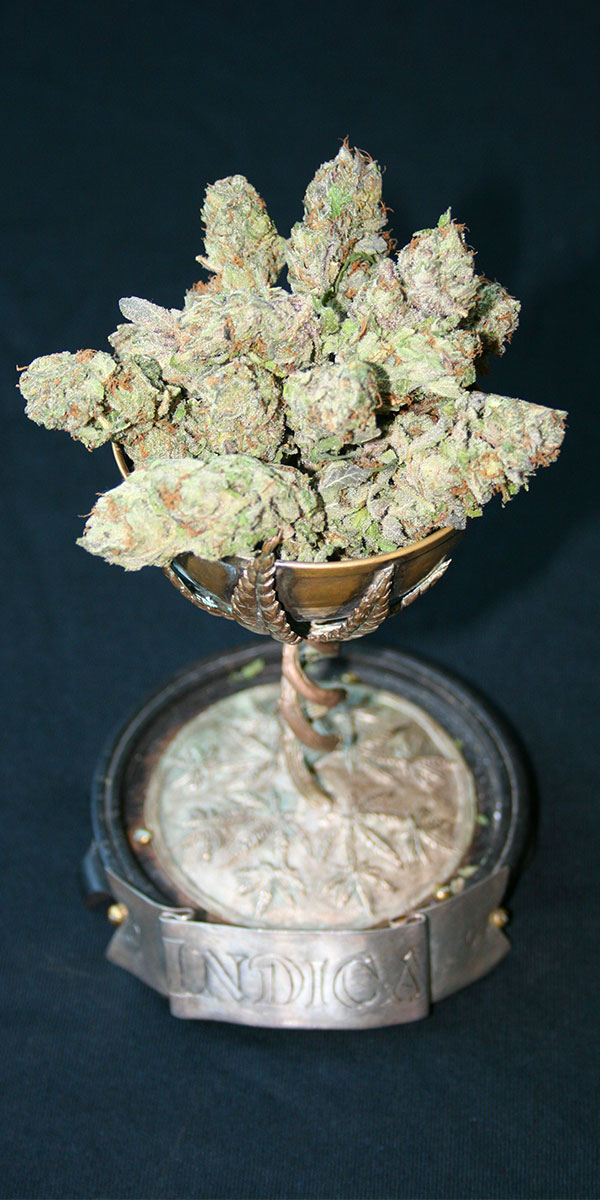
A cup full of the God.
What are the current strain trends that you are seeing?
We’re pleased to see that the kush craze seems to have passed. While there will always be a place for kush, it’s great to see things trending towards more interest in exotic fruit flavors, with more of an emphasis on terpene profile. Watermelon, cherry, peach, sours, and ice creams are all exotic terpene profiles with more rewarding qualities to breed for than just yield and THC potency. It is actually where the greater part of our interest has been since we started breeding. We are not surprised to see this trend, as cannabis connoisseurs worldwide develop more discerning palates.
While we still breed for cannabinoid ratios, and are inspired by all the new discoveries of the benefits of obscure cannabinoids like CBG, achieving these breeding goals relies more on lab data and strict variety trials, whereas the artistry of breeding is in teasing out new exotic terpene profiles; this is what makes our job fun.
Who is your favorite breeder/seed company other than yourself?
We are very impressed with the work of our homie Kasper at Kre8 Genetics, and are ecstatic to be working and collaborating with him after meeting at the San Bernardino Cup many years ago. Scott from Rare Dankness is also coming out with some great work these days. Of course, so much of our gratitude goes to all of the old school pioneers, breeders like our friend Soma, who have played such a key role in sending us on this journey.
What do you see as the most exciting thing happening in seed production and breeding?
We are all learning so much about the healing potential of cannabis these days. As we discover new cannabinoids and their medical applications, it’s very exciting to consider the positive potential that they can have for the world and our collective health.
It’s exciting to see new strains coming out with high levels of all these other little-known cannabinoids. When we see these random genetic mutations that yield astonishingly high levels of newly discovered cannabinoids, it confirms our long-held belief that cannabis has a collective consciousness that is in communication with us as people and wants to provide us with medicine.
Another great new development is high-tech genetic sequencing and cataloging, which promises to clarify our understanding of the cannabis gene pool, and provides us with useful data to inform our breeding programs.
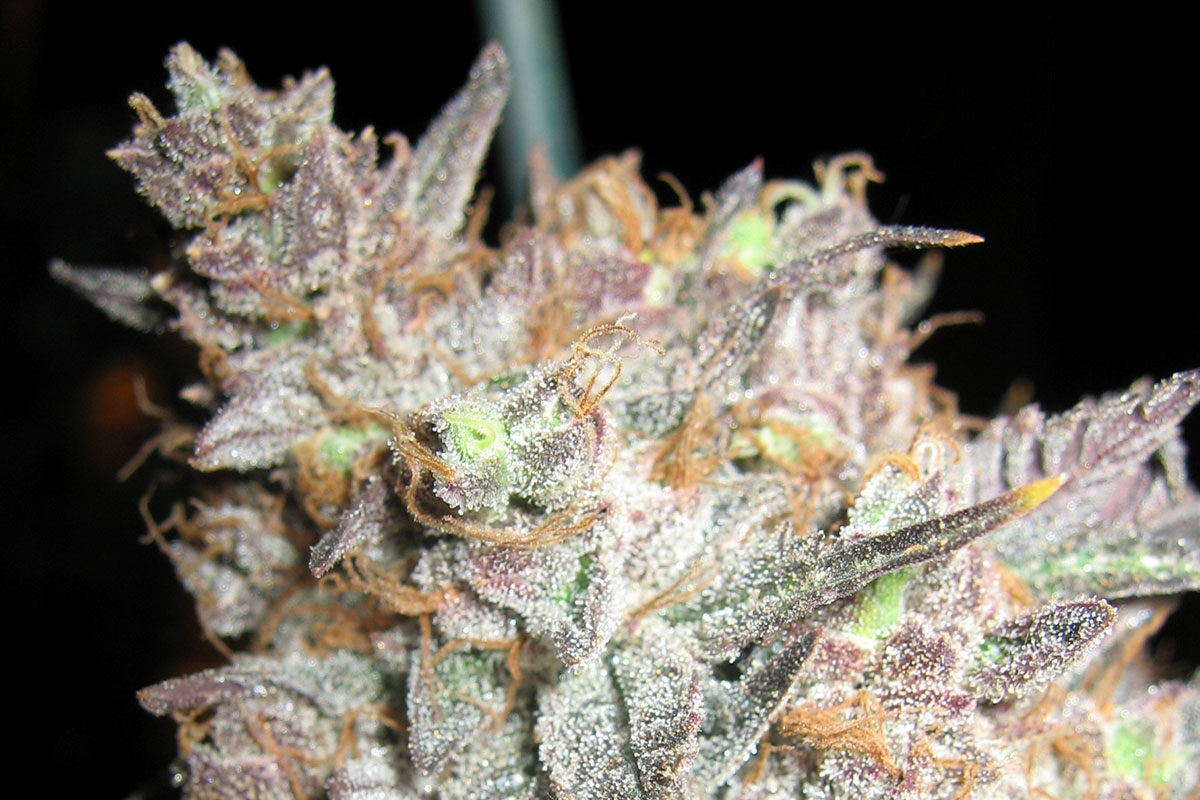
The Black is a heavy hitting narcotic indica.
Are there any seeds you wish you had?
We’re always open to cataloging new seeds in our vault but at this point in time we have so much in the way of new genetics to work with, and with our breeding facilities at full capacity, we’re not in a place to be wishing for any new genetic stock.
I suppose, though, there’s always some unique old strains that would be great to work with, though unfortunately, we don’t expect to see them again. I’ll give a shout-out to the Legends Ultimate Indica circa 2002 — that would be a fun surprise.
Do you have a favorite cultivar to grow?
The BC God Bud will always be my personal favorite. Her pink pistils and fragrance are so familiar and dear to me. I’m sure a lot of veteran growers out there can relate to the way a favorite strain, cultivated lovingly for years upon years, becomes like an inseparable lifelong companion.
How many different seeds are in your inventory?
We offer over 120 elite strains bred by ourselves and other breeders. Our extensive vault of genetic breeding stock, collected over 25 years, houses thousands of different seeds in hundreds of different varieties.
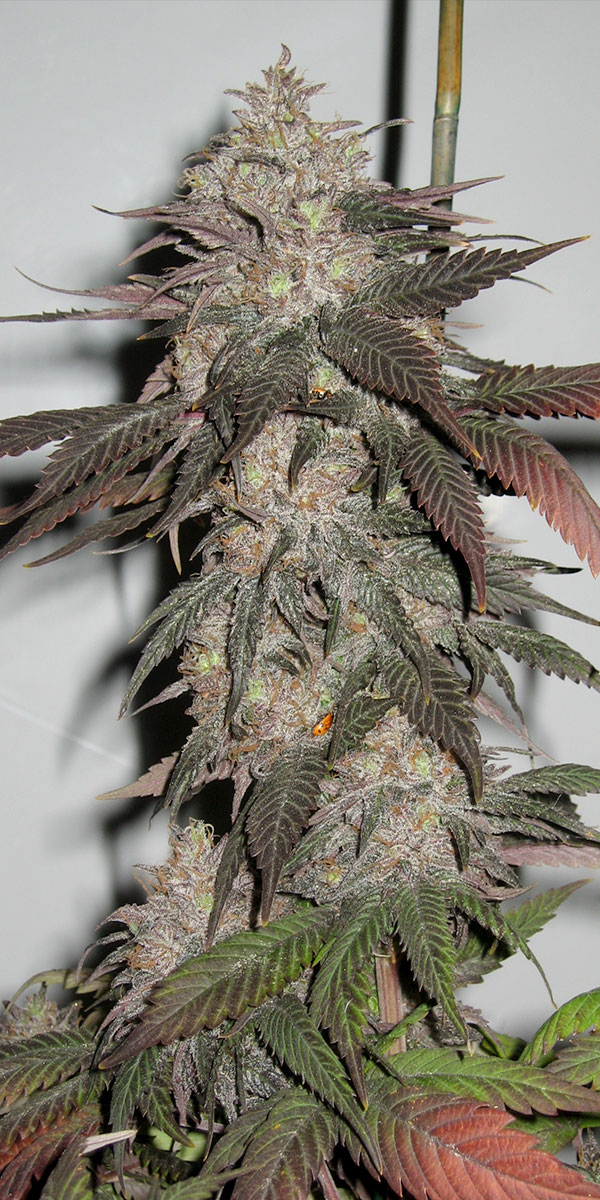
Ladybugs protect the Black Goddess.
What’s something you are often asked that is a misconception about growing cannabis?
The largest, glaring misconception that I see in the cannabis world today is the assumption that high-quality flowers can be grown on an industrial scale, using industrial farming methods. I mean, it can be grown on a massive scale, but not well. Cannabis thrives with a gardener’s touch and loving attention, and the element of human connection is, in my experience, an integral part of the plant’s vitality.
If you could give one tip to beginners, what would it be? What about other professionals?
For beginners, I would suggest growing organic in the best soil you can make, and to avoid the use of fertilizer salts. Connect with and talk to your plants; grow with them and meditate on their health and vitality. Know that your plants are aware of your presence and resonate with them on a vibrational level.
For professionals, never cut corners, and stay connected with your plants even if it means longer work hours. Keep your fundamentals sound and keep experimenting while logging all of your data.
How has demand changed over the years?
The demand for new genetics is constant, and every year there are more and more people wanting to grow BC Bud Depot genetics in their gardens, for the joy of it more than for any other reason. People start growing, fall in love with the process and become interested in growing new and exotic cultivars. Seasoned and veteran growers find their elite strains and comfort levels. Legalization has accelerated this trend, and even more people are experiencing the joy of cultivating their own cannabis.
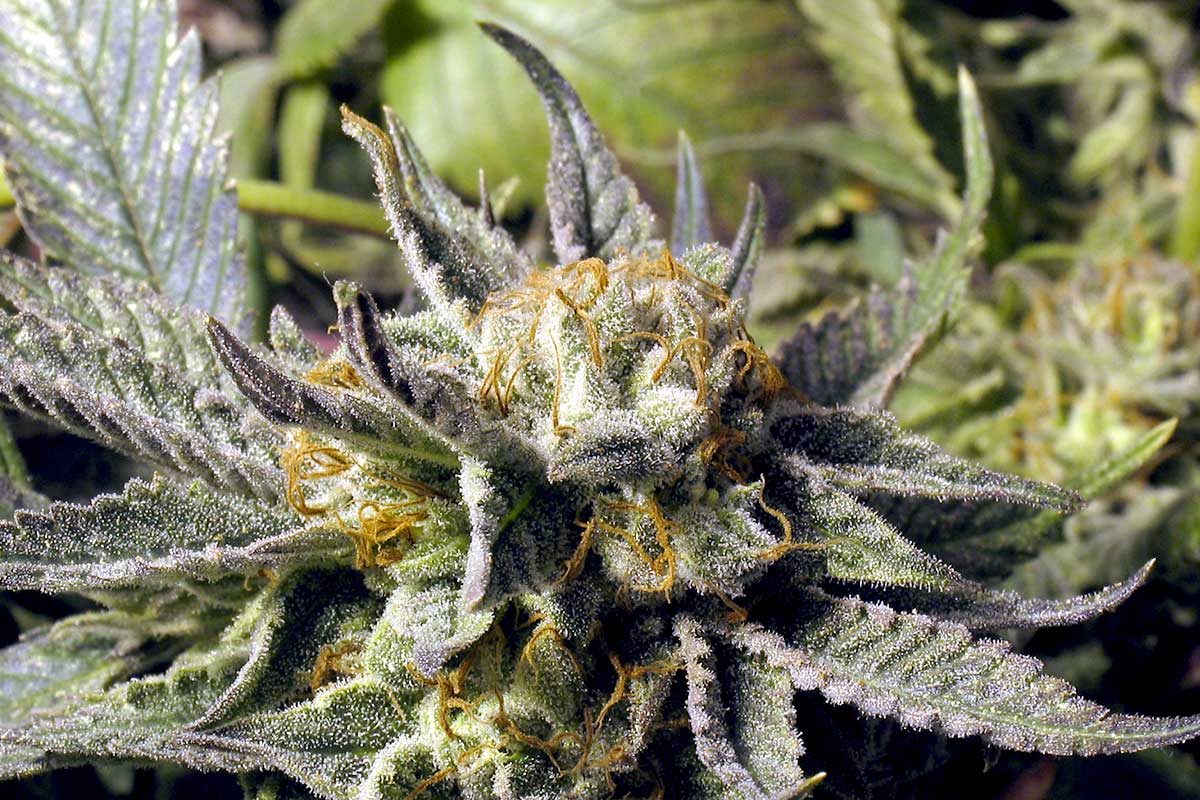
The award-winning BC God Bud in all of her glory.
Which BC Bud Depot strains are most popular?
BC God Bud still remains our most popular strain, 15 years after it was released for the world to enjoy. Other classics like Original Blueberry, The Purps, and Girl Scout Cookies are still very popular. The Tangie Cookies and Animal Cookies are growing in popularity. We expect that the soon to be released Wedding Cake will be a hit!
Which BC Bud Depot strains are your favorites?
Every strain in the catalog is a favorite. There are dozens upon dozens more that haven’t quite achieved favorite status, so they’re not in the catalog and stay in the vault, or are works in progress for now. We are always working on developing new elite strains.
How has cannabis legalization in Canada affected your business?
It’s created an environment in which we can make new partnerships out in the open, and have access to resources that were previously unavailable to us, such as genome sequencing. There are a lot of very bright people entering the industry now; that the stigma and legal liability are things of the past. It allows us to operate how we have always wanted to throughout those dark years of prohibition. It has been an overall positive transition, with many new opportunities and relationships among professionals and the general public, now that we can all work out in the open. Legalization has shone a bright spotlight upon us and the industry, which allows us to share the benefits of our unparalleled cannabis genetics with even more people.




Cannabis
Pink Lemonade: This Sparkling Strain Is Both Pretty & Potent
The frosted pink buds of Pink Lemonade might dazzle the beholder with glittering layer of golden trichomes, but this gorgeous flower isn’t all looks.
Cannabis
Peach Oz: This Sweet And Juicy Cultivar Will Stimulate Your Creativity
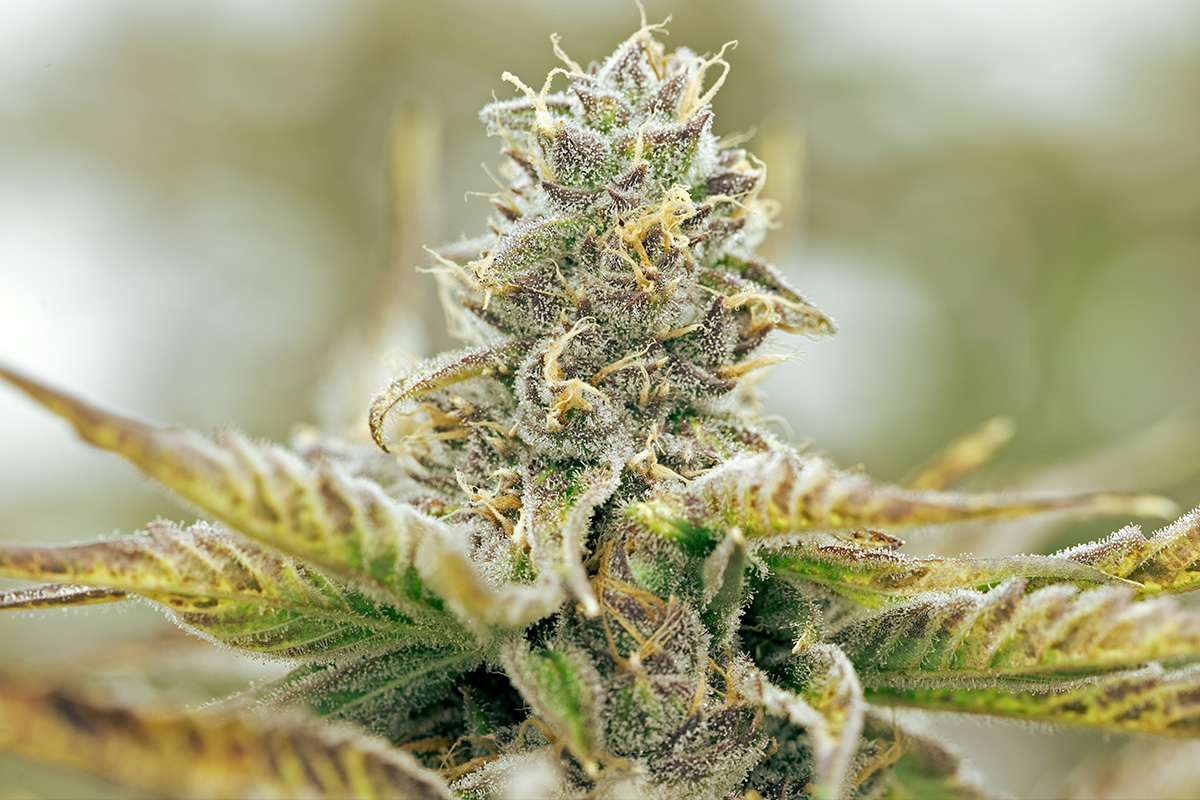
If you’re looking for a premium cultivar with legendary genetics and a euphoric high, look no further than Peach Oz, the latest addition to Wonderbrett’s stellar strain menu.
A cross of Peach Rings with OZ Kush and a descendent of Zkittlez, the sweet, stimulating citrus taste profile of Peach Oz will get your creative juices flowing.
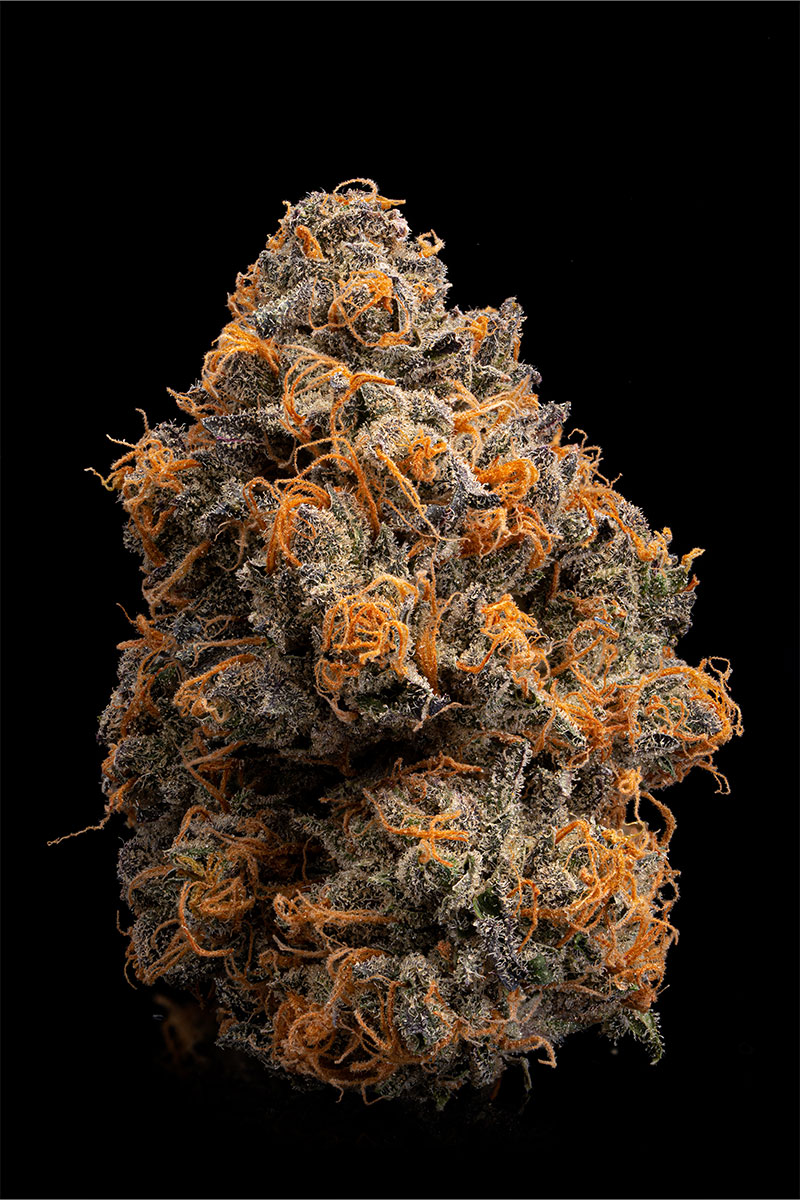
While the cultivar may be new to the public, according to Wonderbrett Co-Founder and famed Breeder Brett Feldman, it’s five-years-old in the world of genetics.
“There’s only a small handful of heady smokers who follow these things,” says Feldman. “I wanted to bring it to the masses to share the experience with everybody. That’s where my passion comes from with this strain. Similar to an amazing dish at a restaurant, you want to share it with your friends.”
Grown in small-batches at scale from the company’s state-of-the-art Long Beach cultivation facility, the strain was first created by Dying Breed Seeds, then perfected by Cannabis By Corey, before making its way to Feldman.
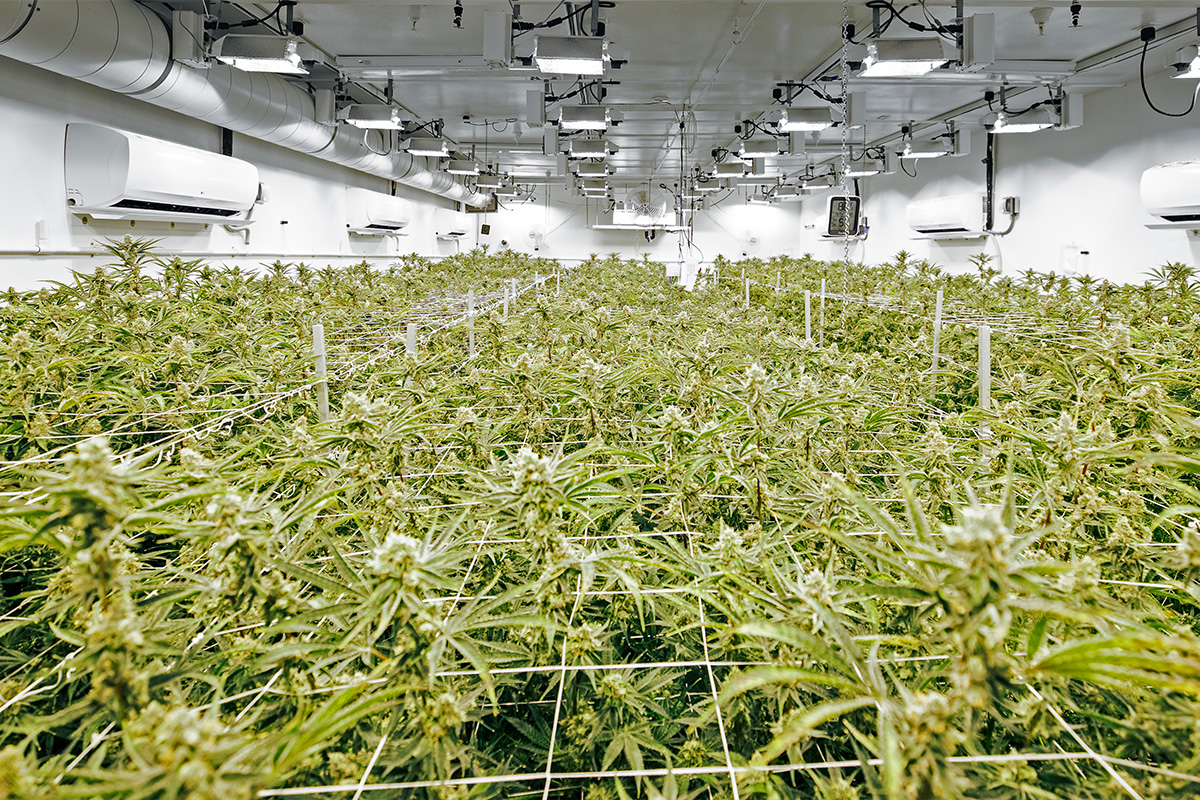
Bursting with flavors and aromas that bring to mind the sweet ocean breeze and fragrant fruit orchards of the California sunshine state, Peach OZ’s four dominant terpenes: Caryophyllene, Linalool, Limonene and Humulene, create a distinct sweet taste of ripe peaches, citrus candy and cream.
“When any strain has that unique, recognizable consistency in its flavor, whether that be peach, lemon or orange, that’s what myself and other breeders appreciate most and look for when bringing a genetic like this to market. It’s mind-blowing what Peach OZ can do that, translating a fruit flavor to a smoking experience,” explained Feldman.
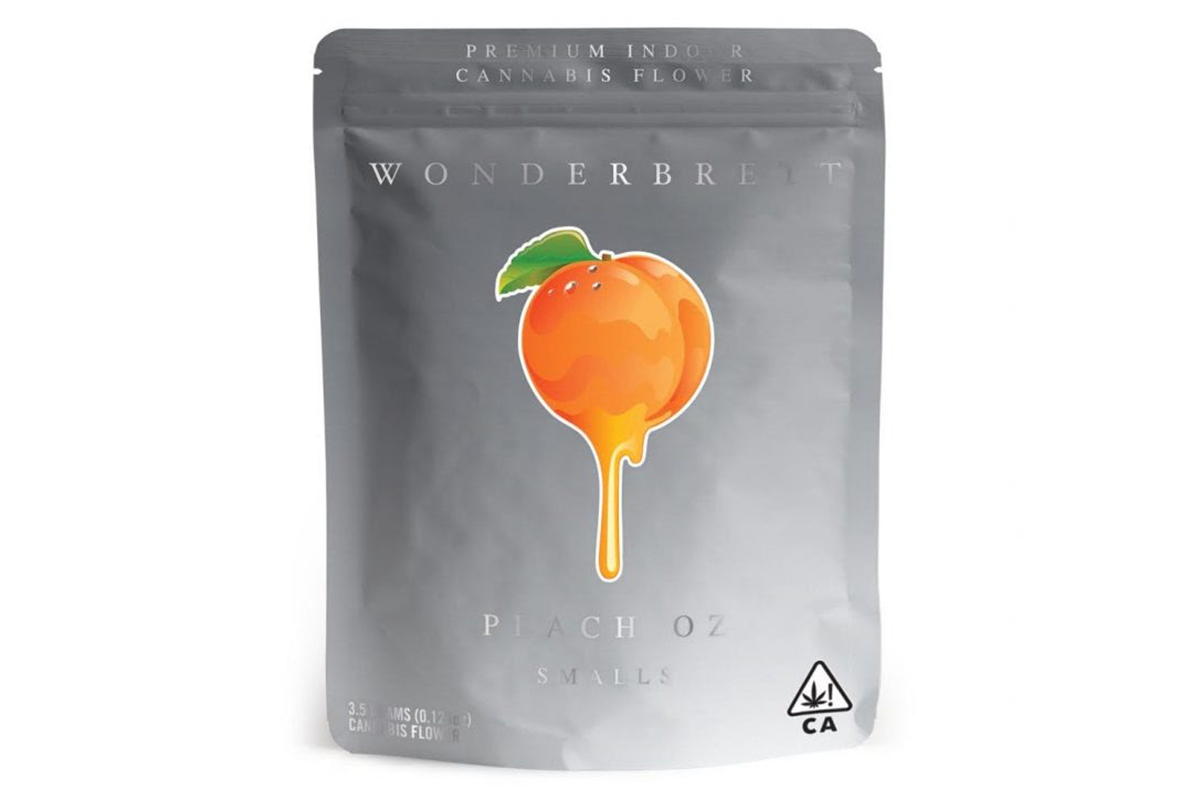
Peach OZ is available at select dispensary and at Wonderbrett’s flagship dispensary in L.A.
Cannabis
Wizard Stones: The Magic of Making Cannabis Diamonds
Aaron Palmer and Graham Jennings, founders of Oleum Extracts in Washington State, talk about Wizard Stones, their THCA isolate product.