
Cannabis
10 Couch-Lock Cannabis Strains to Help You Stay Home
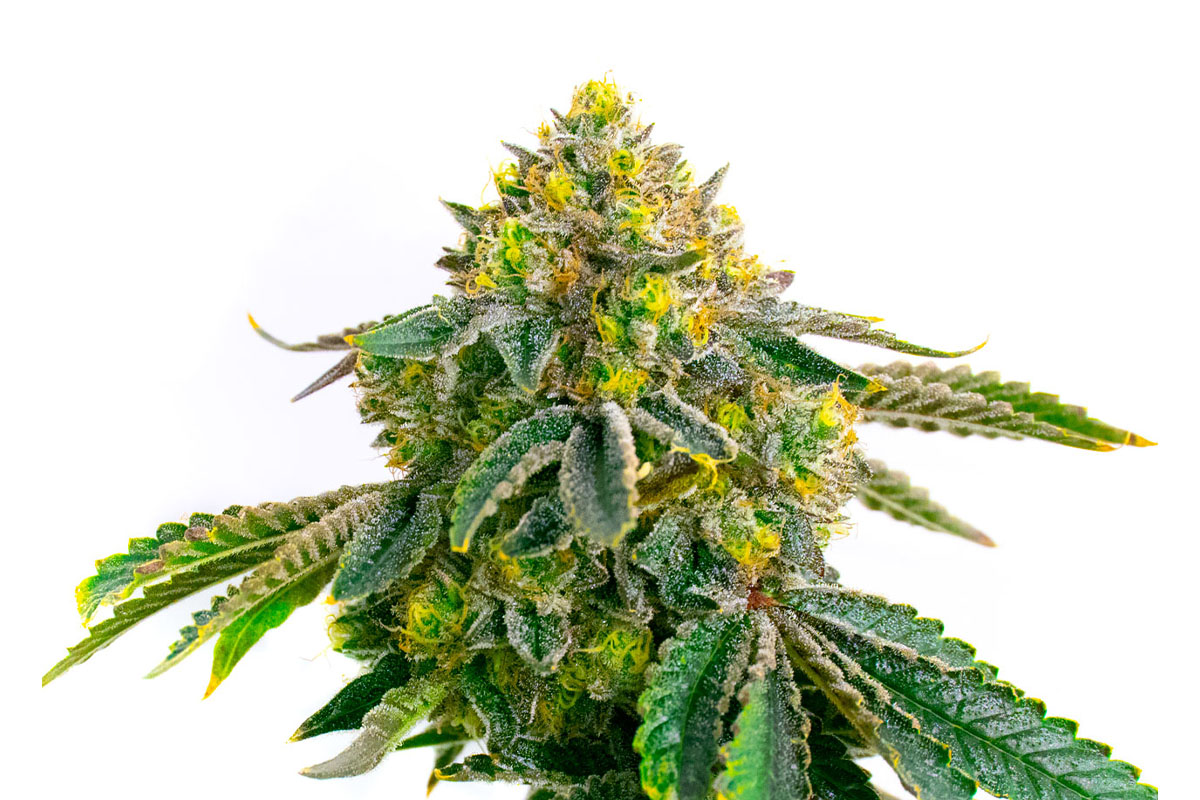

COVID-19 has changed the world as we knew it. For the foreseeable future, we all have to do our bit and stay home to try and flatten the curve and prevent the virus from spreading further. But it’s not all bad news. Try to think of this time to stay home and reset. Why not start that project you’ve been putting of, or earn a new language? Maybe rearrange all the furniture in your house and alphabetize your record collection. Then, once that’s finished, sink into your couch and enjoy one of these iconic couch-lock cannabis strains while you binge on Tiger King.
Afghani

Named after its geographic origin, Afghani grows in the Hindu mountains, where cannabis was first discovered over 1000 years ago. Afghani delivers a deeply relaxing,mood-boosting high, perfect if you have issues with insomnia, chronic pain and stress disorders.
Buy seeds from sensiseeds.com
Girl Scout Cookies (GSC)

A potent mix of an OG Kush x Durban Poison x Cherry Kush mother backcrossed with a prime-looking OG Kush father created Girl Scout Cookies. The winner of multiple Cannabis Cups and packing a powerful 28% THC, GSC is possibly one of the best Northern California strains of all time.
Buy seeds from homegrowncannabisco.com
Granddaddy Purple

Delivering a THC level between 17-27%, Granddaddy Purple is not a strain to take lightly. If you’re looking for a mental and body high that will feel like you are floating euphorically, as well as being great for easing pain and relaxing muscles, this distinctively fruity tasting strain is for you.
Buy seeds from seedking.com
G-13

Perhaps one of the most notorious cultivars out there, the legend of G-13 is that it is an escapee from a breeding experiment funded by the U.S. government. With 22-24% THC level potential, G-13 provides a couch-locking feeling of euphoria.
Buy seeds from pacificseedbank.com
Northern Lights

Multiple award wins have solidified Northern Lights as another classic indica strain. THC levels range from 16-26% and promise a mellow and pacifying high.
Buy seeds from seedsman.com
OG Kush

World-renown for its potency and distinct flavour, the legendary OG Kush needs to introduction. Tokers will enjoy equally intense body and head highs from around 20% THC levels.
Buy seeds from royalqueenseeds.com
Superglue

Superglue brings calming relaxation to the mind and body while leaving you functional and energetic enough for social activities or a productive afternoon.
Buy seeds from cannaconnection.com
Sunset Sherbert

Mario Guzman aka Mr. Sherbinski grows some of the finest cannabis you’ll ever smoke. Stress and tension will melt away as a full-body high creeps, delivering a deep physical relaxation.
Buy seeds from homegrowncannabisco.com
Super Skunk

Super Skunk delivers a notoriously powerful body high thanks to a THC content of 20% or higher. Consumers can expect a whole-body relaxation that kicks stress to the curb and will have you in full couch-lock mode.
Buy seeds from homegrowncannabisco.com
Triple Cheese

Known to consistently reach 22% THC or higher, Triple Cheese by world-renowned breeder Barney’s Farm offers Cheese lovers a very enjoyable high and a unique terpene profile.
Buy seeds from barneysfarm.com




Cannabis
Israel’s Cannabis Trade Probe Moves Toward a Four-Producer Review
Israel’s latest procedural step puts four Canadian producers in focus, while the distinction between an investigation and an imposed trade duty remains essential.

Cannabis
New Zealand Cannabis Trial Takes a Longer Look at Sleep and Back Pain
A small University of Auckland study will compare a cannabis oil with placebo over months, separating an important research question from claims of proven benefit.

Cannabis
Rubicon’s $3 Million Raise Puts Greenhouse Lighting at the Center of Expansion
The Canadian producer plans to expand output from existing facilities, with a lighting project bringing its combined capacity target forward to June 2027.

-
 Cannabis6 days ago
Seed Junky’s Trulieve Deal Opens a New Chapter in Pennsylvania
-

 Cannabis6 days ago
Cronos Completes CanAdelaar Deal in the Dutch Cannabis Pilot
-
 Cannabis6 days ago
Tilray Brings Cannabis Quality Testing In-House in Portugal
-

 Cannabis6 days ago
SNDL Expands Its Indirect Stake in Parallel
-

 Cannabis5 days ago
New Jersey Hemp Drink Extension and Retail Penalties Advance
-

 Cannabis6 days ago
UMass Poll Finds Majority Opposed to Massachusetts Cannabis Repeal
-

 Products6 days ago
Dank Pack Makes Its Alberta Debut With Blueberry BBL
-

 Cannabis5 days ago
New York Opens Cannabis Nursery Applications November 5