#cannabisaficionado

Culture

Creator of Jelly Belly Has Developed CBD Jelly Beans

David Klein, creator of the iconic Jelly Belly confectionary, is entering the cannabis industry with his newest sweet treat — CBD jelly beans.

Published

on

CBD Jelly Beans
PHOTO | Adobe Stock
Advertisement Back2Grow Advertisement

David Klein revolutionized the candy industry with his invention of the Jelly Belly jelly beans in 1976. Four decades later, he’s re-creating them — this time, infusing them with cannabidiol to create CBD jelly beans.

The miniature, gourmet beans are piece of Americana, thanks especially to Ronald Reagan. The 40th president of the U.S. fell in love with Jelly Belly beans after he started snacking on them as a way to help him quit smoking. His affection for the candies grew. He ordered cases of them (60 per month); always had a jar nearby, and even sent some to outer space on the Challenger in 1983.

Now Reagan’s favorite treats are, ironically, being infused with CBD.

Klein, a candy inventor from Los Angeles, can remember the moment he conceptualized the Jelly Belly; it was 8:15 p.m. on a Thursday evening, and he was watching an episode of “Happy Days.”

It wasn’t long before his dream of creating the “Rolls Royce of jelly beans” came to fruition.

Klein has been in the candy business for 45 years and counting. “I love candy,” he told Cannabis Aficionado. “Not a day goes by where not only do I eat candy in some form, but I think about new candy ideas.”

Klein recently became aware of the benefits of CBD, he explained, “And I said to myself, ‘is anybody doing a jelly bean with CBD?’”

“I could not find any,” he continued. But he did see was an opportunity with CBD jelly beans to do what he does best: create candy, and help people.

Altruism is ingrained in Klein’s blood. While his saccharine confectionaries have captured our hearts (and stomachs), he is recognized most for his benevolent nature.

Klein details his experience creating and losing the rights to the Jelly Belly brand in the 2011 documentary, “Candyman: The David Klein Story.”

Klein created Jelly Bellys with “an investment of $800, no credit cards,” he said. “[…] When it first came out, nobody wanted it.”

In 1980, he sold his rights to Jelly Belly. In 2001, the Herman Goelitz Candy Co. changed its name to the Jelly Belly Company. The company continues to rake in $190 million in net profits annually.

Though he’s called it the worst mistake of his life, the experience didn’t hinder Klein’s love for candy or his need to spread sweetness.


View this post on Instagram


I love me some candy with CBD.

A post shared by Spectrum Confections (@spectrumconfections) on

Now, the King of Jelly Beans is officially back in the bean business.

His company, Spectrum Confections, produces CBD-infused jelly beans, which come in 38 different flavors.

“Toasted marshmallow, pina colada, strawberry cheesecake… which is one of my favorites,” Klein continued. Other flavors will include cinnamon, spicy licorice, and mango.

“Our mango tastes more like mango than mango does,” he said.

“[…] The jelly bean is perfect for the proper dosage [of CBD],” Klein continues, “we are putting 10 mg in each [bean]. If people want a small dose, they eat one. If they want 20 ml, they can eat two,” and so on. “They can decide what their proper dosage is.”

This is not Klein’s first venture back into jelly beans. “Jelly beans and I go way back,” he quipped. He continues to create new flavors almost constantly. In 2016 he embarked on a mission to create a line of “Original Coffee House Jelly Beans,” and in 2011, a gourmet beans called “David’s Signature Beyond Gourmet Jelly Beans.”

Spectrum Confection’s CBD jelly beans will also come in sugar-free varieties – a welcoming alternative to the vast amount of sugary, junky infused goods on the market today.

Spectrum Confections’ inventory features an assortment of sweet, sour and sugar-free jelly beans. Selections include: Sour Cherry Goosebumps, Sweet and Spice and Everything Nice drops, and a CBD 7-day pack.

Candies will not include THC, as the company is focused on creating CBD-only varieties for now. The patent-pending recipe will include fruit juice, said Klein, “We are trying to make it so that it can be as healthy as possible.”

He doesn’t want to make any health claims, but is confident he’s creating a product “that will help the world.”

Despite his history with the iconic Jelly Belly, Klein remains slightly dazed that — nearly 40 years down the line — he’s creating a cannabis-infused version of his most famous creation. He believes legalization is on the horizon, adding, “About two years from now, everybody is going to laugh at how long it took to get there.”

In the meantime, keep a lookout for Spectrum Confection’s gourmet CBD jelly beans, or order your own at SpectrumConfections.com.

Cannabis

Khalifa Kush Plans a Halloween Debut in New York

Khalifa Kush plans to bring KK and Violet Sky flower and pre-rolls to New York on October 31 through a partnership with cultivator and distributor Skyworld.

Published

on

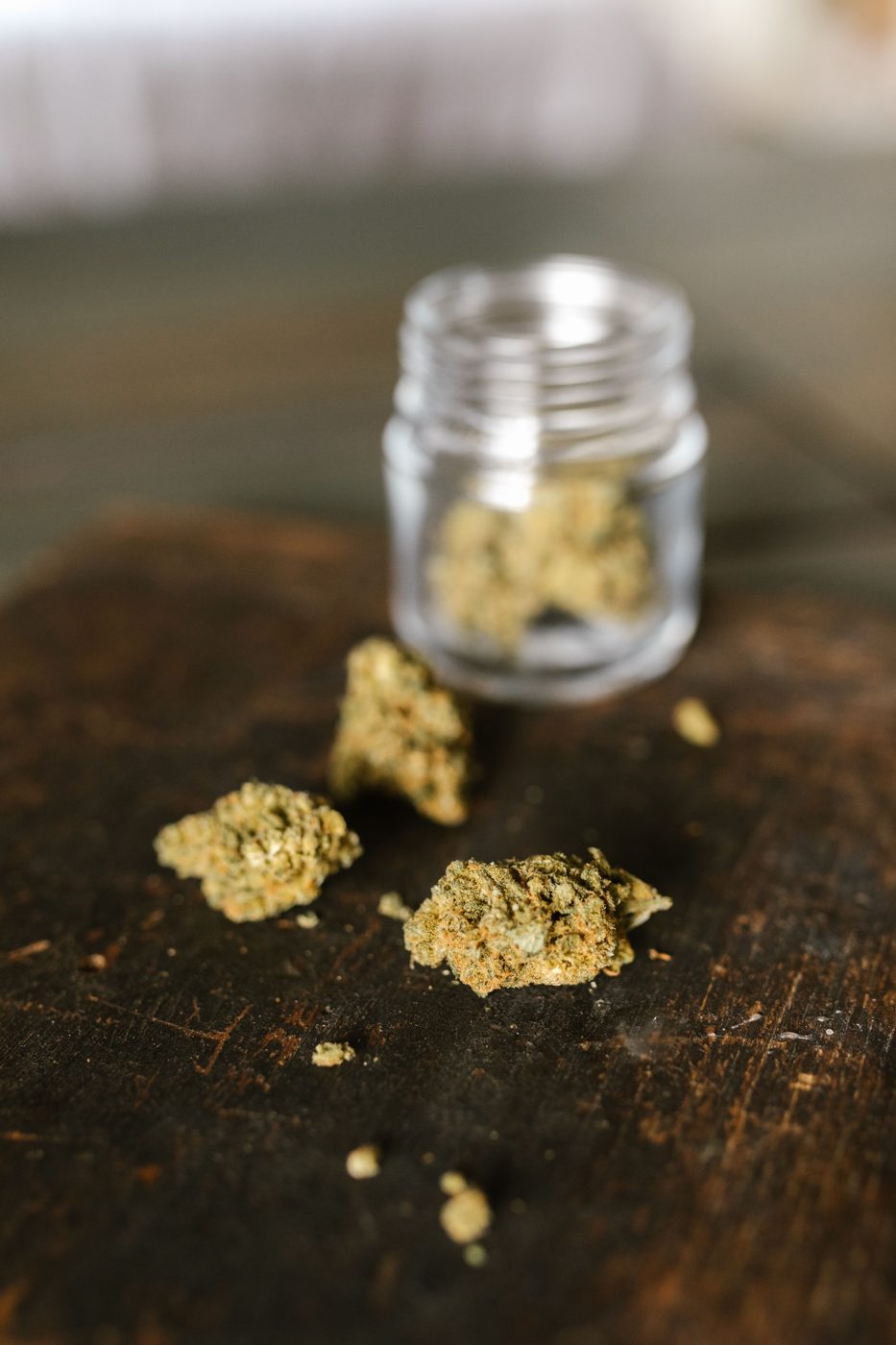
Dried cannabis flowers beside a glass jar

Khalifa Kush is planning a Halloween entrance into New York’s licensed cannabis market. Wiz Khalifa’s brand says sales are set to begin October 31 through a partnership with New York cultivator and distributor Skyworld. As of October 23, that date is still ahead: this is a preview of an announced launch, rather than a report that the products have already reached stores.

The company’s corrected October 14 announcement identifies two starting cultivars, KK and Violet Sky, in flower and pre-roll formats. It describes an initial rollout to 36 dispensaries: seven in New York City and another 29 across Upstate New York and Long Island. These are the brand’s announced distribution plans, not independently confirmed inventory at every location.

A local partner behind a familiar name

Skyworld will handle New York cultivation and distribution, according to the announcement. That makes the local operation central to what consumers eventually buy. A recognizable national brand name tells only part of the story; the cultivation partner, specific batch and store availability are the details shoppers can check when launch day arrives.

Skyworld’s own website describes the business as Indigenous-owned and New York-based, and lists cultivation, processing and distribution license numbers. It identifies SJR Horticulture, LLC as its operator. The company also provides a lab-results section, giving readers a place to look for product documentation rather than relying solely on launch publicity.

Those details establish how Skyworld presents its operation; they do not substitute for checking the state’s licensing resources or a particular product’s certificate. The announcement also corrected its partner’s name from “Skyworld Cannabis” to “Skyworld.” We use the corrected name here.

KK brings a longer backstory

On its KK product page, Khalifa Kush says the original cultivar was developed for Wiz Khalifa’s personal preferences in the early 2010s. The brand describes a period of private use before its first flower sales at Tryke’s Reef dispensaries in the southwestern United States in 2016. That is the company’s account of the cultivar’s commercial history.

It explains why this New York release carries a recognizable identity before any local customer opens a package. The name connects the artist’s cannabis persona with a product line that has moved through multiple state markets. It is also a reminder that a New York debut is a new distribution milestone for an established brand, rather than the creation of an entirely new cultivar.

The broader KK catalog includes formats beyond flower and pre-rolls. That does not mean all of them are included in the New York opening. The dated announcement is the appropriate guide to the initial local offering; later additions should be reported when the company or retailers confirm them.

Violet Sky adds a different genetic branch

The brand’s Violet Sky page describes a selection effort beginning in early 2021 and a cultivar emerging in late 2022. It identifies the cross as Khalifa Mints and GastroPop, and presents Violet Sky as the third addition to its lineup. Those are breeder and brand descriptions, not independent genetic testing by Cannabis Aficionado.

That distinction is especially useful with cultivar coverage. A lineage can help enthusiasts understand how a company positions a release, but it does not tell an individual reader exactly how a product will feel. We have not sampled these New York batches, and the announcement does not establish their final laboratory results, retail pricing or freshness at any particular shop.

Readers following New York’s plant pipeline can also see our coverage of the state’s upcoming nursery application window. Nursery licensing and a branded retail rollout are separate developments, but both make the people and businesses behind the genetics worth paying attention to.

What to check before making the trip

New York’s Office of Cannabis Management consumer guidance recommends checking the dispensary verification tool displayed at licensed storefronts. It also directs consumers to look for the state’s universal symbol on regulated products and a QR code or link to the batch’s certificate of analysis. The agency’s resources are intended for adults 21 and older.

For a planned launch, store-level confirmation is another practical step. Check a participating dispensary’s current menu or contact the store before traveling. An announced statewide rollout does not establish that both cultivars, every package size or every format will be available at the same time in every shop.

For now, the appeal is a clear date and a focused starting lineup: two cultivars, two formats and a named New York partner. The next reporting milestone is October 31 itself, when actual menus and batch information can show how the promised launch translates into a local shopping experience.

Illustrative stock cannabis photograph; not identified as KK, Violet Sky or Skyworld products. Photo: RDNE Stock project / Pexels.

Continue Reading

Cannabis

Section 781 Turns a Hemp Law Into a Cannabis Cultivar and Growers Challenge

Herbies and Blimburn have put a federal provision’s name on a new cannabis line, pairing three versions with a grow-diary competition.

Published

on

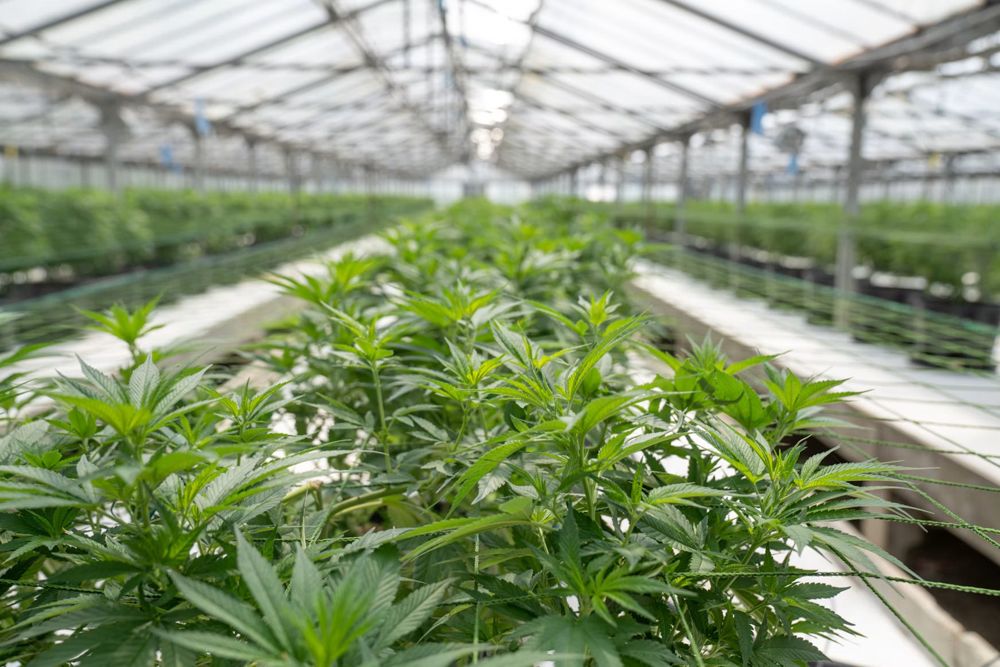
Rows of green cannabis plants inside a greenhouse

Cannabis names often borrow from food, music or geography. A new collaboration between Herbies Seeds and Blimburn Seeds takes a more bureaucratic route: Section 781. The line shares its name with a federal provision rewriting the definition of hemp, and its launch comes with a competition built around public grow diaries.

The announcement, published by Cannabis Business Times on October 23, was issued by the company on October 22. It describes three versions of the line and a challenge intended to follow participating plants from seed to harvest. This is a commercial launch with a political reference, rather than a new finding about how the genetics perform.

One name, three different records

The official project’s cultivar page lists Autoflower, Photoperiod and Fast Flowering entries. The records are not identical. They describe different growing timelines and different stated cannabinoid profiles, so a claim attached to one version should not automatically be applied to all three.

For example, the project lists 77–87 days from seed to harvest for the autoflowering version. Its photoperiod record instead lists a flowering period of 56–70 days. Those are different clocks: one begins at the seed stage, while the other describes a particular part of plant development. Putting the numbers beside each other without that distinction can make a comparison more confusing than useful.

The company’s announcement identifies OG Kush and Strawberry Diesel in the original version’s background. That is the breeder’s description of lineage. Cannabis Aficionado has not grown or independently tested these plants, and the announcement should not be read as our confirmation of a particular aroma, effect, yield or laboratory result.

For readers who follow genetics, the interesting part is the invitation to document variation. A diary can show what one grower observed in one setting. Several diaries may reveal a wider range of outcomes. Neither format automatically turns a branded launch into a controlled trial.

The competition is built around documentation

According to the challenge’s entry information, registration is open until December 30, 2026. Participants use the HarvestED platform to keep a diary, and only the Section 781 line is eligible. The published schedule gives different diary-completion dates for the three categories in spring 2027.

The project describes three principal categories, with three winners in each, plus a separate Best Looking Plant award. Its prize page identifies that additional award as limited to the United States and the photoperiod category. Prize availability and eligibility conditions deserve a direct reading; a promotional summary is not a substitute for the organizer’s current rules.

That matters because this is not simply a photo contest with an interchangeable plant in the frame. The challenge ties eligibility to a named commercial line and to records produced over time. Anyone considering it should distinguish the creative appeal of the project from its entry requirements and the laws applying where they live. This article does not establish anyone’s eligibility to purchase, cultivate or enter.

The posted completion schedule sets March 15, 2027 for Auto diaries, March 30 for Fast diaries and May 31 for Photoperiod diaries. Registration and diary completion are therefore separate deadlines. A reader following the project can watch whether entries document the full period promised, rather than judge the entire line from an attractive early photograph.

The distinction between observation and comparison is useful here. To evaluate two diaries, look for clearly identified versions, dates and conditions. A striking image alone does not tell a reader whether two plants were observed at comparable stages or whether their records answer the same question.

What the legal name actually refers to

Section 781 of Public Law 119-37 changes the statutory definition of hemp. Among its provisions is an exclusion concerning viable seeds from plants above a specified total-THC concentration, including THCA. The source plant is part of that wording, which makes the provision more specific than a general question about whether a seed itself contains much THC.

The statute’s name on a seed package does not certify that package’s legal status. Nor does a company’s reading of a provision resolve the separate questions of implementation, documentation, shipping or state law. The launch is best understood as a response to regulatory uncertainty, not a route around it.

That upstream focus also connects with New York’s new nursery licensing window, which addresses a different issue: how licensed businesses supply starting material inside a state-regulated market. Federal hemp definitions and state nursery permissions should not be treated as interchangeable authorizations.

A launch worth following through the diaries

Section 781 is an unusually literal example of cannabis branding absorbing the policy debate around the plant. The next useful evidence will be what the organizers publish, how the competition is administered and what the diaries actually document.

Until then, keep the categories separate: breeder claims, competition rules and legal requirements each answer a different question. The name may be memorable, but the records behind it will be more informative than the label alone.

Illustrative stock cultivation photograph; these plants are not identified as Section 781. Photo: CRYSTALWEED cannabis / Unsplash.

Continue Reading

Culture

No Super Bowl for Brock Ollie

Published

on

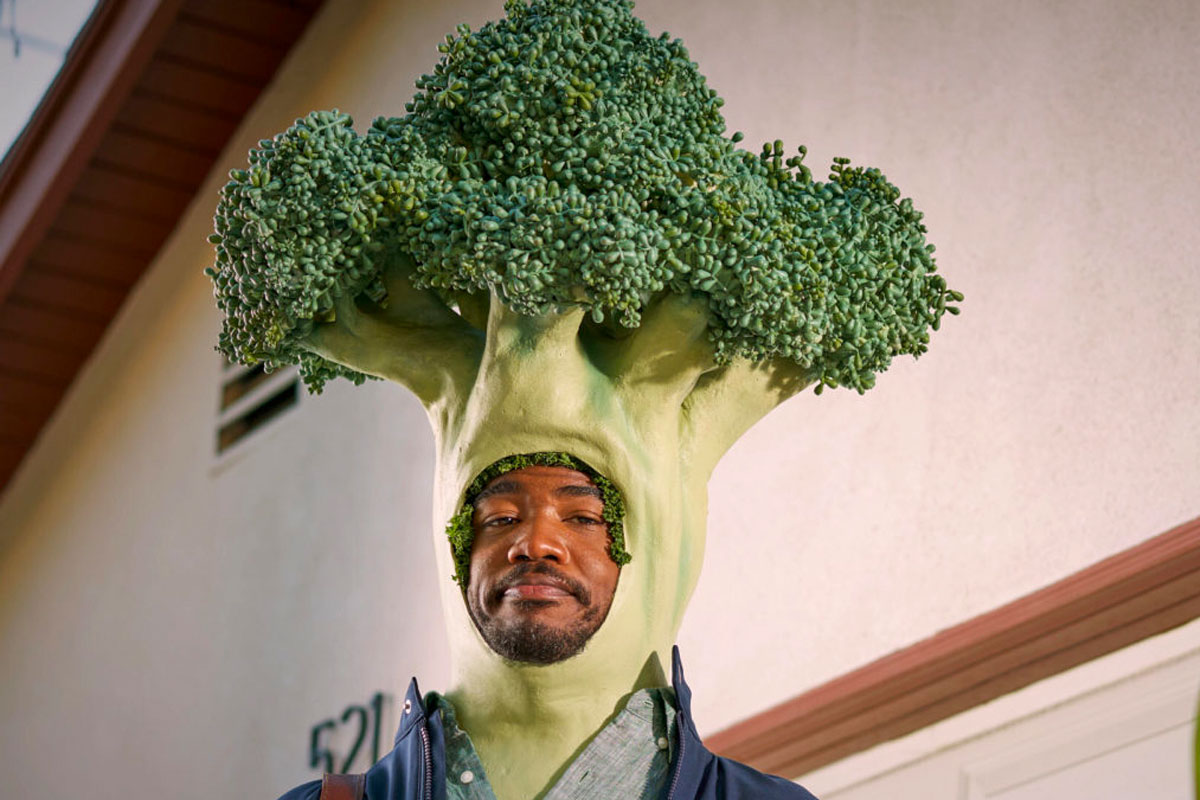
Brock Ollie

With medicinal marijuana being legal in 37 states and recreational cannabis allowed in 18, we should be seeing commercials for companies, products, and services almost as frequently as commercials for sports betting, which is permitted in 30 states in some form.

However, mainstream cannabis advertising continues to be non-existent, as demonstrated in the recent news that NBC has rejected an ad by cannabis e-commerce and advertising platform Weedmaps from being shown during the Super Bowl LVI event his coming Sunday.

Weedmaps reportedly approached the network late last year about airing a Super Bowl commercial that would be “similar to a PSA,” according to reports. Execs volunteered to present some of their earlier educational-based programming, assuring NBC executives that it would not contain any direct-sell messages, which are still forbidden under federal law.

“The answer was a hard no — they wouldn’t even entertain the conversation,” Weedmaps Chief Operating Officer Juanjo Feijoo told Adweek. “We see ourselves as trying to be trailblazers in the industry and making new inroads where others haven’t gone before in cannabis advertising. So it was disappointing.”

The contentious ad personifies cannabis as Brock Ollie, a head of broccoli, the veggie emoji commonly used as a visual representation of cannabis in marketing. The 30-second ad takes viewers through a day in the life of Brock Ollie, whose superfood identity is in jeopardy as he is repeatedly misidentified as cannabis. The ad offers a lighthearted take on the industry’s issues, such as social media censorship and a lack of clear advertising standards, which limit cannabis-related commercials during nationally televised events like the Super Bowl.

“Despite three quarters of the country having legalized cannabis and the bipartisan enthusiasm we continue to see in support for change at the federal level, the industry continues to face roadblocks that inhibit competition in the legal market and stifle opportunities to educate,” Chris Beals, CEO of Weedmaps said. “There’s an irony in the fact that the biggest night for advertising will feature an array of consumer brands in regulated industries, from beverage alcohol to sports betting, yet legal cannabis retailers, brands and businesses have been boxed out.”

The game between the Cincinnati Bengals and Los Angeles Rams will be played Sunday in L.A.

Continue Reading

Trending

Join The Cannabis Aficionado Community!
Join the Cannabis Aficionado community and receive all of the most relevant news geared towards our sophisticated enthusiast community.
Loading

Copyright ©️ 2026 Cannabis Aficionado. Cannabis Aficionado is a registered trademark of CNM Inc. All rights reserved. Registration on or use of this site constitutes acceptance of our Terms of Service, Privacy Policy and Cookies Policy. People may receive compensation for some links to products and services. Offers may be subject to change without notice.