#cannabisaficionado

Products

Dank Pack Makes Its Alberta Debut With Blueberry BBL

Whole Lotta Dank has introduced its first limited-release brand in Alberta, with additional products still subject to regulatory review.

Published

on

Conceptual cannabis flower illustration against a mountain landscape.
Advertisement Back2Grow Advertisement

Alberta has a new limited-release cannabis brand to follow. Whole Lotta Dank announced the debut of Dank Pack on October 16, beginning with Blueberry BBL, identified as Drop 001.

In its launch announcement, the company said the release was available through eight Dank Cannabis stores in Calgary and Okotoks, with delivery options within Alberta. Availability is the company’s report at launch, rather than a live inventory check.

Dank Pack is the first retail brand from Whole Lotta Dank’s broader portfolio. The company is also seeking relationships with licensed Canadian producers and manufacturers as it develops additional offerings.

More than 20 products have been submitted to Alberta’s regulator, AGLC, for review, according to the announcement. Submission is a step in the process; it does not mean those products have been approved or reached shelves.

StratCann included the debut in its October 17 industry roundup. The limited-drop format makes this a release to track, while quality, flavor and effects remain outside what a launch announcement can establish. Cannabis Aficionado has not tested the product.

Image: AI-generated editorial illustration; not a photograph of Blueberry BBL or its packaging.

Cannabis

AiroPro Enters the UK Through a Medical Pharmacy Partnership

Airo and SOMAÍ announce four inhalation formulations with IPS Pharma distribution. Patient access still depends on prescribing and pharmacy supply.

Published

on

River Thames and London skyline at sunset

Airo and SOMAÍ have announced a United Kingdom launch for the AiroPro inhalation system, adding a new device-and-extract combination to the country’s medical cannabis market. The October 27 announcement names IPS Pharma as the exclusive UK distributor, with supply through pharmacies and healthcare providers rather than an ordinary recreational retail rollout.

According to SOMAÍ’s announcement, the initial portfolio contains four formulations. NYC Diesel and Pink Rozay sit in a Strain Series using cannabis-derived terpene blends; Lemon Cake and Mango Kush sit in an Artisan Series using botanical terpenes. The extracts are made at SOMAÍ’s Lisbon facility, which the company describes as EU-GMP certified.

The companies describe AiroPro as an integrated system in which the device and compatible extracts work together. They say the products are available through UK pharmacies. That is an account of commercial availability, not evidence that every clinic will prescribe the products or that every pharmacy already has stock.

A medical launch still begins with a clinical decision

The General Medical Council’s guidance makes the prescribing distinction clear. Unlicensed cannabis-based products for medicinal use must be supplied for use according to a prescription or direction from a doctor on its Specialist Register. Specialists must work within their competence and assess the individual patient.

The GMC says many cannabis medicines lack a UK marketing authorisation and may not have undergone MHRA assessment for safety, efficacy and quality. Prescribing can be appropriate when a specialist concludes that a patient’s specific clinical needs require it. That is different from a brand’s decision to introduce another format.

For shared care, the guidance calls for clarity about the medicine, dose, means of administration and treatment protocol. It also requires patients and other treating doctors to receive sufficient information for safe care. Those responsibilities remain relevant regardless of a product’s familiar cultivar name or the design of its hardware.

Manufacturing standards answer a different question

EU-GMP appears prominently in the launch announcement. The MHRA’s manufacturing guidance describes good manufacturing practice as the minimum production standard medicines manufacturers must meet. It addresses consistent quality and conformity with the applicable marketing authorisation or product specification.

Good distribution practice concerns obtaining medicines through the licensed supply chain and storing, transporting and handling them under suitable conditions. Regulators inspect manufacturing and distribution sites to assess compliance.

That framework helps explain the significance of a pharmaceutical manufacturing claim. It should not be treated as a clinical trial showing that one formulation works better than another. Production controls, distribution controls and an individual treatment decision are connected parts of the process, but each answers a different question.

Our recent LOT420 coverage similarly examined why the scope of a cannabis quality certification matters. A certification headline needs to be read alongside the activity and product it actually covers.

Importing a product is not the same as approving it

The MHRA’s guidance on unlicensed medicines explains the separate supply route. These medicines, often called specials, have no UK marketing authorisation. They may be supplied to meet individual clinical needs when available licensed medicines cannot meet those needs.

Importers need the relevant permissions and must notify the MHRA before importing an unlicensed medicine. The notification includes evidence concerning manufacturing and distribution standards and a special clinical need. The launch announcement therefore sits within an existing medicines framework; it does not announce a new exemption from it.

The NHS patient information also distinguishes prescribed medicines from products marketed online as medical cannabis. It advises patients to keep prescribed medicine in its original packaging, along with a prescription copy and any relevant doctor’s letter. The dispensing label identifies both the medicine and the person for whom it was prescribed.

NHS availability is a separate question from a company’s UK launch. The NHS explains that very few people in England are likely to receive an NHS medical cannabis prescription, and that other treatments are considered first. A product appearing in pharmaceutical distribution does not establish that it will be offered through every care pathway or paid for by the health service.

What this changes for a patient

The concrete development is a named distributor and a defined initial portfolio. Whether it changes an individual patient’s treatment depends on a clinical assessment, the prescription, pharmacy supply and the instructions for the specific device and extract. A U.S. brand’s reputation cannot settle those questions on its own.

The announcement gives clinicians and patients another product combination to discuss. It does not demonstrate comparative effectiveness, establish NHS funding or guarantee that a particular formulation is suitable for a particular condition. Those boundaries make the launch easier to understand: more supply options within medical channels, with the prescribing decision still resting on the patient’s circumstances.

Illustrative stock view of London; not an Airo, SOMAÍ or IPS Pharma facility. Photo: Matheus Bertelli / Pexels.

Continue Reading

Cannabis

Grön Launches Pearls in Massachusetts, New Mexico and Washington

Grön announces Pearls in Massachusetts, New Mexico and Washington. Shoppers should confirm local stock, cannabinoid amounts and serving information.

Published

on

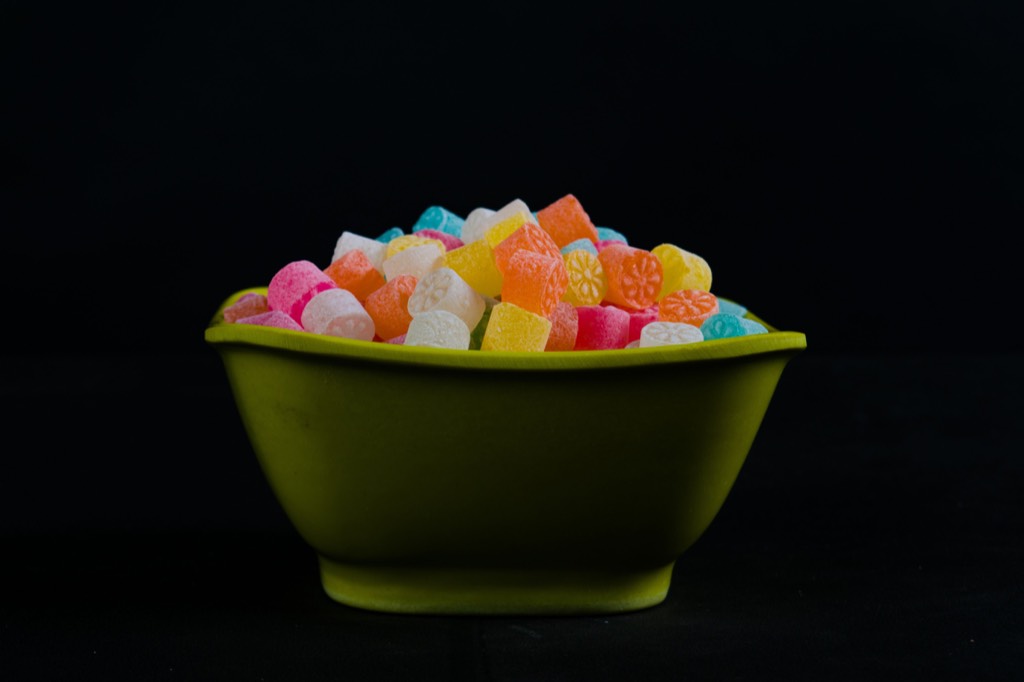
Colorful gummy candies in a green bowl against a dark background

Grön says its Pearls cannabis edibles have launched in Massachusetts, New Mexico and Washington, extending the brand into three more state markets. For shoppers, the October 27 announcement means another familiar national name may appear on local dispensary menus, but the specific package and retailer still matter more than the expansion headline.

In its company announcement, the Oregon-based brand said the rollout includes its Daytime, Nighttime and Anytime collections. These use different ratios of THC and cannabinoids such as CBD, CBC, CBG and CBN. The company described availability as immediate through dispensaries in the three states.

The expansion follows a September rollout into California, Colorado, Michigan and Nevada. Grön credits distribution support from parent company Wyld, which it says purchased the brand in December 2025. Those are company accounts of the rollout. This announcement does not establish that every dispensary carries every flavor, ratio or package.

A rollout can arrive in stages

The brand’s September 1 announcement provides an example of how it has approached expansion. For those earlier four markets, Grön described an initial offering of seven Pearls flavors and ratios, with its larger MEGA format expected later. That was a plan for the September markets, not a confirmed assortment for today’s three additions.

The distinction matters when comparing menus across state lines. Seeing a format in one market does not establish that it has launched in another, even when the brand name is the same.

Read the package before choosing the collection

The collections’ names are a way to organize a menu, not a substitute for checking the actual cannabinoid amounts. A shopper comparing two packages should distinguish the amount of THC in each serving from the total in the container, then check the other listed ingredients and cannabinoids.

That approach is consistent with New York’s consumer guidance, which encourages people to examine potency, extract type and product form when considering effects. The agency also explains that regulated products link to a certificate of analysis showing laboratory results.

Although that guidance is written for New York, the basic comparison is useful here: an attractive collection name does not identify the dose in the package being purchased. Nor should a retailer’s description be read as proof that a particular edible will treat a health condition or produce the same response in every person.

Our recent coverage of an Ontario labeling recall shows why the distinction between THC and CBD values deserves attention. That was a separate product and manufacturer; there is no connection to this Grön announcement. It illustrates the importance of readable, accurate package information.

Availability still depends on the local retailer

Massachusetts buyers can use the Cannabis Control Commission’s licensed-business directory to identify adult-use retailers, medical treatment centers and delivery businesses. Adult-use purchasing is for people 21 and older, with separate provisions for the medical program.

The commission notes that a delivery company appearing near a searched address does not necessarily serve that address. Customers should check the business’s own service area and product offerings. The same practical step applies to a new brand arrival: verify the menu before making a trip or assuming delivery availability.

New Mexico’s Cannabis Control Division FAQ likewise distinguishes adult-use transactions from medical purchases. Adult-use sales require customers to be at least 21 and have their age and identity verified with valid identification; adult-use purchases are subject to cannabis excise tax.

The FAQ lists separate purchase limits for flower, concentrate and edibles, including an 800-milligram edible limit for adult-use consumers. A legal purchase maximum is not a suggested serving. Buying a container and choosing how much to consume are different decisions, and a package may contain multiple servings.

New flavors do not change edible timing

Washington’s Liquor and Cannabis Board guidance places ingested products, including edibles, capsules and drinks, in a slower-onset group. Its chart gives a general onset range of one to four hours and duration of four to 12 hours, compared with a faster onset for inhaled products.

Those are guidelines rather than a prediction for a specific person or a test of Pearls. They explain why judging an edible too quickly can be misleading. A new brand on the shelf does not remove the need to understand the form, strength and expected timing of the product.

The launch is a concrete distribution development, with three states named and a defined product family. The useful next step for an interested shopper is local: find a licensed seller, confirm which products have arrived and read the package in front of you. Brand familiarity can help someone navigate a crowded menu, but it cannot replace that final check.

Illustrative stock confectionery; these are not Grön products and are not identified as cannabis-infused. Photo: Akshat Soni / Pexels.


Continue Reading

Cannabis

710 Labs Plans a New Look for California Close Friends Releases

710 Labs’ California calendar lists Close Friends releases beginning October 26 with a new packaging format. Retail availability and release times remain store-specific.

Published

on

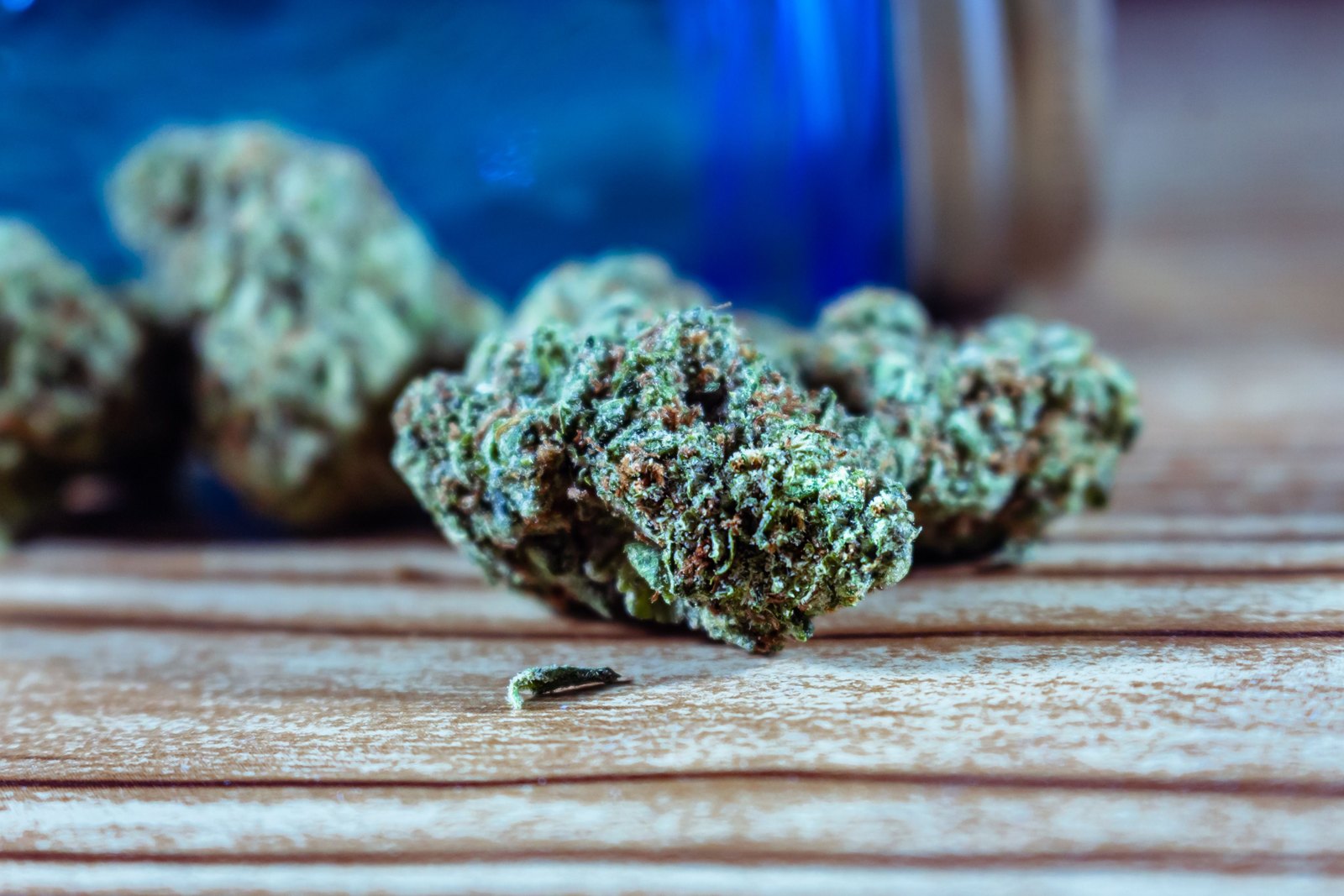
Dried cannabis flowers on a wooden surface beside a blue container

710 Labs is giving its California Close Friends releases a new packaging identity. The brand’s late-October retail calendar describes a signature jar inside an acrylic box, wrap and lid labels printed with UV-reactive ink, and monthly collectible pins. For shoppers, the practical questions remain which store has a release, what is inside the jar and how that particular product should be stored.

The California calendar lists October 26 releases at GOAT Global and Cornerstone, followed by additional participating stores on October 27, 28 and 29. Those are announced dates rather than independently confirmed inventory. The brand specifically asks customers to check with stores about release dates and times.

A collectible format, with availability to confirm

According to 710 Labs, the new format moves away from a different label design for each Close Friends batch. A limited-edition monthly pin with a magnetic backing is intended to attach to the outside of the acrylic box. The company presents the change as a new visual format for the line, rather than a change in the hash itself.

That last point is a brand statement, not an independent comparison of old and new batches. Cannabis Aficionado has not tested these releases. The calendar does not by itself establish a specific store’s current stock, final price, purchase limits or the precise assortment available when a shopper arrives.

The sensible first step is to ask a participating retailer for the product name and format alongside the release date. That separates a packaging announcement from the details of an actual purchase. It also avoids confusing a calendar entry with a reservation or a guarantee that every listed location receives the same selection.

Read the jar as well as the box

California’s manufactured-product labeling guidance explains that required information generally belongs on the outermost packaging or must be visible through it. Where a jar can be separated from a box, the immediate container must carry the state’s universal cannabis symbol.

The guidance distinguishes the main display panel from the informational panel and ties cannabinoid labeling to the certificate of analysis. For a buyer examining a presentation box, the useful information is therefore more than its artwork: identify the product type, manufacturer, cannabinoid content and other required details before deciding whether it is the item you intended to buy.

A collectible pin or unusual finish does not answer those questions. Keeping the original labeled packaging also makes it easier to retain the information that distinguishes one purchase from another. That is particularly helpful when similarly styled jars belong to different releases.

Packaging has a safety job, too

The Department of Cannabis Control’s final-form packaging checklist covers requirements such as tamper evidence and child resistance. Tamper evidence means a consumer should be able to tell if a package has been opened—for example, from a broken seal. Child resistance is a separate packaging requirement.

These functions should not be inferred from a box’s appearance. Nor does attractive packaging provide an independent measure of a product’s quality or effects. A collector can appreciate the presentation while still checking the information and protective features associated with the cannabis inside.

Storage depends on the concentrate

710 Labs’ own storage guide makes distinctions within its concentrate lineup. It recommends frozen storage for Persy Water Hash, Persy Rosin and Live Rosin. Its guidance for Persy Sauce, Persy Rosin Badder and Live Rosin Badder allows a short period at room temperature before refrigeration.

For the badder and sauce products in that second group, the guide specifies 50–70 degrees Fahrenheit for up to three days, followed by refrigeration for up to two weeks. That distinction is worth checking before buying a jar as a gift or planning to keep it unopened for an extended period.

The company also tells customers to let cold jars return to room temperature before opening to prevent moisture. These are manufacturer recommendations, and shoppers should check the directions for the exact item they have purchased rather than applying one storage routine to every concentrate.

That creates a useful question at the counter: does the new jar contain water hash, rosin, badder or another format? The answer is more useful for day-to-day handling than the color of the box. Ask the seller to clarify any difference between the current label instructions and general advice online.

What this release adds to the calendar

The immediate news is a planned California packaging rollout attached to dated retail releases. It joins other announced product-market arrivals, including Khalifa Kush’s planned New York debut, where local availability also requires confirmation.

For Close Friends shoppers, the new presentation may be the draw. A store check, a careful label read and format-specific storage questions are what turn that announcement into an informed purchase.

Illustrative stock cannabis photograph; not 710 Labs hash or its new packaging. Photo: Terrance Barksdale / Pexels.

Continue Reading

Trending

Join The Cannabis Aficionado Community!
Join the Cannabis Aficionado community and receive all of the most relevant news geared towards our sophisticated enthusiast community.
Loading

Copyright ©️ 2026 Cannabis Aficionado. Cannabis Aficionado is a registered trademark of CNM Inc. All rights reserved. Registration on or use of this site constitutes acceptance of our Terms of Service, Privacy Policy and Cookies Policy. People may receive compensation for some links to products and services. Offers may be subject to change without notice.