Culture
What’s in a Name? The Californian Cannabis Appellations Promise
Taking lead from the Champagne region of France, growers have sought to establish Californian cannabis appellations for their crops.
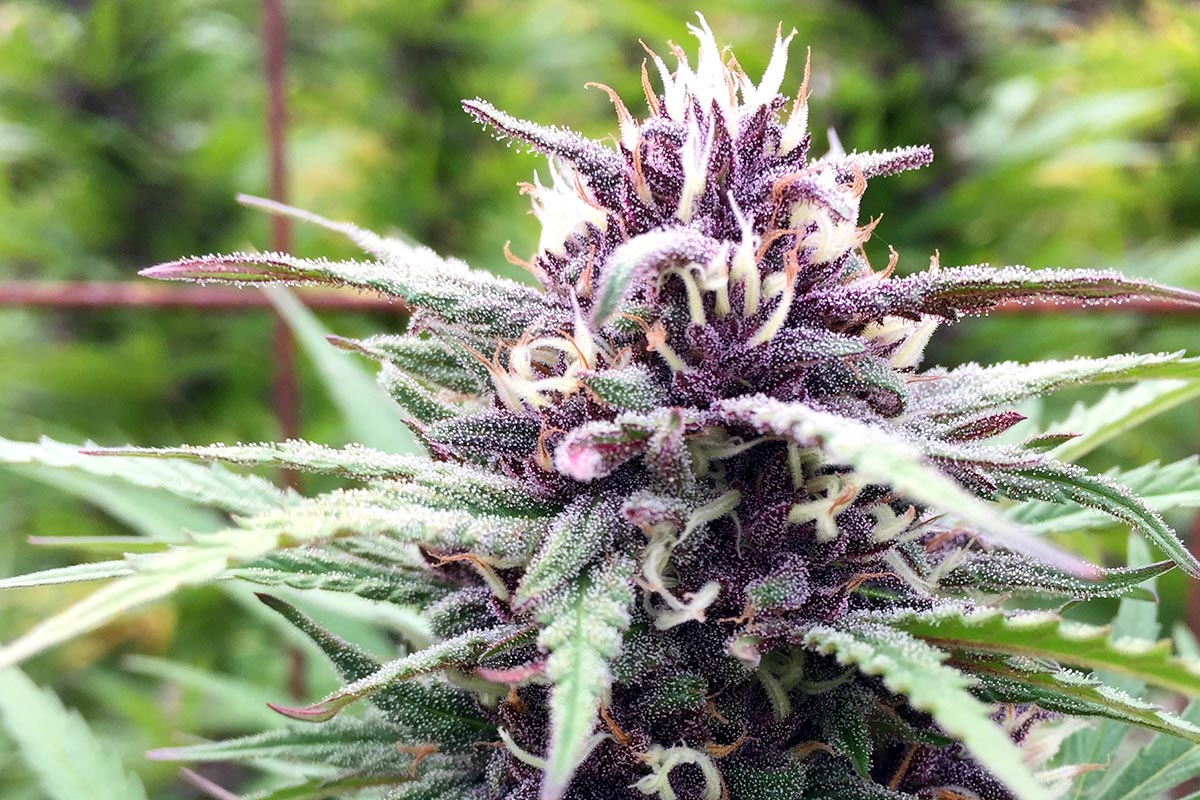

Legal recreational cannabis sales kicked off in California on January 1st, 2018. However, the state has been aware that small-batch, craft cannabis growers have sought to establish Californian cannabis appellations for their crops well before legalization happened.
What is an Appellation of Origin?
Appellation comes from the French verb, ‘appeller’, to name. An Appellation of Origin (AO) is a very special internationally recognized name. It’s a designation within the larger Geographical Indication system that’s used on products that have a specific geographical origin and possess qualities or a reputation that are due to that origin. Think Champagne.
The celebrated sparkling wine of the Champagne region of France is the most commonly recognized international product we all know by its unique high… and it’s AO. Others you may already enjoy at your table include Bordeaux wine, Mexican Tequila and Roquefort cheese.
These distinct, high-quality products have been awarded AO designations because they passed rigorous tests and had those tests verified. By doing so they proved that their superior qualitative characteristics are a result exclusively of their place — their origin. Place is shaped by the region’s unique environmental factors, cultural heritage, production practices and resulting legacy of regional crop varietals.
Are you starting to think Humboldt, Mendocino, The Emerald Triangle? Exactly.
Why Do Californian Cannabis Appellations Matter for Craft Farmers?
Some 25,000 people attended MJBiz Con in Las Vegas this November, the biggest cannabis business conference in the United States. Across the country, large-scale farms are being financed and positioned for the anticipated global cannabis commodities market. Meanwhile, heritage and craft cannabis farmers in California are struggling to stay afloat amid complicated and ever-changing state regulations, while limited to an under-developed legal local consumer base.
Internationally, there have been cannabis production regions within China, Morocco, India, Nepal and Pakistan for centuries, where regulations are yet to be implemented giving these legacy farmers access to a legal market.
What can small, traditional farms around the world do to compete?
Differentiate.
Appellations are an international means to differentiate products and have the potential to create a path forward for traditional, legacy, craft cannabis farmers — if they can hold on long enough for the market to support them. And many of them cannot.
Small farmers are selling their farms, giving up on cannabis as a crop, losing their farms to the bank, and to unscrupulous investors. At the beginning of 2018, California Growers Association estimated there were there were 68,000 cannabis farms in California. Humboldt County officials estimated between 6,000 and 15,000 thousand grows throughout the county. As of October, the state had only issued some 5000 temporary cultivation licenses and by November, only seven full licenses.
So in five years, will even a quarter of the Humboldt farmers still be cultivating? Probably not.
For those family farmers who can make it through on their own, in co-ops or with the help of investors with integrity, the positive outlook is that the looming commodities market and the craft market compliment each other. For example, commodity cannabis fuels affordable products for general consumption, filling the seemingly endless demand for vape pen oils that largely taste the same. Craft cannabis aims for the unique quality niche, for the connoisseur consumer who appreciates and will pay for the unique traits that result because of place, person and process.
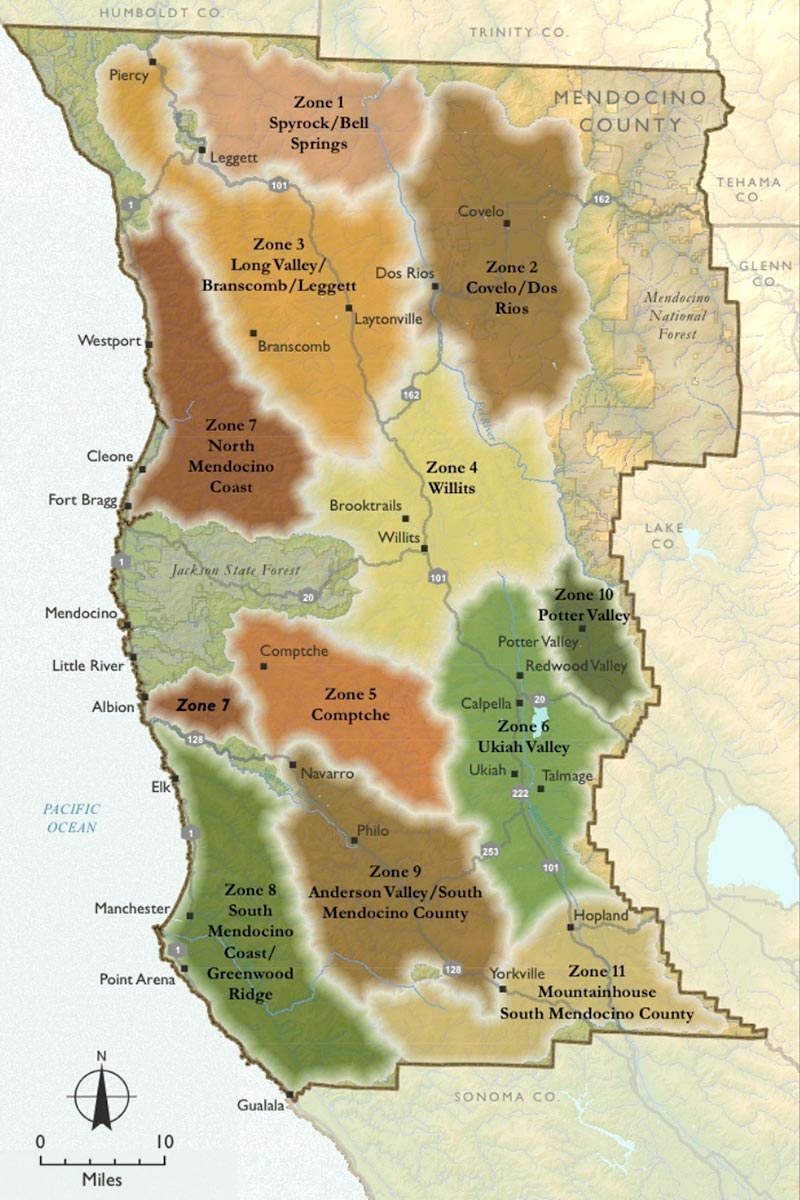
PHOTO: Swami Select
Who’s Working on It?
It’s the connoisseur consumer in whom Genine Coleman, Co-Founder and Executive Director of The Mendocino Appellations Project (MAPS), has faith.
“Cannabis at its best is an expression of place,” said Coleman. “It’s an annual adaptogen, that responds greatly to its environment, to the soil, water, sunlight, farmers and their techniques. Together these factors create what the French have termed ‘terroire’. Appellations will allow us to unlock how to potentiate the unique and alluring traits of cannabis. We’re on a very mysterious and sensual journey.”
Coleman comes with an extensive marketing background including working for Whole Foods during their climb to great success in the late 90s into the 2000s. “Whole Foods succeeded because they made decisions based on what the consumer wanted,” said Coleman with confidence.
Cannabis consumers are expected to be the same, once they are educated about their options. Currently, many self-described, but as of yet uneducated, foodies are smoking hydroponic cannabis grown in warehouses in the desert, fed with standardized, bottled fertilizers. Given the option, many of them would opt for sun-grown, family farm raised products, with the richest terpene profiles, and a story of place.
Education is key.
Coleman has co-led the MAPs team in coalition building and educating over the last 18 months, collaborating with local and global strategic partners developing proposals for environmental, botanical and social research in the coming year, and educating and developing public policy. Because cannabis has been effectively illegal for 80 plus years, gathering data and educating the global community are essential to support the shift to an international market with a place for craft farmers.
What’s Next?
Most recently, MAP was a member of the coalition which submitted a paper to the World Health Organization (by invitation) called “The Importance of Appellations of Origin to the Successful Therapeutic Model of Whole Plant Cannabis.” The 41st Expert Committee on Drug Dependence reviewed it in November and will be offering recommendations based on their findings to the United Nations’ Commission on Narcotic Drugs, possibly pushing forward a positive change in the scheduling status of cannabis within international conventions.
In 2017 California passed a law mandating that the California Department of Food and Agriculture develop a geographic indication system for cannabis, including Appellation of Origin designation to be implemented by 2021. CDFA’s CalCannabis Cultivation Licensing Division is in the process of research, soliciting stakeholder input and scoping the regulatory and programmatic frameworks for the CalCannabis Appellations Project. They have much to accomplish in the next two years.
What’s an Aficionado to Do?
Today’s cannabis aficionados are proud to be on the cutting edge of this mysterious and sensual journey with cannabis herself and the farmers who bring out her best traits. They are the connoisseurs that seek out and appreciate quality, thereby fueling the existing and future craft market.
Pick a small farm or coop who’s cannabis you admire and get to know them. Look them up on Instagram, follow them, ask for and purchase their products, give them as gifts, tell your friends, send a love note. Indulge in the terpene-rich, unique strains from the small farmers you want to see thrive in the coming international cannabis market.
To give them a chance to make it there.


Culture
No Super Bowl for Brock Ollie
Culture
VIBES X Kaya Herb House Collab Launches in Jamaica
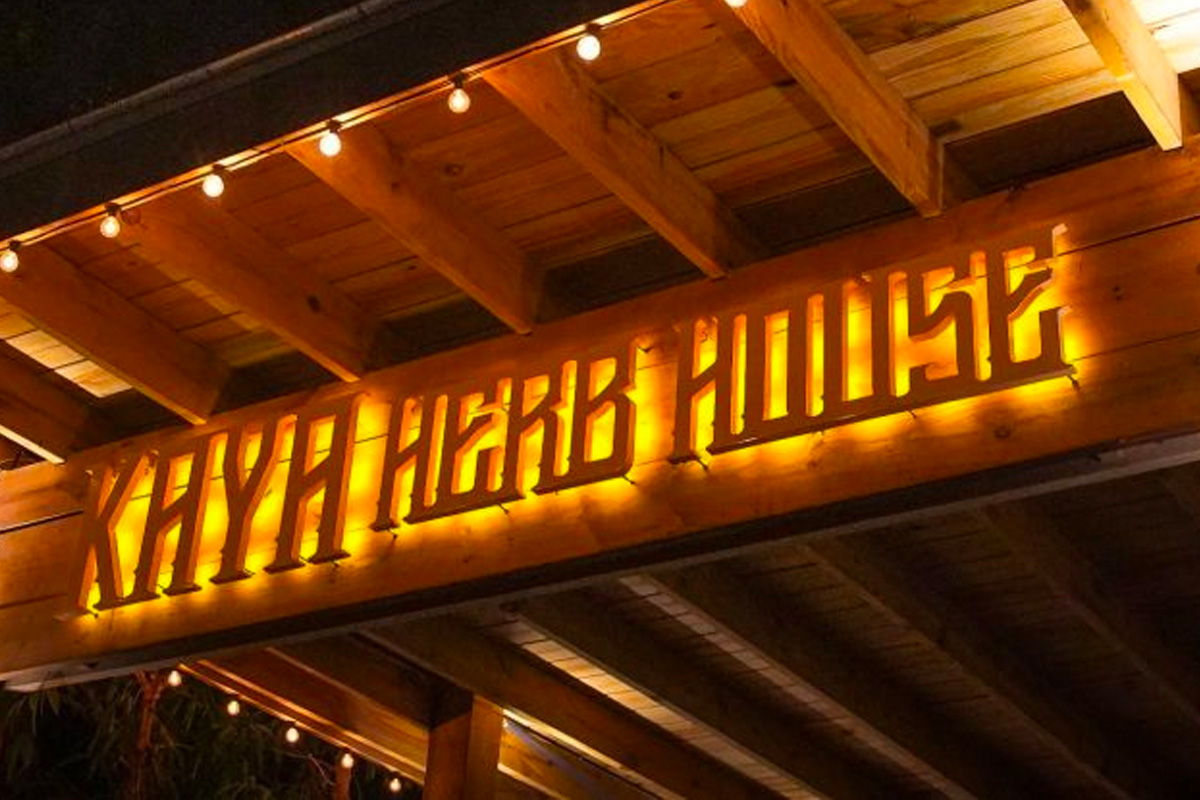
Vibes, the rolling paper brand co-founded by entrepreneur and rapper Berner in collaboration with Gnln, announces a collaboration with the Kaya Herb House for the holidays. Featuring lifestyle goods and premium rolling papers, VIBES x Kaya Herb House furthers both brands’ missions to create the ultimate experience for connoisseurs.
VIBES x Kaya Herb House marks the first common project between the two brands, which have a shared goal of educating consumers on a premium smoking experience and creating meaningful experiences around the cannabis lifestyle.

The Kaya Herb House franchise was founded in Jamaica by “Bali” Vaswani, who had established Marley’s Estate coffee brand in the United States. VIBES x Kaya will be available at the Herb House in Kingston, Jamaica, which features the first medicinal Ganja herb house in the Caribbean and offers locally grown herbs and straight-from-the-farm extracts line as well as a taste of world-renowned cuisine and juices at the cafe and pizza restaurant.
“This marks another milestone for the VIBES brand. We are thrilled to partner with such an industry legend, together introducing an authentic experience to Jamaica and bringing attention to the history of the industry in the Caribbean,” says Vanessa Vanjari, Brand Manager of Vibes.
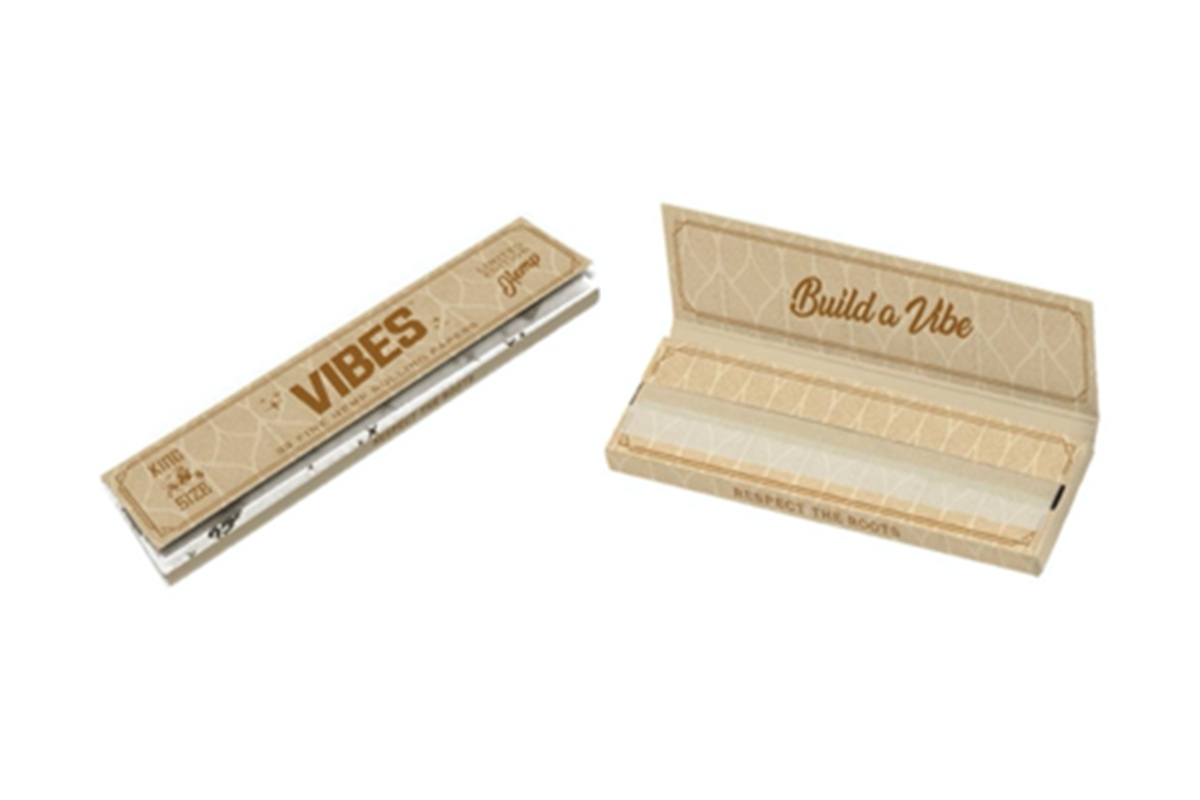
The collaboration features rolling papers, apparel, and accessories for the global wellness traveller, including co-branded hemp king size skinny booklets, tee shirts, and a pizza cutter. The slogan “Build a Vibe” is stamped on the VIBES x Kaya rolling papers, a play on both a popular Jamaican catchphrase and VIBES’ signature “Catch a Vibe.”
Each piece in the collection contains a retro graphic style of a plane that pays homage to the history of cannabis in the Caribbean when smugglers flew cannabis for the black market over the coasts of Jamaica and Florida. Smuggler planes would drop packages into the water, gaining the name “Square Grouper.”
VIBES x Kaya is a month-long collaboration that launches on December 17, 2021 at the Kaya Herb House in Kingston, Jamaica.
Culture
Kate Hudson Gets High for the Holidaze In Cannabis Cocktail Commercial
Kate Hudson stars in an ad for Cann beverages—the first time an A-lister has been the face of a weed brand in a mainstream commercial.