
Aficionados
Brands and Buds: Matt Morgan and His Cannabis Empire
Matt Morgan, a sixth generation Montanan farmer, exclusively tells Cannabis Aficionado how he grew one of the cannabis industry’s most successful companies.
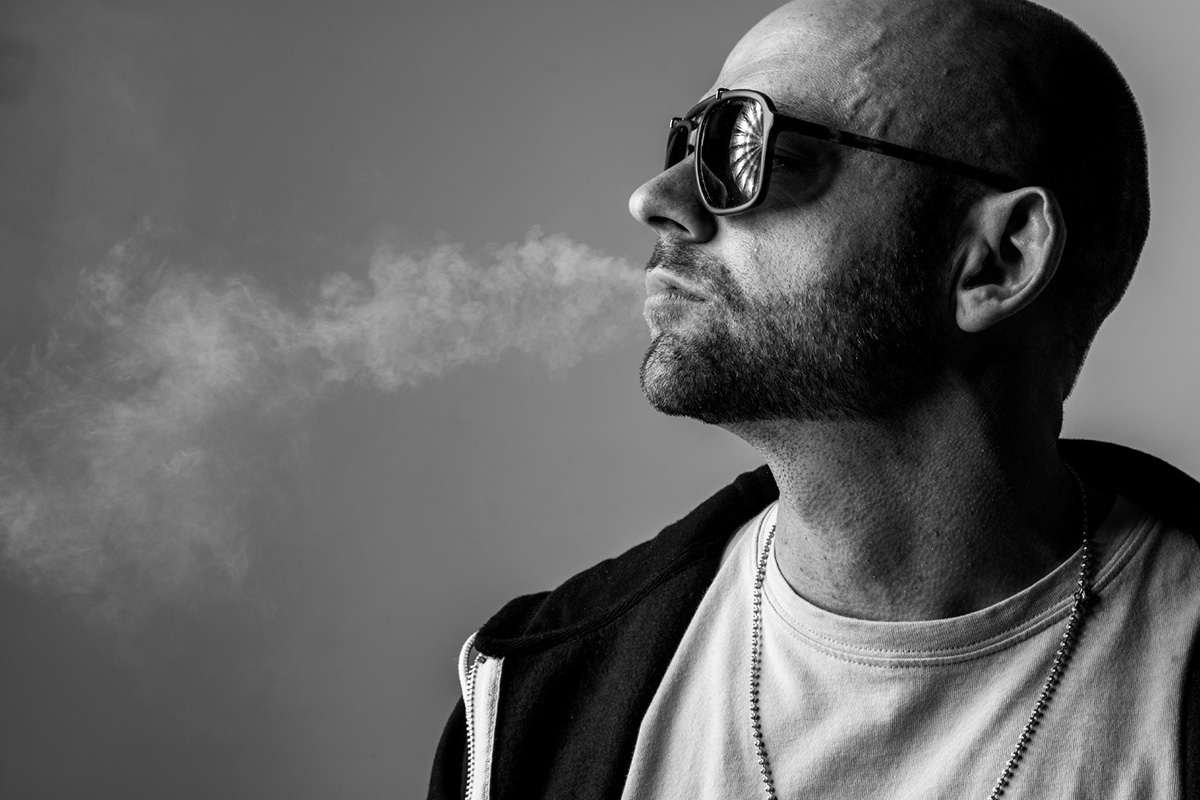

In a week I’ve become something of an expert in all things Matt Morgan. He’s a fascinating read and is achieving rock star status as one of the first cannabusiness celebrities in the short time that weed’s gone legal.
If you’re one of his 777k followers (at press time) on Instagram you know that Morgan lives something of a fantasy lifestyle, photos of beautiful grow rooms with mountains of colas and bags of buds piled sky high—and even though he makes his cannabis business lifestyle look easy, you better believe it’s not. His hard work and tremendous drive are beginning to pay dividends, but only after years of growing his personal empire.
Matt Morgan is a builder of cannabis companies and they’re more than just uber successful. They’re powerful, game-changing, and visionary. In little more than a decade of hard and determined work, Morgan has carved out a comfortable niche.
For Morgan, a sixth-generation farmer from Montana, leaving the family’s fields of alfalfa and wheat to pursue cannabis meant more than breaking with tradition, but changing his parent’s perception that stoners were stupid, lazy, and wouldn’t amount to anything.
“My family was very anti-cannabis, actually. They would much rather have me drink alcohol growing up versus smoking cannabis. They had all the propaganda shoveled in their mouth for so many years about how cannabis was basically the devil, right? The last thing my family wanted me to do was to be involved in that sector — from a personal consumption standpoint as well as a business standpoint,” says Morgan.
“I’m still carrying the torch as far as farming goes, but its just in a completely different way. I’m a much bigger fan of the cannabis plant versus alfalfa!”
Despite Morgan’s family attitude, he wouldn’t change a thing about his childhood explaining how growing up in Montana “just gives you a certain set of core values” that have shaped and guided him in his pursuit of success in the States and beyond.
“I think people pick up on it very quickly when you have small-town roots,” says Morgan. “You shake peoples hands, and when you shake people’s hands, that’s your word. You follow through on everything that you say you’re going to follow through on.” He adds emphatically, “Honesty and integrity, all those things are instilled in you growing up in a place like Montana. People automatically trust you more or less based upon how you act, how you’re raised, and I think that goes a long way in business.”
Morgan’s moral code would soon pay off as he got his first taste of success selling real estate in his early twenties. What followed in 2008 is probably Morgan’s biggest game changer as the financial collapse left him to do some serious soul-searching.
That need to land on his feet and find the next big business opportunity led Morgan to settle on cultivating cannabis after months of online research. After getting his Montana medical marijuana card, Morgan blindly started growing; — expecting his first crop of six plants would produce High Times-worthy buds.
“In my head, I was like, ‘Man, if a bunch of hippies can grow up plants from seeds and grow some good buds, there’s no chance I’m not going to pull this off.’ But of course, my first couple attempts were epic failures,” Morgan laughs.
“I had no idea what I was doing. You name a branch, I hit it on the way down.”
Lucky for Morgan, he’s a fast learner and recovered quickly from his mistakes. Over a ten-month period, he scaled his grow operation to one of the largest in the state. Everything was going well for Morgan in Montana’s medical program where a caregiver could grow up to six plants per patient, with no cap or limit on size. Morgan’s hometown of Missoula was booming with more than 60 dispensaries in a town of 60,000-plus people.
“The ratio was ridiculous and Montana doesn’t really like change all that much,” says Morgan. “Once they saw all these dispensaries popping up and everybody growing cannabis, legislation came in and put a halt to everything. They limited each share grower to three patients and that’s when I started looking at other opportunities to scale the way I wanted to scale.”
In 2010, Arizona was crafting some of the most favorable cannabis laws for building a large-scale operation with unlimited plants, weight, and growth — and if he could secure one of the licenses from the state — it had everything Matt Morgan was looking for and more.
Moving to a new state where you don’t know anyone could seem daunting and intimidating, but not for Morgan who immersed himself by building a brand of hydro stores that would soon service the states large grows. With three Ugrow hydro stores under Morgan’s leadership and making steady gains, Morgan knew the key to scoring one of the 121 state licenses would be seeking out the who’s who of Arizona’s cannabis culture.
“Since I really didn’t know anybody the hydro stores gave me a chance to really get involved. I’d meet and greet with everyone in the space, which was very helpful early on.”
And his strategy worked. Knowing that the licenses would be highly competitive, Morgan’s intrepid networking led him to an influential senator’s son and indeed, they won a license in the first round of applications, quickly acquiring their second within a few months of being in business and Bloom dispensaries was born.
In as little as ten months that Morgan and his partner had grown Bloom dispensaries, they were now employing 120 personnel and earning revenues in excess of a million dollars a month. It’s here that I learn that Morgan has as huge a heart as he does a mind for business. As a difference in Morgan’s life is created, or as he experiences a certain level of success, he makes sure that the wealth is spread around.
“You’re literally seeing people, hiring them, and they’re driving to work in a car that barely runs and then six months later because of this job they’re driving a new car. Things like that are just so fulfilling in general. Helping and seeing all these people that you’re making their dreams become reality. The larger you can scale, the more people you can help,” says Morgan.
Morgan recalls how his mentors, most of whom were CFOs, CEOs of Fortune 500 companies and Fortune 100 companies gave him the “playbook on how to be a monster in the business space” because they understood the business from A to Z. Without them, he says, it would “take me forever to figure out how to recreate the wheel. They really turbocharged everything for me.”
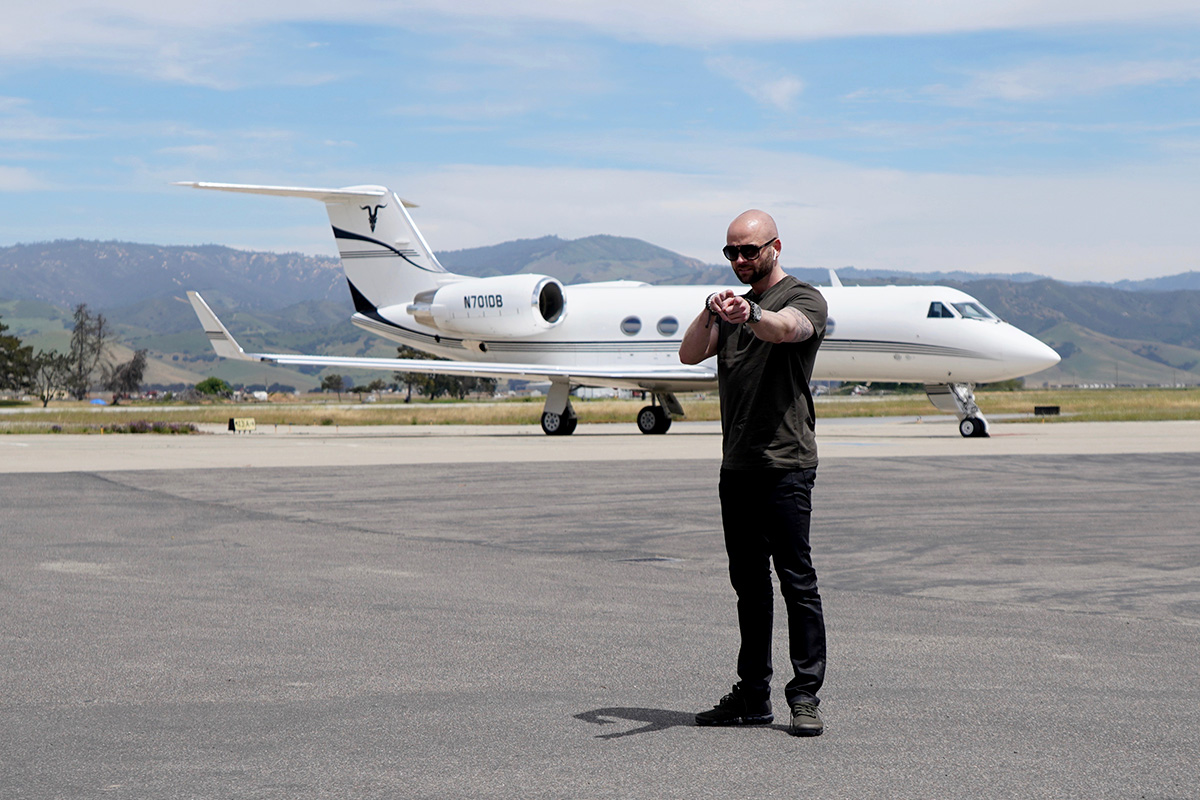
To create Morgan’s own personal game-day book of business moves, he relates taking a lot of pages from other industries playbooks and “globbing them into a hot soupy mess” and navigating his way through to make sure he avoids all the common pitfalls or as many as he can.
Morgan quickly expanded the business to include more properties and turning over a million dollars a month in sales. It wasn’t long until his success attracted the eye of an investor who within hours of meeting Morgan wanted him to immediately fly on the company jet to meet his boss in south Florida. It didn’t take long for Morgan to meet and get a feel for the family company and know that he’d be a better fit working for them — but that was only after a “grueling six-hour interview process where they hammered me with questions and it felt like an interrogation,” says Morgan.
“In their defense, they should be asking as many questions as they want. The family office put up an absurd amount of money to build out the cannabis company and gave me a huge injection of capital to scale to sizeable proportions.”
But things didn’t go as smoothly as expected for Morgan when Bloom’s investors couldn’t come to terms with the family office. In the end, the family office would make an offer to start a new company leaving Morgan to walk away and completely divest himself from Bloom. In March of 2014, Tryke and Reef dispensaries were born.
To get started, Morgan created his temporary corporate headquarters in Tempe, Arizona, hired his executive team, and after receiving a license in the state he quickly set up three dispensaries in the somewhat remote Queen Creek. Morgan knew he had to attract the younger generation of trendsetters, the 21 to 30-year-old segment who he describes as the “cool kids who want to a part of this movement.” So he made it the “cool place to be” and brought in Wiz Khalifa, Berner of Cookie’s fame, and the Jungle Boys. Soon enough Reef dispensaries had 500 people a day driving 30-60 minutes out to the sticks because Reed wasn’t just a dispensary, it was a destination.
With a proven track record in Arizona, Morgan broke into Nevada and was awarded all of the eight applications submitted. “We won the most licenses in the state of Nevada, built our flagship store next to the Strip, built the 24/7-hour dispensary in North Vegas, popped up two more dispensaries in the Reno area and popped up one more flagship in Arizona with a large cultivation.”
Preparing for Nevada’s first day of legalization on July 1st, 207, found Morgan buying as much weed as humanly possible. “I was gobbling up product left and right in preparation because I knew that consumption would be a five to seven multiplier on what it currently was — and no one believed me,” Morgan says incredulously. “They thought we’d be lucky if we got a two multiplier, but all I could think was ‘You guys are nuts!’ and I was actually right. I ended up stocking several thousand pounds of cannabis in anticipation for rec sales.”
To say the first day of Nevada’s legalization was a pivotal moment for Morgan would be as big an understatement as saying the Apple iPhone didn’t change the course of telecommunications. Standing on top of a building the size of two and a half football fields at 11:30 pm the evening that Nevada went rec, Morgan was scratching his head wondering just how he got there, “There were all these news outlets trying to interview me and so many cameras in my face. Looking around I wondered ‘how in the hell did I get 1200 people to stand in a line at midnight to buy weed?’” says Morgan.
“This massive line wrapped all the way around the building. This was a wow moment.”
Everything that Morgan had worked for over the past two and a half years in Nevada was culminating in that very moment. The fruit of all his labor was paying off and as he watched the fireworks go off at the stroke of midnight, Morgan knew that what he had accomplished was next level.
By the time that Morgan was exiting Reef, the company that he had built was running at over $100 million revenue run rate on an annual basis. It was common while he was there to hear comments about the strength of the culture instilled within the company — which Morgan equates back to his chief human resource officer’s core values and company culture.
“When I left Reef, we had 430 employees and every single one of them had a very similar culture and core values,” said Morgan. “You’d have a contractor, for example, come in and you’d ask someone for a broom and four people would be running as fast as they could to get a broom. I think that’s partly because they saw the CEO taking out his own trash, or I’d be picking up garbage all the time in the parking lot. I just don’t care. I’m not above any job, you know what I mean.”
No matter what size of the job, or even what job needs to be done — Morgan is not afraid to roll up his sleeves, dig in, and get dirty. That must’ve been what led Dan Bilzerian to come calling on Morgan. “Bilzerian’s been a good buddy for a long time and he approached me to help him build out a cannabis brand, be a brand ambassador and one of his advisors. We recently launched his new brand Ignite, and I’ve been intimately involved with helping him get that started as well,” says Morgan.
“Business is like a full-contact sport,” says Morgan. When it comes to big money, all bets are off, and it brings me back to survival of the fittest. You’ve got to do whatever it takes to be successful… and always go to bed being the hardest working guy that day.”





Aficionados
Jason Pinsky: Decoding the Pinsky Triangle
Jason Pinsky, the chief cannabis evangelist at Eaze and cannabis producer for Viceland’s “Bong Appétit,” explain the mysticism of the Pinsky Triangle.
Aficionados
Toke Talk: 5 Minutes with Cannabis PR Guru Corey Herscu
Cannabis PR Guru Corey Herscu and his company RNMKR were creating a narrative when recreational cannabis was illegal in Canada.
Aficionados
Ophelia Chong: Why We Should All Grow Cannabis at Home
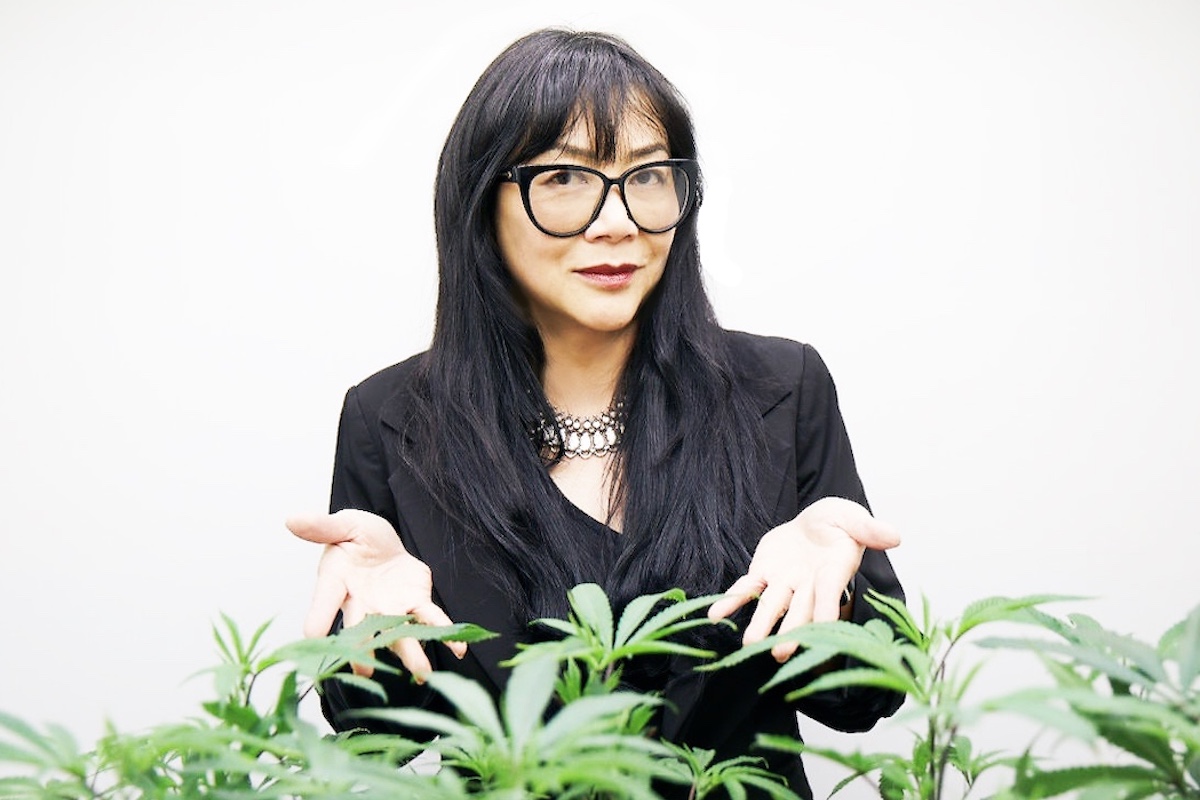
In the space of a few short years, Ophelia Chong has become an indomitable force in cannabis. The founder of Asian Americans for Cannabis Education came into the cannabis industry through family illness and quickly realized there was much work to be done around changing the stigma of cannabis and its users.
Chong posses a stunning amount of poise and grace adorn her razor-sharp eye and wit. These characteristics have led her through an illustrious career in design advertising and imagery for top-level clients.
She is one of those advocates pushing for all of us to grow cannabis at home — and she leads with her actions. So when you read her words, know that it is preceded with plenty of action.
Cannabis Aficionado: Tell us, who is Ophelia Chong?
Ophelia Chong: Let’s start with the physical. I was born in Toronto, Canada. I became an American citizen in 2000 which I’m very thankful for. Considering our political climate right now, I might not have been able to get in and it would be a harder road today to becoming a citizen. I came down here and graduated back in ‘89 from the Art Center College of Design.
I went into photography to support myself and was hired by David Carson at Ray Gun. I shot for them for about three years. I followed him after he left Ray Gun and worked for about a year for his clients. Because I was in that business of shooting bands and art I was hired by many other labels as well and eventually came up on the radar of some film companies.
One in specific was Strand Releasing, and they are a niche. It was right around the time of Sex, Lies and Videotape… Sundance just started bursting out. I was involved with that because the company I was at acquired a lot of films for Sundance, Toronto Film Festival, Berlin and New York, Outfest, that were in our niche. We were always on the fringe. Plus, a lot of LBGTQ.
What was the majority of the work you were doing at this time?
I was a creative director, so marketing films, designing and we were a very small company, so everyone did a lot — but we did a lot. We either released on DVD or video and also theatrical, probably about 50 films a year. Because of that, I joined Slamdance film festival, which runs congruent with Sundance, for 10 years as their creative director. Releasing and directing their film festivals and all that. Chris Nolan had his first film with us at Slamdance.
Then let’s fast-forward to Jennifer Aniston where I got snagged from a film company to design her website, which no longer exists. And I’m not going to say the URL because if you go there, it’s all porn. Someone snagged that all of her real quick. Then from there to publishing; I designed monographs for about 10 books over four years. So, a large monograph. Then I went to magazine design and a lot of illustration as well. Book covers, for Simon & Schuster and I am featured in about 10 books with my illustration work. A lot of work by hand and letterpress. I’ve had many gallery shows, my work is at Saatchi and Saatchi in letterpress. Everything I do, I love it, it just seems to get out there.
What was the catalyst for your transition into cannabis?
I discovered cannabis in 2015 so I’m a very late comer. I’m not an OG. I’m not one of those people that are out there with Dennis Peron. I’m not going lay claim to that.
I got involved in it for personal reasons. My sister is very ill, she started to use cannabis to relieve some of her issues. She is still on it she is on CBD. And that’s why I came into weed, so we can fast forward to all of this.
So, you didn’t really have interactions with cannabis younger in your life as a designer and an artist?
No, because on March 18 I just celebrated 14 years being sober. That’s sobriety from alcohol. Because of that, in those 14 years, I had to abstain from everything. Because if you are in AA, you can’t say well I can do this, but I can’t do that.
In the last five years, I had to really make the decision to be in this industry. If I’m going to be consuming this, what do I do? So, I made a plan for myself; “OK, so you can start by trying an edible. Then you can only have it at night after your work.”
I have to set up these boundaries for myself. And I still adhere to it now. I only will have one joint at night after I finish working. Usually after eight or nine and if I need to, I’ll take an edible to go to sleep. Because I know my own habits and how I operate and if I don’t control it in that way, it can get out of hand.
What is it about edibles that you like?
It’s going back into working with how your brain works. An edible is not food, but it can be considered food because you’re chewing and tasting. So, I went that way at first. It took me about six months after I was in cannabis to actually smoke a joint. Because there was an inherent fear of falling off the wagon. That was my biggest issue because I had worked so hard to stay sober, so I really needed to work a way that I can smoke and still manage my obsessive compulsiveness. Because alcohol is that. It’s about drinking so much or telling yourself you’re not an alcoholic because you don’t drink on weekdays but you do get flipped on weekends. But that still an alcoholic, it’s the mindset that you use to justify something. I needed to work my way through all that.
So now I really do enjoy smoking and ingesting an edible or a tincture. But in public, if I am driving, I will not smoke because I know the effects of driving under the influence of alcohol. With cannabis, I know how it affects me, I get very tired, basically, it helps me sleep, so I know I can’t do that when I’m driving.
I don’t need to show someone I am in the business by smoking in front of them. They need to understand my reasons why I can’t. I do believe though if you are in this industry, you do need to smoke. I’m not going to hold it against you if you’re not smoking it right there in then. I’m not going to use it as a litmus test like that. Hopefully, people don’t use that on me when I say, “Hey, I would love to, but I just can’t right now.”
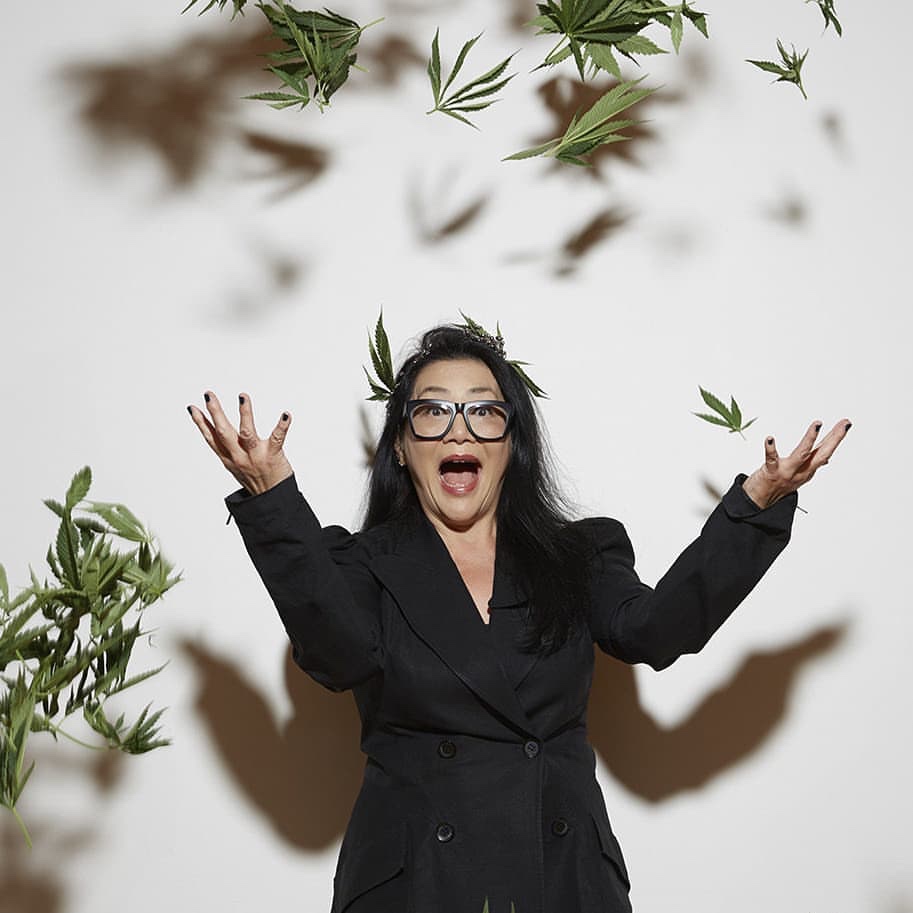
PHOTO | Josh Fogel
Could you speak a little bit more to what you’ve noticed about the ability to use cannabis and have it not affect your alcoholism? What is that discovery like?
Part of alcoholism is the need to disentangle yourself from reality. I use cannabis to fall asleep. I’m not using it to leave where I am right now to a different reality, right? I’m not doing it to get that high. I’m getting high so I can fall asleep. That is the difference.
With alcohol, I was using it to just get out of my own head because of the pressure I was under. I was at the end when I stopped drinking. I was with a company that was very high pressure and also the people I worked with were alcoholics and previous cocaine addicts. I was in this environment with people who had no filters and no boundaries. Being a people pleaser, I would drink along with them and at one point I just couldn’t do it anymore. I looked at my behaviors and I realized I just had to stop.
With cannabis, when I’m around people that are high it’s different because it is a different type of behavior. As you know a drunk is way different than someone who is stoned. What I’m getting at is for my use I see it differently. I see my use with cannabis as a way to relax and fall asleep not to black out and leave reality. When I’m high, I am still in reality, I am still experiencing everything as it is, and I am able to experience it on a level that alcohol wouldn’t let me.
There must have been some trepidation the first time you use cannabis having been an alcoholic?
A little. By the time I did try I had done enough research because I was also creating Stockpot at the same time. I did a huge dive into what cannabis is, the history. I bought a lot of books. I did a lot of research online plus I did a lot of cold calling and ask people “Can you help me?”
It seems like you took your first cannabis consumption on as a design project, doing all the research before you even took one step?
I wanted to know what it was and get past the propaganda. The reason I started Stockpot was to get away from how we viewed cannabis consumers. Because my sister was a consumer, I looked at her and I thought “Man, she’s a stoner” but then again, after I thought that in my head, here I am, a person of color stereotyping my sister, who is ill and about 80 pounds and calling her something that was derogatory in my head. That is the moment I created Stockpot to change my perception of who my sister is… basically that was it. Because how can I do this to her and then I realize it’s because this is the image that I have been fed? So then going into it, if I were going to sell this, then I needed to know what it was.
I did all the research and considered my habits and dipped my toe in. Then I did the foot and then the whole body. Then my whole bucket list. Now also I have images of psilocybin. So now I’ve been microdosing mushrooms because I need to know the effects. If I’m going to sell these images I need to be able to talk about it authentically. Plus, I’m going to be growing them too.
Speaking of growing, you’re vocal about people growing their own plants?
When I first started Stockpot I went to see a woman up in San Luis Obispo. I call her a white witch, she has an amazing house that almost looks like Goldilocks. Or Hansel and Gretel. But she doesn’t make kids into cookies, she makes weed into cookies. She opened up this mason jar and she said “Open up your hand,” she gave me a few seeds. “They are not feminized and what you were going to do is you are going to go home and you’re going to grow this. This is the only way you’re going to know what this is.”
That first year I grew 23 plants. Probably only had three males. I brought them all the way up to harvest, cured, trimmed. I did everything so I knew this whole friggin plant. I even would call people and say “Can you bring over your magnifying glass to see if she’s ready to harvest yet.” He would say “Ophelia, look at the resin, look at the color look at the trichomes, this is when it’s ready.”
After that I didn’t do that many, I do about ten now because that’s what I can manage. But it was growing a plant all the way from seed to smoking it that made me appreciate what it is. Also learn every part of it, because if I’m going to sell this I need to know everything about it. Convincingly right? So that’s the story of that part of where I am now to destigmatizing my sister to growing the plant plus opening up Stockpot.
How are you getting the message out?
I made three posts on Facebook. First one was if you were going to be in this industry you should be growing a plant. A plant, right? I got a lot of blowback from that. The second one was you should at least smoke it. I got some blowback from that. And the third one after getting a lot of feedback I posted well you don’t have to smoke it or grow you just have to have a really great marketing plan which was capitulation. First I poke the bear but then the whole leg goes up his ass.
It was interesting reading the comments such as “I can’t grow but I still love the plant” and “I live in an apartment and I can’t grow,” which is fine. Or “I can’t grow because I don’t want to get arrested because I have kids.” But when I see these comments I’m kind of thinking well the people who grew had all the same reasons. They have been growing since before Prop 215 and I’ll have the same reasons. But they did it anyway to get you here, to where you are now.
It was slightly ironic in that point where I can’t do this because I have these excuses yet they are trying to build a business off the people who had all the same excuses but went ahead.
One guy even asked me who is Dennis Peron and Prop 215? And he claims to have been growing since fleeing to Colorado so that his kid, who unfortunately did pass away, could get hemp oil right. He asked me who is Dennis and why are you saying LBGTQ is behind this? Then I realized we are even in worse trouble than I thought.
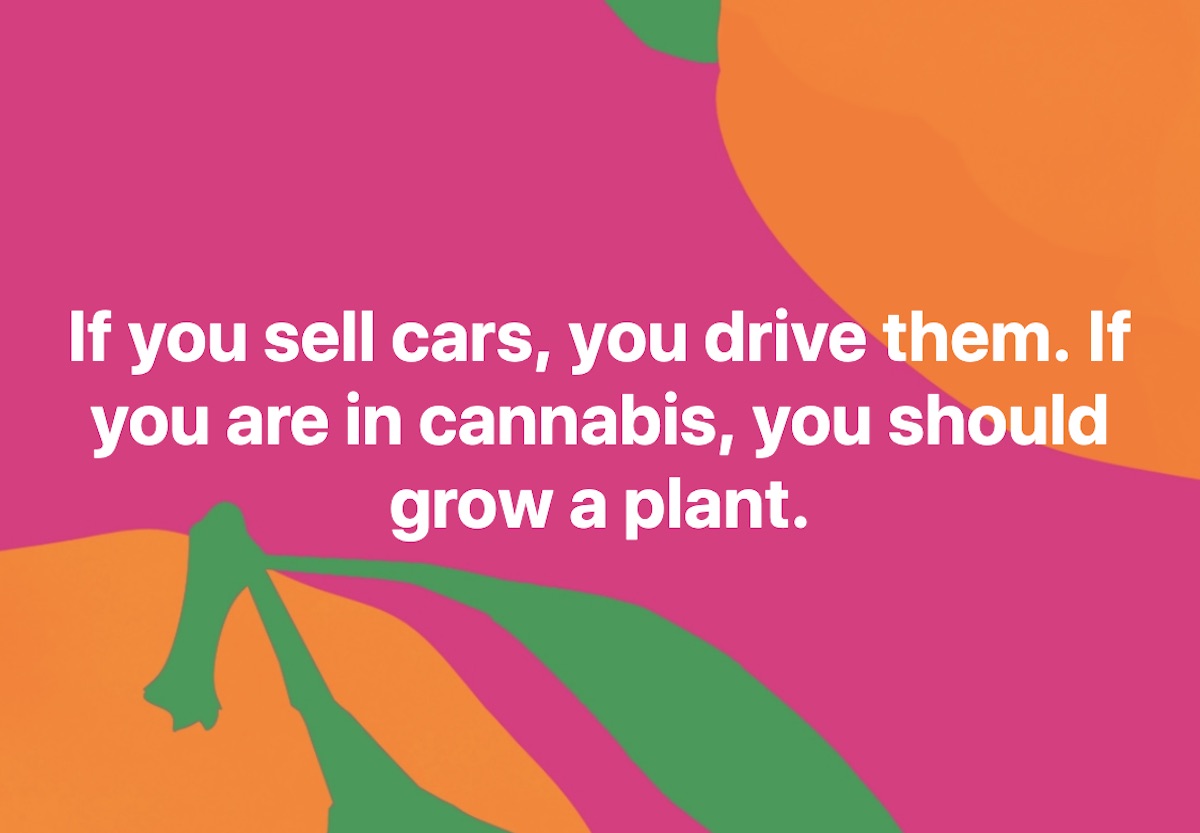
One of Chong’s infamous Facebook posts.
There is a serious lack of education about the history and the heritage upon which this whole thing is built.
Exactly. And probably those three posts brought out a lot of that. The fact is, if you have great marketing then you can get away with it. There are CEOs of cannabis companies who don’t smoke or have never touched a plant. I just really believe if you were going to be a fervent advocate of cannabis at least know the stages of the plant or just learn what it is.
I’m not expecting someone who wants to take pills to go and make Tylenol from scratch, that’s unreasonable. They are not scientists. But to grow something is human. That is how we feed ourselves. It’s from day one of the human race that we had to grow to eat. The fact that you can’t or you don’t want to grow something that you are involved in really speaks to me about why are you here. Because humankind grew to eat right? And to feed their animals, that they then ate as well, or they got milk from. So, it is natural for us to grow something because we have to feed ourselves.
But now we are in this consumer society where you could just go to the store and get some nice package in a nice styrofoam dish with some plastic wrapper that’s containing an animal that’s been slaughtered that you never came in contact with. It’s just a piece of them. Or a bag of carrots, we have no connection anymore to our agrarian roots.
Also, I’m really observant. I was a very shy kid growing up, so I would just sit in the back of the class and just watch everybody and everything. I learn how to be very observant and also watch body language and be that. Now just observing the people in our industry — and again, I’ve only been in it for five years — is very interesting. It is divided into certain groups. And those memes I create talk about those groups. I try not to be too mean. What I do see is the ones that come in for monetary reasons. And then the group that has been in it for at least ten years that are seeing this new group come in and making money, or at least trying to make money. And then you see the group that was 20 or 30 years ago basically working on and living on handouts. Or no one knows their name.
The group now that is making the 18 karat gold vapes get all the media play because they are shiny, they are new, they are young, they are fun. But there are people that have been in it for a long time, like Pebbles Trippet right? She’s not young, she’s not blonde, she doesn’t post the side boob on Instagram. I would say not a lot of people know who she is, but they should. She is one of the few reasons why they able to sell 18 karat gold vapes.
What really ticks me off is that they don’t have any respect for this or where it came from. Of course, I’m involved with some of those people but I’m always taken back when they don’t at least acknowledge where it came from. Especially looking at many of the comment online from people in the industry saying who is Dennis Peron and what is Prop 215? I had to basically send the guy a Wikipedia link to it and say this is the group that made the way for your CBD company. Have some respect for it. Because it didn’t begin with you. So that’s a big issue. Respecting the elders, because they are almost gone.
You are asking the cannabis world to learn how to use design thinking in their process. And the first thing you do in design thinking is you understand history and do research.
Exactly. So well put. We need design thinking in our industry. And I’m not talking about great looking packaging. I am talking about the design thinking of fundamental empathy for the customer and the product. Did you do your research? Did you do your homework? Did you get in and dig in the dirt? Did you throw down and pay tribute and understand whose shoulders you’re standing on, and then, start standing? It’s fine to stand on the shoulders of giants as long as you know and respect who those giants are.
There’s a great designer that I respect whose name is Mau. He put out a book called Massive Change. There is a great quote in there which I feel really reflects cannabis is this one. “Most of the time we live our lives within these invisible systems, blissfully unaware of the artificial life of the intensely designed infrastructures that support them.”
So, for me, this is about cannabis. These people that are coming in now are blissfully and intentionally unaware of what built it, and what supports them. That ignorance, this is what happens when the ignorance hits. When they see that it’s invisible, that’s when their businesses are going to fail.
-
 Cannabis6 days ago
Seed Junky’s Trulieve Deal Opens a New Chapter in Pennsylvania
-
 Cannabis6 days ago
Cronos Completes CanAdelaar Deal in the Dutch Cannabis Pilot
-
 Cannabis6 days ago
Tilray Brings Cannabis Quality Testing In-House in Portugal
-

 Cannabis6 days ago
SNDL Expands Its Indirect Stake in Parallel
-

 Cannabis5 days ago
New Jersey Hemp Drink Extension and Retail Penalties Advance
-

 Cannabis6 days ago
UMass Poll Finds Majority Opposed to Massachusetts Cannabis Repeal
-
 Products6 days ago
Dank Pack Makes Its Alberta Debut With Blueberry BBL
-

 Cannabis5 days ago
New York Opens Cannabis Nursery Applications November 5