The judge overseeing the broader federal cannabis rescheduling proceeding has rejected a request to reopen the hearing for new testimony, while allowing another round of written arguments. The October 22 order keeps the dispute over a recent government oversight report inside the existing administrative case.
That is a procedural development, rather than a final answer about cannabis scheduling. For readers following the long-running debate, the useful change is a defined set of briefing deadlines and a narrower account of what the parties can argue next.
A closed hearing and an open written record
Chief Administrative Law Judge Derek C. Julius issued the five-page order after opposing parties sought to add a Government Accountability Office report and pursue further discovery and testimony. The hearing on the merits had run from June 29 through July 15.
The judge admitted the report and permitted limited written briefs. Initial submissions are due October 29, with replies due November 5. The order says the matter remains stayed until the briefing period closes, with the stay expiring under that schedule.
Those dates are filing deadlines. They are not promised dates for a final federal rule, a change at a dispensary or a particular outcome. Treating a procedural calendar as an implementation calendar can make an already complicated process harder to follow.
Reporting by Tony Lange at Cannabis Business Times highlighted the split result: additional legal argument is allowed, but the requested reopening of the hearing is not.
What the government oversight report examined
The GAO report, released September 23, examined federal drug-scheduling procedures across substances. Its concerns included incomplete written policies identifying responsibilities and evaluation procedures, plus an outdated agreement governing consultation between agencies.
GAO recommended improvements by DEA, FDA and NIH, and reported that the agencies agreed with its recommendations. It also found that, among the reviewed substances for which final rules had been published and HHS recommendations were required, DEA’s decisions aligned with those recommendations.
That combination matters. A call for better procedural documentation is not the same thing as a finding that every underlying scientific assessment is wrong. Nor does historical agreement prove that a particular future recommendation must prevail. The report and the cannabis case ask related but distinct questions.
For a reader, the safest comparison is to keep the subject of each document visible: the oversight report evaluates agency processes; the administrative proceeding considers a specific proposed scheduling action.
Admission does not decide persuasive weight
Putting a document in the record makes it available for consideration. It does not dictate how persuasive the judge must find it. The remaining argument concerns whether the oversight findings meaningfully affect this particular proceeding.
That distinction explains why the two parts of the ruling can coexist. A tribunal can accept a document without agreeing that it justifies repeating a hearing. It can also invite argument about significance without accepting the outcome any participant prefers.
The question for the next filings is therefore more specific than whether someone supports or opposes cannabis reform. Watch whether an argument connects an identified procedural concern to the actual record and decision before the judge, rather than simply repeating a broader position about the plant.
The broader case is separate from April’s narrower action
Federal cannabis developments this year have not all covered the same products. In its April announcement, the Justice Department described placing FDA-approved marijuana products and products regulated by qualifying state medical marijuana licenses in Schedule III, while initiating a hearing process on broader rescheduling.
Conflating those actions can produce misleading headlines in either direction. The October procedural order does not announce that every cannabis product has moved into a new schedule. It also should not be read as erasing the separately announced medical action.
State licensing remains another distinct layer. Our coverage of Kentucky’s expanding medical cannabis retail network concerns access under a state program, rather than a ruling in this federal case. A development in one system does not automatically explain every requirement in the other.
What to watch after the filings
The immediate milestones are the October 29 briefs and November 5 replies. The next meaningful update will be what the tribunal does with the completed record, rather than speculation that a deadline guarantees a particular result.
For consumers, patients and businesses, the order offers a clearer procedural map. It closes one requested route back into testimony while leaving a defined opportunity for written argument. The ultimate scheduling decision remains a separate step, and its timing should be reported when there is an authoritative action to report.
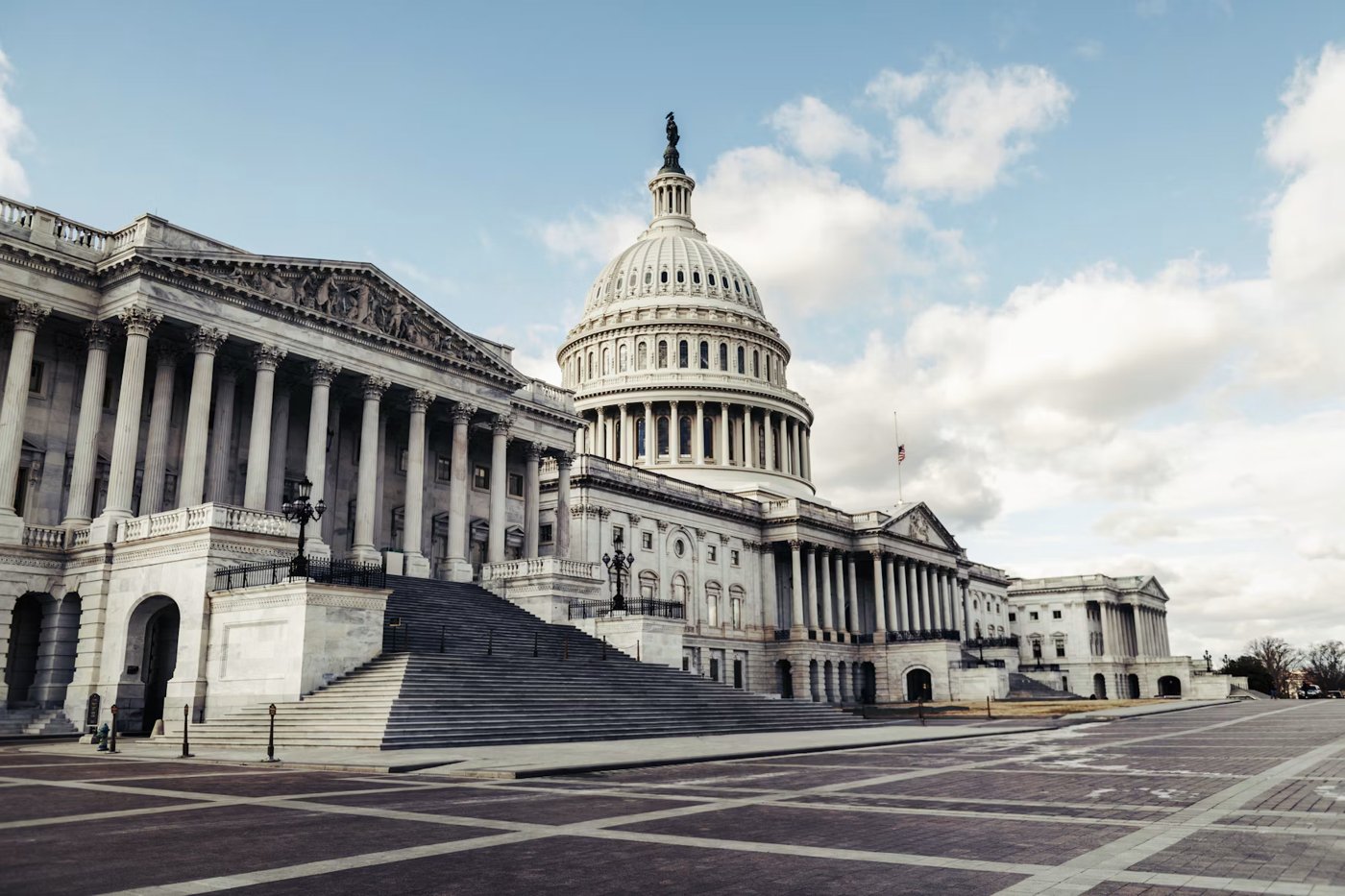
The U.S. Capitol in Washington, D.C. Illustrative federal-policy stock photograph; the DEA administrative hearing is a separate proceeding. Photo: Tim Mossholder / Unsplash.




 Cannabis4 days ago

 Cannabis4 days ago


 Cannabis3 days ago

 Cannabis3 days ago

 Products3 days ago

 Cannabis2 days ago

 Cannabis2 days ago