#cannabisaficionado

Cannabis

Bountiful Farms Reports 43% Retail Revenue Growth as Two Stores Turn One

Bountiful Farms says its Rowley and Framingham stores grew combined net revenue 43% quarter over quarter. The comparison period and wider market provide context.

Published

on

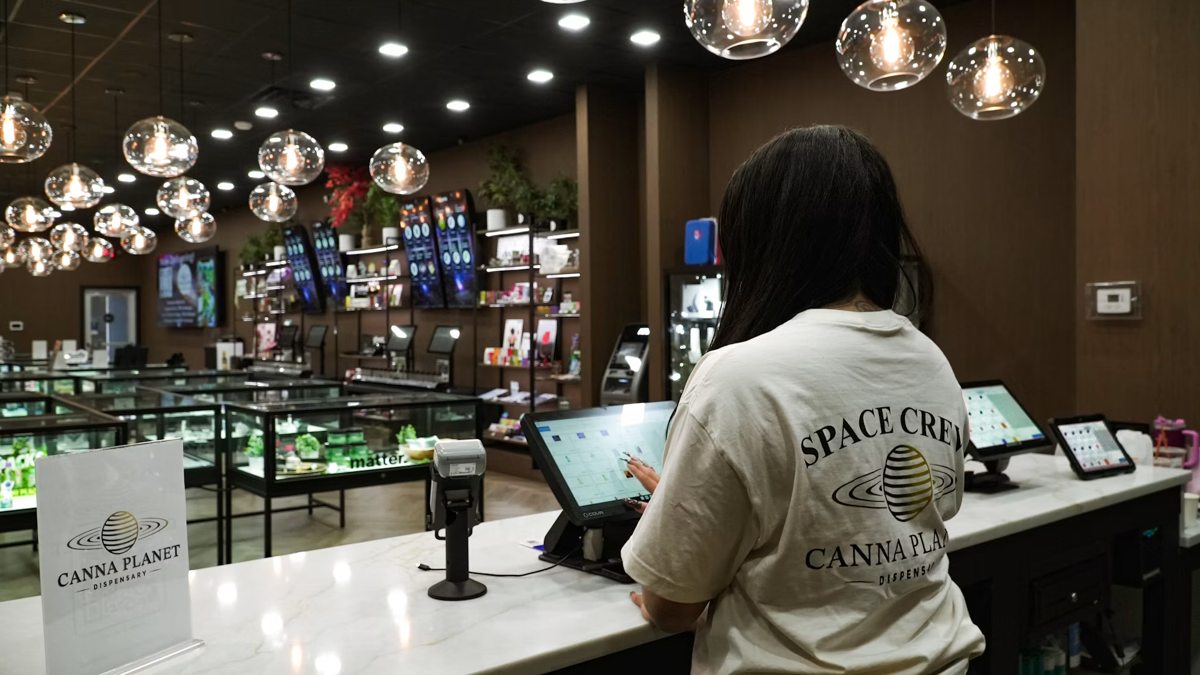
Person using a tablet at a cannabis dispensary counter
Advertisement Back2Grow Advertisement

Bountiful Farms is marking the first anniversaries of two Massachusetts dispensaries with a strong quarterly growth claim. The independent cultivator and retailer says combined net revenue at its Rowley and Framingham stores rose 43% in the third quarter of 2026 compared with the previous quarter.

In its October 22 announcement, the company also reported a 36% increase in customers and patients across the two locations and said September produced record sales. Those are company-reported results, not independently audited figures presented by Cannabis Aficionado.

The timing is important. The stores opened in fall 2025, but the 43% figure compares consecutive quarters in 2026. It does not mean revenue increased 43% from the same quarter a year earlier, and it does not describe the growth rate of the entire Massachusetts cannabis industry.

Two measures of growth, with different meanings

Revenue and customer activity can move together without answering exactly the same question. Higher revenue can reflect more visits, different spending per visit, a changing product mix or several factors at once. The announcement’s customer-and-patient figure provides another signal, but the release does not supply the underlying transaction data needed to isolate each contribution.

It also does not disclose absolute revenue totals, store-level results or profit. A percentage increase from one base cannot be compared responsibly with another company’s increase unless the periods and definitions match. Net revenue at two stores is also a different measure from statewide gross sales.

For shoppers, the practical interest is less about declaring a winner in a growth contest and more about the kind of business taking shape: a Massachusetts cultivator developing its own retail presence while continuing to build product lines. The reported numbers describe momentum at these locations; they do not establish that every part of the operation is expanding at the same rate.

A large statewide market is the backdrop

The Massachusetts Cannabis Control Commission reported in September that adult-use retailers had crossed $10 billion in cumulative gross sales on September 5. Its release put adult-use sales through the end of August at approximately $1.09 billion for 2026 and described June’s $156 million as a monthly record.

Those dated figures help establish the scale of the market in which Bountiful operates. They are not a current October total, and they do not validate an individual retailer’s quarterly results. A large statewide market can contain businesses with very different costs, customer bases and financial experiences.

The commission’s sales and product-distribution dashboard also explains that its figures are self-reported and adjusted for voided transactions. The datasets are not the state’s tax earnings. Reading a cannabis sales story carefully means keeping retail receipts, company revenue, profitability and government tax revenue in separate columns.

Product identity offers another part of the story

Bountiful’s recent product activity provides context beyond the store anniversaries. In an August 21 announcement, the company introduced Blends, a six-product live hash rosin line with names tied to Massachusetts places and culture. That earlier launch is background to this week’s retail update, rather than a new October release.

A locally rooted product identity gives an independent business something more specific to discuss than the fact that it sells cannabis. Whether that identity drives repeat purchases is a separate question requiring customer and sales evidence. The existence of a product launch should not be mistaken for proof of why quarterly revenue changed.

Product descriptions and claimed awards remain the company’s statements; this report includes no firsthand tasting, extraction assessment or consumer comparison. Related reading: the UMass poll on Massachusetts’ cannabis repeal proposal.

The medical and adult-use distinction matters

Bountiful describes Framingham as serving medical patients and adult-use customers, while Rowley is an adult-use location. Massachusetts treats those purchases differently for tax purposes. The commission’s dashboard lists the state sales and excise taxes on adult-use cannabis, with an additional local option, while qualifying medical purchases are not taxed when the required identification is presented.

That is another reason a combined customer-and-patient growth number deserves context. It does not reveal how purchases were divided between those groups or what each group spent. For readers comparing their own purchases with a business headline, an advertised basket and a final out-of-pocket total may also answer different questions.

What the next update could clarify

A useful follow-up would put the growth figures alongside comparable periods, absolute revenue and clearer definitions of customer activity. That would help distinguish a young store building awareness from a sustained change in its operating performance.

For now, the claim is specific and worth keeping specific: two Bountiful Farms stores reported higher combined net revenue and customer-and-patient activity in the third quarter than in the second. It is a business update within a large, established state market, not evidence that every retailer shares the same trajectory. The next set of comparable results will tell readers more than an anniversary headline can.

Illustrative stock retail photograph; not a Bountiful Farms location or customer. Photo: Cova Software / Unsplash.

Cannabis

Fine Fettle’s North Haven Opening Adds a New Stop for Connecticut Shoppers

Fine Fettle announced an October 23 opening in North Haven, with a separate celebration October 30. Here is the retail, ownership and consumer context.

Published

on

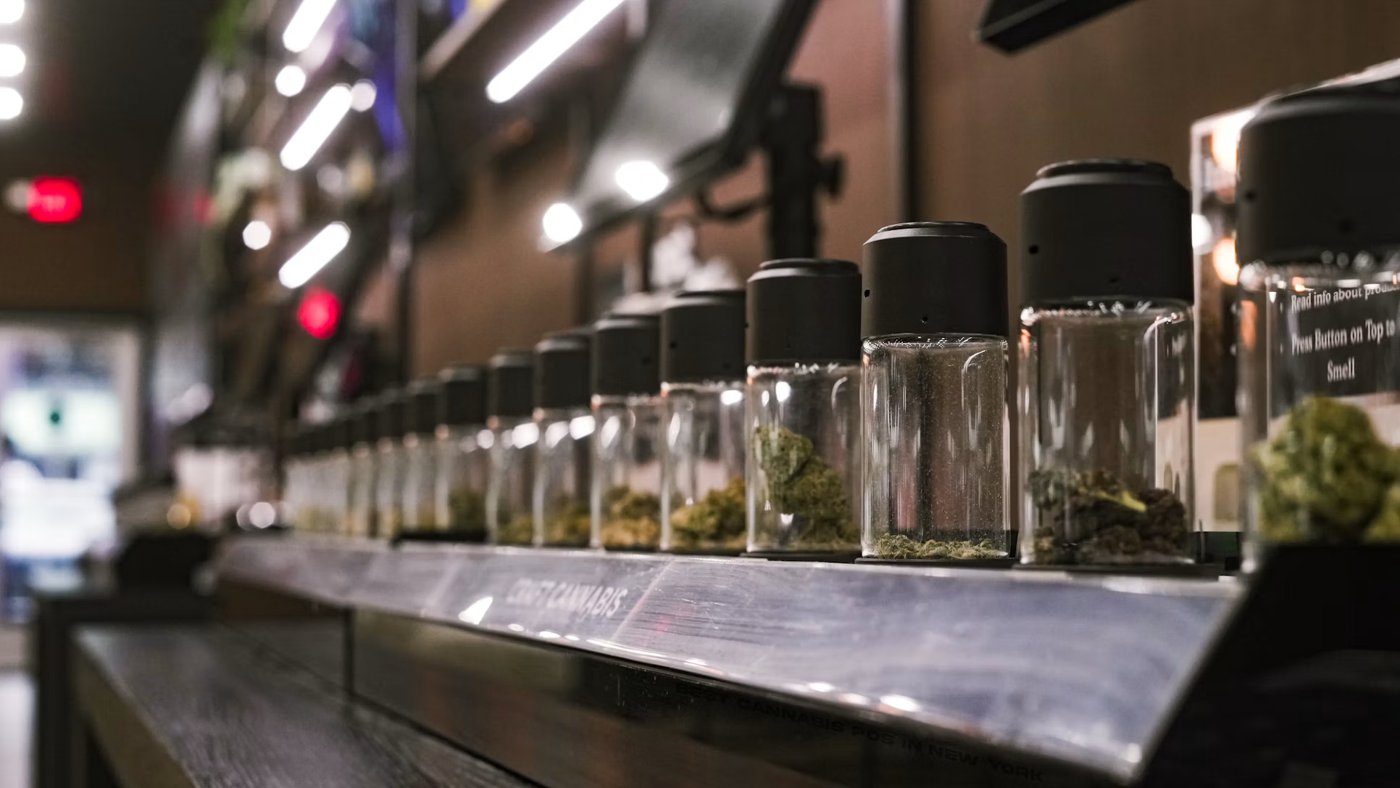
Glass display jars containing cannabis flower in a retail setting

Fine Fettle has announced an October 23 opening for its North Haven dispensary, adding another adult-use shopping option in Connecticut’s New Haven County. The new location at 104 Washington Avenue is the company’s tenth retail store in the state, according to its October 22 announcement.

There are two dates to keep separate. The company set the start of business for October 23 at 9 a.m.; its ribbon-cutting celebration is planned for October 30 at 11 a.m. A shopper looking for the opening-day event could otherwise arrive a week earlier than intended.

A new address within a larger Connecticut footprint

The company announcement, also published by Cannabis Business Times, describes the site as an adult-use recreational dispensary. Listed hours are 9 a.m. to 9 p.m. Monday through Saturday and 10 a.m. to 6 p.m. Sunday. The October 30 program is expected to include vendor appearances and merchandise giveaways.

Those details establish what the operator has announced, rather than an independent review of the store. Cannabis Aficionado has not visited, assessed the selection or tested products sold there. Readers can use the North Haven location page to check current store information before making a trip.

For a customer, an additional location can change the practical shopping calculation: travel time, opening hours and the ability to ask questions in person. It does not automatically establish lower prices or a wider selection. Those are comparisons to make against the actual menu and final checkout total, rather than assume from a company’s expanding store count.

Adult-use retail is a specific designation

Connecticut maintains separate medical and adult-use cannabis programs. Its official program comparison explains that adult-use purchasing is available to adults 21 and older without medical-program registration. Medical purchasing instead involves practitioner certification and registration as a qualifying patient or caregiver.

That distinction matters when reading an opening announcement. A company may operate several types of stores, and a familiar brand name does not establish that every location offers the same medical services. North Haven is described in this announcement as adult-use; patients should verify the particular services and transaction category they need.

The state also distinguishes the tax treatment of the two markets: adult-use purchases carry taxes, while qualifying medical medication is nontaxable. Comparing an advertised retail price with a medical purchase therefore requires attention to what is included. A shelf price and an out-the-door total are different pieces of information.

The state’s comparison currently lists a 6.35 percent sales tax, a 3 percent municipal tax and a 10.75 percent flat cannabis tax for adult-use purchases. Those published rates help explain why customers should compare the final transaction category as well as the product.

None of that makes retail guidance a substitute for medical care. A staff member can explain the products on a menu; individual treatment decisions involve a different relationship and a different set of questions.

What the equity venture description means

Fine Fettle identifies North Haven as its seventh equity joint venture. That is a description of the company’s network, not a claim that the state allows one licensed sponsoring establishment an unlimited number of such partnerships.

Connecticut’s equity joint venture guidance describes a structure involving eligible participants with at least 50 percent ownership and control, in partnership with a licensed operator. Its guidance separately addresses limits on sponsoring establishments and the licensing requirements that ventures must satisfy.

The useful point for readers is that equity is about ownership and control, not simply a name on the storefront or a charitable contribution. Fine Fettle’s release does not provide the North Haven partnership’s complete operating agreement, financing terms or division of day-to-day responsibilities. The announced structure should not be mistaken for an independent assessment of those arrangements.

As the business operates, meaningful questions include whether ownership produces decision-making power and whether the venture can sustain itself. A ribbon cutting records a beginning. It cannot demonstrate the long-term outcomes of a licensing policy.

What shoppers can evaluate after the opening

A new store becomes more informative once there is a record of how it serves its market. Useful comparisons include product availability, transparent pricing and whether staff can explain labels and formats without promising an experience that every customer will share.

Our coverage of Bountiful Farms’ reported retail growth in Massachusetts offers a related reminder: store counts, customer counts and revenue answer different questions. An opening expands a company’s footprint; it does not, by itself, establish market share or customer satisfaction.

For now, the concrete North Haven news is the announced retail start and the separate October 30 celebration. The next chapter is what customers and the community experience after the doors open.

Illustrative dispensary stock photograph; not a Fine Fettle location or its product selection. Photo: Cova Software / Unsplash.

Continue Reading

Cannabis

North Carolina’s Cannabis Debate Turns to Who Would Run the Stores

A discussion draft separates private cannabis production from state-controlled retail. The council’s work remains advisory, with major design choices unresolved.

Published

on

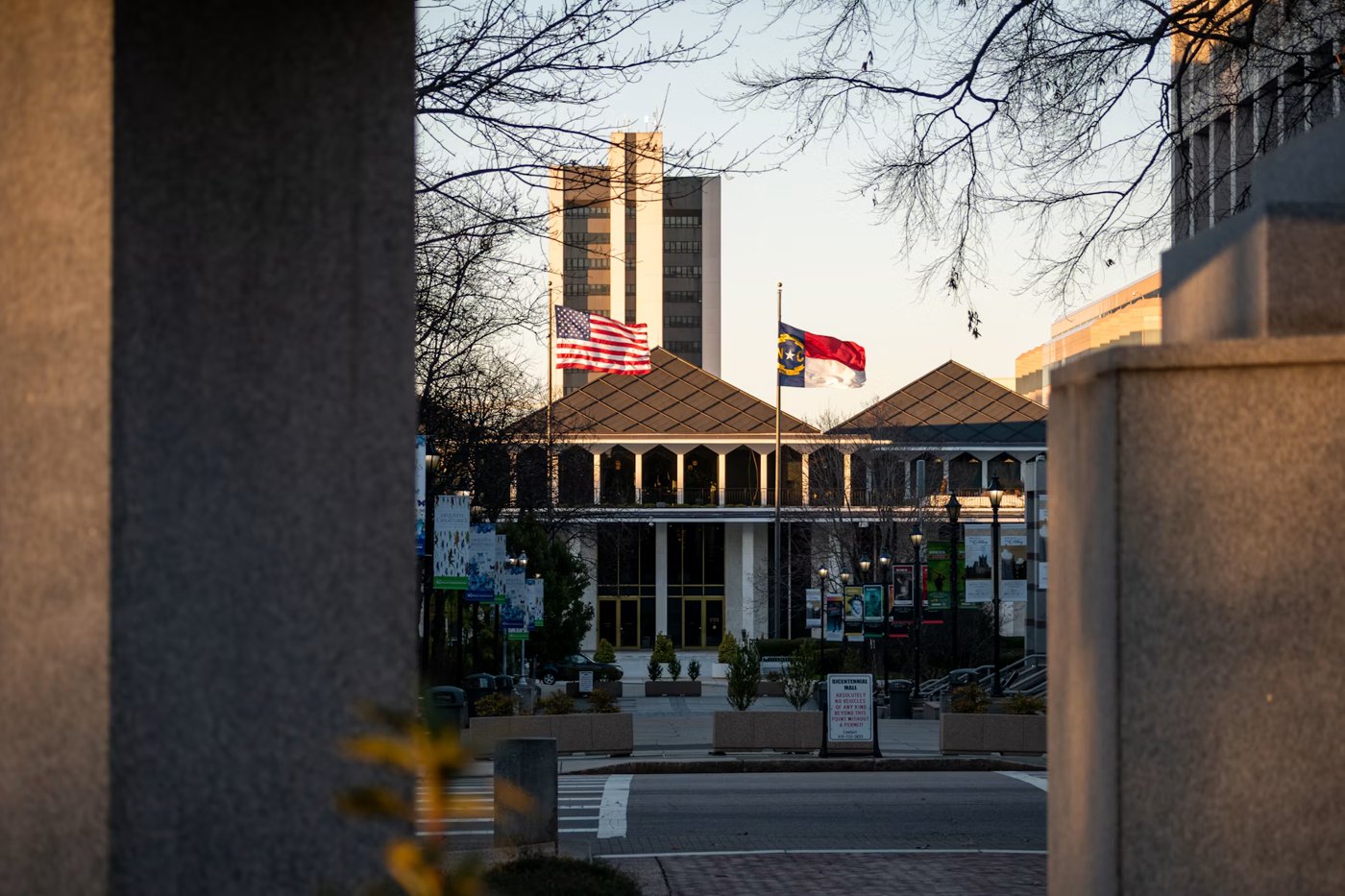
North Carolina Legislative Building in Raleigh with American and state flags

North Carolina’s cannabis policy discussion is moving beyond a yes-or-no argument about legalization to a more practical question: if the state creates a regulated market, who would run it? A licensing discussion draft posted by the governor’s advisory council explores private production paired with state-controlled retail, with a separate pathway for smaller farms.

The distinction is consequential for shoppers and businesses alike. A system can permit adult access while making very different choices about storefront ownership, product distribution and the opportunities available to growers. The document describes options for discussion; it does not create licenses or authorize new stores.

A proposal on the council’s public record

The North Carolina Advisory Council on Cannabis website lists a Market and Regulatory Subcommittee meeting for October 23, alongside further council and subcommittee meetings later in the month. Its materials include a licensing draft associated with the September 18 meeting.

A calendar entry is not a record of a vote. At the time of this review, the posted material establishes the proposal available for discussion, not an adopted October 23 outcome. Readers following the debate should look for subsequent minutes, revised drafts or a final recommendation before treating any option as settled.

Recent reporting by Tony Lange at Cannabis Business Times placed the council’s market-design work within the broader reform debate. The underlying documents are particularly useful because they show how much remains to be decided beneath a general promise of regulation.

Separate the grower, distributor and retailer

The two-page licensing discussion draft outlines three functions: producing, distributing and retailing. Private licensed businesses would cultivate and manufacture, while the retail channel would remain under state control. It draws on North Carolina’s alcohol-control structure and Québec’s cannabis retail approach.

The draft also considers different distribution arrangements, including independent private wholesalers, a state warehouse or a combination. Retail organization has alternatives too: a centralized state system or a decentralized structure involving local boards.

For readers, the important distinction is between controlling the sales channel and operating every part of the supply chain. A government-controlled storefront model need not mean government-grown flower. Likewise, separating production and retail does not settle how products would be selected, priced or made available in different communities.

Those choices deserve separate scrutiny. A retailer’s ownership tells a shopper one thing; the range of producers represented on its shelves tells another. The eventual rules would need to explain how those interests meet.

A craft-farm pathway is part of the discussion

The proposal includes a small-scale craft-farm license alongside standard cultivation and manufacturing categories. It also raises questions about preventing vertical integration and about what forms of common ownership should be prohibited. These remain design questions, not application instructions.

For a smaller grower, a named license category is only a starting point. Practical access would also depend on costs, production allowances and the ability to reach buyers. A future framework could look welcoming on paper while leaving important details unresolved; evaluating it requires reading those details together.

Our reporting on New York’s cannabis nursery application window covers a different part of the same wider issue: rules for supplying the plant can shape a market well before a retail transaction occurs. The two states’ proposals and permissions should not be treated as interchangeable.

Why the council is examining the existing market

The council’s April 2 interim report frames the problem as how to bring an already-existing intoxicating cannabis marketplace under meaningful oversight. It identifies inconsistencies in testing, labeling, packaging and age verification as central concerns.

The report also distinguishes regulation based on the plant’s legal classification from an approach focused on intoxicating cannabinoids. That is a policy argument about consistent oversight, rather than a claim that every product has identical effects or risks.

The report explicitly describes the council as advisory and places authority for changing the state’s framework with the General Assembly. A recommendation, even a detailed one, is therefore a different event from legislation becoming law.

The next documents matter more than predictions

Executive Order No. 16, which established the council in June 2025, calls for final recommendations by December 31, 2026. Its duties extend beyond retail structure to youth protection, public health, impaired driving, justice and administration.

That wider remit is a useful test for the final package. Watch how a proposed sales model connects with product standards, enforcement resources and opportunities for smaller businesses. A credible framework needs those pieces to work together.

North Carolina has a public set of questions about what regulated cannabis could look like. The news to watch next is which answers the council recommends and which, if any, lawmakers turn into enforceable rules.

North Carolina Legislative Building in Raleigh. Archival stock photograph; not a photograph of the advisory council meeting. Photo: Elijah Mears / Unsplash.

Continue Reading

Cannabis

DEA Judge Keeps Cannabis Hearing Closed but Adds a New Briefing Round

An October 22 order admits a GAO report and sets briefing deadlines while rejecting new testimony. It does not resolve the broader rescheduling proposal.

Published

on

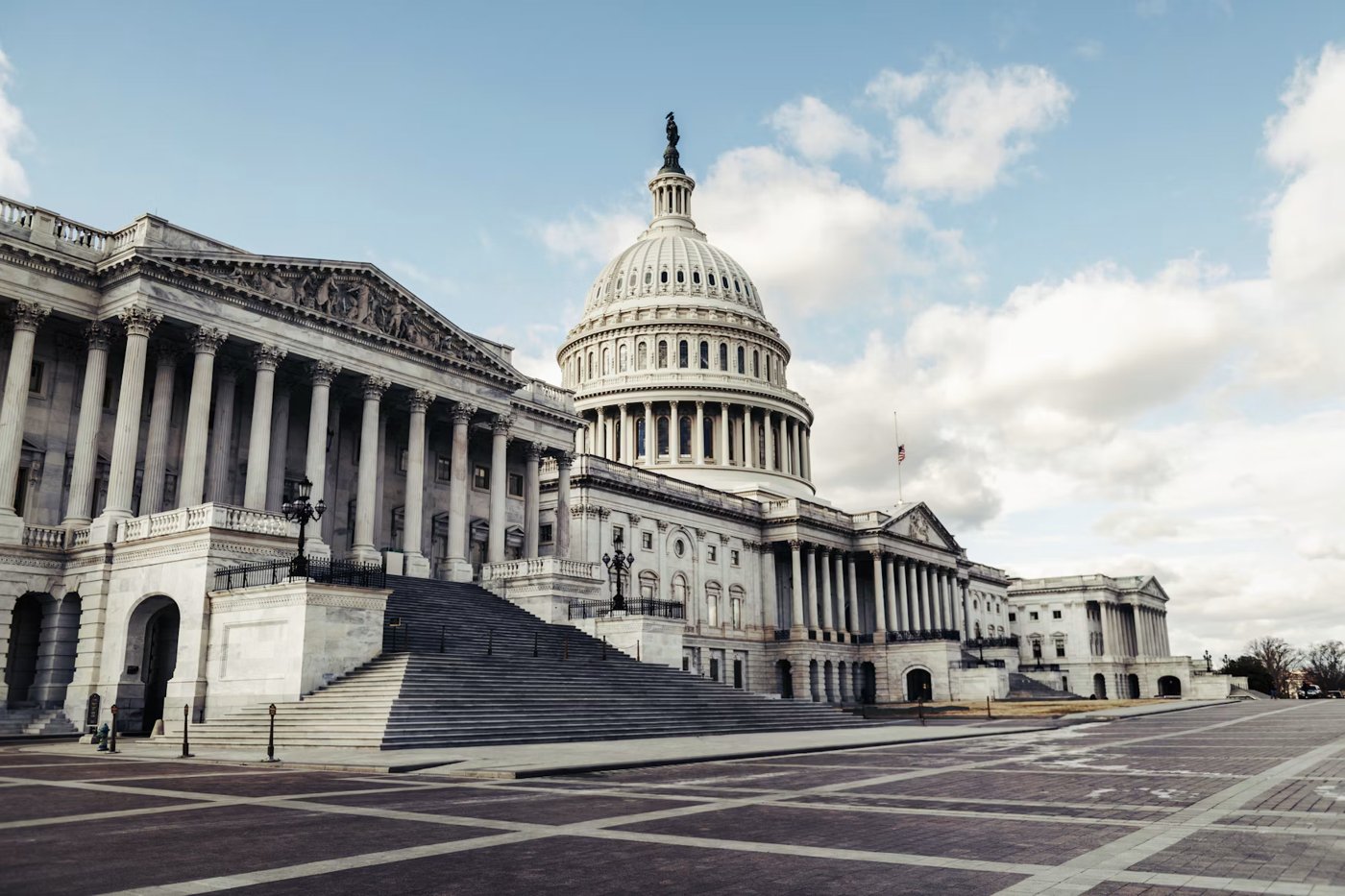
United States Capitol building with its dome and columns beneath a blue sky

The judge overseeing the broader federal cannabis rescheduling proceeding has rejected a request to reopen the hearing for new testimony, while allowing another round of written arguments. The October 22 order keeps the dispute over a recent government oversight report inside the existing administrative case.

That is a procedural development, rather than a final answer about cannabis scheduling. For readers following the long-running debate, the useful change is a defined set of briefing deadlines and a narrower account of what the parties can argue next.

A closed hearing and an open written record

Chief Administrative Law Judge Derek C. Julius issued the five-page order after opposing parties sought to add a Government Accountability Office report and pursue further discovery and testimony. The hearing on the merits had run from June 29 through July 15.

The judge admitted the report and permitted limited written briefs. Initial submissions are due October 29, with replies due November 5. The order says the matter remains stayed until the briefing period closes, with the stay expiring under that schedule.

Those dates are filing deadlines. They are not promised dates for a final federal rule, a change at a dispensary or a particular outcome. Treating a procedural calendar as an implementation calendar can make an already complicated process harder to follow.

Reporting by Tony Lange at Cannabis Business Times highlighted the split result: additional legal argument is allowed, but the requested reopening of the hearing is not.

What the government oversight report examined

The GAO report, released September 23, examined federal drug-scheduling procedures across substances. Its concerns included incomplete written policies identifying responsibilities and evaluation procedures, plus an outdated agreement governing consultation between agencies.

GAO recommended improvements by DEA, FDA and NIH, and reported that the agencies agreed with its recommendations. It also found that, among the reviewed substances for which final rules had been published and HHS recommendations were required, DEA’s decisions aligned with those recommendations.

That combination matters. A call for better procedural documentation is not the same thing as a finding that every underlying scientific assessment is wrong. Nor does historical agreement prove that a particular future recommendation must prevail. The report and the cannabis case ask related but distinct questions.

For a reader, the safest comparison is to keep the subject of each document visible: the oversight report evaluates agency processes; the administrative proceeding considers a specific proposed scheduling action.

Admission does not decide persuasive weight

Putting a document in the record makes it available for consideration. It does not dictate how persuasive the judge must find it. The remaining argument concerns whether the oversight findings meaningfully affect this particular proceeding.

That distinction explains why the two parts of the ruling can coexist. A tribunal can accept a document without agreeing that it justifies repeating a hearing. It can also invite argument about significance without accepting the outcome any participant prefers.

The question for the next filings is therefore more specific than whether someone supports or opposes cannabis reform. Watch whether an argument connects an identified procedural concern to the actual record and decision before the judge, rather than simply repeating a broader position about the plant.

The broader case is separate from April’s narrower action

Federal cannabis developments this year have not all covered the same products. In its April announcement, the Justice Department described placing FDA-approved marijuana products and products regulated by qualifying state medical marijuana licenses in Schedule III, while initiating a hearing process on broader rescheduling.

Conflating those actions can produce misleading headlines in either direction. The October procedural order does not announce that every cannabis product has moved into a new schedule. It also should not be read as erasing the separately announced medical action.

State licensing remains another distinct layer. Our coverage of Kentucky’s expanding medical cannabis retail network concerns access under a state program, rather than a ruling in this federal case. A development in one system does not automatically explain every requirement in the other.

What to watch after the filings

The immediate milestones are the October 29 briefs and November 5 replies. The next meaningful update will be what the tribunal does with the completed record, rather than speculation that a deadline guarantees a particular result.

For consumers, patients and businesses, the order offers a clearer procedural map. It closes one requested route back into testimony while leaving a defined opportunity for written argument. The ultimate scheduling decision remains a separate step, and its timing should be reported when there is an authoritative action to report.

The U.S. Capitol in Washington, D.C. Illustrative federal-policy stock photograph; the DEA administrative hearing is a separate proceeding. Photo: Tim Mossholder / Unsplash.

Continue Reading

Trending

Join The Cannabis Aficionado Community!
Join the Cannabis Aficionado community and receive all of the most relevant news geared towards our sophisticated enthusiast community.
Loading

Copyright ©️ 2026 Cannabis Aficionado. Cannabis Aficionado is a registered trademark of CNM Inc. All rights reserved. Registration on or use of this site constitutes acceptance of our Terms of Service, Privacy Policy and Cookies Policy. People may receive compensation for some links to products and services. Offers may be subject to change without notice.