#cannabisaficionado

Culture

Hollywood’s Elite Receive Cannabis Products in Oscar Goody Bags

Published

on

Oscar Goody Bags
Advertisement Back2Grow Advertisement

The top nominees at the 2019 Oscars won’t all go home with awards, but they won’t go home empty-handed either. The honorees receive lavish six-figure Oscar goody bags, complete with cannabis-friendly products.

The 91st Academy Awards will be held this Sunday, February 24 at the Dolby Theatre in Los Angeles. The annual event honors the best actors, producers, directors, and technicians in the film industry. All 25 nominees in the acting and directing categories — which include awards for best actor and actress in leading and in supporting roles — will receive the gifts in the week leading up to the event.

This year’s Oscar goody bags feature goodies from Coda Signature. The company produces a line of bath balms, salves, oils, and artisan chocolates. The colorful, handmade chocolates are made from ethically sourced cacao and are typically infused with 10 milligrams of THC. Coda’s Crescendo and Forte collections come with six truffles in three different flavors — burnt caramel, earl grey, and juniper lemon.

However, according to a statement from the company, because cannabis products cannot be shipped across state lines,, these chocolates won’t contain THC.

Swag bags will also include skincare products from High Beauty, according to a CNBC report. The company makes a line of certified organic facial oils and moisturizers. Products are made with cannabis sativa seed extract and contain no THC.

This year’s nominees will also receive a week-long stay at Golden Door Spa, an Amazon cruise, and a Mister Poop emoji toilet plunger, among other items, according to CNBC.

The legendary Oscar goody bags are just as famous as the gold-plated bronze sculptures. Each bag is valued at over $100,000, and are full of luxury freebies. Previous gifts have included international vacations, spa retreats, designer jewelry, vampire breast lifts, and even vibrators.

Last year’s gift bag included a 12-day vacation for two to Tanzania, a year’s supply of skin and hair products, and a donation of Halo pet supplies/meals valued at $8,000 to the celebrity’s shelter or rescue of choice.

Bags are provided by Direct Assets, a marketing company with no affiliation to the Oscars. While the actual value of Oscar goody bags is not disclosed, the company ensures it contains six-figures worth of gifts. Previous bags — like those given at the 2016 Oscars — were reported to be valued at upwards of $230,000.

Companies donate the items included in the bags. Brands are known to pay an average of $4,000 in order to have their products featured in the annual giveaway. Direct Asset’s founder, Lash Fary, told Forbes in 2016 that the gifts are not part of a philanthropic effort. Rather, “We are gifting them for the same reason that they are paid upwards of $20 million for a single film…because their personal brand has value as a commodity.”

The Oscars — otherwise known as the Academy Awards — is put on by the Academy of Motion Picture Arts and Sciences (AMPAS). This year’s nominations for best movie include Bohemian Rhapsody, A Star is Born, Roma, and Green Book. This year’s honorees include Melissa McCarthy, Yalitza Aparicio, Mahershala Ali, and Rami Malek, among others.

Culture

MJBizCon’s December Culture Calendar Connects Music, Play and Indigenous Voices

MJBizCon week brings music, a pickleball tournament and the Indigenous Cannabis Village to Las Vegas. We separate the show programme from off-site plans.

Published

on

Black-and-white view of microphones, drums and bright stage lights.

MJBizCon’s early-December programme is bringing cannabis business together with live music, community gatherings and Indigenous-led representation in Las Vegas. New announcements from Fat Nugs Magazine and PufCreativ describe events extending beyond the exhibition aisles. We would plan this week as several connected programmes, each with its own location and access rules, rather than assume one badge opens every door.

The cannabis connection is explicit throughout: this is an industry conference, its associated cultural programming and a dedicated space for Indigenous cannabis businesses. The interest for us is who gets room to tell their story, how people meet outside formal business sessions and whether the practical arrangements match the invitation.

What is happening at the convention?

The official MJBizCon site places the event at the Las Vegas Convention Center from December 1 through December 4. It lists certifications and other pre-show activities on Tuesday, with the exhibition hall opening Wednesday. Its calendar distinguishes qualified-buyer meetings, invite-only media programming and sessions tied to particular pass types.

The organiser also advertises a Wiz Khalifa performance on The Gas Station expo-floor stage at 5 p.m. Wednesday, December 2. That gives music a visible place inside the business event. We would still check the current access and re-entry terms before arranging an evening around it; an announced performance time does not answer every question about arrival or admission.

Indigenous voices have a dedicated space

The Indigenous Cannabis Industry Association’s event page describes the Indigenous Cannabis Village as a space connecting Tribal Nations, entrepreneurs, industry leaders and advocacy groups. Its listed elements include opening ceremonies, a drum circle, Four-Direction Stage, Media Row and an Elder Lounge alongside a traditional tipi.

ICIA also presents the Village as the show-floor home base for the Party. Play. Purify. series. That connection matters: the off-site social calendar is being linked to an Indigenous-led presence inside the convention, rather than operating as a wholly separate circuit. The association’s page lists booth packages and sponsorship opportunities separately, another reason not to treat every form of participation as the same purchase.

We would judge that presence by the substance of its programming and the people whose work is heard there. A dedicated space can make introductions easier, but it does not, on its own, establish a business outcome or speak for every Tribal Nation. Follow the association’s own programme for its participants and priorities.

Three off-site gatherings, three different plans

PufCreativ’s November 19 schedule sets Light Up Las Vegas for Tuesday, December 1, from 8 p.m. to midnight at Fremont Country Club. It names Fortunate Youth, Supaman and Bubala among the live acts. On Wednesday, the Golden Paddle Showdown runs from 1 to 5 p.m. at Chicken N’ Pickle; spectators can register free, while team entry covers two players and food.

Thursday’s Breathe & Heal brunch is listed from noon to 4 p.m. at Shine Alternative Fitness. The organiser describes breathwork, meditation, a sound bath and other activities. We report those as programme offerings, not established health benefits. PufCreativ says the series aims to raise $30,000 for Freedom Grow, RAICES, Nevada Urban Indians and United Natives; that is a fundraising goal, not money already raised.

If you are combining a tournament, a conference session and a concert, compare both travel time and the actual start times. An appealing calendar can contain competing commitments. Choose the conversations or performances that matter most to you, and confirm each registration directly rather than rely on an informal invitation passed along by someone else.

What Fat Nugs is adding

In its November 20 announcement, Fat Nugs Magazine says this will be its fifth consecutive MJBizCon appearance. It identifies PufCreativ, Joint Venture & Co., ICIA and Jeremy Ortiz among its collaborators and describes reporting, interviews and conversations with fellow cannabis media outlets.

The magazine places the Village’s show-floor programme on December 2 through December 4, within the wider December 1–4 convention week. That distinction helps avoid turning a broad event date into a claim that every exhibition activity operates on Tuesday. We would keep the latest individual programme handy as the opening approaches.

Plan for access as carefully as the programme

A cannabis-industry event is not blanket permission to possess, sample or consume cannabis at every listed venue. Check the rules of the specific site and organiser before bringing anything with you. We have not verified a universal consumption permission across these gatherings and do not imply one.

The week’s strongest cultural promise is the range of ways to participate: listening, learning, playing and meeting people whose work can be lost in a large trade-show schedule. Our practical advice is to make a short, deliberate itinerary, confirm its separate admissions and leave room for the people behind the programme. The announced line-up is substantial enough without pretending every stop is interchangeable.

Illustrative live-music stock photograph; not MJBizCon, its performers or the Indigenous Cannabis Village. Photo: David Barber / Pexels.

Continue Reading

Culture

Massachusetts Maps a Tentative 2027 Start for Cannabis Lounge Applications

The latest implementation plan separates lounge applications from event-organizer licensing, with local opt-in and operating approvals still central to the process.

Published

on

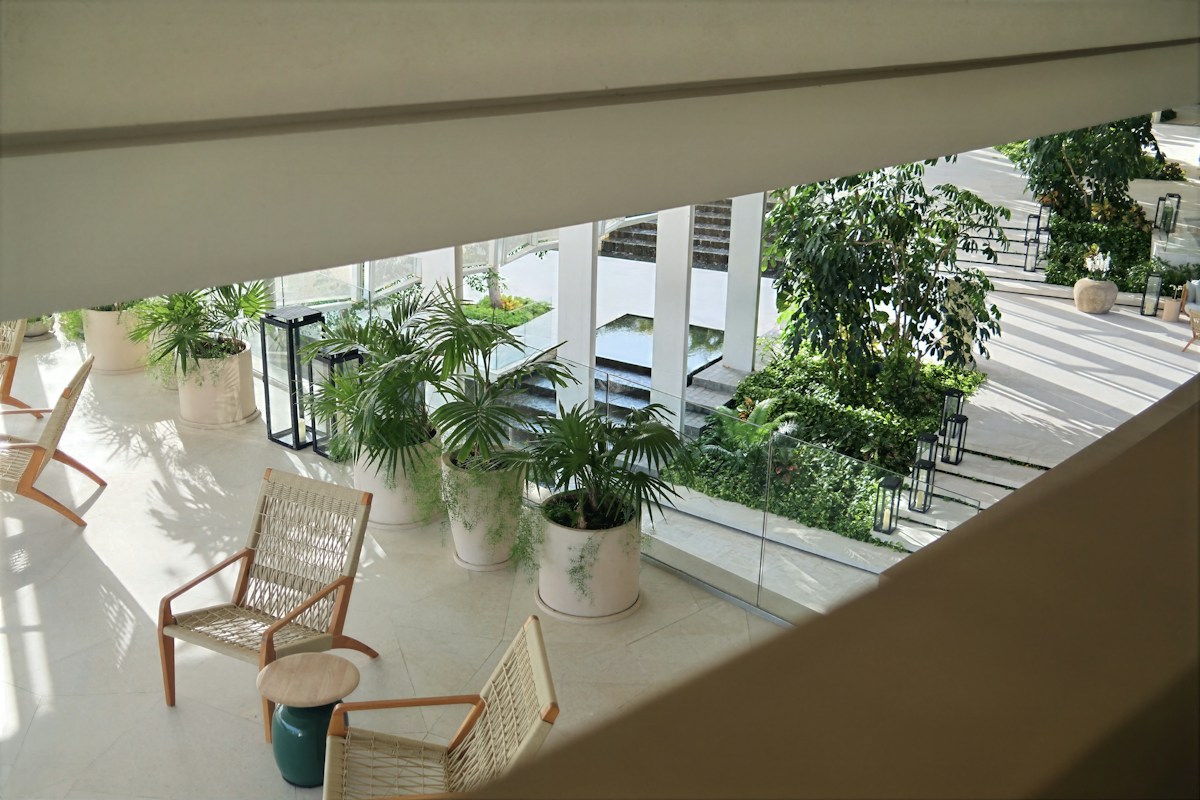
Lounge chairs and small tables beside indoor plants and glass railings

Massachusetts’s latest cannabis social-consumption implementation materials point to March 2027 for supplemental and hospitality license applications, followed by event-organizer applications in June. The timetable offers a clearer planning horizon for cannabis lounges and related businesses, but it is explicitly tentative. It is not an announcement that particular lounges will open in March or that current venues can begin allowing consumption.

The schedule appears in the Cannabis Control Commission’s November 12, 2026 public-meeting book. Anthony Martinelli reported the projected dates for The Marijuana Herald the same day. The primary presentation also lists unfinished guidance, application, technology and compliance work, explaining why a regulation already on the books has not yet become an operating market.

Three license classes, different settings

The commission’s January announcement established the basic structure. Supplemental licenses are intended to let qualifying existing marijuana establishments add on-site consumption at their business locations. Hospitality licenses create a route for qualifying applicants, including businesses that are not currently cannabis establishments. Event-organizer licenses address temporary consumption events.

Those categories matter because a café, an existing dispensary and a temporary gathering face different practical questions. A business looking for a permanent designated area is not necessarily pursuing the same license or operating plan as an organizer arranging an event. A general reference to cannabis lounges can obscure those distinctions.

The November presentation places supplemental and hospitality applications on the same target launch month, while giving event-organizer work a later milestone. Readers should keep those dates attached to the appropriate category rather than treating June as the timetable for every venue or March as a promise about every event.

Regulations and available applications are separate milestones

The commission says its social-consumption regulations took effect January 2, 2026. Its implementation project then had to develop the machinery that supports licensing: application materials, IT changes, responsible vendor training, inspection requirements, public information and coordination with municipalities.

That sequence explains an apparent contradiction in the public discussion. The existence of regulations does not mean a business can already obtain every necessary license. Equally, the future launch of an application process would not mean all applicants are immediately authorized to open their doors.

The November meeting materials list work on architectural and structural-change forms, consumer information cards, hospitality application and inspection requirements, and event-organizer compliance planning. They also identify review of four responsible-vendor-training applications. Those are implementation steps, not four approved cannabis lounges.

Local permission remains a gate

The commission’s municipal guidance says communities must opt in to social consumption through lawful local action. Municipalities can decide which license classes and consumption-area types to permit. Local authorization is therefore a substantive part of the process, rather than a detail that follows automatically from the state’s timetable.

The meeting materials include a municipal zoning-tracker form intended to help applicants and the public understand local authorization. The form expressly says that submitting information does not constitute commission approval of a specific establishment. A town appearing in a tracker should not be mistaken for an announcement that a named venue is ready to operate.

Host community agreements and other local requirements may also apply. For a prospective operator, that makes the useful planning questions local as well as statewide: what has the municipality authorized, what site requirements apply, and which approvals would still be necessary for the proposed business?

An equity-focused opening period

The commission’s published framework reserves the initial licensing opportunity for qualifying equity participants and specified smaller cannabis business categories. Its January announcement identifies Social Equity Program participants, Certified Economic Empowerment Priority Applicants, microbusinesses and craft marijuana cooperatives.

The announced exclusivity period runs for 36 months beginning when at least one licensee in each social-consumption class has received authorization to commence operations. It should not be described as a period that simply began when the regulations took effect in January. The trigger affects how the initial opportunity is understood.

What the next update needs to show

The November presentation identifies staffing capacity, technology requirements, competing initiatives and project-management demands as risks. Its target dates are therefore best read as planning milestones that depend on completing the remaining work, not guaranteed opening dates.

For readers following our Harvest Cup coverage, the broader point is also useful: a cannabis-oriented event and an authorized consumption setting are different things. A festival’s theme does not establish its permissions. Massachusetts’s developing system is intended to create a defined route for particular licensed settings.

The next meaningful evidence will be finalized applications and guidance, clear local authorization, and later notices allowing individual operators to commence operations. Until then, March and June provide a tentative map of the licensing project—not an invitation to assume that consumption is permitted at an existing café, hotel or event.

Illustrative hospitality-interior stock photograph; not a Massachusetts cannabis lounge or an approved consumption site. Photo: Tamara B / Unsplash.

Continue Reading

Culture

London’s Cannabis Industry Awards Put the People Behind the Sector in Focus

The Cannabis Industry Council’s November 11 London awards recognize work in patient care, science, advocacy and professional standards.

Published

on

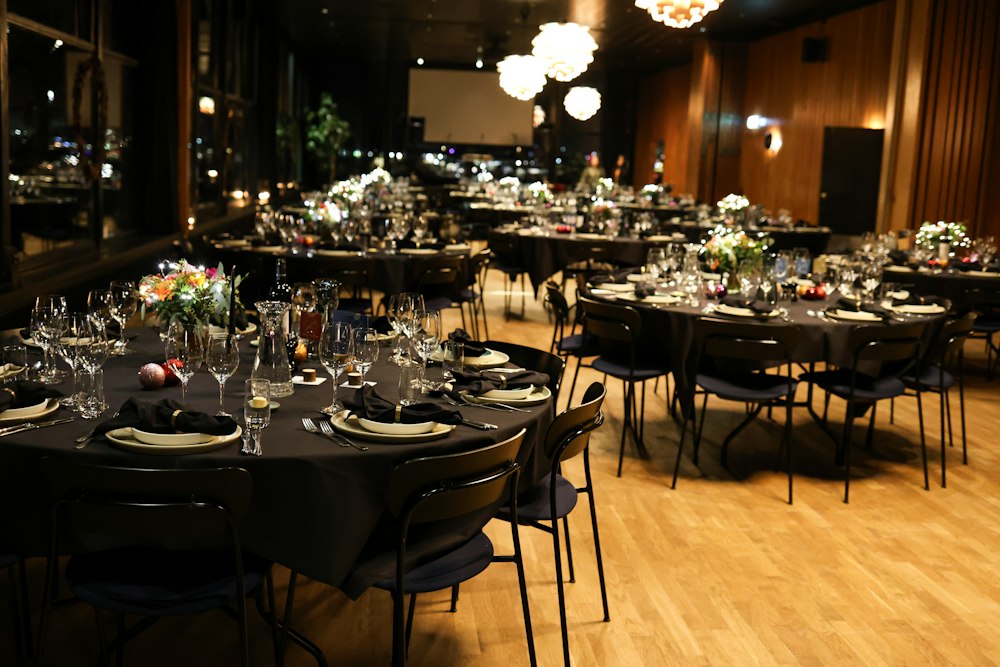
Tables set with glassware and flowers in a banquet room

The Cannabis Industry Council’s awards dinner is scheduled for tonight, November 11, at the Honourable Artillery Company in London. Its cannabis connection is direct: the evening recognizes people working across the UK’s medical cannabis sector, from patient support and pharmacy to research, environmental practice and leadership.

The organizer’s current event page confirms the Wednesday date and venue. This is a preview of the published program, not a report from inside the ceremony. No award recipient should be inferred from a shortlist before the council announces the results.

Nominations for this edition closed in September. An event page that still describes nomination opportunities should not be read as a new chance to enter tonight’s awards; the current timetable and ceremony information take precedence.

Recognition extends beyond a company’s name

The council’s original nominations announcement says the awards recognize individuals rather than companies. That gives the evening a different emphasis from a product competition or a ranking of cannabis brands. The subject is the work people contribute to the sector.

That distinction matters in an industry where consumers often encounter a clinic, product or retailer before learning who supports the service. An individual award can draw attention to work that sits behind a familiar business name without establishing that the entire company is superior to every alternative.

The format also creates room for contributions that are difficult to summarize through sales figures. Helping someone navigate a service, improving a professional process or explaining evidence can matter even when those activities do not produce a headline about a large commercial deal.

Eight categories describe a broad professional community

The published categories include Unsung Hero, the Hannah Deacon Doctor of the Year, Contribution to Social Impact, Pharmacist of the Year, Contribution to Science, the Green Award, Customer Service and Industry Leader of the Year. Together, they place clinical, scientific and operational work alongside advocacy and environmental concerns.

The award named for Hannah Deacon recognizes patient care, according to the council’s description. The science category concerns contributions to understanding cannabis, while the environmental category addresses sustainability. Those are distinct kinds of achievement, and an award in one category should not be read as proof of an unrelated claim.

For example, recognition for customer service would not constitute a clinical trial, just as a scientific contribution would not tell a prospective patient everything about a clinic’s appointment process. The category is part of the meaning of the recognition, not a detail to drop from the eventual winners list.

The judges describe evidence as part of the standard

In the council’s introduction to its judging panel, judges emphasize demonstrated contribution, professional standards and delivery rather than visibility alone. The listed panel includes Professor Mike Barnes, Jamie Bartley, Frances Crewdson, Tom Gray, Nick Pateras, Callie Seaman, Luisa Searle and Heidi Whitman.

These are the organizers’ stated criteria and their panel’s perspectives. They explain what the competition aims to recognize; they are not an independent audit of every nominee’s work. Readers can value professional recognition while still asking what specific contribution led to it.

The useful follow-up after an awards night is therefore more than the name of the winner. What did the person do? Who benefited? What evidence supports the achievement? Those questions turn an honor into a story readers can understand rather than simply repeat.

A formal evening with a practical focus

The event is presented as an awards dinner with entertainment and networking. The current page invites guests to dress for the occasion but says a formal black-tie dress code is not required. Attendees should use the organizer’s current listing for access and practical details rather than assume an older ticket offer remains available.

That presentation places cannabis professionals in a familiar cultural setting: a shared evening recognizing peers. The interest lies in how a developing sector chooses to describe good work and which kinds of contribution it brings into public view.

Our preview of MEDICA’s cannabis-counseling workshop follows another professional gathering, with a different purpose and audience. Training, research and recognition are separate activities, but each can reveal what a cannabis-related professional community considers important.

Wait for the results, then look at the work

The council’s published timetable places the ceremony after the nomination and judging periods. The current story is that the event is scheduled to take place, not that a particular person has won. A results report will require an actual announcement from the organizer.

For now, the evening’s structure offers a clear view of the subjects being celebrated: patient-facing work, scientific understanding, responsible operations and leadership. The most meaningful coverage after the ceremony will connect those category names to concrete achievements, keeping the contribution in focus alongside the celebration.

Illustrative banquet photograph; not the HAC or the Cannabis Industry Awards. Photo: Filip Rankovic Grobgaard / Unsplash.

Continue Reading

Trending

Join The Cannabis Aficionado Community!
Join the Cannabis Aficionado community and receive all of the most relevant news geared towards our sophisticated enthusiast community.
Loading

Copyright ©️ 2026 Cannabis Aficionado. Cannabis Aficionado is a registered trademark of CNM Inc. All rights reserved. Registration on or use of this site constitutes acceptance of our Terms of Service, Privacy Policy and Cookies Policy. People may receive compensation for some links to products and services. Offers may be subject to change without notice.