#cannabisaficionado

Cannabis

CBG: The Cannabinoid With Significant Health & Lifestyle Benefits

CBG is a non-intoxicating cannabinoid that may well be the next cannabinoid to become the focus of medical cannabis research.


Published

on

CBG
PHOTO | Ayehab
Advertisement Back2Grow Advertisement

The cannabis herb contains more than 113 special medicinal molecules called cannabinoids. These chemicals are categorized as phytocannabinoids because they are derived from a plant. The human body produces similar molecules called endocannabinoids that interact with a specialized system of receptors found in the brain, central nervous system, and immune system that compose the endocannabinoid system (ECS).

Like most cannabinoids other than tetrahydrocannabinol (THC), cannabigerol (CBG) is non-psychoactive and has been found to act on very specific physiological systems. Through research studies and anecdotal evidence, this cannabinoid has demonstrated significant health and lifestyle benefits, especially in diseases involving inflammation and neurological damage.

The Details on CBG

The acidic precursor to CBG, CBGA, is considered to be the mother of all cannabinoids due to the fact that the plant transforms this special molecule into all other cannabinoids.

A 2015 study entitled “Neuroprotective Properties of Cannabigerol in Huntington’s Disease” published in the journal Neurotherapeutics demonstrated CBG’s neuroprotective powers based on its ability to protect neurons in mice with Huntington’s disease. This special chemical may also help fight cancer and has been shown to act as an antibacterial agent. CBG may inhibit muscle contractions and serve as a therapy to prevent bladder dysfunction disorders. This cannabinoid has also been shown to help treat depression.

Scientists have learned some tricks for obtaining more potent levels of CBG from cannabis plants during cultivation and harvest. In particular strains, an optimum extraction period of about six weeks into an eight-week flowering cycle has been identified. Some examples of the strain Bediol are purported to be rich in CBG.

The Research

CBG has been found to be a valuable and effective treatment for glaucoma due to the fact that it reduces intraocular pressure in the eye. This cannabinoid also demonstrates neuroprotective properties and, in experiments involving mice, was found to be effective in decreasing the systemic inflammation that characterizes inflammatory bowel disease (IBD) and related conditions.

Research studies have been conducted into the efficacy of CBG for IBD — an umbrella category that includes Crohn’s disease, ulcerative colitis, irritable bowel syndrome (IBS), and other gastrointestinal diseases involving inflammation within the intestines. IBD afflicts more than three million people in the United States alone.

One such study published in 2013 and entitled “Beneficial Effect of the Non-psychotropic Plant Cannabinoid Cannabigerol on Experimental Inflammatory Bowel Disease” published in the journal Biochemical Pharmacology found CBG to be helpful for IBD patients. The study’s researchers concluded and the promise of this special cannabinoid as a future therapy “could be considered for clinical experimentation in IBD patients.”

A 2008 study entitled “Possibilities of Applying Cannabinoids in the Treatment of Glaucoma” that was published in the Polish journal Klinika Oczna concluded that cannabinoids like CBG “are able to decrease intraocular pressure. What is more, these compounds are characterized by neuroprotection and vasodilatation properties that additionally substantiate its therapeutic utility in conservative treatment of glaucoma.”

Cannabis

Kentucky’s Medical Cannabis Network Reaches 26 Open Dispensaries

Kentucky now lists 26 operating medical cannabis dispensaries, as Governor Andy Beshear reports 46 of 80 approved businesses are up and running.
Published

on

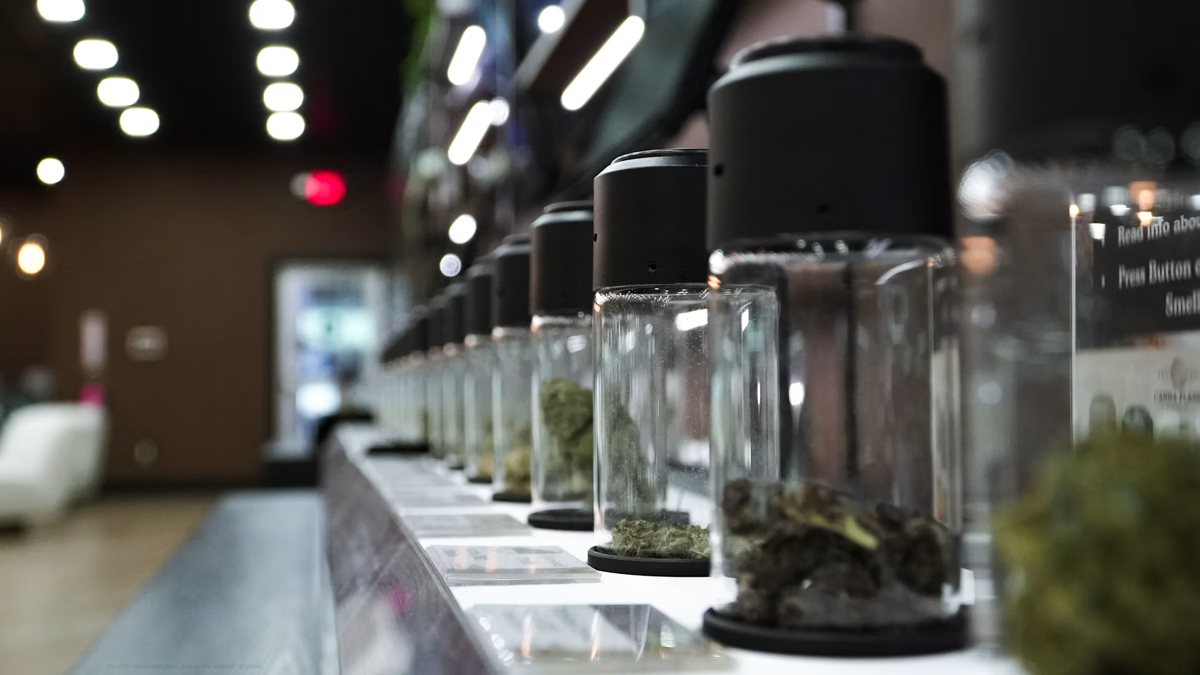
Glass jars of dried cannabis flower arranged on a retail counter

Kentucky’s medical cannabis market is becoming easier to find on a map. The state’s October 16 directory lists 26 operating dispensaries, while Governor Andy Beshear’s latest update puts the wider business rollout past its halfway point.

Beshear said on October 21 that 46 of 80 approved cannabis businesses were operating, according to Tom Angell’s reporting for Marijuana Moment. That total includes 13 cultivators, two safety compliance facilities, five processors and 26 dispensaries.

Open doors matter more than licenses alone

The figures describe a supply chain taking shape, rather than 46 places where patients can shop. Cultivators, processors and testing facilities perform different roles from dispensaries; combining them into one number can make access sound broader than the retail footprint alone.

Kentucky’s official dispensary directory separates operating locations from the larger set of licensed businesses. Its October 16 update includes Sunnyside Prestonsburg, open since October 13, and a Lexington location operated by DHK KY LLC, open since October 16.

The directory warns that some licensed dispensaries are not yet operating and that locations can change. For someone planning a visit, the operational list is a more useful starting point than a license announcement. Checking the retailer’s current hours before traveling is a sensible next step.

A growing network, with work still ahead

Beshear also cited more than 29,000 people approved for medical cannabis cards and more than 500 registered practitioners, Marijuana Moment reported. Those are the governor’s figures, not an independent measure of patient satisfaction or product availability.

Kentucky’s medical cannabis program took legal effect January 1, 2025. Its website provides practitioner searches, card application information and patient education sessions. As the network expands, those practical resources help turn a statewide milestone into a clearer path for individual patients.

Cannabis flower displayed in glass jars. Illustrative stock photograph; not a Kentucky dispensary. Photo: Cova Software / Unsplash.

Continue Reading

Cannabis

New York Opens Cannabis Nursery Applications November 5

New York’s first nursery application window opens November 5, with an initial review of 50 applications for businesses supplying seeds and young plants.
Published

on

New York is opening a new door for the businesses behind the plants. Its first adult-use cannabis nursery application window begins November 5, 2026, creating a dedicated licensing route for suppliers of seeds, clones and immature plants.

The immediate opportunity is for businesses supplying licensed growers. A nursery license alone will not allow direct sales to consumers or home growers, according to the Office of Cannabis Management’s guidance.

A small first round, with more to follow

The Cannabis Control Board approved the window on October 1. OCM will consider the first 50 applications received, reviewing them in submission order once that target is reached. Applications beyond the initial 50 will not be considered in this round, and those applicants’ fees will be returned.

That number describes the opening round, rather than a permanent statewide ceiling. In an October 21 analysis, Vicente LLP’s Bridgette Nikisher and Brandon Kurtzman explain that the staged approach is intended to manage the rollout. Additional application windows are planned.

What prospective nursery operators should prepare

OCM lists a $1,000 application fee, with separate license fees based on outdoor, mixed-light or indoor cultivation. Qualified social and economic equity applicants can receive a 50% reduction in application and license fees.

Vicente’s application overview highlights several preparations: a Nursery Grower Certificate of Registration, proof of control over the proposed location, a labor peace agreement and business ownership information. Applications will go through New York Business Express.

For cannabis enthusiasts, the distinction matters: this is an upstream supply development, not the opening of a new home-grow shop. It puts the focus on how licensed growers obtain their starting material—the part of a cultivation story that begins before the flower reaches a dispensary shelf.

Related reading: How California’s growing footprint shapes its harvest.

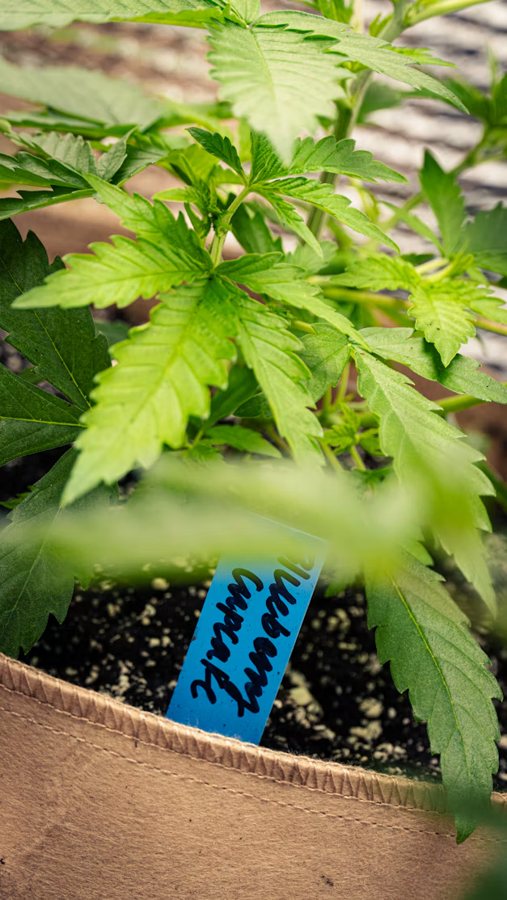
A young cannabis plant. Illustrative stock photograph; not a New York licensed nursery. Photo: Colin redwood / Unsplash.

Continue Reading

Cannabis

Colorado Cannabis Safety Audit Calls for Stronger Oversight

A Colorado audit calls for improvements to cannabis oversight, while finding no evidence supporting claims of widespread product safety problems.
Published

on

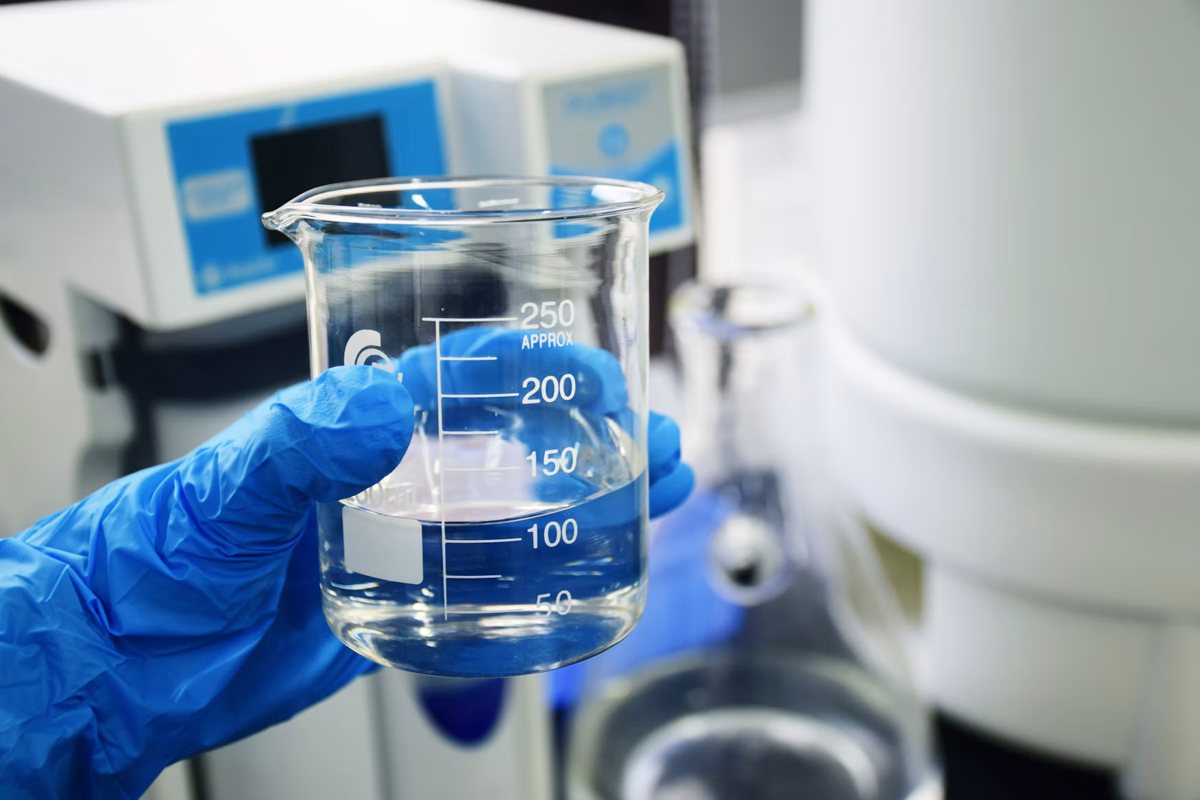
Blue-gloved hand holding a glass beaker of clear liquid in a laboratory

A new Colorado audit raises a question that goes beyond whether cannabis has passed a laboratory test: how well can the state independently check that the system is working?

The Marijuana Consumer Safety performance audit, released October 19, identifies weaknesses in regulatory oversight and testing support. It also makes a crucial distinction: auditors found no evidence supporting claims of widespread health and safety problems in regulated marijuana products.

Where the audit sees gaps

The report describes limits in state reference laboratory capacity, inconsistent monitoring and weaknesses in how potential problems are investigated and communicated. These findings concern the safeguards around the market; they do not amount to a finding that every product is unsafe.

One example is independent testing capacity. As of May 15, 2026, the state reference laboratory could not test for pesticides, residual solvents or mycotoxins—tests required for marijuana products sold in Colorado. That limitation concerns the state laboratory’s ability to support oversight, not the absence of those requirements for commercial products.

Why independent checks matter

For readers comparing flower, concentrates or edibles, a test result and the system supervising that result answer related but different questions. Product testing examines a sample. Oversight asks whether the sampling, methods and follow-up can be trusted across the market.

The audit made 14 recommendations, and the agencies agreed with all 14. Agreement marks the beginning of the response; it does not establish that the recommended improvements are already complete.

The useful takeaway is to read the findings at their actual scope. This is a call to strengthen Colorado’s safety framework, not a blanket warning against every regulated product or a product-specific recall.

Related reading: Why independent cannabis testing matters.

Laboratory equipment in use. Illustrative stock photograph; not a Colorado cannabis testing facility. Photo: RephiLe water / Unsplash.

Continue Reading

Trending

Join The Cannabis Aficionado Community!
Join the Cannabis Aficionado community and receive all of the most relevant news geared towards our sophisticated enthusiast community.
Loading

Copyright ©️ 2026 Cannabis Aficionado. Cannabis Aficionado is a registered trademark of CNM Inc. All rights reserved. Registration on or use of this site constitutes acceptance of our Terms of Service, Privacy Policy and Cookies Policy. People may receive compensation for some links to products and services. Offers may be subject to change without notice.