A newly filed Texas bill would restrict cannabinoid testing for many people working for state and local government, while protecting certain medical cannabis and consumable hemp use in employment policies. House Bill 507 is a proposal for the next legislative session, not a change workers can treat as already in force.
The official legislative history records Representative John Bucy’s bill as filed November 9. Its introduced text would add a chapter to the Government Code addressing drug testing, prescription policies, medical privacy and remedies. The proposed effective date is September 1, 2027.
The employer matters as much as the substance
The proposal concerns state agencies and political subdivisions, rather than establishing a rule for every employer in Texas. Its testing restrictions expressly cover employees and independent contractors working for those public bodies. A headline describing a statewide end to marijuana testing would therefore be too broad.
That distinction is practical. A person working for a private company cannot assume the same proposed protection applies simply because a public employee performing similar work would be covered. The identity of the employer or contracting body is part of the bill’s scope, not a detail to leave out.
The language also concerns conditions of employment or a contract. It would prevent covered public bodies from establishing or administering cannabinoid-screening requirements, or requiring a negative cannabinoid result, as those conditions. It does not describe the abolition of testing for every drug.
Two exceptions remain explicit
The proposed chapter would not apply to peace officers elected, employed or appointed by a state agency or political subdivision. It also excludes public employees required to comply with United States Department of Transportation drug-testing regulations under 49 C.F.R. Part 40.
These exceptions are important because a job’s public-sector status alone would not establish coverage. The text separates particular regulated roles from the broader group of workers the proposal addresses. Anyone summarizing the bill needs to retain both exceptions rather than describing them as an unspecified safety carveout.
The federal reference is specific, too. The bill identifies the transportation testing regulations instead of announcing that a state employment policy would override them. The proposed protection and its stated limits have to be read together.
Prescription and hemp policies get separate treatment
Another provision would bar covered agencies from making employment or contracting conditional on avoiding specified conduct: prescribing, obtaining a prescription for, or using low-THC cannabis in accordance with Chapter 169 of the Occupations Code, or using a consumable hemp product.
The medical cannabis language is tied to an existing statutory framework. It should not be rewritten as a proposal authorizing any cannabis product for any purpose. Likewise, a clause about employment conditions is different from a general retail-sales law or a new adult-use cannabis market.
Those boundaries help explain why workplace protections can be debated independently of wider legalization proposals. This bill asks what a particular group of employers may require of workers. It does not attempt to answer every question about where cannabis products may be bought, possessed or used.
Privacy and enforcement are part of the proposal
The introduced privacy section would prohibit a covered public body from questioning an employee about low-THC cannabis or hemp use. It would also require compliance with relevant state and federal privacy laws, naming Texas medical-record protections and the federal Health Insurance Portability and Accountability Act.
Here the wording refers to an employee, while several preceding restrictions expressly mention employees and independent contractors. That difference should remain visible in an account of the text. Broadly substituting everyone who works for government would erase a distinction the proposal actually makes.
The remedies section would allow an actual or threatened violation of the testing-policy or privacy provisions to be raised as a claim or defense in a judicial or administrative proceeding. It lists compensatory damages, injunctions, declaratory relief and other appropriate relief, including reasonable attorney’s fees.
A separate provision would waive governmental or sovereign immunity to the extent of that relief. Another says an action could proceed without first exhausting administrative remedies. These are proposed enforcement mechanisms, not a report that anyone has already won a case under the bill.
Follow the version, not just the filing
The legislation would apply to administration of policies and tests on or after its effective date. Filing does not establish passage, and September 2027 remains a proposed date. The official history and any subsequent substitute text are the places to check what lawmakers actually advance.
The bill defines a drug test as analysis of a biological specimen for specified drugs or metabolites. That is the screening process its restrictions address. The definition does not turn a result into a description of a person’s work performance, and the proposal should not be summarized as an assessment of individual impairment.
Our New York cannabis labor coverage addresses a different jurisdiction and policy. Together, the stories illustrate why a cannabis employment headline needs the actual employer, legal mechanism and legislative stage attached to it.
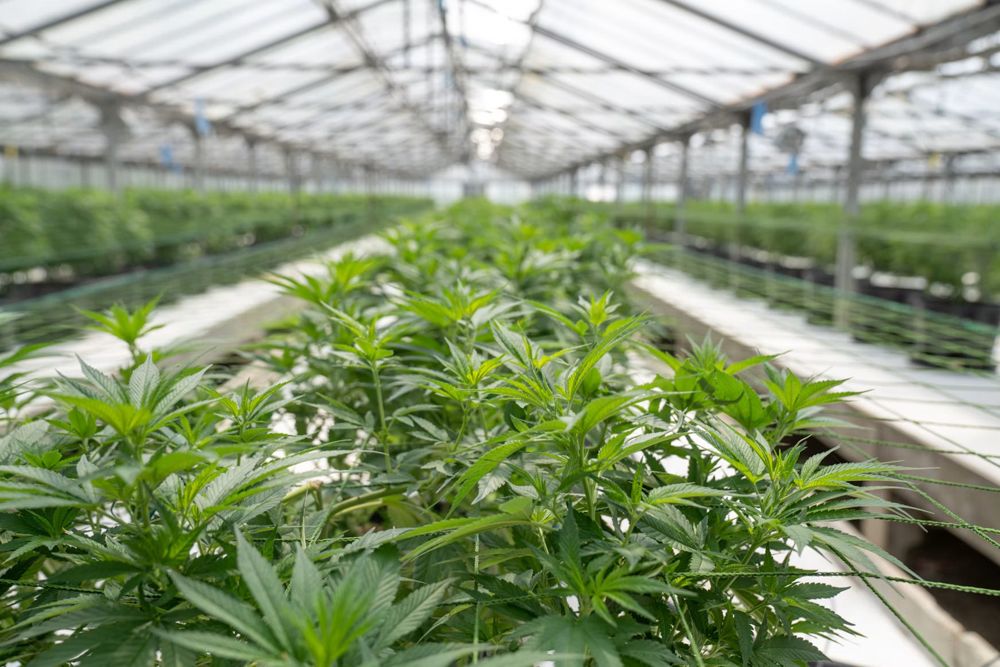
Illustrative workplace stock photograph; not Texas employees, lawmakers or cannabis users. Photo: Olena Kholina / Unsplash.






 Cannabis3 weeks ago

 Cannabis3 weeks ago

 Cannabis3 weeks ago

 Cannabis3 weeks ago


 Cannabis3 weeks ago

 Cannabis3 weeks ago

 Cannabis3 weeks ago