#cannabisaficionado

Edibles

Delaware’s THC Beverage Rules Reach Their October Milestone

Delaware’s beverage framework reaches its October effective date, with approved sales channels, potency caps and a separate tax start.

Published

on

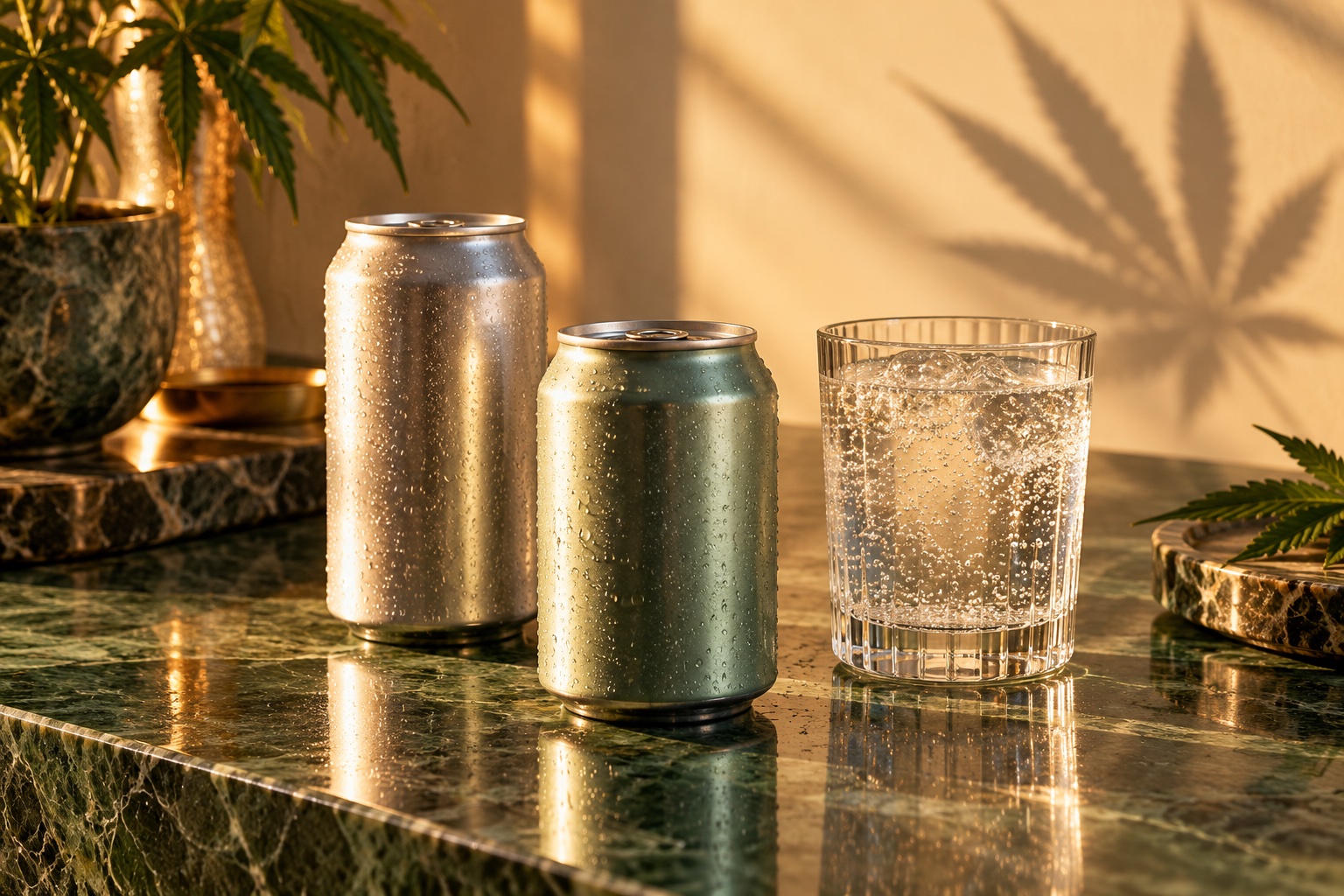
Illustration of unbranded beverage cans and sparkling water with a cannabis leaf shadow.
Advertisement Back2Grow Advertisement

Delaware’s THC beverage framework reaches a key date on October 21, bringing rules for approved businesses into effect. For shoppers, the change is about where infused drinks can be sold and what those products must meet. It does not establish that every eligible store has stocked them.

The Office of the Marijuana Commissioner’s guidance identifies licensed liquor stores, marijuana dispensaries and authorized microbreweries as the permitted sales channels. Drinks are for off-premises consumption and must meet testing, labeling and packaging requirements.

The framework covers nonalcoholic drinks infused with delta-9 THC. The state lists limits of 10 milligrams of total THC for a single-serving container, 60 milligrams for a multipack and 170 milligrams for a 750-milliliter bottle. Those are product limits, not suggested amounts to consume.

The dates matter, too. House Bill 373 was signed July 23. Its official record lists October 21, 2026, and February 1, 2027, as effective dates; the commissioner’s office identifies the latter as the start of taxation provisions.

For anyone following the category, the immediate development is a regulated route to market. Individual business authorization and actual availability are separate questions from the law taking effect.

Image: AI-generated editorial illustration; not a photograph of products approved for sale.

Cannabis

Grön Launches Pearls in Massachusetts, New Mexico and Washington

Grön announces Pearls in Massachusetts, New Mexico and Washington. Shoppers should confirm local stock, cannabinoid amounts and serving information.

Published

on

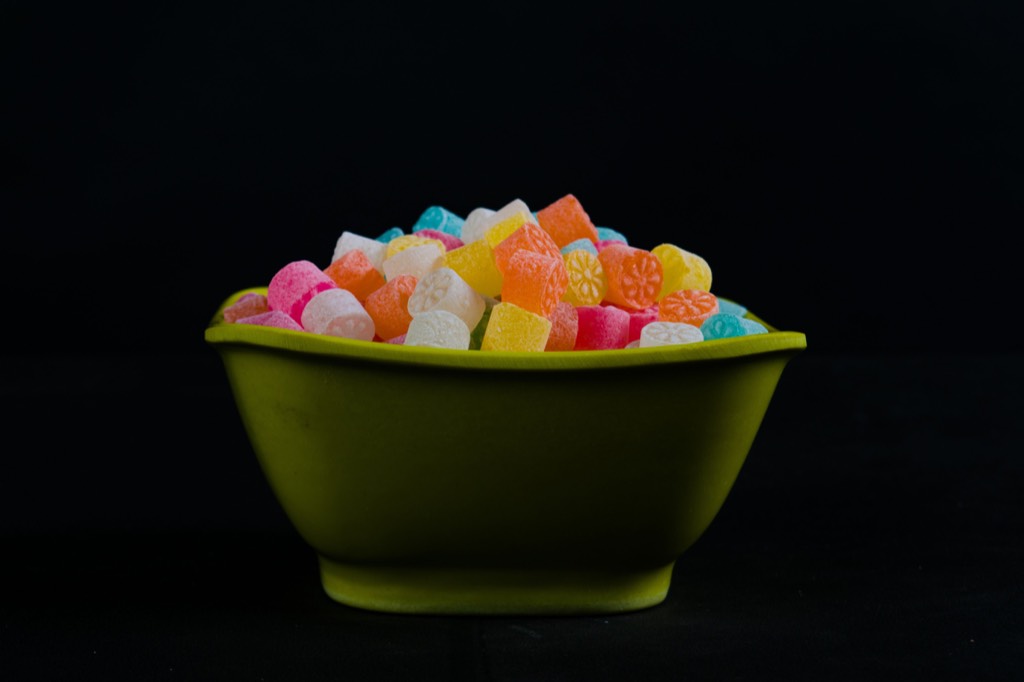
Colorful gummy candies in a green bowl against a dark background

Grön says its Pearls cannabis edibles have launched in Massachusetts, New Mexico and Washington, extending the brand into three more state markets. For shoppers, the October 27 announcement means another familiar national name may appear on local dispensary menus, but the specific package and retailer still matter more than the expansion headline.

In its company announcement, the Oregon-based brand said the rollout includes its Daytime, Nighttime and Anytime collections. These use different ratios of THC and cannabinoids such as CBD, CBC, CBG and CBN. The company described availability as immediate through dispensaries in the three states.

The expansion follows a September rollout into California, Colorado, Michigan and Nevada. Grön credits distribution support from parent company Wyld, which it says purchased the brand in December 2025. Those are company accounts of the rollout. This announcement does not establish that every dispensary carries every flavor, ratio or package.

A rollout can arrive in stages

The brand’s September 1 announcement provides an example of how it has approached expansion. For those earlier four markets, Grön described an initial offering of seven Pearls flavors and ratios, with its larger MEGA format expected later. That was a plan for the September markets, not a confirmed assortment for today’s three additions.

The distinction matters when comparing menus across state lines. Seeing a format in one market does not establish that it has launched in another, even when the brand name is the same.

Read the package before choosing the collection

The collections’ names are a way to organize a menu, not a substitute for checking the actual cannabinoid amounts. A shopper comparing two packages should distinguish the amount of THC in each serving from the total in the container, then check the other listed ingredients and cannabinoids.

That approach is consistent with New York’s consumer guidance, which encourages people to examine potency, extract type and product form when considering effects. The agency also explains that regulated products link to a certificate of analysis showing laboratory results.

Although that guidance is written for New York, the basic comparison is useful here: an attractive collection name does not identify the dose in the package being purchased. Nor should a retailer’s description be read as proof that a particular edible will treat a health condition or produce the same response in every person.

Our recent coverage of an Ontario labeling recall shows why the distinction between THC and CBD values deserves attention. That was a separate product and manufacturer; there is no connection to this Grön announcement. It illustrates the importance of readable, accurate package information.

Availability still depends on the local retailer

Massachusetts buyers can use the Cannabis Control Commission’s licensed-business directory to identify adult-use retailers, medical treatment centers and delivery businesses. Adult-use purchasing is for people 21 and older, with separate provisions for the medical program.

The commission notes that a delivery company appearing near a searched address does not necessarily serve that address. Customers should check the business’s own service area and product offerings. The same practical step applies to a new brand arrival: verify the menu before making a trip or assuming delivery availability.

New Mexico’s Cannabis Control Division FAQ likewise distinguishes adult-use transactions from medical purchases. Adult-use sales require customers to be at least 21 and have their age and identity verified with valid identification; adult-use purchases are subject to cannabis excise tax.

The FAQ lists separate purchase limits for flower, concentrate and edibles, including an 800-milligram edible limit for adult-use consumers. A legal purchase maximum is not a suggested serving. Buying a container and choosing how much to consume are different decisions, and a package may contain multiple servings.

New flavors do not change edible timing

Washington’s Liquor and Cannabis Board guidance places ingested products, including edibles, capsules and drinks, in a slower-onset group. Its chart gives a general onset range of one to four hours and duration of four to 12 hours, compared with a faster onset for inhaled products.

Those are guidelines rather than a prediction for a specific person or a test of Pearls. They explain why judging an edible too quickly can be misleading. A new brand on the shelf does not remove the need to understand the form, strength and expected timing of the product.

The launch is a concrete distribution development, with three states named and a defined product family. The useful next step for an interested shopper is local: find a licensed seller, confirm which products have arrived and read the package in front of you. Brand familiarity can help someone navigate a crowded menu, but it cannot replace that final check.

Illustrative stock confectionery; these are not Grön products and are not identified as cannabis-infused. Photo: Akshat Soni / Pexels.

Continue Reading

Cannabis

Oklahoma’s November 1 Edible Packaging Rules Draw a Line Between New Transfers and Existing Stock

New transfers must meet HB 4454, while OMMA allows qualifying existing dispensary inventory to remain. The distinction matters for operators and patients.

Published

on

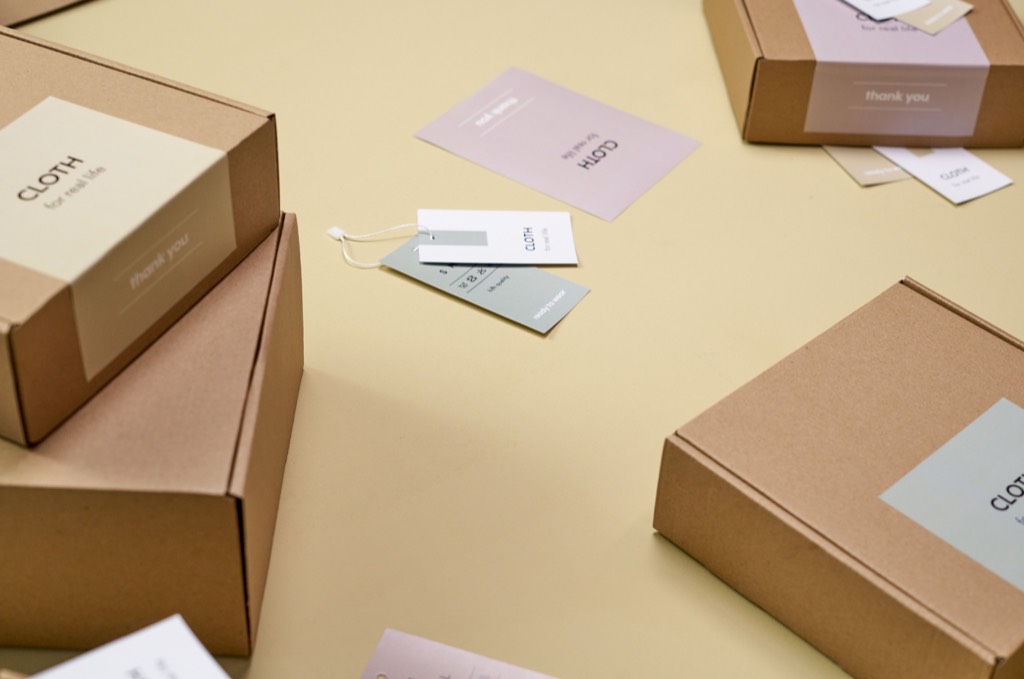
Plain cardboard boxes with white labels on a yellow surface

Oklahoma’s next medical cannabis packaging deadline arrives November 1, but it does not mean every older package must disappear from dispensary shelves that morning. The Oklahoma Medical Marijuana Authority has drawn an important distinction between products newly transferred by processors and qualifying inventory already held by retailers.

For patients, that means a change in packaging requirements may coexist with older, previously compliant products. For businesses, the practical question is when a product is produced, processed, packaged or transferred, and which requirements apply at that point. The deadline is an implementation date for an enacted law, rather than a new proposal awaiting a vote.

What changes at the processor-to-store boundary

In its October 12 clarification, OMMA says products produced, processed, packaged or transferred to a dispensary on or after November 1 must meet House Bill 4454. Transfers of products that do not comply with its new requirements are prohibited beginning that day.

The agency separately says dispensaries may retain, display and sell remaining inventory that complies with the labeling requirements in place before HB 4454. That allowance is significant, but it should not be read as permission to accept a new noncompliant transfer after the deadline.

OMMA says enforcement begins November 1, 2026, and that its compliance inspectors are receiving training intended to support consistent implementation. The clarification resolves a timing question; it does not provide a product-by-product advance approval list.

Serving information and child appeal are separate requirements

The enrolled legislation requires edible medical marijuana packages to state the number of THC servings and the amount of THC in each individual serving. Beverages must provide that information on the container as well. A whole bottle and one serving therefore should not be treated as interchangeable when reading the label.

The law also addresses designs likely to appeal to people younger than 18. Its examples include cartoons, toys, animals, certain food imagery, depictions of minors and likenesses to commercially available candy. It separately prohibits edible products shaped like humans, cartoons or animals, or reasonably resembling commercially available candy.

Those provisions concern both what the product looks like and how it is presented. A legible THC number does not, by itself, settle whether a design meets the child-appeal restrictions. Conversely, changing artwork does not replace the obligation to provide serving information.

Why familiar snack packaging raises a different risk

The FDA’s existing consumer warning explains the broader concern behind copycat designs. THC products can resemble ordinary cereals, cookies or candy closely enough that people consume them accidentally. Familiar logos, names and pictures can make the contents harder to distinguish from conventional food.

That federal warning is background, not a finding that a particular Oklahoma brand has violated HB 4454. It also does not establish that every edible sold in a regulated dispensary uses copycat packaging. The relevant issue is the possibility of confusion, especially when a child cannot read or understand the label.

The FDA advises contacting poison control at 1-800-222-1222 if a child consumes a THC product, without waiting for symptoms. Serious side effects require emergency medical help. Packaging review belongs upstream, but a possible exposure needs a prompt response.

A different label does not make storage less important

The CDC’s cannabis poisoning guidance notes that edible effects can take 30 minutes to two hours to become apparent and can last longer than expected. That delay can lead people to consume more before recognizing the initial effects.

The agency also advises keeping cannabis products in locked, childproof containers, out of children’s and pets’ sight and reach. Clear serving information helps an adult understand a product, but it cannot substitute for controlling access to it.

The Oklahoma poison center’s edible fact sheet similarly emphasizes locked storage and warns that children may mistake edibles for regular food. Its guidance predates this legislation. It remains useful context for why changing packaging and changing household storage are complementary tasks.

Our recent Ontario labeling recall coverage illustrates a separate packaging issue: inaccurate cannabinoid values. Oklahoma’s new design and serving requirements address different questions, underscoring why appearance and accurate contents information both deserve attention.

What to check before the deadline

Operators can use the remaining days to compare incoming products with the enacted text and OMMA’s transfer guidance, and raise specific interpretation questions with the agency. Patients encountering different labels can ask the dispensary to explain the serving information and whether the product is existing inventory.

The distinction to keep in view is straightforward: November 1 changes the rules for new production and transfers, while OMMA’s clarification preserves a route for qualifying older dispensary stock. Neither a redesigned package nor an older label should be used alone to infer a product’s dose, safety or compliance status.

Illustrative stock packaging photograph; not a cannabis product or an example of approved Oklahoma packaging. Photo: Ron Lach / Pexels.

Continue Reading

Trending

Join The Cannabis Aficionado Community!
Join the Cannabis Aficionado community and receive all of the most relevant news geared towards our sophisticated enthusiast community.
Loading

Copyright ©️ 2026 Cannabis Aficionado. Cannabis Aficionado is a registered trademark of CNM Inc. All rights reserved. Registration on or use of this site constitutes acceptance of our Terms of Service, Privacy Policy and Cookies Policy. People may receive compensation for some links to products and services. Offers may be subject to change without notice.