
Cannabis
Willy G: Sowing Lebanese Seeds in Humboldt County
As well as having high CBD content, the Willy G Lebanese landrace strain offer a unique leaf structure and enticing nose on the flowers.


Humboldt County has been a magnet for wayward and wandering souls for decades, and with its remote mountains and plentiful sunshine, it’s also been a haven for cannabis growers and enthusiasts. Willy G left Massachusetts about five years ago looking to immerse himself in the Humboldt lifestyle, and he was also on a mission to seek out the best medicine to help him manage the symptoms from his cerebral palsy.
“I wanted to be in a place where marijuana was more accepted and part of the culture,” he said. What Willy likely didn’t anticipate when he moved to the cannabis mecca of California is that he would play a leading role in the proliferation of a “landrace” strain of cannabis that originated in Lebanon thousands of years ago.
NorCal Rebirth for an Ancient Strain

Willy G inspects his strain with Beau from HSC. PHOTO | Mike Rosati Photography | rosatiphotos
Humboldt Seed Company (HSC) has been breeding and propagating some of the finest cannabis seeds in California for the last 20 years, and its founders are experts in the art of breeding and stabilizing new strains for commercial growers and hobbyists alike. When HSC’s CEO and founder Nathaniel Pennington first met Willy G, he was impressed with his knowledge of cannabis, and in particular his appreciation for landrace strains, which are the original indicas and sativas that have been grown in the wild for thousands of years in different parts of the world. Generally speaking, these strains are a pure representation of the original cultivar, have never been crossed with another variety, and are still growing in their native environment.
Not long after Willy moved to Humboldt, his cousin sent some seeds from a landrace strain that he had singled out as a special variety after touring several cannabis farms in Lebanon. “Lebanon has the oldest hash culture in the world, and my bet is that this is some really old strain that they’ve been cultivating for a long time,” said Willy.
When Pennington heard the story behind Willy’s seeds and saw some of his first efforts at growing it out, he was immediately intrigued by the unique leaf structure and enticing nose on the flowers — rare for a landrace strain, he says. He soon decided to help Willy in his quest to propagate this exotic cannabis plant, and it wasn’t long before Willy G was sprouting shoots on the company’s farm, in isolated greenhouses where its pollen could be captured and released for breeding purposes.

Willy G and Nathaniel Pennington from HSC during the Pheno Mega-Hunt. PHOTO | Humboldt Seed Company
After submitting some of the first Willy G plants for lab testing, Pennington confirmed that the strain was rich in CBD – anywhere from 10-20 percent, depending on the phenotype – and low in THC. For a landrace strain, he says, it also displays an unusually high variety of cannabinoids and terpenes, which give cannabis plants their seductive smells and flavors. Pennington said the company had a huge demand for the Willy G seeds last year, and it plans to make the seeds available at about 60 dispensaries throughout California this year. Ultimately, he hopes to see it thrive not only as a smokeable flower, but also in extracted formulations.
“Willy G really stands out because of all of its terpenes and flavonoids and large-scale producers should be interested in that for full plant extracts,” he says. “Using the whole plant (for extraction) is one of the best ways to get the full benefit of the CBD and the plant’s other medicinal properties.”
Willy G Puts CBD Flowers Back on Track

PHOTO | Humboldt Seed Company
Since most growers and breeders have focused on developing cannabis strains high in THC, to maximize potency, CBD levels have been on a downward slide for decades. However, as consumers become more aware of CBD’s potential therapeutic qualities — anti-inflammatory, anti-oxidant, neuro-protector, and more — the demand for CBD-rich flowers is on the rise. Willy G is somewhat unique because it has a high percentage of CBD and a low percentage of THC, making it an ideal product for people who want to smoke without the mind-altering effects that most cannabis strains deliver.
Pennington and Willy G are both strong believers in the “entourage effect,” which refers to the complex combination of cannabis compounds interacting with our brain and endocannabinoid system, creating myriad physical and psychological responses. Researchers, scientists and medical professionals are only beginning to understand the medicinal value of these interactions and the various ways to utilize them in treatments.

PHOTO | Humboldt Seed Company
The Willy G plants (aka, phenotypes) that are growing at Humboldt Seed Company garden late in the season exhibit different characteristics, which is not unusual as cannabis plants within the same strain often vary in structure, smell and potency. Looking across the garden, however, the Willy G plants are notably different than their hybrid cousins, with long, stretched-out stalks – reaching 15 feet high in some cases — and jumbo colas weighing them down. As Willy G navigates his wheelchair through the rows of imposing cannabis bushes, he stops to admire one of his namesake plants, dunking his nose in a Coke-bottle-sized cola that’s popping out through the lattice.
“The taste and smell is different than any strain I’ve ever smoked…it reminds me of Train Wreck but has other things going on too,” he notes. More importantly, he says that “it produces a very medicinal product that has a good effect on my muscle spasms, which is one of my main symptoms.”

PHOTO | Mike Rosati Photography | rosatiphotos
Willy primarily uses THC-heavy products (bubble hash, oil extracts) to manage his pain, but CBD-rich flowers can be effective for controlling spasms and reducing inflammation, sore muscles, and stress. “It’s about understanding about what to use when you need it, that’s what I like about cannabis and creating my own medicine,” he said. “I am very involved with what I’m treating myself with, so that’s a lot different than having a doctor tell you to take 200 Oxy 30’s (OxyContin), and then that’s the end of your appointment.”
In addition to growing out and selecting the best Willy G phenotypes for seed production, Pennington and Willy are also crossing it with other strains to develop new cultivars that are rich in both THC and CBD. “It takes a while to see where you’re at with these landraces, but I believe there is a lot of potential with Willy G,” says Pennington.

PHOTO | Humboldt Seed Company
Aside from his interests in breeding and landrace strains, Willy is excited about the potential to help other people with his namesake strain and its offshoots. “If we don’t seek new strains, we’ll just end up with different types of OG, Sour D and Cookies, which is not ideal for medical patients,” he argues. “I need new and diverse medicine for myself, so will keep making it and sharing with my community.”
While he doesn’t know where his exploration of cannabis medicine will end, Willy does know the possibilities are vast.
“It’s a personal dream of mine to go to the Himalayas and pick landraces from the fields,” he says. “It’s crazy to think about cannabis in other countries because we think we’re big balling over here with 10-acre fields. Over in Nepal in the mountains, there are plots that are 10 hectares and vast fields of wild strains that are yet to be bred.”



Cannabis
New York Opens Cannabis Nursery Applications November 5
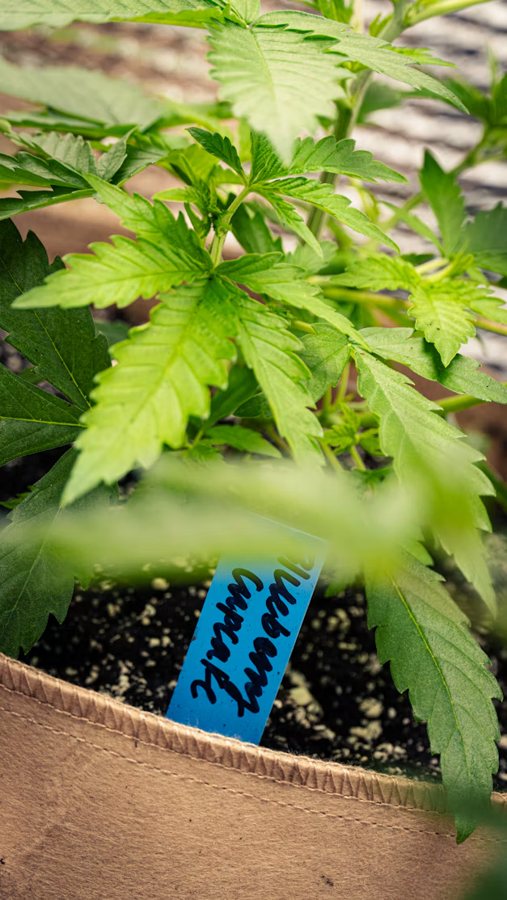
New York’s first nursery application window opens November 5, with an initial review of 50 applications for businesses supplying seeds and young plants.
Cannabis
Colorado Cannabis Safety Audit Calls for Stronger Oversight
A Colorado audit calls for improvements to cannabis oversight, while finding no evidence supporting claims of widespread product safety problems.

Cannabis
Kentucky’s Medical Cannabis Network Reaches 26 Open Dispensaries
Kentucky now lists 26 operating medical cannabis dispensaries, as Governor Andy Beshear reports 46 of 80 approved businesses are up and running.
-

 Cannabis3 days ago
Seed Junky’s Trulieve Deal Opens a New Chapter in Pennsylvania
-

 Cannabis3 days ago
Cronos Completes CanAdelaar Deal in the Dutch Cannabis Pilot
-
 Cannabis3 days ago
Tilray Brings Cannabis Quality Testing In-House in Portugal
-

 Cannabis2 days ago
UMass Poll Finds Majority Opposed to Massachusetts Cannabis Repeal
-

 Cannabis2 days ago
SNDL Expands Its Indirect Stake in Parallel
-
 Products2 days ago
Dank Pack Makes Its Alberta Debut With Blueberry BBL
-

 Cannabis19 hours ago
New York Opens Cannabis Nursery Applications November 5
-

 Edibles2 days ago
Delaware’s THC Beverage Rules Reach Their October Milestone