#cannabisaficionado

Cannabis

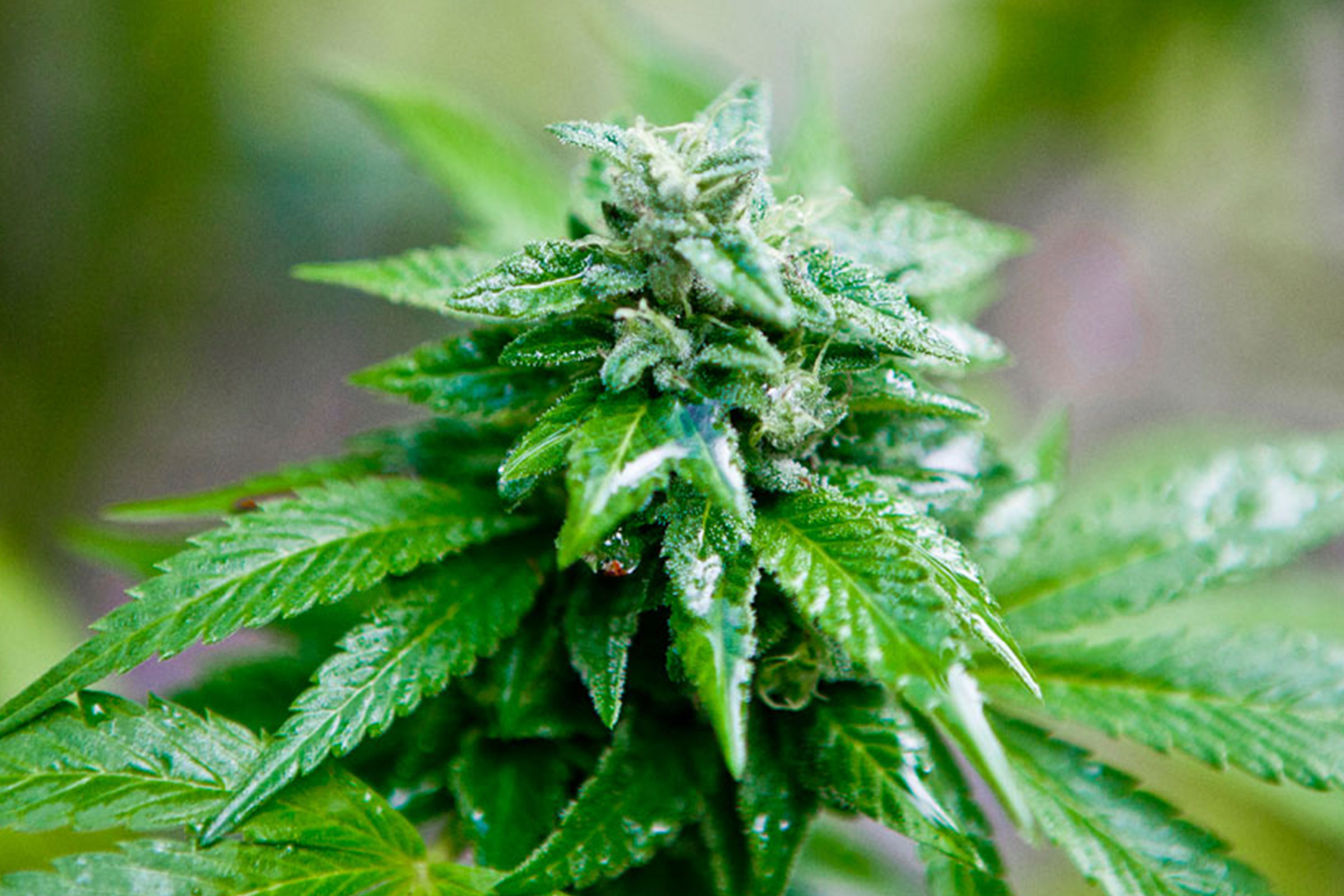
THCV: The Cannabinoid That Can Help With Weight Loss

What sets THCV apart from the other cannabinoids is it has the ability to suppress appetite, as studies are demonstrating.

Published

on

THCV
PHOTO | Gracie Malley
Advertisement Overdrive

More than 113 cannabinoids have been discovered in the cannabis plant, including tetrahydrocannabivarin, or THCV. An obvious molecular cousin to the infamous euphoric tetrahydrocannabinol (THC), THCV offers distinct characteristics in the world of cannabinoids.

According to Raphael Mechoulam, the Israeli researcher who discovered THC in 1964, “Most of the cannabinoids in cannabis have not been fully evaluated for their pharmacological activity. Tetrahydrocannabivarin is a potent antagonist of anandamide, a major endogenous cannabinoid. It seems possible that many of the non‐psychoactive constituents of this plant will be of biological interest.”

The Details on THCV

Probably the most distinct — and distinctly marketable — aspect of THCV is its ability to suppress appetite. This characteristic of this molecule is the opposite of THC, which has a reputation for enhancing appetite to create what is sometimes dubbed “the munchies.” This cannabinoid should be avoided by those suffering from anorexia.  

The medical community finds obvious interest in the appetite suppressing qualities of molecules such as THCV. The efficacy of natural and non-addictive products, lacking the side effects of traditional pharmaceutical therapies, is of obvious benefit to consumers suffering from conditions like obesity and Type 2 diabetes.

THCV regulates blood sugar levels and reduces insulin resistance. It is believed to be helpful for osteoporosis and other bone-related conditions. For the same reasons that it is helpful for Alzheimer’s disease, this special cannabinoid shows promise for alleviating the symptoms of and delaying the neurodegeneration associated with Parkinson’s disease. THCV may also prevent and relieve panic attacks in PTSD patients.

Cannabis strains rich in THCV include Doug’s Varin, Durban Poison, Jack the Ripper, Pineapple Purps, Power Plant, Red Congolese, Skunk #1, and Willie Nelson. It is more common in sativa varieties of the herb.

The Research

Research into the medicinal efficacy of cannabinoids like THCV is increasing, although thwarted in the United States by the Schedule 1 status of cannabis. A number of studies have revealed the neuroprotective and blood sugar regulation qualities of THCV, spotlighting its efficacy for senior patients with diseases such as Alzheimer’s disease.

A 2011 study entitled “Symptom‐relieving and Neuroprotective Effects of the Phytocannabinoid Δ9‐THCV in Animal Models of Parkinson’s Disease” published in the British Journal of Pharmacology concluded that THCV can be a beneficial therapy for patients with diseases involving neurodegeneration, including Parkinson’s disease.

The study’s researchers concluded, “Given its antioxidant properties and its ability to activate CB2, but to block CB1, receptors, THCV has a promising pharmacological profile for delaying disease progression in Parkinson’s disease and also for ameliorating Parkinsonian symptoms.”

A review article published in 2012 in the journal Frontiers in Endocrinology entitled “Role of Cannabinoids in the Regulation of Bone Remodeling” demonstrated that the human endocannabinoid system—which features CB1 and CB2 receptors that bind with cannabinoids like THC and THCV—is present in not only the brain, central nervous system, and immune system, but also throughout the skeletal system.

Concluded the study, “The endocannabinoid system plays a key role in regulating a variety of physiological processes, such as appetite control, energy balance, pain perception, and immune responses. Recent studies have implicated the endocannabinoid system in the regulation of bone cell activity and bone remodeling.”

Cannabis

Pink Lemonade: This Sparkling Strain Is Both Pretty & Potent

The frosted pink buds of Pink Lemonade might dazzle the beholder with glittering layer of golden trichomes, but this gorgeous flower isn’t all looks.

Published

on

Pink Lemonade
PHOTO | Anna Wilcox

Dusted with a glittering layer of golden trichomes, the Pink Lemonade strain is endowed with a mystical appearance that embodies everything curious, attractive, and intriguing about cannabis flowers. Tightly bound calyxes dazzle with a bouquet of pink, violet, and sage coloration.

Cracking open one of these flowers emits a comfortable herbal aroma. A burst of crispness teases the nose, somewhat akin to the tart fizz in a carbonated cherry drink. This dessert-like aroma nicely compliments a definite happy hour high. Calm, relaxed, and downright chill, Pink Lemonade is a true afternoon delight.

The Pink Lemonade High

Put on some chill beats and pour yourself a nice drink. This plant is smooth, easy, and well-rounded. If inhaling Pink Lemonade feels like the first meaningful breath you’ve taken all day, you might be pleasantly surprised as a subtle relaxation works its way along the limbs and through the muscles.

There’s no doubt about it–this plant is a go-to strain for mellowing out. While often described as thoughtful and creative, the herb is better suited to leisure activities than it is serious concentration.

While solo consumers may enjoy putting on some Netflix after a little of this plant, it’s peaceful and contented nature is ideal for social gatherings. Spending time with friends may always be fun, but it’s easy to sit back enjoy a pleasant conversation after a few tastes of Pink Lemonade.

It’s worth mentioning, however, that cannabis affects everyone differently. The herb tends to be a mood enhancer rather than an instant remedy for happiness. If you are in an easygoing and relaxed environment, expect even more mellow after enjoying a little bud. If you’ve been having a bad day, strains like Pink Lemonade may provide relief by softening negative emotions and making them more tolerable.

Pink Lemonade Strain Background

Today’s cannabis market is truly a craft one. To say that the lack of federal recognition of the herb is problematic is an understatement. However, one benefit of state-by-state legalization is the development of truly local, expertly crafted products.

Pink Lemonade is a superb example of such a flower. There are many renditions of Pink Lemonade out there, yet the particular version pictured is a cross between two contemporary hybrids, Lemon Cheesecake and Huckleberry Soda.

Each parent strain is exceptional in its own right. Lemon Cheesecake is a sativa-dominant flower with a sour cream aroma and substantial THC production. Huckleberry Soda is a craft hybrid from Annunkanki Genetics, an intriguing cross between two hybrids, Black Cherry Soda and Huckleberry Hound.

Pink Lemonade Strain Benefits

As a craft flower, Pink Lemonade was arguably bred more for enjoyment than serious medical potential. It’s frosted pink buds dazzle the beholder, showcasing the fact that this plant is truly a treat. However, this gorgeous flower isn’t all looks.

The flower produces upwards of 25 percent THC. This means that the plant may be useful to those who benefit from high-THC therapies. Those interested in making a full-extract oil, hash, or other forms of concentrates may also enjoy experimenting with this sugary herb.

This plant is not too energizing nor is it overly sedative. However, those hoping for a little extra help falling asleep at night may find the flower helpful. The relaxed flower may also be beneficial for anxious individuals in search of a social lubricant.

However, the high-THC content in Pink Lemonade can inspire the opposite effect in some people. Bottom line: if you are prone to social anxiety or often respond poorly to THC, this potent flower is likely not the best choice.

Continue Reading

Cannabis

Peach Oz: This Sweet And Juicy Cultivar Will Stimulate Your Creativity

Published

on

PEACH FUZZ | PHOTO: WONDERBRETT

If you’re looking for a premium cultivar with legendary genetics and a euphoric high, look no further than Peach Oz, the latest addition to Wonderbrett’s stellar strain menu.

A cross of Peach Rings with OZ Kush and a descendent of Zkittlez, the sweet, stimulating citrus taste profile of Peach Oz will get your creative juices flowing.

While the cultivar may be new to the public, according to Wonderbrett Co-Founder and famed Breeder Brett Feldman, it’s five-years-old in the world of genetics.

“There’s only a small handful of heady smokers who follow these things,” says Feldman. “I wanted to bring it to the masses to share the experience with everybody. That’s where my passion comes from with this strain. Similar to an amazing dish at a restaurant, you want to share it with your friends.”

Grown in small-batches at scale from the company’s state-of-the-art Long Beach cultivation facility, the strain was first created by Dying Breed Seeds, then perfected by Cannabis By Corey, before making its way to Feldman.

Wonderbrett’s grow room | PHOTO: Courtesy Wonderbrett

Bursting with flavors and aromas that bring to mind the sweet ocean breeze and fragrant fruit orchards of the California sunshine state, Peach OZ’s four dominant terpenes: Caryophyllene, Linalool, Limonene and Humulene, create a distinct sweet taste of ripe peaches, citrus candy and cream.  

“When any strain has that unique, recognizable consistency in its flavor, whether that be peach, lemon or orange, that’s what myself and other breeders appreciate most and look for when bringing a genetic like this to market. It’s mind-blowing what Peach OZ can do that, translating a fruit flavor to a smoking experience,” explained Feldman.

Peach OZ is available at select dispensary and at Wonderbrett’s flagship dispensary in L.A.

Continue Reading

Cannabis

Wizard Stones: The Magic of Making Cannabis Diamonds

Aaron Palmer and Graham Jennings, founders of Oleum Extracts in Washington State, talk about Wizard Stones, their THCA isolate product.

Published

on

Wizard Stones
PHOTO | Oleum Extracts

Heat, pressure, and time. The three components required to form a diamond from carbon. But what about diamonds made from cannabis? The founders of Oleum Extracts, Aaron Palmer and Graham Jennings both agree that a good cannabis diamond aka Wizard Stones ultimately comes down to the flavor provided by its terpene fraction.

‘Diamonds’ is a slang term for the crystal formations of the cannabinoid THCA. The molecule’s lattice structure builds upon itself naturally as individual molecules clump together creating the faceted formations that resemble diamond or quartz.

When most people talk about cannabis diamonds, they’re talking about THCA structures that form in their own terpene sauce. So, it’s a little different technique than other isolation methods.

While their chemical composition is the same, the process to make them is slightly different than the traditional diamonds mined from a raw extract. Instead, they use a specially formulated solvent mix to create a solution with a composition that encourages crystallization.

Due to Washington state’s regulations, Oleum is limited in the chemical solvents they can use. So that blend is the crucial variable to isolating THCA into their Wizard Stones product.

Growing cannabis diamonds within their original terpene fraction comes down to creating an environment with the right amounts of pressure and heat to encourage crystal growth.

Within the raw extract, the terpene and cannabinoid compounds are homogenized together, but as they settle and separate the mixture “crashes” — which is the start of crystallization.

Palmer explains that this process “helps to create a seed because if there’s nothing for the THCA molecules to grab onto then they have a harder time starting the diamond formation.”

There are a few ways extractors seed a solution to start diamond growth, but Oleum prefers to use freezing temperatures to solidify and then thaw their extract, helping to create small groupings of THCA for other molecules to stack off.

Another common seeding technique is to drop a previously grown crystal into the extracted mixture of cannabis compounds, giving the THCA something to grow off.

This technique is especially useful when filming a time-lapse of the crystal growth because it gives the camera a focal point knowing where the formation will grow from.

Creating Wizard Stones

The above timelapse video was photographed over a four day period by Dankshire. We can see diamonds begin to form almost immediately. However, the crystallization process can take a month if not longer to complete once a raw extract is jarred and waiting to crash.

Oleum utilizes custom-built isolation vessels for their production diamond runs but admits that the jar tech allows more visibility into the process.

Jennings points out, “You see the jars, we even do the jar stuff a lot. It’s more popular… and people know what it is compared to a large isolation vessel that no one can see into it but you know it’s growing 2,000 grams of crystals.”

Each batch can present a different ratio of diamonds to sauce and it seems like everyone wants a little different combination. “We just give ‘em what it makes,” Jennings said.

That’s the beauty of isolated products like cannabis diamonds and sauce; you can mix your own cocktail of cannabis compounds and really dial in the flavors and feelings that you’re after.

Wizard Stones grown in their own sauce create a potent, refined, and pronounce expression of the strain they are extracted from.

Continue Reading

Trending

Join The Cannabis Aficionado Community!
Join the Cannabis Aficionado community and receive all of the most relevant news geared towards our sophisticated enthusiast community.
Loading

Copyright ©️ 2026 Cannabis Aficionado. Cannabis Aficionado is a registered trademark of CNM Inc. All rights reserved. Registration on or use of this site constitutes acceptance of our Terms of Service, Privacy Policy and Cookies Policy. People may receive compensation for some links to products and services. Offers may be subject to change without notice.