#cannabisaficionado

Cannabis

Organigram’s Aurora Deal Sets Up a New Test for Cannabis Consolidation

Organigram and Aurora have agreed to a Canadian cannabis combination. The proposed deal’s value, competing bid and approval process explain what changes now—and what still has to happen.

Published

on

An empty conference table surrounded by black office chairs.
Advertisement Back2Grow Advertisement

Organigram and Aurora Cannabis have signed an acquisition agreement that would bring two Canadian cannabis businesses under one roof. Announced November 3, the proposed combination is a significant ownership story for cannabis patients, shoppers and industry watchers. It is also an agreement still awaiting approvals, rather than a completed takeover.

The companies put Aurora’s fully diluted equity value at approximately C$561 million. Their joint announcement filed with the SEC describes a C$7.80-per-share transaction and an expected January 2027 completion, subject to conditions. Keeping those qualifications attached to the headline matters: products, employees and shareholders do not move into a combined business simply because an agreement has been signed.

A new agreement after a contested approach

This transaction follows a public contest over Aurora’s future. In its October 6 offering update, Curaleaf proposed cash and shares with an implied value of US$5 per Aurora share, using a specified October 2 share price and exchange rate. Its proposal combined US$1 cash with 0.4013 Curaleaf shares.

That older implied value should not be placed beside today’s Canadian-dollar headline as though both were fixed cash offers measured identically. A share component changes with the underlying stock, and currency conversions depend on the date and rate used. Comparing acquisition proposals requires reading their calculation assumptions alongside their headline numbers.

Curaleaf’s October filing also urged Aurora to engage and disputed Aurora’s objections to its documentation. That is the bidder’s position in a contested process, rather than an independent conclusion about which proposal shareholders should prefer. The distinction is useful when deal announcements arrive with confident language from both sides.

How Aurora reached this point

Aurora’s October 14 response said its independent special committee was examining alternatives, including a third-party transaction or remaining independent. It described discussions with multiple parties under confidentiality and standstill agreements. At that stage, it cautioned that a transaction might never emerge.

The same document presented Aurora as a medical cannabis business serving Canada, Europe, Australia and New Zealand. Those markets help explain why the story extends beyond a Canadian retail brand portfolio. Medical-market distribution, manufacturing and patient access are distinct parts of a cannabis company’s operating network.

Read chronologically, the two October filings and today’s agreement show a process moving from competing approaches toward a board-supported proposal. They do not establish that every commercial question has been resolved. A signed agreement supplies terms and a path forward; completion and subsequent operating results are separate milestones.

What the new terms establish

Today’s announcement gives Aurora shareholders cash, Organigram-share or combined consideration options, with proration affecting the cash-only and share-only elections. Both boards support the agreement. The companies expect shareholder meetings in December, followed by a January closing if the required conditions are satisfied.

The joint release also describes the proposed company as a combination of recreational-market capabilities and an international medical platform. That is the strategic rationale management is offering. It gives readers a framework for assessing later updates: whether the business can connect those capabilities while meeting the requirements of each market. A broader footprint is an operating ambition, not evidence that regulations or patient needs become uniform across countries.

Those details are more useful than treating the transaction as a single price tag. An election is a choice within the arrangement’s rules, not a promise that every shareholder will receive an unrestricted preferred mix. Likewise, board support does not replace the shareholder, court and regulatory steps described in the transaction documents.

For readers following cannabis consolidation, the central question becomes execution. Combining ownership can create opportunities to coordinate operations, but an announcement cannot demonstrate future product consistency, service quality or realized savings. Those outcomes need evidence from the business after any closing, rather than an assumption based on size.

What patients and shoppers should watch

For a patient, the practical questions are specific: will the same product remain available, through the same channel, with the same ordering support? For a recreational shopper, they may concern brand continuity and selection. Today’s transaction headline alone does not answer those questions, and it should not be read as an immediate instruction to change purchasing arrangements.

Our earlier Tilray production coverage follows a different kind of consolidation: moving work within an existing company. Aurora’s proposal concerns ownership. Keeping those stories separate makes it easier to judge what a particular announcement can actually change.

The next useful documents will be the detailed shareholder materials and subsequent approval updates. Until those steps occur, the accurate description is a proposed acquisition with board backing. That leaves room to recognize the scale of the cannabis deal while reserving judgment on the combined company’s eventual performance.

Illustrative stock office photograph; not an Organigram or Aurora facility. Photo: Aheed Baithul Nafia / Pexels.


Health

Oregon Recalls Cannabis Vapes and Edibles After Bifenthrin Retesting

Oregon has recalled cannabis products made with extract that failed pesticide retesting. We explain how to check the official list without relying on a product name alone.

Published

on

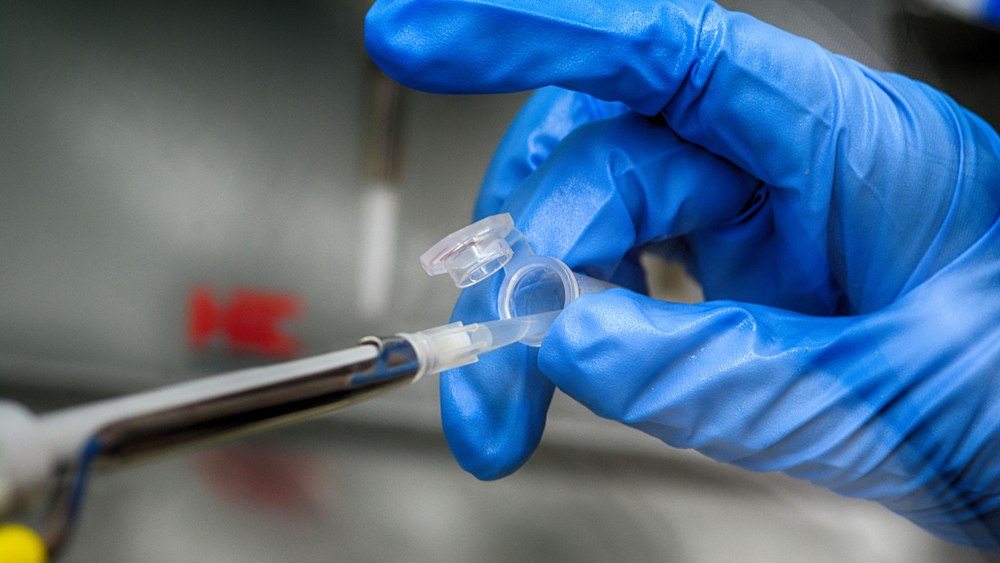
A blue-gloved hand holding an open sample tube beside a laboratory pipette.

Oregon has ordered a recall of cannabis vapes and edibles made with extract that failed retesting for the pesticide bifenthrin. The November 23 notice covers affected products sold from June 16 through November 23, 2026. Our immediate advice is to check what you have against the official recall information and keep any suspected product out of use while its identity is resolved.

The Oregon Liquor and Cannabis Commission says the products should not be sold or consumed. This is a recall of identified inventory, rather than a finding that every cannabis vape or edible sold in Oregon is affected. The useful task is matching a purchase to the regulator’s records, not making assumptions from a familiar brand or flavour.

Start with the retailer and manufacturer

The OLCC bulletin warns that some product names and unique identification numbers in the database may differ from labels. It identifies the retailer where a product was purchased and its manufacturer as the best matching points. The commission encourages consumers with recalled products to destroy them and directs health concerns to a medical provider or the Oregon Poison Center at 800-222-1222.

The official November recall lookup offers filters for product name, manufacturer, licence name, address, city, package number and laboratory. Its instructions say filters are optional and that address and city searches apply to retail locations. We would start with the shop and manufacturer, then use other fields to narrow a result rather than treating one unsuccessful name search as clearance.

Keep the original package and purchase information available when asking the retailer or regulator to identify an item. A photograph of the full label can make that conversation more precise. We would record the date of the check and the answer received, especially if the printed name differs from the way a product appears in the lookup.

What the testing finding establishes

OLCC says the extract initially passed compliance testing, but subsequent testing identified bifenthrin. Oregon’s Cannabis Reference Laboratory confirmed levels above the state’s established limits in samples from two extract batches. The commission is investigating why the original tests did not detect it. That establishes a testing discrepancy requiring investigation; it does not establish who caused it or why.

We would avoid turning the recall into an unsupported account of deliberate misconduct. The agency’s notice supplies an action to take now, while the investigation addresses how affected material moved through the system. Those are related questions, but they do not require the same evidence or reach an answer at the same time.

The label is a record, not just branding

OLCC’s label checklist and generic examples distinguish information such as a processor’s business name and licence number, a package UID, product identity and testing details. The examples illustrate different product formats, including edibles and extract cartridges. They are examples of label information, not a list of products included in this recall.

That distinction is useful when a package carries several names. A retail shop, a consumer-facing brand, a licensed processor and a testing laboratory do not necessarily describe the same business. We would copy the details as printed rather than shorten them to the logo on the front. The more complete record helps the official lookup do its job.

The same caution applies to a passing test date printed on a package. In this case, the regulator is specifically reporting a later testing finding. A previous compliance result is part of the history; it does not override the new recall instruction for an affected item.

What is bifenthrin?

The National Pesticide Information Center’s fact sheet identifies bifenthrin as a pyrethroid insecticide. It describes possible exposure through skin contact, ingestion or inhalation and notes that inhalation can irritate the nose, throat and lungs. That general toxicology resource is background, not a diagnosis of anyone who used a recalled product or a measurement of their exposure.

We would not use a symptom list to decide that an uncertain product is safe. Nor can the appearance or smell of a vape or edible establish a pesticide concentration. The regulator’s product identification and testing findings are the relevant evidence for the recall; an individual health concern belongs with a health professional or poison centre.

For now, the clearest response is a careful label-and-retailer check followed by the official instruction for an affected purchase. Keep suspected products away from children, pets and anyone else who might use them inadvertently. We will look for further OLCC findings before assigning a cause to the testing failure or broadening the recall beyond the inventory it identifies.

Illustrative laboratory stock photograph; not Oregon’s reference laboratory or a recalled cannabis sample. Photo: Jorge Sepúlveda / Pexels.

Continue Reading

Health

Wana’s Colorado Recall Puts Child-Resistant Gummy Packaging Under Review

Colorado’s November 23 notice identifies a voluntary Wana recall for packaging safety features. We explain the batch check, secure storage and when to seek help.

Published

on

A key hanging from the lock of a white cabinet drawer.

Wana has voluntarily recalled selected Colorado cannabis gummies because their child-resistant packaging may not function as intended. Colorado’s November 23 notification identifies manufacturing licence 404R-00099 and specific production batches sold between October 19 and November 17. We would check the licence and batch together, then secure any affected package rather than assume that closing its lid restores the missing safeguard.

The Department of Revenue’s original notice says a retailer alerted Wana to the deficiency. It reports no identified issue with the marijuana product itself and no reported adverse health event associated with the packaging at publication. That does not make the packaging concern trivial: the purpose of the safety feature is to reduce accidental access, particularly by children.

Match a batch, not an entire brand

The notice lists individual gummy products and production codes. Examples include Stay Asleep Dreamberry batches R-OSAZ-001 and R-OSAZ-002, and Peaceful Pear batches R-APRH-001 and R-APRH-002. These examples are not the complete list. Use the original two-page notice to check every potentially affected package, including its manufacturing licence number, rather than infer that all Wana products are recalled.

Colorado says affected consumers may dispose of the product or return it to the store of purchase for proper disposal. Until then, consumers should not rely on the packaging being child-resistant and should keep it securely out of children’s reach. The notice’s linked store list can help identify where affected batches were sold, but the package details remain essential to the check.

We would keep the label readable while arranging a return. Photograph the licence number and full production code if you need help identifying it. A product name alone can span different batches, and a store carrying the brand does not establish that every package from that store has the same issue.

Make storage a separate safeguard

Health Canada’s storage guidance recommends keeping cannabis locked away, out of sight and reach of children and pets, and separate from ordinary food and drinks. It also recommends original packaging and says cannabis should never be left unattended where children can access it. These are general storage principles, not Colorado recall instructions or Canadian product limits being applied to Colorado.

For a recalled container, we would treat a separate locked storage space as an immediate protective step while following the return or disposal directions. A high shelf and a familiar closure are different safeguards from a lock. The useful question is whether a child could gain access to the product now, including during a visit, a move between rooms or preparations to return it.

Do not move gummies into an ordinary food container where another person could mistake them for a snack. Retaining the original label also preserves the information needed to identify the product. Secure storage should reduce access without creating a new identification problem for the household or the retailer handling a return.

Why an edible requires particular care

The CDC’s poisoning guidance explains that edible cannabis can take 30 minutes to two hours to produce intoxicating effects, with effects potentially lasting longer than expected. It identifies accidental child exposure as a poisoning risk. The delayed onset is one reason an adult should not wait for an obvious immediate reaction before seeking advice about suspected ingestion.

That context does not show that a child has been harmed by one of these recalled packages. It explains why packaging and storage remain important even when a notice reports no adverse event. We would keep the known defect, the potential risk and any confirmed outcome in separate view, without minimising the first or inventing the last.

What to do if ingestion is suspected

The American Academy of Pediatrics’ parent guidance advises finding out what and how much a child may have eaten, checking the wrapper’s THC information and contacting Poison Control promptly at 1-800-222-1222. Severe symptoms require immediate emergency care. The federal Poison Help guide specifically directs calling 911 if a person is unconscious or has trouble breathing.

Colorado’s recall notice also says suspected child ingestion requires immediate medical attention and reporting to the Marijuana Enforcement Division. Getting help comes before completing a product complaint. Keep the package information available to the professional responding, rather than trying to estimate a safe exposure yourself.

Our priority is a precise check and a practical response: verify the licence and production batch, secure an affected package and follow the official return or disposal direction. A recall about a container is still a cannabis safety story. Its significance lies in preventing access before a packaging fault becomes an exposure.

Illustrative cabinet-lock photograph; not Wana packaging or a demonstrated childproof storage system. Photo: Jakub Zerdzicki / Pexels.

Continue Reading

Health

Utah Opens Comments on Medical Cannabis Rule Repeals as Oversight Moves

Utah is proposing to repeal six DHHS cannabis rules as oversight moves to Agriculture and Food. Comments are open through December 15.

Published

on

Close-up of a person using a blue pen to write on a clipboard.

Utah has opened a comment period on proposed repeals of six Department of Health and Human Services medical cannabis rules as oversight moves to the Department of Agriculture and Food. Comments are due December 15, 2026. The word “repeal” can sound alarming when your access to medicine depends on a state program, so we went to the transition documents before treating it as a change in patient eligibility.

The official notice describes an agency transfer implementing House Bill 389, not a proposal to close Utah’s medical cannabis program. It says the rules will be readopted by the Utah Department of Agriculture and Food, or UDAF, in early 2027. Proposed successor rules appear in the same November 15 issue of the Utah State Bulletin.

Which rules are being moved?

The six DHHS rules cover definitions; electronic verification and inventory-system registration, limits and confidentiality; dosing and partial filling; pharmacy medical provider education; expedited compassionate-use review; and Compassionate Use Board hearing procedures. These are parts of the machinery that makes a medical program function, even when patients rarely need to read the rule numbers.

The notice directs people to pages 248–267 of the bulletin for the repeal documents. Written comments on these DHHS proposals can be sent to dlbcrules@utah.gov through December 15. Identify the relevant rule and the concern clearly so the agency can connect a comment to the actual proposal.

We would focus comments on the practical handoff: how to find the right contact, how a pending matter will be handled and where updated instructions will appear. A specific question about a registration or review process is easier to address than a broad objection to a rule number disappearing.

Why is Utah changing agencies?

The state’s 2026 medical cannabis law summary says DHHS duties transition to UDAF by January 1, 2027. It states that the change will not affect patient access and that patients, providers and industry will be informed when the transition is complete. Once transferred, UDAF is to oversee all aspects of the program.

That is the state’s stated plan, rather than independent evidence that every administrative step has already happened. The distinction matters now: a statutory transfer date, a proposed rule’s possible effective date and a promised notification describe different milestones. We would look for the relevant final notice before assuming a particular process has changed.

Other provisions in the law summary address patient identification, caregivers and purchasing. Those separate changes should not be attributed automatically to these six repeal filings. Our previous coverage of Utah’s proposed patient voucher rules concerns another part of the year’s implementation work, with its own requirements and questions.

What does the original filing say?

The November 15 Utah State Bulletin explains that DHHS intends the repeals to take effect at the same time as, or shortly after, UDAF adopts replacement provisions under Title R67. Its analyses anticipate continuity and no new compliance costs from the repeals themselves, while directing broader legislative fiscal effects to HB 389’s fiscal note.

The filings list December 22 as a possible effective date and explicitly warn that this is not an established effective date. We would not put “new rules start December 22” in a calendar on that basis. The accompanying explanation anticipates the UDAF medical cannabis rules taking effect in early 2027, making final coordination worth watching.

That paperwork also shows why an isolated repeal headline can mislead. Removing an old agency’s rule and establishing the receiving agency’s authority can be paired actions. To understand the practical result, compare the outgoing provision with its successor rather than assume the subject is no longer regulated.

The state’s provider guidance gives this transfer a practical context. Its electronic verification system holds cards, recommendations and purchase information. A recommending medical provider handles certification, while a pharmacy medical provider consults on products and amounts. Those separate roles help explain why registration, confidentiality and dosing procedures need clear continuity when the responsible agency changes.

What should patients watch next?

Keep the December 15 comment deadline separate from your own card or appointment dates. The proposal is not an instruction to stop using the program, skip a renewal or change treatment. Questions about a personal registration or a pending petition belong with the program’s official contacts and your treating provider where appropriate.

Our priority is continuity you can actually navigate: clear instructions, a working route for questions and final notices that match the promised handoff. Utah has described the direction of travel. The next meaningful test is whether the completed transition leaves patients able to find and use the processes they need without confusion about which agency is responsible.

Illustrative stock photograph of paperwork review; not a Utah patient, official or agency proceeding. Photo: Kindel Media / Pexels.

Continue Reading

Trending

Join The Cannabis Aficionado Community!
Join the Cannabis Aficionado community and receive all of the most relevant news geared towards our sophisticated enthusiast community.
Loading

Copyright ©️ 2026 Cannabis Aficionado. Cannabis Aficionado is a registered trademark of CNM Inc. All rights reserved. Registration on or use of this site constitutes acceptance of our Terms of Service, Privacy Policy and Cookies Policy. People may receive compensation for some links to products and services. Offers may be subject to change without notice.