#cannabisaficionado

Industry Innovators

Epidiolex Sales Dip as Jazz Tracks a 2027 CBD Capsule Review

Jazz reports lower quarterly Epidiolex sales but growth across nine months, while a proposed CBD capsule awaits an FDA decision targeted for April 2027.

Published

on

Hands holding an open bottle and several capsules.
Advertisement Back2Grow Advertisement

Prescription CBD has a different business rhythm from the dispensary shelf. Jazz Pharmaceuticals’ November 2 earnings report shows that distinction clearly: quarterly sales of Epidiolex and Epidyolex slipped from a year earlier, even as the company reported growth across the first nine months of 2026 and a pending review for a capsule formulation.

For cannabis readers, the story sits at the intersection of cannabinoid science, pharmaceutical distribution and drug regulation. It is not evidence that every CBD product shares the medicine’s approvals, or that a proposed capsule is already available to patients.

A softer quarter within a growing year

In its third-quarter results, Jazz reported combined Epidiolex/Epidyolex net product sales of $295.4 million, compared with $302.6 million in the same quarter of 2025. Nine-month sales reached $837.3 million, up from $772.0 million. The quarter declined roughly 2%, while the longer period grew roughly 8%.

Jazz attributed the quarterly comparison to factors including gross-to-net deductions and wholesaler inventory buying patterns. That is the company’s explanation, not an independently established measure of patients’ demand. Sales revenue alone does not tell readers how many patients began treatment, how many prescriptions were dispensed or whether an individual’s access improved.

The different time windows are worth keeping together. Calling the business simply “down” would lose the nine-month increase; calling it simply “growing” would hide the weaker quarter. Both observations can be true because they describe different periods.

The capsule is still a proposal

Jazz also reported an FDA target action date of April 16, 2027, for a cannabidiol capsule application. A target date is a regulatory milestone, not an approval announcement or a promised launch. The product should therefore be described as under review, rather than presented as an approved alternative patients can request now.

The FDA’s explanation of drug review makes the distinction practical. An application brings together evidence, proposed labeling and other information for agency examination. Reviewers assess the submission, and unresolved questions may require additional information or studies before a medicine can be approved.

For readers watching cannabinoid pharmaceuticals, the decision matters more than the calendar entry alone. The eventual outcome and authorized labeling, if approval occurs, would establish what the product may be marketed to do. An earnings update cannot substitute for that decision.

What Epidiolex approval actually covers

The FDA’s approval record identifies cannabidiol as the drug substance and lists treatment of seizures associated with Lennox-Gastaut syndrome, Dravet syndrome or tuberous sclerosis complex in patients at least one year old. These are defined indications, not a general authorization to treat every condition discussed in cannabis marketing.

The agency’s broader cannabis regulation guidance distinguishes an approved medicine from other CBD products. Approval concerns a particular drug and its intended use. Sharing the name of an ingredient does not transfer the evidence, manufacturing requirements or approved claims to an unrelated bottle sold elsewhere.

That matters when business news travels through social media. A post celebrating prescription CBD revenue can easily be read as validation of the entire CBD marketplace. The accurate connection is narrower: a specific cannabinoid medicine is generating commercial sales within a regulated pharmaceutical system.

Reading the numbers without overreading them

Net product sales are a commercial measure. They are not a clinical outcome, a count of people helped or an estimate of the total cannabis economy. Comparing that figure directly with retail cannabis sales would combine markets with different products, purchasing channels and accounting contexts.

Likewise, an increase over nine months does not establish that a medicine has become more effective. Efficacy and safety are clinical questions. Earnings describe the business around a treatment, while approval documents and prescribing information define its authorized medical role. Keeping those records separate makes both easier to understand.

For patients and families, the actionable information remains the approved product information and advice from the treating clinical team. A financial release does not supply an individualized reason to switch formulations, alter a dose or replace a prescribed medicine with a retail CBD product.

The next checkpoint

The near-term story is a mixed sales comparison, not a reversal in the legal status of CBD. The longer-term checkpoint is the capsule review. Until the FDA acts, the clearest description is also the most useful: an established prescription cannabinoid business has reported a softer quarter while pursuing another formulation through the drug-review process.

A pending formulation also raises questions that a target date cannot answer: the final instructions for use, the population covered and whether approval is granted at all. Readers should wait for an actual regulatory decision before treating a development timetable as a change in available treatment.

Our coverage of the AMA’s botanical-drug comments explores the wider debate about evidence standards. That policy discussion is separate from a decision on this particular capsule application.

Illustrative capsules; not Epidiolex or the proposed Jazz formulation. Photo: cottonbro studio / Pexels.


Industry Innovators

Rhode Island Clarifies Hemp Quarantine Ahead of December THC Limits

Rhode Island’s new FAQ explains how hemp inventory must be handled before December 11. We separate the deadlines, product limits and remaining questions.

Published

on

Stacks of plain cardboard boxes on pallets inside a warehouse.

Rhode Island’s Cannabis Control Commission has published new answers on quarantining hemp products as it prepares to enforce tighter total-THC limits on December 11. The November 20 guidance puts inventory, paperwork and the difference between bulk ingredients and finished products at the centre of the transition. For us, the immediate priority is making those distinctions clear before businesses make irreversible decisions about stock.

This is guidance for Rhode Island’s regulated hemp market. It should not be read as a complete account of every state’s rules or as permission to move a product elsewhere. Hemp is cannabis, but a product’s route through the hemp system and its route through a licensed marijuana business are not interchangeable.

Which deadlines should businesses check?

The commission’s Bulletin 2026-7, amended November 20, sets December 11 as the enforcement date, subject to federal changes or further guidance. It identifies a maximum of 0.4 milligrams of total THC per container for final hemp-derived products and a 0.3 percent total-THC limit for intermediate products.

The bulletin also requires businesses planning to retain eligible stock in a designated quarantine area to submit the Hemp Quarantine 2026 document by December 4 and keep a physical copy onsite. Quarantined goods cannot simply return to ordinary processing, distribution or sale. Destruction requests go through the Cannabis Office, with supervision required.

We would put the paperwork date and the enforcement date in separate calendar entries. The first concerns identifying inventory and documenting the plan; the second changes what can happen to affected goods. Waiting until the later date to start classifying stock leaves less room to resolve a mistaken product designation or a missing record.

What does the new FAQ add?

The November 20 quarantine and destruction FAQ says quarantine is optional, but noncompliant products cannot remain onsite after the deadline unless designated for quarantine beforehand. It describes a supplemental document, due December 11, for activity between December 4 and December 11. That adds an important reconciliation step for businesses that continue operating during the intervening week.

The FAQ distinguishes intermediate material from final retail packaging and says quarantined products cannot be sold or transferred after the deadline. Without a change in law, release after December 11 is limited to a destruction request. It directs businesses with clerical errors to seek reconciliation through the office rather than silently change submitted records.

There is a numerical inconsistency worth flagging: the FAQ’s introductory paragraph prints 0.04 milligrams, while its later answers and the amended bulletin state 0.4 milligrams per final container. We use the consistently stated 0.4 figure here and would ask the commission to resolve the discrepancy before relying on the introduction for a compliance decision.

Why the product category matters

A useful inventory review starts with the actual product and its stage of manufacture. A bulk ingredient and a sealed retail package answer different questions. We would record the lot, quantity, packaging status and supporting test information together, then compare that record with the commission’s current documents. That is an editorial recommendation for organising questions, not a substitute for the required form.

The commission’s earlier consumable-product designation guide, effective December 8, 2025, shows how detailed the existing system already is. It covers flower, inhalable concentrates, packaged oral products and products served unpackaged. It requires licensed sellers, adult purchasers and testing and labelling appropriate to the category.

That older guide also contains potency allowances that differ from the new bulletin. We would not use a historical product table as a standalone answer about what may be sold after December 11. Read the date and the later instruction together, and ask the regulator about a specific product rather than assuming that an older compliant label settles its future status.

For an internal review, assign one person to keep the inventory list and the supporting documents aligned. A clear record of who checked an item makes later questions easier to answer.

What should shoppers take from this?

A changing shelf does not tell you, by itself, why an item disappeared. A retailer may be reviewing its inventory or responding to a new product threshold. Ask for current product information and the basis on which the seller is offering it. Do not infer that a familiar brand or a previous purchase guarantees the same availability next month.

The commission maintains its bulletins, guidance and quarantine form together, and its hemp programme page identifies the licensing framework for growers and handlers. Those official pages are the practical starting points for updates. We will watch for corrected wording, revised dates or further instructions; until then, the published documents call for a documented inventory decision before the transition arrives.

Illustrative inventory-storage stock photograph; not Rhode Island hemp inventory or a licensed facility. Photo: Freek Wolsink / Pexels.

Continue Reading

Industry Innovators

IM Cannabis Changes Leadership as a Nasdaq Share Consolidation Takes Effect

IM Cannabis names Ronen Zalayet CEO as its one-for-three share consolidation reaches its November 23 effective date. We separate the corporate changes.

Published

on

Empty office meeting room with a wooden table and black mesh chairs.

IM Cannabis has named Ronen Zalayet chief executive as the medical-cannabis company reaches the effective date of another share consolidation. Nasdaq’s notice places the one-for-three reverse split on Monday, November 23. The management changes took effect November 19 and were announced the following day, so these are related corporate developments with different dates and different purposes.

For us, the useful distinction is between the business serving medical-cannabis patients in Israel, the people running it and the mechanics of its listed shares. A leadership appointment does not prove a strategy will succeed, and a higher price per consolidated share would not, by itself, demonstrate stronger trading or better operating performance.

Who is taking over?

The company’s November 20 management announcement says Zalayet succeeds Oren Shuster as CEO. It also names Shakked Shuster chief executive of Focus Medical Herbs, the Israeli subsidiary through which the medical-cannabis business operates. Oren Shuster resigned from the parent company’s board but continues as a director of its Israeli subsidiaries.

IM Cannabis says Ohad Melnik joined the parent board, with his appointment subject to Israel Medical Cannabis Agency approval. The announcement frames the changes alongside an intention to evaluate technology-driven businesses beyond core medical cannabis. We would treat that as a stated direction, not evidence that a new technology acquisition has been completed or has begun producing revenue.

The separation of parent and subsidiary roles is worth keeping in view. If you are following product supply or patient services, the operating business matters. If you are following the listed company’s strategy, the parent board and capital structure matter too. One headline about a new CEO cannot answer both sets of questions without those distinctions.

What changes in the shares on November 23?

Nasdaq Trader’s November 19 corporate-action alert says IMCC will carry out a one-for-three reverse split, effective November 23, with a new CUSIP of 44969Q604. This is exchange-published implementation information. It is separate from an assurance about the company’s future share price or continued eligibility for listing.

The company’s November 18 consolidation announcement says its name and IMCC trading symbol will remain unchanged. It expects outstanding common shares to fall from 1,844,162 to approximately 614,721, subject to fractional-share rounding. Fractions of at least one-half are rounded up; smaller fractions are cancelled. Related convertible or exercisable securities receive proportionate adjustments under their terms.

That release identifies support for Nasdaq’s minimum-bid-price compliance as the main purpose. It also notes a 30-for-one consolidation in August and warns that the new action does not guarantee continued listing. Registered shareholders are to receive exchange instructions from Computershare, while beneficial holders are told no action is required to receive post-consolidation shares.

In simple arithmetic, combining three old shares into one reduces the share count. It does not, through that arithmetic alone, create additional company earnings or cash. We would compare share figures on a consistent basis and read the corporate-action terms before interpreting an apparent change in a price chart as a new operating result.

The operating context remains important

IM Cannabis’s November 13 results release reported third-quarter revenue of C$1.65 million, compared with C$5.08 million a year earlier, and a total net loss of C$7.08 million, compared with C$3.87 million. Those figures describe the reported quarter; they are not a forecast of what the new leadership will achieve.

The same release says European-focused operations, including Adjupharm in Germany, were sold September 29 while the Israeli medical-cannabis operations were retained. It also describes a non-binding agreement for a 51 percent interest in Space Defense Innovations, with a definitive agreement still under negotiation at that point. We would not collapse an announced negotiation and a completed disposal into the same status.

For anyone comparing announcements, keep a note of the currency, reporting period and whether a figure describes an expectation or a completed event. Those small checks prevent an old result, a new share count and a proposed transaction from being mistaken for one measurement.

What will show whether the transition works?

Our next checkpoints are concrete: subsequent financial reporting, clear disclosure of any completed transaction and evidence of how the retained medical-cannabis operation performs. A change in leadership can alter priorities, but the results must be assessed when they are reported. The share consolidation should likewise be read as a capital-structure event with its own documented terms.

Keep the dates together when following this story: November 19 for the management appointments, November 20 for their public announcement and November 23 for the exchange’s stated reverse-split effective date. That sequence provides a firmer basis for understanding the transition than treating every corporate change as a single signal about the business’s prospects.

Illustrative corporate-meeting stock photograph; not IM Cannabis offices, directors or a board meeting. Photo: Aheed Baithul Nafia / Pexels.

Continue Reading

Industry Innovators

USDA Updates Hemp Crop Insurance for 2027 as Growers Review THC Risk

USDA’s new hemp provisions put statutory THC limits into the 2027 policy. Here is what growers should check before choosing coverage.

Published

on

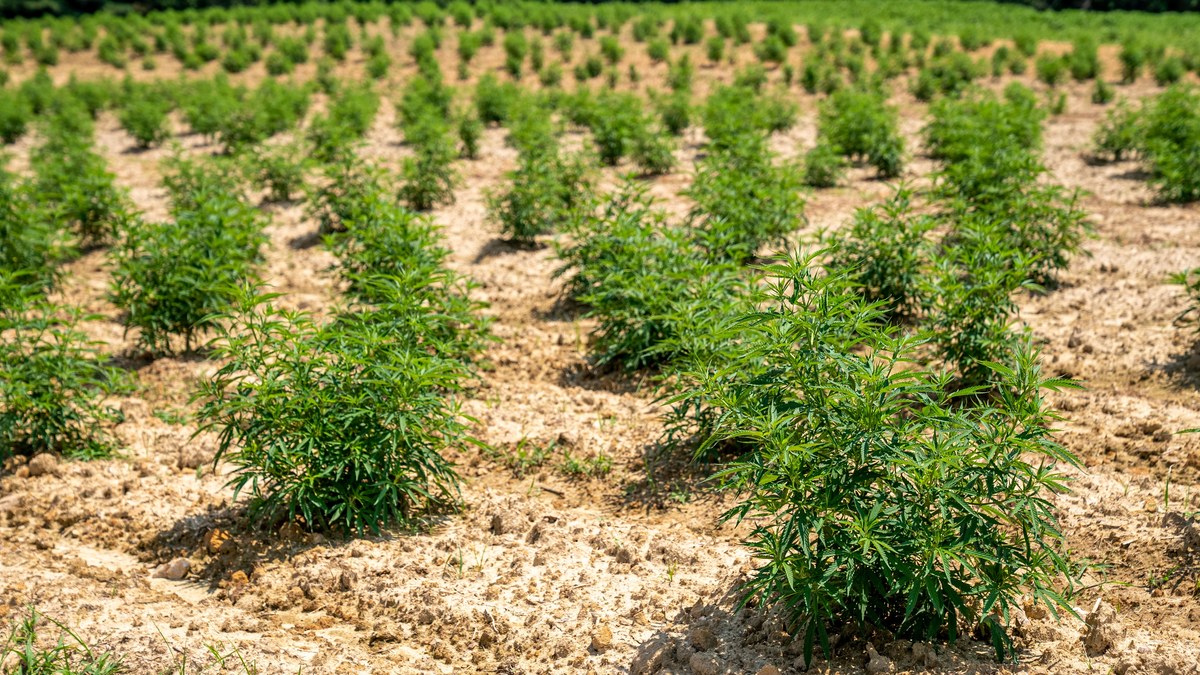
Rows of green cannabis plants growing outdoors in a cultivated field.

USDA has updated hemp crop insurance provisions for the 2027 growing season, bringing federal THC requirements into the policy language. If you grow hemp—or buy from the farms supplying this side of the cannabis industry—the practical question is what protection remains when a crop fails a compliance test. We would start with the exclusions before looking at the coverage headline.

The Risk Management Agency’s November 18 bulletin identifies hemp among several crops receiving policy changes beginning with the November 30, 2026 contract change date. The hemp revisions apply to 2027 and subsequent crop years. RMA says the THC changes implement the 2026 appropriations law; approved insurers must notify affected producers at least 30 days before the applicable cancellation date.

What changed in the hemp policy?

The new Hemp Crop Provisions, form 27-1218, reference the statutory hemp definition at 7 U.S.C. 1639o. They clarify that production losses caused by THC above the applicable acceptable levels are uninsured. Those limits include the federal standard, the relevant governing authority’s requirements and any additional specification in the Special Provisions.

The document also moves cancellation and termination dates into the Special Provisions and clarifies loss-handling procedures. November 30 is the contract change date, so do not mistake it for a universal deadline to buy or cancel insurance. Your own policy documents and county information determine the dates that matter to your operation.

We read this as a reason to reconcile the farm’s compliance plan with its insurance paperwork. A policy cannot be assessed from its name alone. Ask which version applies, which crop type is insured and which rules control the acreage you actually intend to plant.

The new provisions also define what a processor contract must contain: a producer’s commitment to grow and deliver, the processor’s commitment to purchase, and a base price or a way to establish it. That gives the coverage conversation a useful document to work from. Bring the actual agreement, including the terms governing acceptance of the harvest, rather than a verbal description of the buyer relationship.

Weather damage and a lost buyer are different risks

RMA’s hemp pilot-program FAQ explains the underlying distinction: coverage addresses physical production losses from insured causes such as adverse weather. It does not turn an unsuccessful marketing plan into a covered harvest loss. Excess-THC destruction and a processor’s refusal to accept production are examples of problems that should not be treated as ordinary weather claims.

That distinction matters along the supply chain. A healthy field, a compliant crop and a dependable buyer answer different questions. Before committing money to seed or processing capacity, ask how each risk is being handled. An insurance premium is one expense in that calculation; it is not evidence that every commercial problem has been transferred to an insurer.

The FAQ also points growers to RMA’s Actuarial Information Browser for eligible counties, crop types and sales closing dates. Some explanatory material still refers to earlier crop years. We would use it to understand the program, then check current provisions with the agent rather than carry old acreage thresholds into a 2027 planting decision.

Match the insurance program to the business

RMA’s hemp overview describes several insurance routes. The multi-peril pilot covers qualifying yield losses for fiber, grain or CBD production in selected counties. Whole-Farm Revenue Protection is another program, offered nationwide, while nursery coverage can apply to qualifying container-grown hemp under its own conditions.

Those options are not interchangeable promises. A field operation selling grain and a nursery selling plants have different production models. Ask an agent to explain eligibility, exclusions and the relevant documents for the particular business, rather than assume a general reference to “hemp insurance” settles the question.

For our wider cannabis community, this is also a reminder that federal hemp policy reaches beyond finished products. Our recent coverage of Vermont’s proposed in-state hemp framework concerns a different part of that transition. A state market proposal does not by itself answer what a federal crop policy will insure.

What should growers ask next?

Bring three concrete questions to the coverage discussion: which 2027 documents govern this acreage, which testing outcomes would leave a loss uninsured, and what are the actual local deadlines? Request answers tied to the policy, not a general assurance that hemp is covered.

We would also keep the processor agreement, testing plan and insurance decision in the same planning conversation. The new bulletin does not announce that all hemp coverage has disappeared. It makes the boundary between an insured production loss and a compliance problem especially important to understand before planting.

Illustrative stock photograph of outdoor cannabis cultivation; not a specific insured farm. Photo: Mark Stebnicki / Pexels.

Continue Reading

Trending

Join The Cannabis Aficionado Community!
Join the Cannabis Aficionado community and receive all of the most relevant news geared towards our sophisticated enthusiast community.
Loading

Copyright ©️ 2026 Cannabis Aficionado. Cannabis Aficionado is a registered trademark of CNM Inc. All rights reserved. Registration on or use of this site constitutes acceptance of our Terms of Service, Privacy Policy and Cookies Policy. People may receive compensation for some links to products and services. Offers may be subject to change without notice.