The New York Fashion Innovation Center has opened its fifth and final scheduled round of Sustainable Textile Innovation Grants, offering up to $10,000 per recipient. Applications close January 6, 2027, at 11:59 p.m. Eastern, according to the center’s current grants page, with awards expected in early spring.
For cannabis-culture readers, the connection is more substantial than a leaf printed on a sweatshirt. One priority explicitly targets processing New York-grown hemp and flax for textiles. It focuses on turning harvested stalks into usable material—a practical step between growing a fiber crop and making clothing, accessories or home goods.
The hemp opportunity is in the processing
The center’s special-focus track includes decortication and degumming of bast fibers. Its description calls for ways to separate fiber from plant stalks and remove natural binders before spinning. It also identifies small regional, distributed and cooperative processing models, rather than assuming every project must start with a large centralized mill.
The call specifically mentions preserving long-staple fiber greater than three inches and piloting processes that move New York-grown fibers toward woven and nonwoven applications. Those are project priorities, not claims that every hemp fabric on a store shelf already meets a particular standard. Applicants need to explain what their own process would accomplish and how they would measure it.
This makes an equipment or processing proposal as relevant to fashion as a finished garment. A designer may have a promising material idea but still need a reliable intermediate product. A mill may understand its machinery but need a clearer route to customers. The grant framework provides room to address those links, rather than treating a compelling concept as a complete supply chain.
Two tracks, with room beyond hemp
Applicants can choose general-topic or special-focus funding. The general track covers cultivation and processing, new biomaterials and manufacturing, supply-chain infrastructure, yarn and textile development, and finished fashion or interior-design uses. The center says basic science research will not be funded.
The special-focus priorities extend beyond bast fibers. They include hands-on introductions to next-generation biomaterials, wool quality and farmer readiness, accessible technology for fiber sorting, and environmental or regenerative wool systems. Projects are expected to produce practical, measurable results that could be repeated or expanded in New York.
A hemp project should therefore compete on the work it proposes, rather than assume the crop’s name is enough. A useful application would identify the material going in, the process being tested, the output expected and the people who could use that output. Those questions connect a technical experiment to a designer’s or manufacturer’s actual needs.
Who can apply?
The current eligibility language welcomes New York-based businesses and organizations, including farmers, researchers, manufacturers, designers, brands, retailers and educators. Projects should take place primarily in the state, and applicants must apply through an eligible entity. Each applicant may submit one application per round; collaborative projects remain capped at $10,000.
The center’s FAQ adds an important qualification about sourcing. Substantial use of New York materials is viewed favorably, but an emerging material without an established local supply chain may still fit if there is a large New York manufacturing component. Applicants should read the specific call alongside that broader explanation, particularly where a priority expressly requests New York-grown fiber.
Nonprofits may apply if they meet the state-presence requirement. The FAQ also advises proposals to arrive with adequate partnerships rather than depend entirely on introductions made after an award. Funding can support a collaborative project, but it does not replace the preparation needed to make that collaboration work.
Earlier awards show what the center means
The September round-four awardees include Adrienne Carlile of Flax Fiber Farm in Cochecton. The listed project adapts small-scale mill equipment to spin New York-grown flax and hemp into four prototype bast-fiber yarns. It is a concrete example of the processing gap the new call addresses, rather than evidence that the prototypes have already become commercial products.
Other listed work includes wool-derived fibers, reclaimed-textile apparel, regional blankets and a mycelium-based acoustic wall system incorporating hemp and agricultural byproducts. The range shows why this story belongs in fashion coverage: material innovation also happens in mills, farms and interiors, before a new collection reaches a runway.
Put the application dates in context
A virtual question-and-answer session is scheduled for Monday, November 9, from noon to 1 p.m. Eastern. That is 10 to 11 a.m. in Phoenix. Use it to clarify eligibility, application requirements and the selection process before the January deadline.
The center calls this its final scheduled round of these sustainable-textile grants; that does not mean all future funding ends. Its grants page separately anticipates adaptive-fashion applications in January 2027. For now, the immediate opportunity is specific: propose useful work, show its New York connection and explain how a material can move closer to a viable textile.
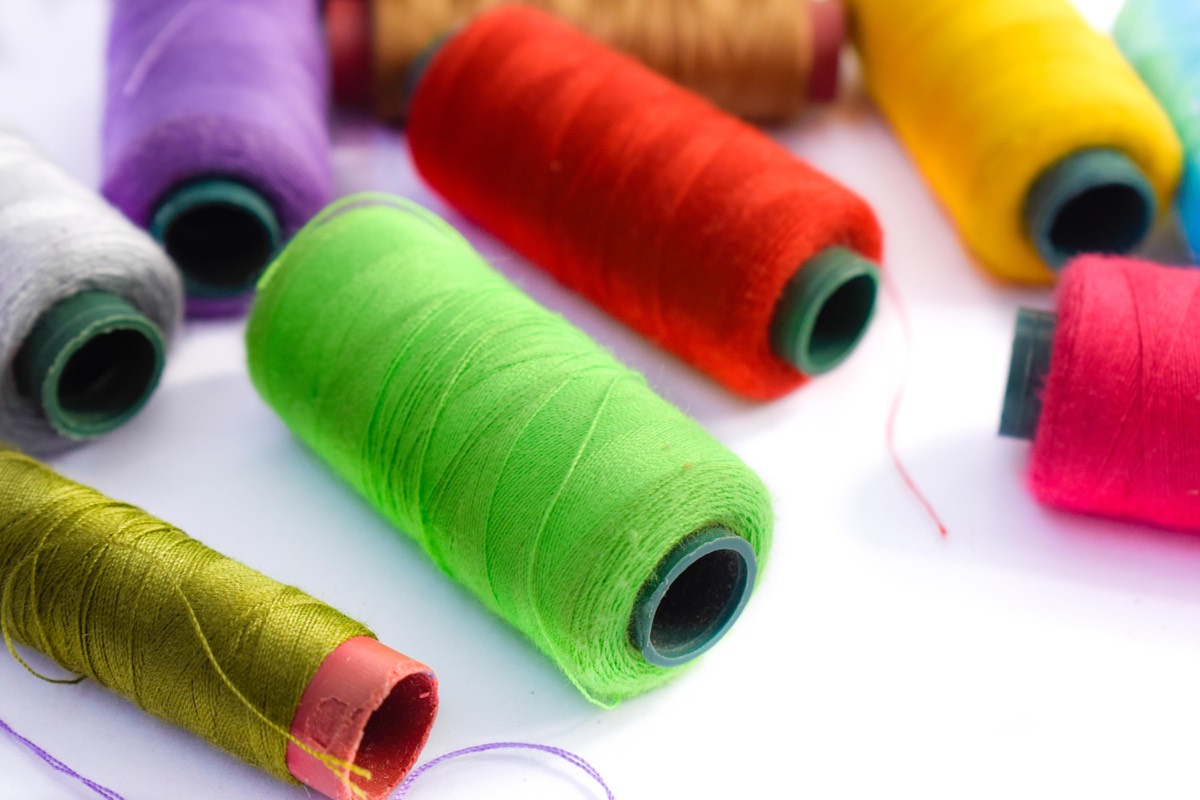
Illustrative stock textile photograph; not hemp yarn or an NYFIC-funded project. Photo: syamhari syamhari / Pexels.



 Cannabis1 week ago

 Cannabis1 week ago


 Cannabis1 week ago

 Cannabis1 week ago

 Cannabis1 week ago

 Cannabis1 week ago

 Products1 week ago