Wales Bonner’s latest adidas collection arrives October 29 with an invitation to look beyond the shoe rack. The Fall/Winter 2026 launch places tactile trainers alongside a more complete wardrobe, making the relationship between sportswear and dressed-up style the real story.
According to adidas’ October 27 announcement, the collection launches globally through adidas, Confirmed and selected retailers. Its Harley Weir campaign draws on 1980s London. That is the brand’s stated reference point, rather than a claim that every garment reproduces an identifiable period original.
Four footwear names, several different moods
The designer’s live storefront lists the Karintha Croc, Gazelle Croc, Adizero Adios Suede and BW Pony. The last appears in black and khaki versions. Together, those listings make five pairs across four named silhouettes, a useful distinction when release coverage casually swaps between counting models and counting colorways.
The UK storefront showed the two Croc models at £180 and the Adizero and BW Pony at £170 when checked. Those are the prices displayed by that shop, not converted American prices or a guarantee of what another retailer will charge. Regional stock, delivery charges and sizing deserve a separate check.
At the level of design, the interesting choice is how differently those shoes can anchor an outfit. A darker, smoother-looking trainer can sit quietly beneath tailored trousers; a more conspicuous surface can become the point around which the rest of the clothes are organized. Neither approach requires buying an entire coordinated look.
Adidas describes crocodile-stamped leather on the Karintha and green Gazelle, suede on the Adizero, and pony-hair uppers with contrasting stamped overlays on the BW. These are material descriptions supplied by the brand. They should not be confused with a wear test, a comfort assessment or evidence of how the finishes will age.
The jacket makes the wardrobe argument
The standout outerwear piece is a brown leather jacket. Its official product page identifies the material as 100 percent lamb leather and the country of manufacture as Italy. The UK page displayed £1,800 and a notification option rather than an immediately available purchase when checked.
That availability detail matters. A collection can launch on a particular day while an individual item remains unavailable in a particular shop. Readers interested in the jacket should treat the product page as the relevant checkpoint, rather than assume that a campaign announcement means every size can be ordered immediately.
The wider range includes tracksuits, pinstriped separates, football-inspired clothing and knitwear. The jacket’s crochet stripes and tonal branding shift a familiar sporting outline into a different material register. Our reading is that the collection works best as a study in changing texture while keeping an outfit’s basic vocabulary recognizable.
For an existing wardrobe, that offers a more practical question than which piece will disappear first: what actually adds something? A shoe that works with trousers already in rotation may be a more useful addition than a full outfit chosen for its launch-day completeness.
Why the archive reference carries weight
Wales Bonner’s cultural research extends beyond seasonal product storytelling. At New York’s Museum of Modern Art, she organized Spirit Movers, an Artist’s Choice exhibition that ran from November 18, 2023, through April 7, 2024.
The historical show brought together nearly 40 works from the museum’s collection, exploring sound, movement, performance and style across the African diaspora and beyond. Artists included Terry Adkins, Betye Saar and David Hammons. MoMA framed the selection around relationships between objects, ritual and shared experience.
That exhibition is background, not a current event or a museum endorsement of these trainers. It does, however, help explain why an archive can be more than a shelf of old shoe shapes: it can connect images, music, dress and the ways people gather.
For readers drawn to that side of the work, the museum’s archived exhibition page is a useful companion to the product photographs. Looking at the art first, then returning to the clothes, offers a way to consider the designer’s interests without treating every cultural reference as a sales argument.
What to check before buying
Start with the exact model name, then the material, size system and seller’s return terms. A shoe borrowed from a running archive and repositioned for lifestyle use should not automatically be read as a current performance recommendation. We have not tested this collection.
For another approach to the adidas archive, our ADWYSD CLIMACOOL coverage follows a very different visual direction. Comparing the two makes the larger point: a collaboration becomes interesting when it has a clear idea, whether that idea comes through graphics, material or an unexpected relationship between familiar pieces.
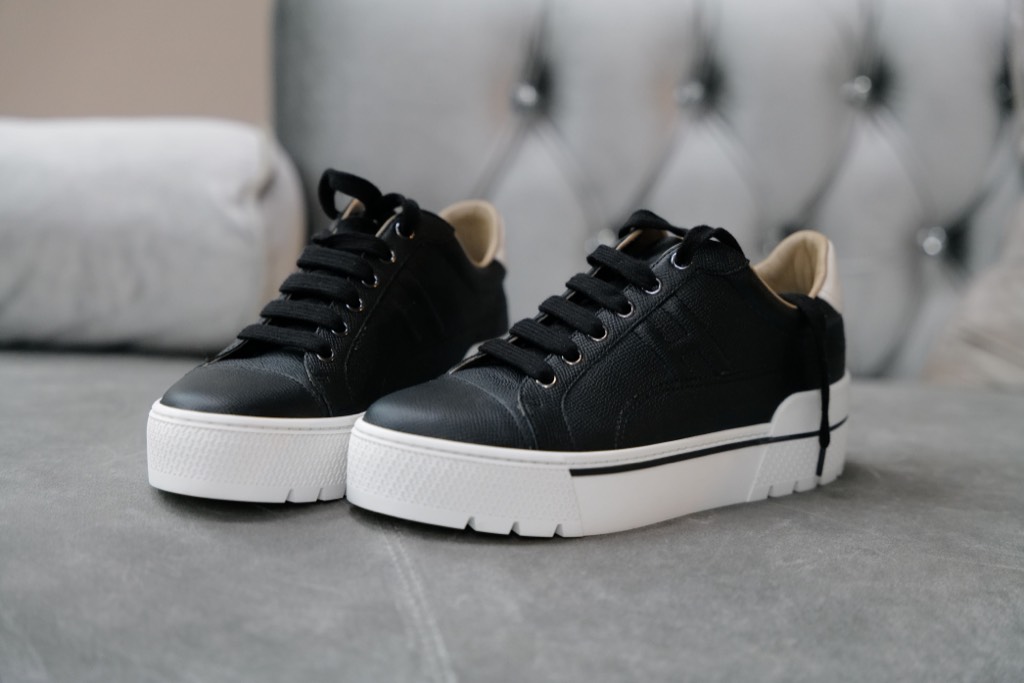
Illustrative footwear photograph; not the Wales Bonner collection. Photo: Prestige by Nature / Pexels.





 Cannabis1 week ago

 Cannabis1 week ago


 Cannabis1 week ago

 Cannabis1 week ago

 Cannabis7 days ago

 Cannabis7 days ago

 Products1 week ago