#cannabisaficionado

Cannabis

Why Independent Third-Party Cannabis Testing Is Important

Published

on

Cannabis Testing
PHOTO | HQUALITY
Advertisement Back2Grow Advertisement

During cultivation, the cannabis plant acts like a sponge. It absorbs everything it is exposed to, from pesticides, nutrients, and heavy metals present in the soil. For these reasons, it is essential that reputable and reliable third-party labs carry out cannabis testing to assure safety and efficacy of the product.

Lab testing of cannabis products is an essential part of the regulated market’s supply chain. It detects offensive chemicals or contaminants that can lead to adverse health effects when consumed, while additionally providing cultivators and retailers with efficacious cannabinoid and terpene profiles of legal cannabis products. 

In Canada’s regulated market, batch release quality control testing is required for potency and product safety, so it is necessary to measure substances like pesticides, mycotoxins, bacteria, and molds. Unfortunately, reports on potency and contaminants can vary from lab to lab, while recalls of contaminated products threaten consumer trust of legal products. 

Sigma Analytical Services is a full-service pesticide, elemental, molecular, genetic, and pathogen analysis laboratory for cannabis, hemp, and cannabis-derived products. It delivers reliable science for cannabis products to the cannabis industry and cannabis consumers.

Cannabis Aficionado spoke with Ashton Abrahams, co-founder and COO of Sigma Analytical Services, to learn more about the importance of cannabis testing and Sigma’s strict processes.

Cannabis Aficionado: Tell me about your entrepreneurial journey to cannabis.

I’m a serial entrepreneur with over 20 years of experience in starting and growing several successful ventures. In 2017, when Canada was in the process of legalizing cannabis, my partner and I saw an opportunity to focus on a different side of the new cannabis industry — ancillary testing and quality reassurance requirements. We knew there would be new products in the market, and they would all require testing. So, we started a testing lab that focused on cannabis and cannabis products, and this is how Sigma started.

What sets Sigma apart from other testing labs?

We want to ensure products available in this new market are efficacious and safe, and ensure the levels of both remain consistent. Sigma is the only GMP (Good Manufacturing Practice) certified, cannabis-focused lab in Canada and the only cannabis-focused lab with cross-continental operations. We developed and validated our methods back in 2018 and 2019, so we are the frontrunner in Cannabis 2.0 product testing and are set up to test a comprehensive list of cannabis products — including flower, edibles, beverages, and topicals. 

Sigma also has validated methods for quantifying and testing 16 cannabinoids and 43 terpenes — one of the highest in the market — and our analytical and microbiology tests are compliant with Health Canada, EU, and US Pharmacopeia.

Additionally, Sigma was awarded the Best Cannabis Lab/Testing Facility in Canada at the Grow Up 2019 awards.

Inside Sigma Analytical Services’ state-of-the-art lab.

What need does Sigma fill in the global cannabis industry?

Sigma brings reliable science that is already available in food and pharma to the cannabis industry, its products, and consumers.

Cannabis, food, and pharma share certain quality requirements. However, there is a big difference: in terms of quality assurance, food and pharma have decades of testing experience, while cannabis is a new industry, and the science is still being developed. 

What kind of samples do you test?

We have developed and validated testing methods for many different types of cannabis products, from traditional dried flower and oils to Cannabis 2.0 products , such as concentrates, beverages, edibles, and topicals. From a testing standpoint, each and every one of these products is different and can have a different matrix. In turn, we develop a testing  method for each one.

What should customers be looking for to see reassurance that a product’s been tested? 

Make sure their products are purchased through legal channels. It’s the regulatory bodies’ responsibility to make sure the products launched in the market are not just tested, but tested specifically by qualified labs.

Moldy cannabis is a problem in legal markets and there are numerous reports of Health Canada product recalls after customers discovered moldy flower. Can you talk to us about how you test for these pathogens?

From day one, instead of using the traditional culture-based method, Sigma has tested for mould and all microbial contamination using a newer technology called qPCR (quantitative Polymerase Chain Reaction). When we first started it in late 2018, nobody was familiar with it in the cannabis industry, so we had to take time to explain to our clients that it was a better, more reliable, and faster process. In the last six months, however, we have seen a huge shift in attitude. Not only have the cannabis producers accepted qPCR, but more cannabis labs are starting to use the technology to test for microbial contaminations.

Cannabis Testing
Moldy cannabis. PHOTO | LabRoots

What are some of the most exciting developments in cannabis testing?

Using qPCR for microbial contamination is very new for the cannabis industry. We’re happy and excited about it because we see the benefits and we hope the whole cannabis industry embraces it. 

Secondly, the challenges of formulating, developing, and testing new products. The developments in the past six months have been really promising.

Thirdly, discovering more about the cannabis plant and what ends up in cannabis products is really an exciting development. As we progress, we are sure to learn more about the effects of cannabinoids and terpenes.

What’s your pinnacle vision of cannabis testing?

There are two sides to it. There is a regulatory side, and there is the testing side. On the regulatory side, it’s about what needs to be tested, and how it needs to be tested. 

A very important part of the quality assurance initiative for cannabis is ensuring the testing sample is representative of that batch. There are different factors in place. Is that batch homogeneous or not? Are the characteristics consistent or not? Cannabis is a plant. It’s an agricultural product. It’s not something that’s coming out of a machine, so we cannot expect all of the plants to have exactly the same characteristics. I believe one key is to limit the size of the batch. Other jurisdictions have clearly defined regulations. For example, in California, it clearly states that each batch cannot be larger than fifty pounds. In the Canadian regulations, there is no definition at all.

Secondly, labs need to get more serious. Some labs are testing cannabis products with outdated instruments or unvalidated methods, meaning their results cannot be truly accurate or reliable. Cannabis labs cannot use a 15-year-old second-hand instrument and expect to get the same results as pharmaceutical labs that use the best, most advanced instruments. Some people might think that testing cannabis products is not as important as pharmaceutical products, but it is just as important.

Cannabis has a very complex matrix which requires complex testing methods. Not all labs have good enough or validated methods. However, I’m optimistic that it’s a matter of years, maybe between five to ten, for cannabis testing to get there.

How is Sigma helping to foster the growth of a responsible and safe legal cannabis industry?

I think everyone active in the cannabis industry has a responsibility to make sure they are doing a good job and providing safe and efficacious products to the consumer. That’s because, if the consumer is not happy with what they’re getting from us, it will translate into unhappiness with the whole legalized framework.

Finally, what’s next for Sigma?

We are going through some expansion at our headquarters in Toronto and we’re about to acquire a lab in British Columbia, which will be our second lab in Canada. Additionally, we have a joint venture in Colombia and are setting up the first GMP certified cannabis lab in South America.

We are also becoming more involved with helping develop formulations for new products, and testing them, especially for the producers that follow GMP requirements either in pursuit of higher quality or for international cannabis markets.

We also recently received our GMP clearance from the Australian Therapeutic Goods Administration (“TGA”). The approval designates Sigma as an approved testing laboratory for Canadian companies to introduce their products into the Australian cannabis market.

Health

Oregon Recalls Cannabis Vapes and Edibles After Bifenthrin Retesting

Oregon has recalled cannabis products made with extract that failed pesticide retesting. We explain how to check the official list without relying on a product name alone.
Published

on

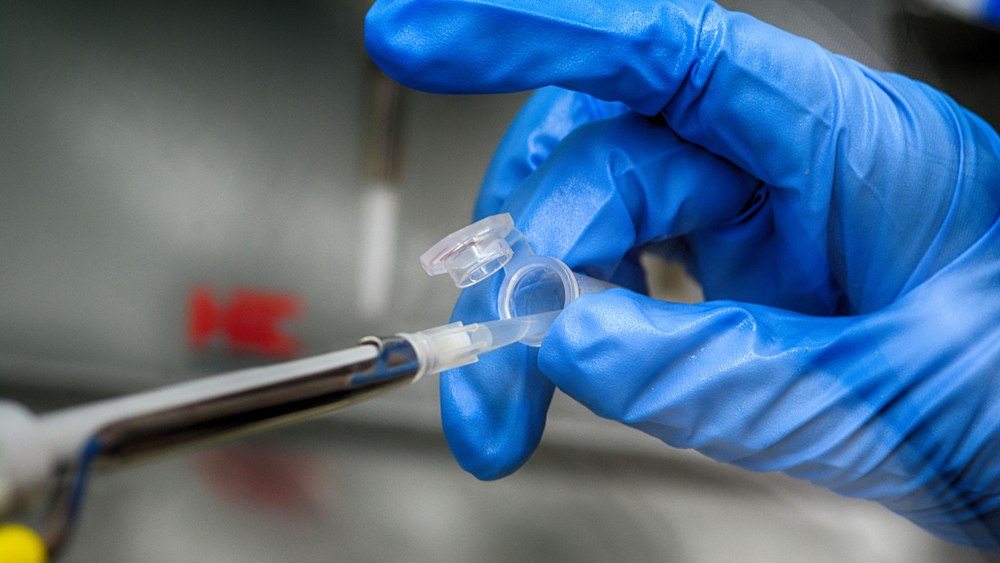
A blue-gloved hand holding an open sample tube beside a laboratory pipette.

Oregon has ordered a recall of cannabis vapes and edibles made with extract that failed retesting for the pesticide bifenthrin. The November 23 notice covers affected products sold from June 16 through November 23, 2026. Our immediate advice is to check what you have against the official recall information and keep any suspected product out of use while its identity is resolved.

The Oregon Liquor and Cannabis Commission says the products should not be sold or consumed. This is a recall of identified inventory, rather than a finding that every cannabis vape or edible sold in Oregon is affected. The useful task is matching a purchase to the regulator’s records, not making assumptions from a familiar brand or flavour.

Start with the retailer and manufacturer

The OLCC bulletin warns that some product names and unique identification numbers in the database may differ from labels. It identifies the retailer where a product was purchased and its manufacturer as the best matching points. The commission encourages consumers with recalled products to destroy them and directs health concerns to a medical provider or the Oregon Poison Center at 800-222-1222.

The official November recall lookup offers filters for product name, manufacturer, licence name, address, city, package number and laboratory. Its instructions say filters are optional and that address and city searches apply to retail locations. We would start with the shop and manufacturer, then use other fields to narrow a result rather than treating one unsuccessful name search as clearance.

Keep the original package and purchase information available when asking the retailer or regulator to identify an item. A photograph of the full label can make that conversation more precise. We would record the date of the check and the answer received, especially if the printed name differs from the way a product appears in the lookup.

What the testing finding establishes

OLCC says the extract initially passed compliance testing, but subsequent testing identified bifenthrin. Oregon’s Cannabis Reference Laboratory confirmed levels above the state’s established limits in samples from two extract batches. The commission is investigating why the original tests did not detect it. That establishes a testing discrepancy requiring investigation; it does not establish who caused it or why.

We would avoid turning the recall into an unsupported account of deliberate misconduct. The agency’s notice supplies an action to take now, while the investigation addresses how affected material moved through the system. Those are related questions, but they do not require the same evidence or reach an answer at the same time.

The label is a record, not just branding

OLCC’s label checklist and generic examples distinguish information such as a processor’s business name and licence number, a package UID, product identity and testing details. The examples illustrate different product formats, including edibles and extract cartridges. They are examples of label information, not a list of products included in this recall.

That distinction is useful when a package carries several names. A retail shop, a consumer-facing brand, a licensed processor and a testing laboratory do not necessarily describe the same business. We would copy the details as printed rather than shorten them to the logo on the front. The more complete record helps the official lookup do its job.

The same caution applies to a passing test date printed on a package. In this case, the regulator is specifically reporting a later testing finding. A previous compliance result is part of the history; it does not override the new recall instruction for an affected item.

What is bifenthrin?

The National Pesticide Information Center’s fact sheet identifies bifenthrin as a pyrethroid insecticide. It describes possible exposure through skin contact, ingestion or inhalation and notes that inhalation can irritate the nose, throat and lungs. That general toxicology resource is background, not a diagnosis of anyone who used a recalled product or a measurement of their exposure.

We would not use a symptom list to decide that an uncertain product is safe. Nor can the appearance or smell of a vape or edible establish a pesticide concentration. The regulator’s product identification and testing findings are the relevant evidence for the recall; an individual health concern belongs with a health professional or poison centre.

For now, the clearest response is a careful label-and-retailer check followed by the official instruction for an affected purchase. Keep suspected products away from children, pets and anyone else who might use them inadvertently. We will look for further OLCC findings before assigning a cause to the testing failure or broadening the recall beyond the inventory it identifies.

Illustrative laboratory stock photograph; not Oregon’s reference laboratory or a recalled cannabis sample. Photo: Jorge Sepúlveda / Pexels.

Continue Reading

Health

Wana’s Colorado Recall Puts Child-Resistant Gummy Packaging Under Review

Colorado’s November 23 notice identifies a voluntary Wana recall for packaging safety features. We explain the batch check, secure storage and when to seek help.

Published

on

A key hanging from the lock of a white cabinet drawer.

Wana has voluntarily recalled selected Colorado cannabis gummies because their child-resistant packaging may not function as intended. Colorado’s November 23 notification identifies manufacturing licence 404R-00099 and specific production batches sold between October 19 and November 17. We would check the licence and batch together, then secure any affected package rather than assume that closing its lid restores the missing safeguard.

The Department of Revenue’s original notice says a retailer alerted Wana to the deficiency. It reports no identified issue with the marijuana product itself and no reported adverse health event associated with the packaging at publication. That does not make the packaging concern trivial: the purpose of the safety feature is to reduce accidental access, particularly by children.

Match a batch, not an entire brand

The notice lists individual gummy products and production codes. Examples include Stay Asleep Dreamberry batches R-OSAZ-001 and R-OSAZ-002, and Peaceful Pear batches R-APRH-001 and R-APRH-002. These examples are not the complete list. Use the original two-page notice to check every potentially affected package, including its manufacturing licence number, rather than infer that all Wana products are recalled.

Colorado says affected consumers may dispose of the product or return it to the store of purchase for proper disposal. Until then, consumers should not rely on the packaging being child-resistant and should keep it securely out of children’s reach. The notice’s linked store list can help identify where affected batches were sold, but the package details remain essential to the check.

We would keep the label readable while arranging a return. Photograph the licence number and full production code if you need help identifying it. A product name alone can span different batches, and a store carrying the brand does not establish that every package from that store has the same issue.

Make storage a separate safeguard

Health Canada’s storage guidance recommends keeping cannabis locked away, out of sight and reach of children and pets, and separate from ordinary food and drinks. It also recommends original packaging and says cannabis should never be left unattended where children can access it. These are general storage principles, not Colorado recall instructions or Canadian product limits being applied to Colorado.

For a recalled container, we would treat a separate locked storage space as an immediate protective step while following the return or disposal directions. A high shelf and a familiar closure are different safeguards from a lock. The useful question is whether a child could gain access to the product now, including during a visit, a move between rooms or preparations to return it.

Do not move gummies into an ordinary food container where another person could mistake them for a snack. Retaining the original label also preserves the information needed to identify the product. Secure storage should reduce access without creating a new identification problem for the household or the retailer handling a return.

Why an edible requires particular care

The CDC’s poisoning guidance explains that edible cannabis can take 30 minutes to two hours to produce intoxicating effects, with effects potentially lasting longer than expected. It identifies accidental child exposure as a poisoning risk. The delayed onset is one reason an adult should not wait for an obvious immediate reaction before seeking advice about suspected ingestion.

That context does not show that a child has been harmed by one of these recalled packages. It explains why packaging and storage remain important even when a notice reports no adverse event. We would keep the known defect, the potential risk and any confirmed outcome in separate view, without minimising the first or inventing the last.

What to do if ingestion is suspected

The American Academy of Pediatrics’ parent guidance advises finding out what and how much a child may have eaten, checking the wrapper’s THC information and contacting Poison Control promptly at 1-800-222-1222. Severe symptoms require immediate emergency care. The federal Poison Help guide specifically directs calling 911 if a person is unconscious or has trouble breathing.

Colorado’s recall notice also says suspected child ingestion requires immediate medical attention and reporting to the Marijuana Enforcement Division. Getting help comes before completing a product complaint. Keep the package information available to the professional responding, rather than trying to estimate a safe exposure yourself.

Our priority is a precise check and a practical response: verify the licence and production batch, secure an affected package and follow the official return or disposal direction. A recall about a container is still a cannabis safety story. Its significance lies in preventing access before a packaging fault becomes an exposure.

Illustrative cabinet-lock photograph; not Wana packaging or a demonstrated childproof storage system. Photo: Jakub Zerdzicki / Pexels.

Continue Reading

Health

Utah Opens Comments on Medical Cannabis Rule Repeals as Oversight Moves

Utah is proposing to repeal six DHHS cannabis rules as oversight moves to Agriculture and Food. Comments are open through December 15.

Published

on

Close-up of a person using a blue pen to write on a clipboard.

Utah has opened a comment period on proposed repeals of six Department of Health and Human Services medical cannabis rules as oversight moves to the Department of Agriculture and Food. Comments are due December 15, 2026. The word “repeal” can sound alarming when your access to medicine depends on a state program, so we went to the transition documents before treating it as a change in patient eligibility.

The official notice describes an agency transfer implementing House Bill 389, not a proposal to close Utah’s medical cannabis program. It says the rules will be readopted by the Utah Department of Agriculture and Food, or UDAF, in early 2027. Proposed successor rules appear in the same November 15 issue of the Utah State Bulletin.

Which rules are being moved?

The six DHHS rules cover definitions; electronic verification and inventory-system registration, limits and confidentiality; dosing and partial filling; pharmacy medical provider education; expedited compassionate-use review; and Compassionate Use Board hearing procedures. These are parts of the machinery that makes a medical program function, even when patients rarely need to read the rule numbers.

The notice directs people to pages 248–267 of the bulletin for the repeal documents. Written comments on these DHHS proposals can be sent to dlbcrules@utah.gov through December 15. Identify the relevant rule and the concern clearly so the agency can connect a comment to the actual proposal.

We would focus comments on the practical handoff: how to find the right contact, how a pending matter will be handled and where updated instructions will appear. A specific question about a registration or review process is easier to address than a broad objection to a rule number disappearing.

Why is Utah changing agencies?

The state’s 2026 medical cannabis law summary says DHHS duties transition to UDAF by January 1, 2027. It states that the change will not affect patient access and that patients, providers and industry will be informed when the transition is complete. Once transferred, UDAF is to oversee all aspects of the program.

That is the state’s stated plan, rather than independent evidence that every administrative step has already happened. The distinction matters now: a statutory transfer date, a proposed rule’s possible effective date and a promised notification describe different milestones. We would look for the relevant final notice before assuming a particular process has changed.

Other provisions in the law summary address patient identification, caregivers and purchasing. Those separate changes should not be attributed automatically to these six repeal filings. Our previous coverage of Utah’s proposed patient voucher rules concerns another part of the year’s implementation work, with its own requirements and questions.

What does the original filing say?

The November 15 Utah State Bulletin explains that DHHS intends the repeals to take effect at the same time as, or shortly after, UDAF adopts replacement provisions under Title R67. Its analyses anticipate continuity and no new compliance costs from the repeals themselves, while directing broader legislative fiscal effects to HB 389’s fiscal note.

The filings list December 22 as a possible effective date and explicitly warn that this is not an established effective date. We would not put “new rules start December 22” in a calendar on that basis. The accompanying explanation anticipates the UDAF medical cannabis rules taking effect in early 2027, making final coordination worth watching.

That paperwork also shows why an isolated repeal headline can mislead. Removing an old agency’s rule and establishing the receiving agency’s authority can be paired actions. To understand the practical result, compare the outgoing provision with its successor rather than assume the subject is no longer regulated.

The state’s provider guidance gives this transfer a practical context. Its electronic verification system holds cards, recommendations and purchase information. A recommending medical provider handles certification, while a pharmacy medical provider consults on products and amounts. Those separate roles help explain why registration, confidentiality and dosing procedures need clear continuity when the responsible agency changes.

What should patients watch next?

Keep the December 15 comment deadline separate from your own card or appointment dates. The proposal is not an instruction to stop using the program, skip a renewal or change treatment. Questions about a personal registration or a pending petition belong with the program’s official contacts and your treating provider where appropriate.

Our priority is continuity you can actually navigate: clear instructions, a working route for questions and final notices that match the promised handoff. Utah has described the direction of travel. The next meaningful test is whether the completed transition leaves patients able to find and use the processes they need without confusion about which agency is responsible.

Illustrative stock photograph of paperwork review; not a Utah patient, official or agency proceeding. Photo: Kindel Media / Pexels.

Continue Reading

Trending

Join The Cannabis Aficionado Community!
Join the Cannabis Aficionado community and receive all of the most relevant news geared towards our sophisticated enthusiast community.
Loading

Copyright ©️ 2026 Cannabis Aficionado. Cannabis Aficionado is a registered trademark of CNM Inc. All rights reserved. Registration on or use of this site constitutes acceptance of our Terms of Service, Privacy Policy and Cookies Policy. People may receive compensation for some links to products and services. Offers may be subject to change without notice.