#cannabisaficionado

Cannabis

Everything You Need to Know If You’re New to Dabbing

Dabbing is an ideal ingestion method best for those that have a high tolerance to cannabis or patients that need a quick, controlled dose of cannabis.

Published

on

Dabbing
PHOTO roxxyphotos
Advertisement Back2Grow Advertisement

Dabbing is an ideal ingestion method best for those that have a high tolerance to cannabis or for medical users that need a quick, concentrated and controlled dose of cannabis. However, it can be confusing, even for long-time pot smokers. In fact, unless you’ve done it, seen it, or read up on it, dabbing can be a total mystery.

Dabbing is a relatively new way to consume cannabis and it is has become very popular in recent years despite rumors that it is dangerous.  It is a highly concentrated experience, with THC at levels much more elevated than most regular flower you would encounter in a joint.  For patients, dabbing can be a very effective way to dose because the effects hit the user very quickly and can typically be measured more easily. For those with a high tolerance for cannabis, dabbing can be a way of feeling the effects of pot with more potency.

Before you can get into dabbing, you need to know a little about cannabis concentrates and extracts. Shatter, budder, wax, crumble, pull and snap, and hash oil are a few of the most popular types of cannabis concentrates and extracts. Extracts and concentrates are named so because they are products of a process where THC and other cannabinoids are extracted from the flower. Sometimes, during the extraction process, a solvent (like alcohol or butane) can be used and other times a solvent is not used. Either way, the final product is a smaller, stickier package that packs a powerful punch.

The Dabbing Process

Keep in mind that nails and domes can get incredibly hot. Like, RED hot, literally. Do not underestimate the heat that can occur — be cautious to prevent any burns.

First, you will need something to dab. We have heard the recommendation more than once to keep away from alcohol-based extracts when dabbing. Consult your budtender about this one, or just skip alcohol based-extracts — your call. There are a lot of concentrates and extracts to choose from, enjoy the hunt for your perfect pick.

Next you need something to dab out of. You can purchase a dab rig or just convert an existing glass water pipe with glass dab attachments. You are also going to need a titanium, ceramic, quartz or electronic nail that fits the glass dab attachment you are using. A typical nail is going to require the use of a dome in order to trap the vapor before it dissipates into the air. A dome can be as simple as a glass piece that fits over the reservoir where the extract or concentrate is vaporizing.

Get your dabber ready. A dabber is a tool that is ceramic, metal, glass, that is used to place the dab, or concentrate/extract, on the super-hot nail.

Lastly, unless you are using an electronic nail or e-mail, you will need a mini torch. Some less patient dabbers will use a full-on, propane-fueled torch in order to more quickly heat their nails — experiment at your own risk. In case the dab is a little overwhelming for you and your body, the safest place for you to be is sitting down to avoid any falls.

Turn on your e-nail OR use your torch to heat your nail until it is red-hot. Allow it cool for at least 10 seconds (for titanium) and up to 45 seconds if you are using ceramic or quartz nail.

Once cooled, use your dabber to place your concentrated dab on the nail. Place the dome over the nail as you inhale. Then, exhale. Victory!

If you weren’t already sitting down, you probably will be now!

Take these words of advice to heart — start small. If you haven’t tried dabbing at all before, don’t make your very first dab a large one. You won’t regret taking a small dab, but you might regret taking one that is too big. Always ask your budtender any questions you have about your purchase and if the product you are buying is the best thing you can buy for dabbing, vaporizing, smoking, etc.

Exploring new online entertainment platforms often begins with understanding the promotions and features available to users. Those interested in bonus opportunities can visit pokiespinsau.com to learn more about the offers associated with the platform. Reviewing the specific terms, eligibility requirements, and conditions is a useful step before participating in any promotion. This can help readers make informed choices while exploring different online entertainment options.

Cannabis

A 2,800-Year-Old Siberian Tomb Offers New Evidence of Cannabis Use

Cannabis seeds and preserved hair from a Siberian burial offer two clues to how people used the plant 2,800 years ago.

Published

on

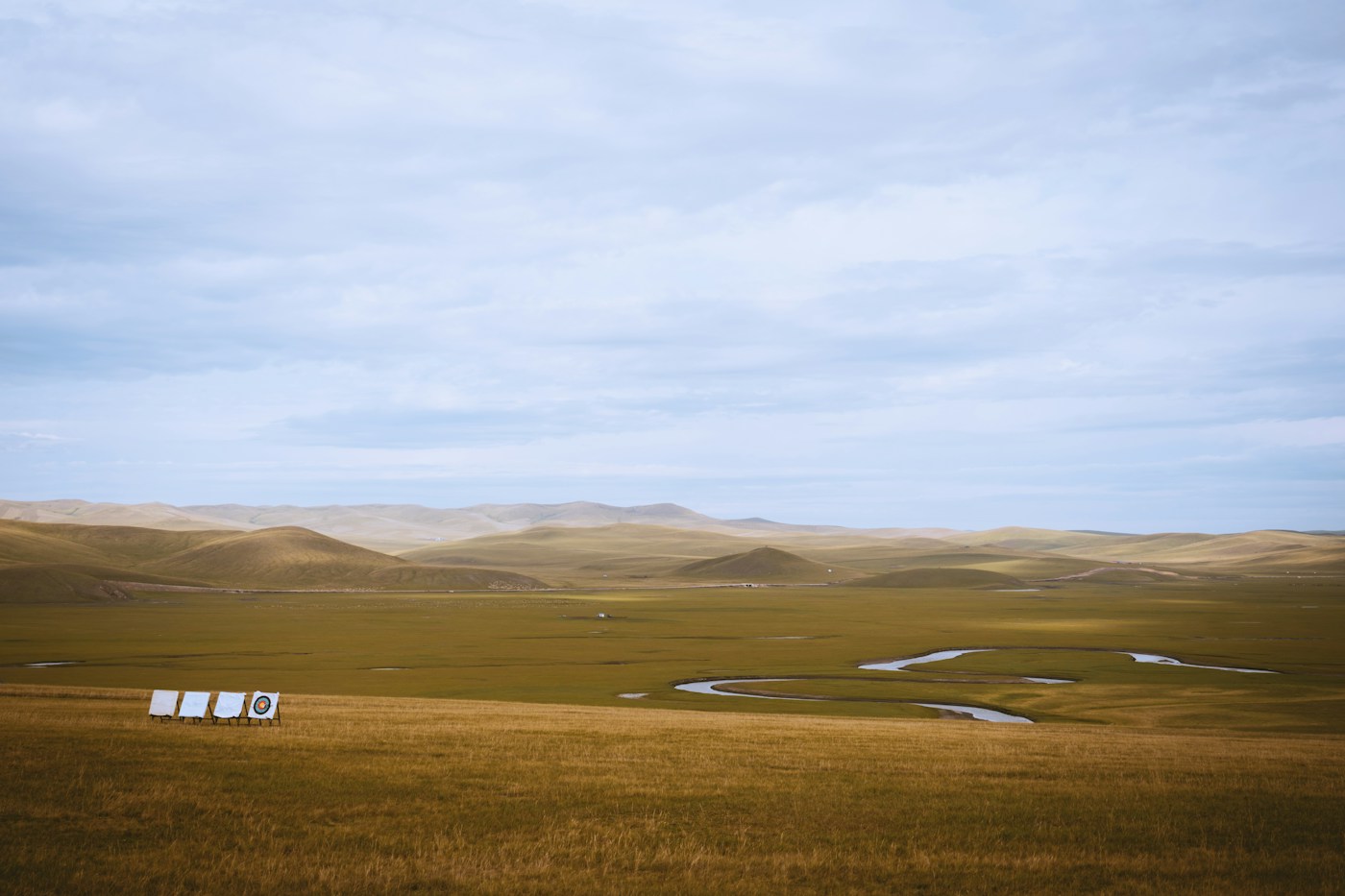
Open grassland with low hills in Hulunbuir, Inner Mongolia

A burial mound in southern Siberia has yielded two clues to the history of cannabis: seeds placed in a grave and chemical traces preserved in human hair. In a study published November 5 in Science, archaeologist Gino Caspari and colleagues argue that the finds, taken together, point to psychoactive cannabis use about 2,800 years ago. The discovery pushes the evidence for that practice further back than a widely cited find in western China.

What turned up at Tunnug 1

The excavation site, Tunnug 1, lies in the Uyuk Valley in the Republic of Tyva. Its monumental burial mound is associated with early Scythian culture, and the excavations have recovered horse gear, weapons and animal imagery. The clues to cannabis use were considerably smaller. The team found more than a thousand cannabis seeds and used radiocarbon dating on some of them to establish their age. According to the University of Bern’s account of the research, preserved human hair from the same grave also contained traces of cannabinol, or CBN.

Seeds can tell archaeologists that a plant was present. They can also help show whether someone brought it into a particular setting. At Tunnug 1, where the researchers interpreted the seeds as deliberately deposited, the find makes cannabis part of the burial’s material record. It still leaves a basic question open. Cannabis can provide food, oil and fiber, so the presence of seeds alone offers several plausible explanations for why people valued the plant.

The hair gives researchers another line of evidence. CBN can form as THC degrades, and its presence is consistent with exposure to psychoactive cannabis. The overlap matters because each find answers a different question. The seeds place cannabis in the burial context. The hair preserves a chemical signal relevant to how people may have used it. Together, they give the team a stronger basis for its interpretation than either clue would provide on its own.

What the evidence can tell us about consumption

As the Associated Press reported, Caspari said the team could not determine whether the cannabis was inhaled or ingested. The distinction matters for anyone imagining what the practice looked like. The evidence supports a case for exposure, while the method, timing and experience remain open questions. It also leaves room for several explanations of why the seeds went into the grave. Their placement gives them a ceremonial context, but their precise role in that ceremony remains unclear.

There is a temptation to read a burial deposit as a snapshot of daily life. A monumental tomb, however, reflects choices about what to place with the dead and what to leave out. Even a plant that held real significance in that setting might have served different purposes elsewhere. To know how widely people used cannabis, archaeologists would need evidence from other settings, including places where ordinary activities took place.

How Siberia changes the timeline

One point of comparison comes from the Jirzankal Cemetery in the Pamir Mountains of western China. In a 2019 study in Science Advances, researchers reported cannabis residues in wooden braziers from burials dating to roughly 2,500 years ago. Those objects gave the team a reason to infer that cannabis had been heated. The Siberian discovery is about three centuries older, and its evidence comes from different materials. One site offers evidence in equipment used in a burial setting. The other combines a botanical find with a chemical trace in human remains.

Written accounts give historians a third kind of evidence. The Greek historian Herodotus described Scythians using cannabis in the fifth century BCE. His account has long been part of the discussion because it describes a practice in words. Tunnug 1 gives researchers something they can examine independently of the text. It also predates that account, extending the timeline without requiring researchers to assume that the people at the Siberian burial practiced the same ritual Herodotus described.

What survived at Tunnug 1 is unusual. The record of ancient cannabis use depends on the chance that someone left behind material that could survive burial, that archaeologists recovered it, and that modern analysis could identify it. Another site might yield seeds without hair, or a vessel without enough residue to test. Those gaps make it difficult to say how long the practice had already existed by the time this tomb was built.

For now, the finding gives cannabis history a firmer point on the map and a date supported by physical evidence. By about 2,800 years ago, people in this part of southern Siberia appear to have encountered cannabis as an intoxicant. The circumstances of that use, from preparation to purpose, are the next questions the find leaves open.

Illustrative photo of grassland in Inner Mongolia, China. Photo: Charles MingZ / Unsplash.

Continue Reading

Cannabis

Waveform Brings Two California Cannabis Distributors Under One Name

The combined distributor has a new name and ordering platform. The November launch follows the August merger close.

Published

on

Warehouse aisle with tall shelves and stacked cartons

Two California cannabis distributors have started doing business under one name. Kiva Sales & Service and Petalfast introduced Waveform Sales & Logistics on November 3, following the August closing of their merger. The change is most visible to the retailers and brands that place and fulfill wholesale orders. It also offers a look at the work that goes into making a cannabis product available in the first place.

The November 3 company announcement, distributed by PR Newswire, says the combined business serves 975 active stores, represents 48 California brands and handles about 30,000 retail deliveries annually. Those are company figures describing the scale of the network. They do not tell a buyer how many stores carry a particular product or how frequently one shop reorders it.

The deal closed in August. The new name arrived in November.

The businesses announced the completed merger on August 25 and identified August 17 as the closing date. November marks the introduction of the combined identity and operating platform. The dates matter for anyone tracking the deal: the latest announcement describes what the companies are putting under the Waveform name after the transaction.

The companies’ August announcement described a service for brands that run their own sales teams, alongside fuller partnerships with more retail sales support. The November release presents three service tiers and describes a platform that combines an ordering marketplace, customer relationship tools and inside sales. For a brand with its own retail contacts, the practical question is which responsibilities it wants to keep. A company that needs help winning accounts may evaluate a different package from a business that has buyers lined up and needs a way to fulfill orders.

For retailers, the distinction is between discovering a product, placing an order and receiving it. A shared ordering platform may change how a buyer handles the first two steps. To assess the third, a store needs to know what was delivered and when, whether the shipment matches the order and how shortages are handled. A count of deliveries provides a sense of scale. It cannot answer those questions for a particular order.

What distribution does before a delivery

California’s Department of Cannabis Control distribution guidance explains that cannabis transport requires a distribution license and that the applicable license depends on the activity. Full distributors have responsibilities that extend to regulatory testing and quality assurance before eligible goods head to retail. A sales portal and a delivery schedule sit alongside that process.

The department’s sampling checklist gives a concrete example. The distributor must possess the entire batch before arranging for compliance testing. Cannabis products and pre-rolls generally have to be in their final retail packaging and labeling when sampled, while flower can be sampled in bulk. After passing testing, the batch can move to authorized licensees and the certificate of analysis travels through the supply chain. Each of those steps concerns a particular batch, even if the retailer’s ordering screen presents several items under one brand.

Our coverage of federal medical cannabis registrations looked at a separate set of supply chain obligations. Waveform’s launch concerns a California distribution business. Readers following both stories should keep the state rules for getting goods to California retailers separate from the federal requirements discussed in that earlier report.

What to watch at the store level

For a shopper, the useful measure is whether a familiar item is on the shelf when they want it. A distributor can expand the number of retailers a brand can approach, but the retailer still makes its own buying decisions. Local availability also depends on inventory after the delivery arrives. The company’s list of brands and stores describes the overall network, so use a current store menu or ask the retailer directly for a specific package.

The launch leaves practical questions for both sides of the wholesale relationship. A brand can ask which parts of sales, invoicing and fulfillment are included in its tier. A retailer can ask whether its point of contact, ordering process or delivery window has changed. Over time, the clearest evidence of how the integration is working will come from ordinary orders: whether stores can find what they need, receive what they ordered and get a clear answer when something changes.

That evidence would also help separate the reach of the combined operation from the performance of individual service tiers. A brand handling its own sales may judge the partnership by delivery coverage and turnaround. One relying on the distributor to develop accounts may look first at repeat orders from stores it could not previously reach.

Illustrative warehouse photo showing general merchandise. Photo: Antonius Natan / Pexels.

Continue Reading

Cannabis

Cannafest Prague Puts Sunday Cannabis Policy Panels in Focus

Published

on

Bridges across the Vltava River in Prague at sunset

Cannafest is scheduled for November 6–8 at PVA Expo Praha Letňany, where three days of cannabis exhibits share a venue with a conference on cultivation, medical research and policy. For a visitor trying to choose a day, Sunday’s schedule offers an unusually clear thread: a talk about lessons from California, a panel about Czech regulation and a discussion comparing U.S. and European markets.

The organizer’s event overview describes a show that spans growing equipment, seeds, vaporizers, hemp textiles, cosmetics and food. Those categories give visitors several ways to approach the floor. A grower comparing equipment, a designer looking at hemp fabric and a reader following a medical research talk may all have different reasons to spend an afternoon in the same building.

What the Sunday program puts together

The official conference agenda lists Luna Stower at noon on Sunday for a talk whose title urges Europe to learn from California’s legalization experience. A discussion of Czech regulation follows at 1 p.m. with Ivan Bartoš and Barbora Pipášová. The schedule then lists a European drug policy session at 2 p.m. and a U.S. and European markets panel at 3 p.m. These are scheduled sessions, and the organizer’s live agenda is the place to check for changes.

The sequence gives a listener a way to compare questions that often get lumped together. A person can hear a speaker’s assessment of a commercial market, then listen for how Czech policymakers describe their own regulatory concerns. The final panel’s comparison gives the audience a chance to see which observations carry over and which depend on the jurisdiction. The agenda establishes the subjects and speakers. Conclusions from the sessions will have to wait until they take place.

Visitors more interested in research can use the same agenda to choose a different day or a shorter window. The schedule includes a session on medical cannabis in integrative dentistry for oncology patients, for example. Treat the session listing as a starting point for questions about research design, the patients studied and the outcomes measured. A conference title alone gives no basis for judging whether a treatment works or for changing a patient’s care.

How to plan the visit

The organizer lists public hours of 11 a.m. to 8 p.m. on Friday and Saturday, and 11 a.m. to 6 p.m. on Sunday. The exhibition venue is at Beranových 667 in Letňany. Cannafest says a valid show ticket covers entry to the professional conference. Anyone planning around a specific session should check the schedule for its local start time and leave room to get from the exhibition floor to the conference hall.

The ticket page gives November 5 as the advance-sale cutoff and lists on-site admission during the show. For a weekend visit, check the current listing for availability, on-site prices and any changes before leaving for the venue. The same page describes proof requirements for some concessions and requires an accompanying adult for visitors under 18.

Read the visitor rules before arrival. An exhibition featuring cannabis products and equipment does not establish permission to use or carry them wherever a visitor goes. Someone traveling internationally should check the rules that apply to the product, the venue and the journey separately. The exhibitor list can help plan what to see, while the visitor rules and the applicable law govern what a person can do.

What to look for on the floor

For a visitor interested in hemp textiles, a useful conversation can start with fiber content and the intended use of the finished product. A fabric sample and a garment label tell different parts of that story. For cultivation equipment, asking what scale a product is designed for can help distinguish something useful at home from a system built for a commercial facility. These are questions a visitor can take to an exhibit without assuming a display reflects a new release.

The conference and the floor can also inform each other. Someone listening to the market comparison on Sunday could ask exhibitors which customers they serve and what requirements shape the products they can offer. That makes the show useful even for visitors who are there to learn how an industry works and have no plans to buy anything.

The organizer reports 247 exhibitors at the previous edition and nearly 24,000 visitors. Those figures describe last year’s event. This weekend’s exhibitor list and floor map are better guides to the booths a visitor can actually find. The organizer also distinguishes exhibitor setup on November 4 and 5 from Friday’s public hours, which begin at 11 a.m. local time.

Illustrative cityscape of Prague. Photo: Calvin Seng / Pexels.

Continue Reading

Trending

Join The Cannabis Aficionado Community!
Join the Cannabis Aficionado community and receive all of the most relevant news geared towards our sophisticated enthusiast community.
Loading

Copyright ©️ 2026 Cannabis Aficionado. Cannabis Aficionado is a registered trademark of CNM Inc. All rights reserved. Registration on or use of this site constitutes acceptance of our Terms of Service, Privacy Policy and Cookies Policy. People may receive compensation for some links to products and services. Offers may be subject to change without notice.