Iowa’s Medical Cannabidiol Board has backed removing sales tax from medical cannabis purchases, placing patient cost among its recommendations for the state’s next legislative discussion. The board voted November 6; the recommendation became the subject of new reporting November 13.
Patients should not read the vote as a tax exemption already available at the dispensary. The board advises policymakers. Its recommendation still needs to move through the process that changes Iowa law before it can alter what a customer owes.
The Marijuana Herald reported that Iowa Health and Human Services spokeswoman Danielle Sample confirmed seven unanimously approved recommendations in an email to that publication. Those proposals range from tax treatment and terminology to prescribing oversight and the products the program permits.
Patient cost moves onto the policy agenda
Removing sales tax would address one component of the amount a patient pays. It would not, by itself, set a product’s base price, lower the program’s registration fee or guarantee a particular amount of household savings.
That distinction is especially relevant in a medical program where participation has its own administrative costs. The state’s patient guidance currently lists a $100 application fee, with a $25 fee for eligible applicants. Cards expire after one year. Those are separate requirements from sales tax on purchases.
A patient comparing the proposal with today’s expenses therefore has several different numbers to consider: registration, the price of the product and tax. A recommendation about one should not be presented as a reform of all three.
The board’s November meeting presentation also put participation in context. It showed 17,974 active patients in January and 17,698 in September, a decline of about 1.5 percent. Those figures describe enrollment at two points; they do not establish why people joined, left or bought less cannabis.
Seven recommendations, with different consequences
The November 6 presentation, prepared by HHS cannabis regulation bureau chief Owen Parker and available in a copy hosted by an Iowa advocacy organization, lists the seven recommendations. Alongside eliminating patient sales tax, the board backed renaming Chapter 124E the Medical Cannabis Act.
The terminology proposal would align the law’s name more directly with the program’s subject. Renaming a statute, however, is distinct from expanding the products available under it. The board also reaffirmed its opposition to raw flower, so the package should not be mistaken for a recommendation to create a flower market.
Two further recommendations address tax equality for licensed businesses and a federal exemption related to potential rescheduling. Those concern the industry’s legal and financial environment. They are separate from the proposed exemption at the patient checkout, even though all involve the economics of medical cannabis.
The remaining recommendations concern prescribers’ access to patient purchase histories and oversight of telemedicine. Access to records and remote care can affect how a program operates, but the board’s vote does not itself supply a new prescribing procedure for patients to follow today.
What Iowa currently allows
The state’s patient guidance describes a program built around authorized preparations rather than raw cannabis flower. It lists vaporizable cartridges and concentrates, oral and sublingual forms such as tablets and tinctures, and topical preparations. It identifies raw flower for combustion or smoking and certain edible products as prohibited.
That existing framework helps explain why the board’s flower position matters. A tax recommendation can be significant for patients while leaving the range of authorized products unchanged. A lower checkout burden and broader product choice are different policy decisions.
Participation also requires certification and a state application. HHS identifies several eligible practitioner types, including physicians, physician assistants and advanced registered nurse practitioners. The recommendation package does not replace those current entry requirements or create automatic eligibility for anyone who wants to buy cannabis.
Where the proposal goes from here
HHS describes the board’s role as advisory and requires an annual report by January 1. Its membership includes eight physicians and one law enforcement representative. The department’s calendar independently confirms the November 6 meeting date.
The next meaningful development will be a legislative proposal or another formal action that translates a recommendation into enforceable language. Until then, the accurate description is that the board supports removing patient sales tax, rather than that Iowa has removed it.
For readers following our coverage of state cannabis rulemaking, the distinction is familiar: an official vote can move policy forward without opening a new service or changing a consumer’s rights immediately. Iowa patients have a concrete cost proposal to watch, with its practical effect still dependent on what lawmakers do next.
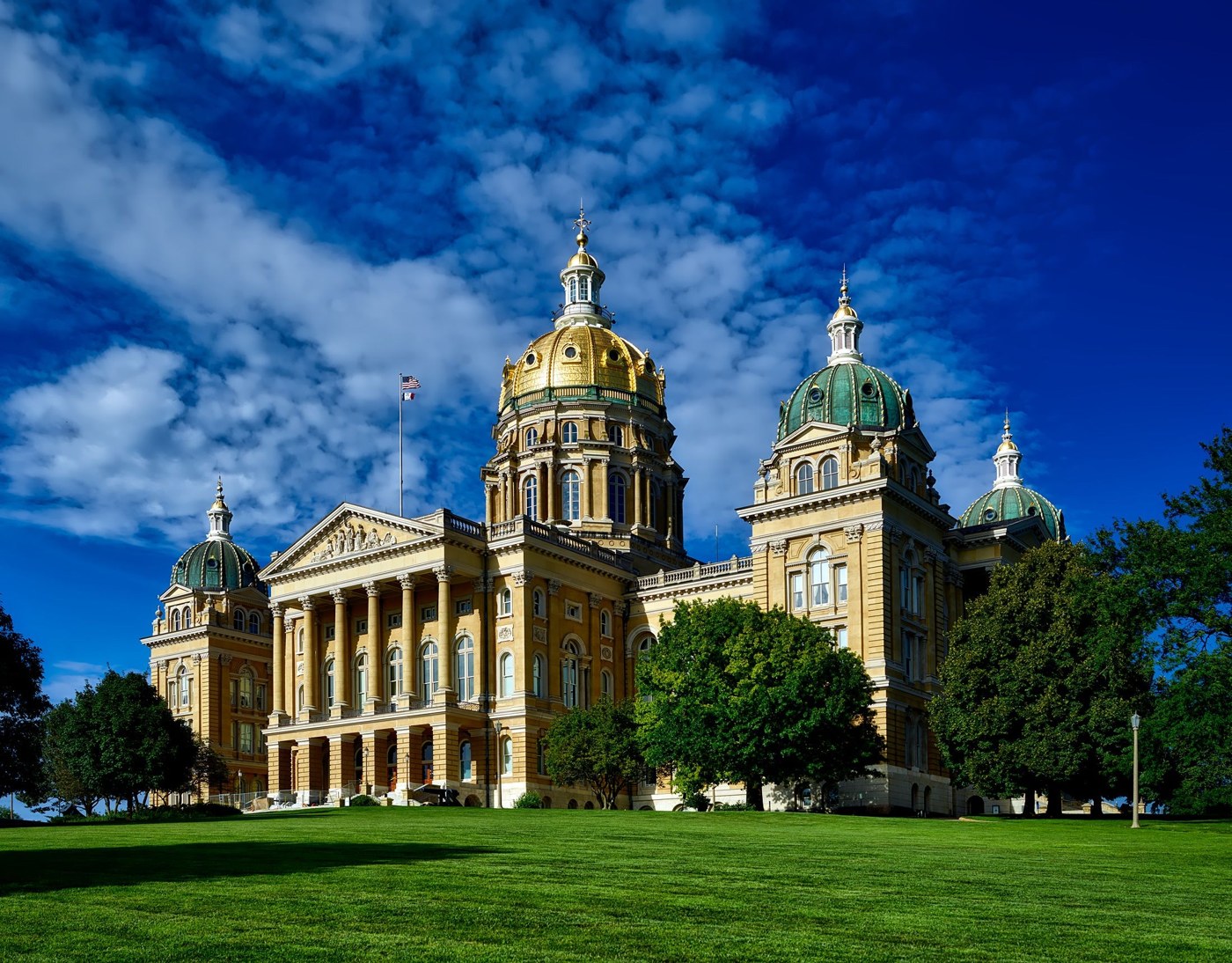
Stock view of the Iowa State Capitol in Des Moines; not the November 6 board meeting. Photo: Pixabay / Pexels.










 Cannabis4 weeks ago

 Cannabis3 weeks ago

 Cannabis4 weeks ago

 Cannabis4 weeks ago


 Cannabis4 weeks ago

 Cannabis3 weeks ago

 Cannabis4 weeks ago