#cannabisaficionado

Fashion

7 Fashion Trends from the Runway That Will Be Big in 2019

With the new year comes new looks to incorporate into your wardrobe. From feathers to tuxedos, here’s our run-down of the stand-out fashion trends for 2019.

Published

on

Fashion Trends
PHOTO | Celine | ANNE-CHRISTINE POUJOULAT/AFP/Getty Images
Advertisement Back2Grow Advertisement

2018 inundated us with some fashion trends that we are happy to leave in the past, including the ugly ‘dad’ sneakers and micro-sunglasses. Luckily, a new year brings in an opportunity to update your wardrobe with emerging trends first seen on the runway.

We are predicting 2019 will have a deeper focus on various textures and patterns, giving more room for individual creativity and the ability to adapt trends to personal style. Here are our top fashion trend predictions for 2019:

Bamboo Bags


View this post on Instagram


A post shared by CULT GAIA (@cultgaia) on

According to a Pinterest study, the search words “Bamboo Bag”, was up 2,215% proving that the trend is not slowing down any time soon. Although a statement piece, the accessory is not necessarily practical due to its design and fragile materials. If the delicate nature of the bag is too much for your day-to-day, try and incorporate the trend in other aspects of your wardrobe; chunky geometric jewelry, woven belts from natural materials and wooden block heels, all carry the essence of the bamboo bag.

This accessory was most likely plastered all over your Instagram feed in late 2018. With every fashion blogger clutching a sphere bamboo bag outside of fashion week venues, it’s only fitting that we are going to see more people investing in the revamped accessory throughout 2019.

Bike Shorts

Gone are the days when bike shorts were found in sporting stores and were meant for actual exercising. Instead, they are paired with chic tailored blazers or oversized shirts and have become a staple for every streetwear-inspired wardrobe. Making an appearance on the recent Spring/Summer 2019 runway circuit, iconic fashion houses like Nassir Zadeh and Fendi adopted the fashion trend in their collection.

Made popular by fashion It Girls including the Hadid’s, Kendall Jenner and Hailey Bieber, the trend is following us through to 2019. Keep in mind the length of the bike short when purchasing your own. The short should always sit a couple of inches above the knee, too long and it could make you look unproportionate and too short may look closer to a lycra bikini bottom.

Feathers


View this post on Instagram


@Zendaya wearing Marc Jacobs Spring ‘19 styled by @luxurylaw 💐 #MJSS19

A post shared by Marc Jacobs (@marcjacobs) on

From elaborate feather embellishment to feather earrings, faux-feathers are the new faux-fur. Dries Van Noten offered up a more low-key use of the texture while Marc Jacobs offered over-the-top feather dresses.

Rouching


View this post on Instagram


Thinking about you 💘

A post shared by Chiara Ferragni (@chiaraferragni) on

Rouching describes the technique of gathering fabric and texture to form detail in a garment. The technique made an impact in the industry during the early ’80s but has made a surprise return for 2019. With the ever-growing athleisure movement, designers have embraced parachute-style rouging which enables the wearer to tug on the pulls and alter the look to serve your creative taste and body shape.

Rouching detail was seen at some of the largest fashion houses Spring/Summer 2019 shows including Altuzarra, Pyper Moss and Burberry. Rouching adds texture and a unique silhouette to any ensemble and can be used to create a statement without incorporating patterns or vibrant color.

Snake Print

This is an alternative to the classic leopard print that has been dominating high-street for years. The snake print made an impression at the recent Autumn/Winter 2018 runway circuit with many brands including Marni, Zimmerman and Rochas have incorporated snake in a variety of ways.

From snakeskin boots, cami dresses and statement bags, the faux print can be used in any form. Try elevate this bold print by buying in neon colors and be sure to make a lasting impression.

Tie-Dye


View this post on Instagram


Pre-Order the Spring/Summer 2019 Runway Collection now exclusively at R13.COM #preorder #ss19 #r13 #r13denim #shopr13

A post shared by R13 (@r13denim) on

Are you ready for a summer spent in tie-dye sweaters, tees, and skirts. Sometimes worn all at once? Sometimes worn with acid wash jeans? Michael Kors made a strong argument for tie-dye last year, now the popular print has reappeared and makes a striking statement that translates from Manhattan to Malibu.

Tuxedos


View this post on Instagram


Showing up the lads 😜 @harpersbazaarus

A post shared by Cara Delevingne (@caradelevingne) on

Creative director Heidi Slimane debuted his first collection with Celine at the recent Spring/Summer 2019 runway show. Few designers have been able to accomplish such intricate and figure enhancing tailoring for woman as the Celine designer. The collection has sparked an increase in female suiting which includes the traditional tuxedo. Opting for a tuxedo for an evening look is both a comfortable yet classic option when done correctly:

  • Leave the first few buttons on your shirt undone to avoid looking square at the chest
  • Try to keep the tuxedo jacket buttoned to cinch in the waist
  • Wear a pant that sits above the hip to enhance your leg length
  • A shorter jacket is best on a small frame to avoid looking smothered

Fashion

GOHEMP’s Winter Jackets Put Hemp Inside Familiar Workwear Shapes

GOHEMP’s fall–winter lineup puts hemp into denim and weather-cloth jackets, with checked linings and a roomy cut. The fabric details tell the useful story.

Published

on

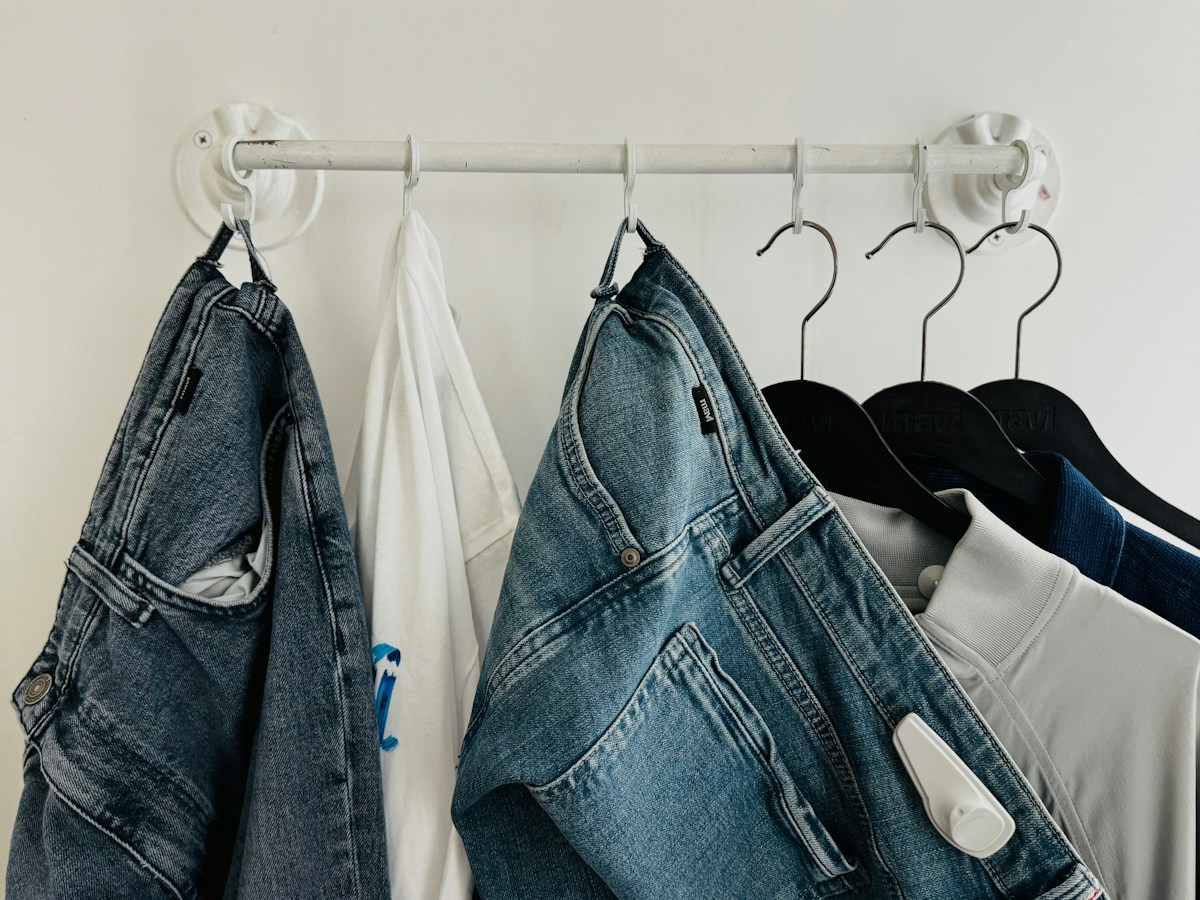
Denim jackets and light shirts hanging on a white clothing rail

Hemp fashion is easiest to understand when the material appears in something familiar. In GOHEMP’s current fall–winter collection, that means a short workwear jacket with a corduroy collar, three pockets and a checked lining. Cannabis enters this story as textile fiber, with the garment’s actual blend more informative than a broad hemp label.

The Japanese brand’s One Heart jackets offer two useful routes through that idea: a denim version and a weather-cloth version. Both put hemp into blended fabrics rather than presenting the jacket as an all-hemp garment. The distinction matters for shoppers comparing materials, fit and price.

GOHEMP’s website identifies its current seasonal collection as fall–winter 2026. The linked official Juzu store currently features the jackets in a new-jacket presentation. The pages do not establish a specific launch day, so this is a look at the seasonal offering rather than a claim that the jackets arrived this morning.

One shape, two fabric approaches

The denim One Heart Jacket uses a nine-ounce hemp-blend denim with a hemp-blend checked flannel lining. The store pairs that fabric description with triple-needle stitching and a corduroy collar, details that keep the design within a recognizable workwear vocabulary.

Its proportions are deliberately short and roomy. That gives the jacket a different role from a long coat: it can sit over a layer without relying on a narrow body or extended hem for its silhouette. The checked lining adds another visible texture when the jacket is worn open.

The One Wash denim listing carries a Japanese tax-inclusive price of ¥35,200. The seasonal feature also lists a Used Wash version at ¥36,300. Those prices belong to the Japanese retailer; they should not be treated as delivered prices for an overseas buyer.

The weather-cloth version keeps the same broad design language but changes the exterior. Its listed outer fabric is 75 percent cotton, 14 percent recycled polyester and 11 percent hemp. The lining is 90 percent cotton and 10 percent hemp, according to the product’s material table.

Read the outer and lining separately

That split is the most useful material detail in the collection. An exterior percentage does not describe the lining, and neither describes every component of a finished jacket. Here, the published table lets shoppers see exactly where the hemp appears in the weather-cloth model.

It also shows why calling it simply a hemp jacket leaves out part of the construction. Cotton is the largest listed component of both shell and lining, while recycled polyester appears in the shell. The hemp connection is real, but it exists within a mixed-fiber garment.

The retailer lists the weather-cloth jacket in Tone Black, Coyote and Olive Drab at ¥31,900, including Japanese tax. Compared with the two denim treatments, it offers a lower listed entry price and a different surface appearance within the same seasonal jacket family.

The recycled content is a documented material choice. It is not enough, on its own, to establish a complete environmental comparison with another jacket. The pages do not provide a garment-level life-cycle assessment, and the presence of hemp should not be converted into an unsupported promise about the finished product’s footprint.

A roomy cut needs actual measurements

The store’s measurements help translate the styling language into something more concrete. For the One Wash denim jacket, a medium lists a 65-centimeter body length, 63-centimeter body width and 53.5-centimeter shoulder width. The listed sleeve length is 57.5 centimeters.

Those numbers offer a more useful comparison than assuming that a familiar letter size will fit the same way across brands. Measuring a jacket that already fits gives a shopper a reference for the short length and generous width before choosing a size.

The weather-cloth medium shares the listed 65-centimeter body length and 63-centimeter body width, while its sleeve measurement differs slightly. That is another reason to read the specific product page instead of carrying measurements from one fabric version to another.

A material story with a longer history

GOHEMP dates its brand history to 1994 and describes hemp fabric development as central to its work. The current jackets fit that established direction rather than marking the brand’s first experiment with cannabis fiber.

Our recent look at hemp fabric sourcing raised a similar question from the material side: what, precisely, is the textile being offered? GOHEMP’s jackets bring that question to the finished wardrobe. The strongest details are tangible ones: a specified blend, a checked lining, a measured cut and separate prices for different versions.

The store lists sizes from XS through XL for the denim model. Availability can vary because its retail and online operations share stock. A listed size range describes the offering, rather than confirming that every size is available at the moment an order is placed.

Illustrative stock clothing rack; these are not GOHEMP products and their fiber content is unverified. Photo: Kamil Kalkan / Unsplash.

Continue Reading

Fashion

Hancott’s New Hemp Fabric Listing Puts the Material Behind Fashion in Focus

Hancott’s November 8 hemp-fabric listing offers specifications, not a retail clothing launch. USDA data and textile labels explain the wider context.

Published

on

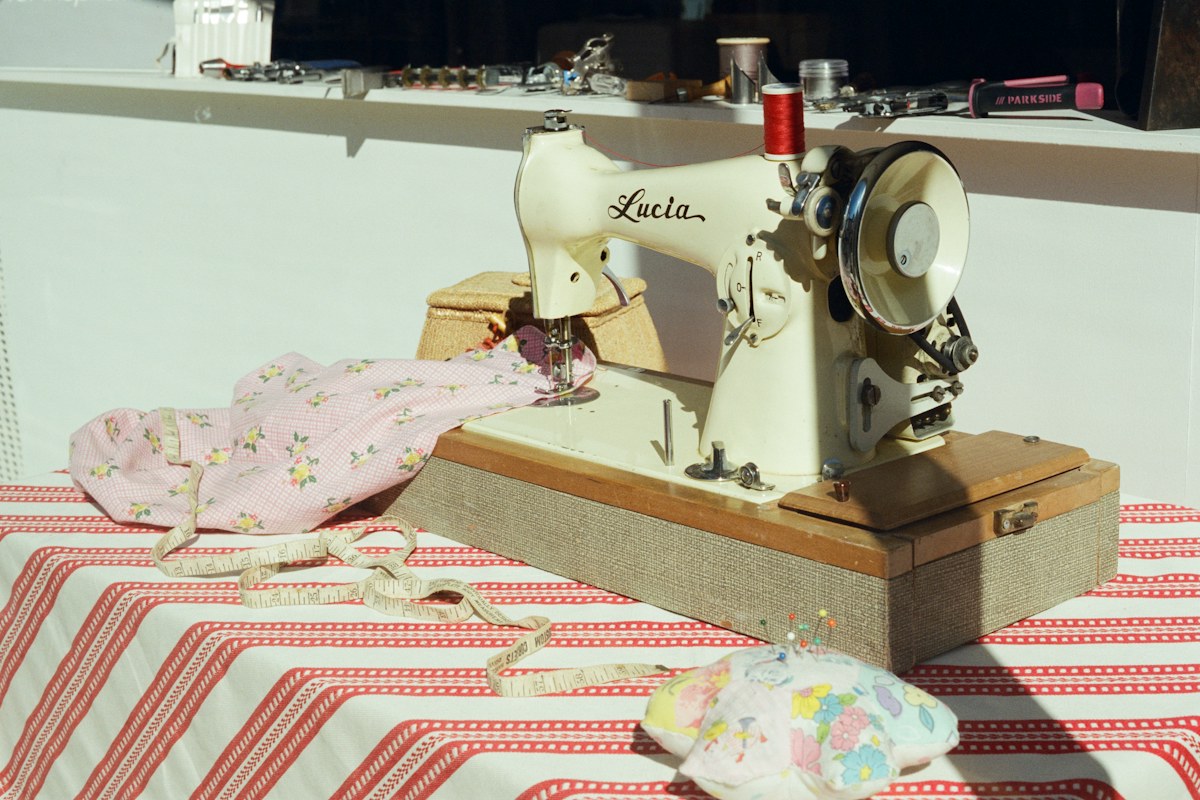
Vintage sewing machine with patterned fabric and a measuring tape

Hancott has added a lightweight, all-hemp fabric to its development listings, offering a concrete new reference for fashion made from cannabis fiber. The November 8 entry for HEMPRIVA describes material for shirts, relaxed tops and light layers, rather than announcing a finished clothing collection available in stores.

The cannabis connection is the textile itself. Hemp fiber brings the plant into clothing through material selection and manufacturing. For someone following hemp fashion, the useful questions are what the fabric contains, what stage of development it has reached and which claims the available evidence actually supports.

A fabric specification, not a finished shirt

Hancott’s product entry lists HEMPRIVA as 100% hemp, weighing 125 grams per square meter and measuring 140 centimeters wide. Navy, black and natural white appear as color references. The supplier says current availability must be confirmed by inquiry and that suitability for a final garment requires sampling.

Its pictured garments are illustrative concepts based on the fabric reference. That distinction matters when a development page is shared as fashion news: a rendering of a shirt does not establish that the shirt has been produced, priced or stocked by a retailer.

The weight figure describes fabric mass per unit of area, not the weight of an entire garment. Width describes the material’s dimensions. Neither number, by itself, establishes how a finished shirt fits, whether it is opaque in every color or how it performs after repeated washing.

For a designer, these specifications are a starting point for requesting and comparing samples. For a shopper, they explain why the development is interesting without substituting for the finished product details needed to choose clothing.

Growth in fiber is real, but the market remains small

A recent USDA Economic Research Service outlook, approved September 15, provides context beyond one supplier. It reports that U.S. hemp harvested for fiber rose from under 7,000 acres in 2022 to nearly 22,000 acres in 2025. Utilized fiber production increased from roughly 20 million to 65 million pounds over that period.

Those figures describe agricultural output, not the number of hemp shirts sold. Fiber can enter clothing and home goods, and production volume does not establish that every harvested pound became apparel. A larger harvest and a successful finished-garment market are related but separate developments.

USDA estimates fiber hemp’s 2025 production value at $13.5 million, about 2% of the value of industrial hemp grown in the open. Floral hemp accounted for a much larger share of value. Acreage, pounds and dollars therefore tell different stories about the same crop.

The report also places hemp at only about 0.2% of total global fiber production in 2024. That small base is useful context for dramatic growth language. A niche material can expand substantially without displacing the cotton and synthetic fibers that dominate contemporary textiles.

The finished label still has work to do

For clothing sold in the United States, the Federal Trade Commission’s textile-labeling guidance explains the information most covered products must carry: fiber content, country of origin and the identity of the manufacturer or another responsible business. Clothing care instructions fall under a separate FTC rule.

A prominent reference to hemp is not a reason to stop reading the composition label. The guidance distinguishes full fiber disclosure from certain promotional hang-tags, which may highlight a fiber while directing buyers elsewhere for the complete content. A fabric story and a garment’s final label answer different questions.

The same care applies to country-of-origin assumptions. A fabric supplier’s location, the place where hemp was grown and the place where a shirt was manufactured need not be treated as interchangeable descriptions. A finished item’s actual disclosures are more useful than a guess based on a brand’s address.

Keep the material story specific

Our HempAge winter preview looked at hemp in a seasonal clothing range. HEMPRIVA sits earlier in the chain, where a fabric reference may become a future design. The contrast shows how cannabis-connected fashion includes both finished wardrobes and the less visible decisions behind them.

The next evidence to watch is a physical sample and, eventually, any identified garment using the fabric. Until then, the accurate news is a new hemp development listing with published specifications. That is enough to follow without inventing a retail launch or promising an experience the finished clothing has not yet demonstrated.

For scale, one linear meter of cloth at the listed 1.4-meter width covers 1.4 square meters. At 125 grams per square meter, that works out to a nominal 175 grams before allowances or garment construction. It illustrates why width and weight belong together when comparing fabric, rather than treating either as a standalone quality score.

Illustrative sewing stock photograph; not Hancott equipment or identified hemp fabric. Photo: Barney Goodman / Unsplash.

Continue Reading

Fashion

HempAge’s Winter Preview Puts Cannabis Fiber Into Everyday Layers

HempAge’s winter collection preview brings hemp blends, knitwear and everyday layers together, with garment details worth checking.

Published

on

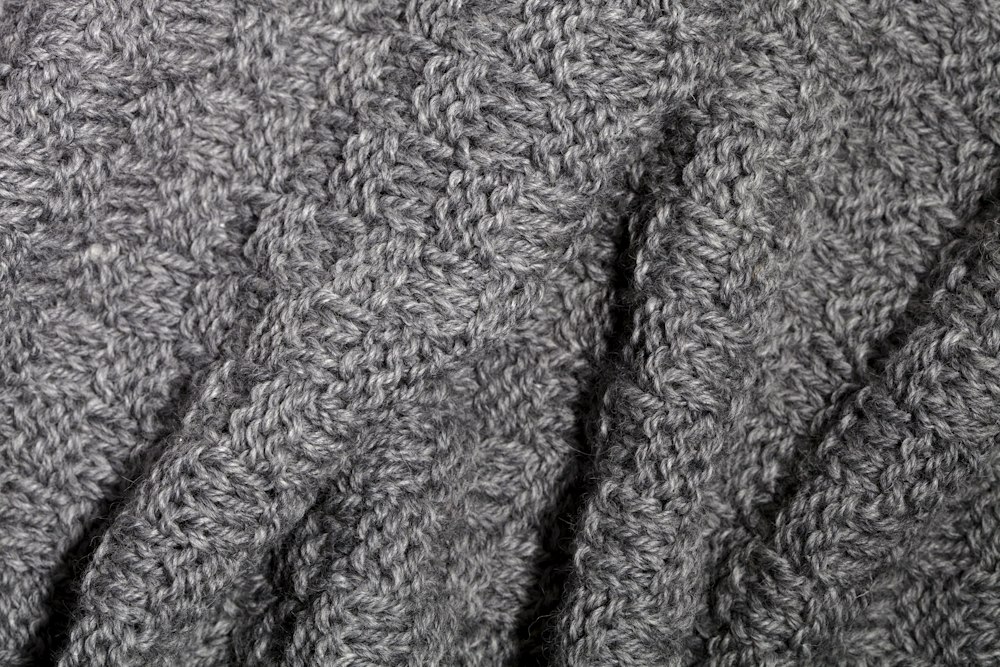
Close-up of folded gray knitted fabric

HempAge’s autumn/winter 2026–27 preview puts hemp into the ordinary pieces that carry a cold-weather wardrobe: knitwear, long-sleeved tops, chinos and a beanie. The cannabis connection is the fiber itself. This is clothing built around the textile side of the plant, rather than a cannabis graphic applied to otherwise unrelated merchandise.

The German label’s seasonal collection page presents hemp blends alongside a fabric it calls Macel, made with hemp and eucalyptus fibers. It is a current collection preview, not evidence that every listed style has begun shipping or that a new launch occurred this week.

The interest is in the everyday pieces

The range shown online includes a Henley, men’s chinos, recycled-hemp knitwear and several long-sleeved silhouettes. That makes its fashion proposition fairly direct: work the material into familiar wardrobe functions instead of asking the wearer to organize an outfit around an obvious statement piece.

A Henley can provide the focal point of a simple layered outfit through its neckline. A plain long-sleeved top can sit underneath a jacket without competing with it. Chinos offer a different shape and level of formality from jeans. These are styling possibilities, not claims based on trying the garments ourselves.

The distinction is useful for cannabis-connected fashion. Some labels lead with culture, graphics or a recognizable joke. Here, the connection can remain in the composition label. A garment does not need to announce its botanical history across the chest to belong in that conversation.

The preview lists the Henley at €69 and the recycled-hemp/organic-cotton beanie at €29.90 when checked. These are the retailer’s listed euro prices, not a delivered cost for every destination. Size, color, shipping and current availability belong to the exact listing rather than the general collection description.

A seasonal palette beyond basic green

HempAge names Espresso, Reef, Ruby, Navy and Amethyst among the season’s colors. The names suggest several ways to organize a wardrobe, from quieter combinations to a single stronger accent. They also move the collection away from the expectation that hemp clothing must be presented only in undyed-looking neutrals.

As an editorial styling approach, a dark trouser and a warmer-colored top can make texture more noticeable without introducing several competing patterns. Alternatively, keeping the outfit within a restrained palette leaves room for a more distinctive hat or scarf. The individual color and fit options still need checking on the relevant listing.

Online presentation cannot establish precisely how a shade will look in different light or how a fabric will feel against the skin. Those are practical reasons to consider an existing wardrobe and the retailer’s returns terms before treating a seasonal photograph as a complete product assessment.

Hemp blends are not one uniform fabric

The collection’s category names distinguish hemp/organic-cotton pieces, recycled blends and hemp-related lyocell garments. The general word hemp does not mean that every piece has the same composition. A knit, a jersey and a woven trouser also serve different purposes even when they share part of their fiber story.

That makes the individual garment label more informative than a broad collection slogan. Look for the listed percentages, construction, dimensions and care instructions for the exact style. Do not transfer a composition claim from one product to another merely because both appear in the same seasonal range.

This matters particularly when comparing an unfamiliar fabric name with a familiar one. A branded material description is a starting point for understanding what a company is offering. It does not, on its own, establish that the finished garment performs better than another product or suits every wearer.

The supply chain belongs in the fashion story

In its supply-chain statement, HempAge describes the stages from raw material and fiber processing to manufacturing, transport and packaging. It presents traceability and clearer composition information as continuing responsibilities. These are the company’s account of its approach, rather than an independent audit conducted for this article.

The useful implication is that selecting a plant-based fiber answers only part of a clothing question. Processing, garment construction, working conditions and the length of time a piece remains useful all belong in a fuller discussion. A botanical ingredient should not make those other stages disappear from view.

Our coverage of Object Apparel’s Detroit hemp collection examined another route from cannabis fiber to clothing. HempAge’s seasonal preview offers a different emphasis: recognizable wardrobe staples, several material blends and a palette designed to work across a range.

For readers following hemp fashion this winter, the collection is worth examining at the garment level. The interesting story is how a cannabis-derived textile participates in ordinary choices about shape, color and use, while the specific product information does the work behind the label.

Illustrative knit-texture stock photo; not HempAge clothing or verified hemp fabric. Photo: Maria Kovalets / Unsplash.

Continue Reading

Trending

Join The Cannabis Aficionado Community!
Join the Cannabis Aficionado community and receive all of the most relevant news geared towards our sophisticated enthusiast community.
Loading

Copyright ©️ 2026 Cannabis Aficionado. Cannabis Aficionado is a registered trademark of CNM Inc. All rights reserved. Registration on or use of this site constitutes acceptance of our Terms of Service, Privacy Policy and Cookies Policy. People may receive compensation for some links to products and services. Offers may be subject to change without notice.