HempAge’s autumn/winter 2026–27 preview puts hemp into the ordinary pieces that carry a cold-weather wardrobe: knitwear, long-sleeved tops, chinos and a beanie. The cannabis connection is the fiber itself. This is clothing built around the textile side of the plant, rather than a cannabis graphic applied to otherwise unrelated merchandise.
The German label’s seasonal collection page presents hemp blends alongside a fabric it calls Macel, made with hemp and eucalyptus fibers. It is a current collection preview, not evidence that every listed style has begun shipping or that a new launch occurred this week.
The interest is in the everyday pieces
The range shown online includes a Henley, men’s chinos, recycled-hemp knitwear and several long-sleeved silhouettes. That makes its fashion proposition fairly direct: work the material into familiar wardrobe functions instead of asking the wearer to organize an outfit around an obvious statement piece.
A Henley can provide the focal point of a simple layered outfit through its neckline. A plain long-sleeved top can sit underneath a jacket without competing with it. Chinos offer a different shape and level of formality from jeans. These are styling possibilities, not claims based on trying the garments ourselves.
The distinction is useful for cannabis-connected fashion. Some labels lead with culture, graphics or a recognizable joke. Here, the connection can remain in the composition label. A garment does not need to announce its botanical history across the chest to belong in that conversation.
The preview lists the Henley at €69 and the recycled-hemp/organic-cotton beanie at €29.90 when checked. These are the retailer’s listed euro prices, not a delivered cost for every destination. Size, color, shipping and current availability belong to the exact listing rather than the general collection description.
A seasonal palette beyond basic green
HempAge names Espresso, Reef, Ruby, Navy and Amethyst among the season’s colors. The names suggest several ways to organize a wardrobe, from quieter combinations to a single stronger accent. They also move the collection away from the expectation that hemp clothing must be presented only in undyed-looking neutrals.
As an editorial styling approach, a dark trouser and a warmer-colored top can make texture more noticeable without introducing several competing patterns. Alternatively, keeping the outfit within a restrained palette leaves room for a more distinctive hat or scarf. The individual color and fit options still need checking on the relevant listing.
Online presentation cannot establish precisely how a shade will look in different light or how a fabric will feel against the skin. Those are practical reasons to consider an existing wardrobe and the retailer’s returns terms before treating a seasonal photograph as a complete product assessment.
Hemp blends are not one uniform fabric
The collection’s category names distinguish hemp/organic-cotton pieces, recycled blends and hemp-related lyocell garments. The general word hemp does not mean that every piece has the same composition. A knit, a jersey and a woven trouser also serve different purposes even when they share part of their fiber story.
That makes the individual garment label more informative than a broad collection slogan. Look for the listed percentages, construction, dimensions and care instructions for the exact style. Do not transfer a composition claim from one product to another merely because both appear in the same seasonal range.
This matters particularly when comparing an unfamiliar fabric name with a familiar one. A branded material description is a starting point for understanding what a company is offering. It does not, on its own, establish that the finished garment performs better than another product or suits every wearer.
The supply chain belongs in the fashion story
In its supply-chain statement, HempAge describes the stages from raw material and fiber processing to manufacturing, transport and packaging. It presents traceability and clearer composition information as continuing responsibilities. These are the company’s account of its approach, rather than an independent audit conducted for this article.
The useful implication is that selecting a plant-based fiber answers only part of a clothing question. Processing, garment construction, working conditions and the length of time a piece remains useful all belong in a fuller discussion. A botanical ingredient should not make those other stages disappear from view.
Our coverage of Object Apparel’s Detroit hemp collection examined another route from cannabis fiber to clothing. HempAge’s seasonal preview offers a different emphasis: recognizable wardrobe staples, several material blends and a palette designed to work across a range.
For readers following hemp fashion this winter, the collection is worth examining at the garment level. The interesting story is how a cannabis-derived textile participates in ordinary choices about shape, color and use, while the specific product information does the work behind the label.
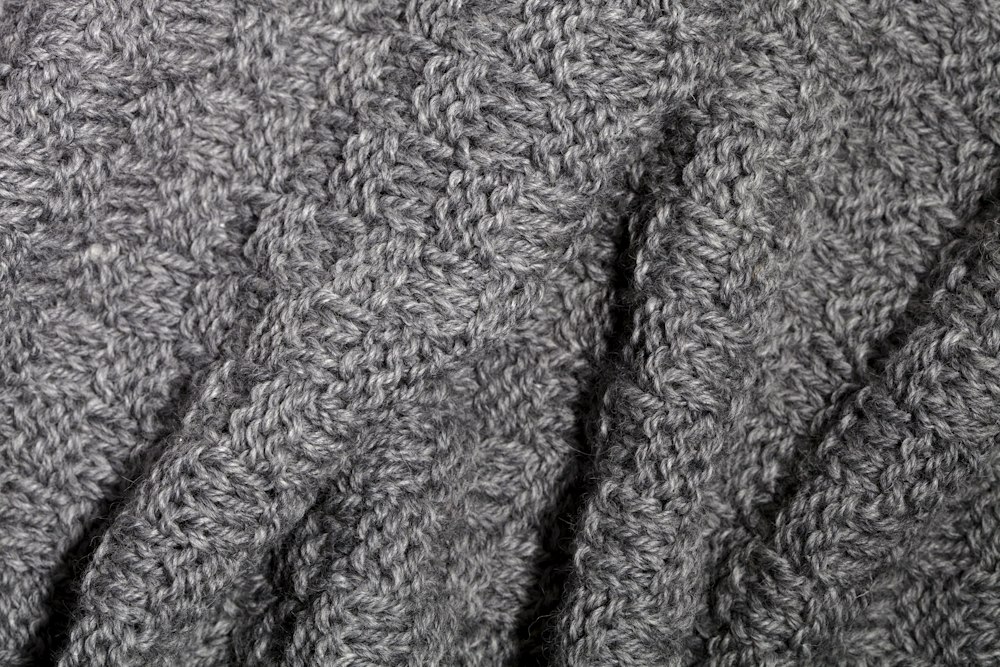
Illustrative knit-texture stock photo; not HempAge clothing or verified hemp fabric. Photo: Maria Kovalets / Unsplash.



 Cannabis3 weeks ago

 Cannabis3 weeks ago

 Cannabis3 weeks ago

 Cannabis3 weeks ago


 Cannabis3 weeks ago

 Cannabis3 weeks ago

 Cannabis3 weeks ago