The Asia International Hemp Expo & Forum is scheduled for November 18–20 at Hall 7 of Bangkok’s Queen Sirikit National Convention Center, with textile and garment businesses explicitly included in its international buyer program. For fashion readers, the event offers a look at the supply chain behind hemp clothing, rather than a verified announcement of a new collection.
The cannabis connection is the material itself: hemp supplies fiber used in textiles. That makes a business event covering cultivation and processing relevant to the finished garment, even when the exhibition’s remit extends well beyond clothes. The useful question is how a plant becomes a fabric that a designer can specify and a manufacturer can reliably source.
A sourcing event with a fashion connection
The organizer describes the fifth edition as a business platform co-located with the Asia International Cannabis Expo & Forum. Its stated scope includes technologies, materials and equipment for cultivation, extraction and processing across hemp, cannabis and kratom. Those are the organizer’s descriptions of the exhibition’s purpose, not independently measured outcomes.
The international buyer campaign is more specific about the fiber opportunity. It lists textile and garment businesses alongside construction, furniture, decorative items, composites and automotive parts. It says the program is intended to connect qualified business owners and buyers with exhibitors for sourcing, distribution, investment and other commercial relationships.
That list matters because it identifies apparel as part of the intended business audience. It does not establish which garment orders will be signed, which exhibitors will secure them or whether a material will reach a retail collection. Those would require separate reporting after the event.
From a fiber name to a usable fabric
The European Commission’s hemp overview describes the fiber as similar to linen and notes growing textile-industry interest. It also separates textile uses from hempseed foods and construction materials. For a clothing buyer, that distinction is useful: the same crop name can sit above very different production processes and end products.
A fabric specification needs more information than the word hemp. Buyers can ask about fiber content, yarn construction, fabric weight, finishing and intended use before judging whether a sample suits a jacket, shirt or upholstery project. Those are due-diligence questions, not claims about any particular material being shown in Bangkok.
They also help distinguish an interesting sample from a dependable supply arrangement. A designer may like a fabric’s appearance while still needing evidence on minimum order quantities, delivery schedules, consistency and care. A trade conversation becomes useful when it supplies those details rather than relying on the plant’s reputation.
Processing is part of the fashion story
There is a concrete example outside this exhibition. Interreg North-West Europe’s account of Hemp4Circularity describes cooperation among 11 partners in Belgium, France, the Netherlands and Germany across cultivation, processing, textiles and recycling. Its pilot collection explored uses including workwear fabrics, twill, denim and softer everyday materials.
The project illustrates why clothing’s relationship with hemp is bigger than a logo or a leaf graphic. Its account centers collaboration across the value chain. That provides context for the importance of sourcing meetings, while offering no proof that the Bangkok exhibition shares the project’s partners, processes or results.
For readers following our recent coverage of hemp cloth and craft at Arts & Science, the distinction is especially relevant. Finished designs show how material choices appear in clothing; sourcing events address some of the business relationships needed before such garments can exist.
Environmental claims still need evidence
Hemp’s presence on a label does not settle a garment’s total environmental impact. The European Environment Agency’s textile analysis examines impacts across fiber production, manufacturing, distribution, maintenance and disposal. It describes energy, water and chemical use during manufacturing and resource use during washing and drying.
That wider view suggests useful questions for any material supplier: what was measured, which stages were included and what comparison supports a sustainability claim? A crop’s potential advantages should not be turned into an unsupported promise about every blended, dyed or finished product made from it.
Traceability is another useful part of a sourcing conversation. A buyer can ask whether documentation follows the fiber through spinning, weaving and finishing, rather than assuming that one certification or statement covers the entire garment. Any resulting environmental or origin claim should identify its actual scope before it reaches a consumer-facing label.
The confirmed November story is therefore a commercial meeting point with a clear textile connection. The event’s buyer list gives fashion a legitimate place in that conversation. Actual supplier agreements, verified fabric properties and resulting collections will be the evidence to look for next.
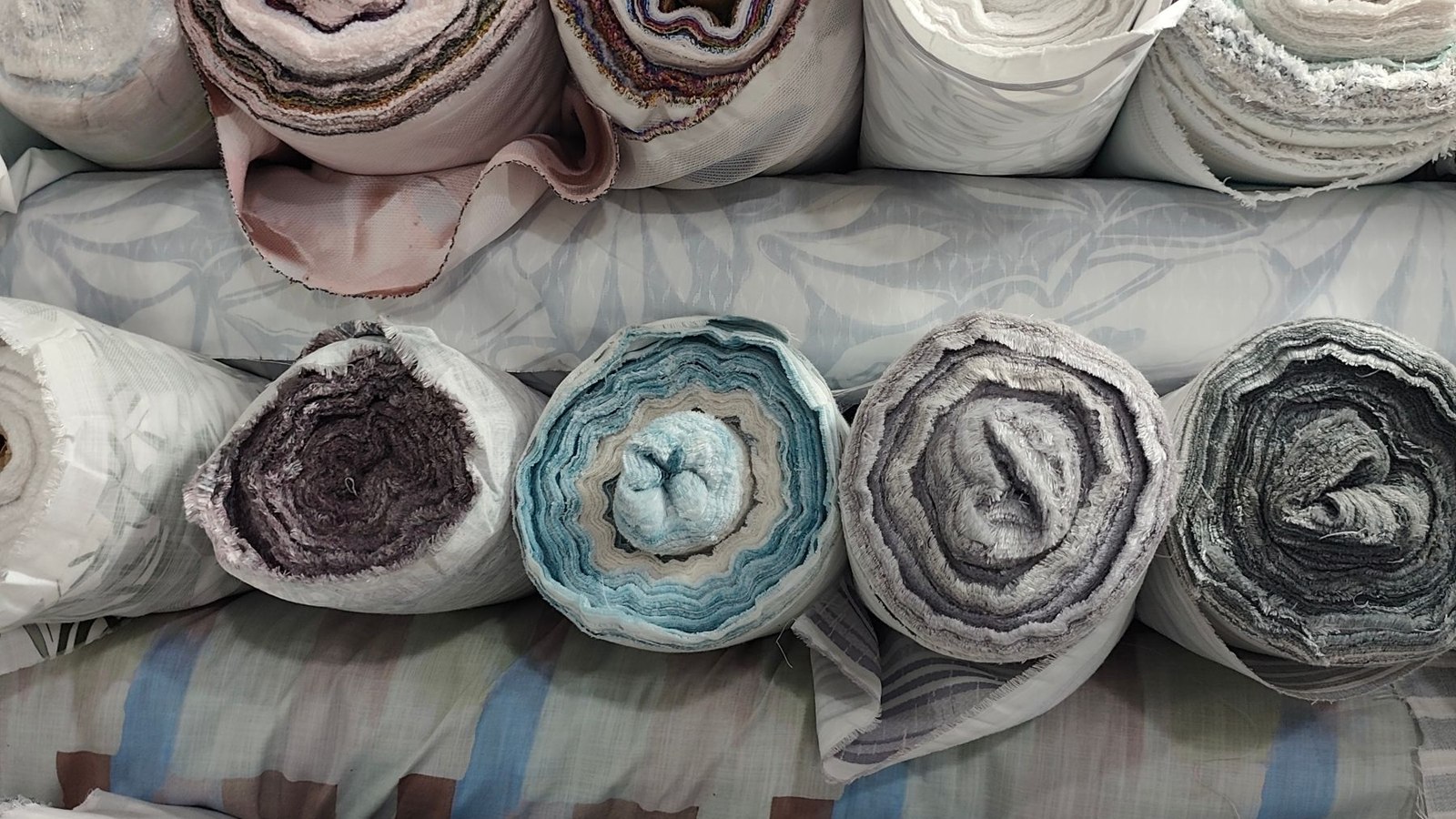
Illustrative textile stock photograph; fiber composition is unverified. Not the Bangkok expo or confirmed hemp fabric. Photo: sundar kr / Pexels.



 Cannabis1 month ago

 Cannabis4 weeks ago

 Cannabis1 month ago

 Cannabis1 month ago


 Cannabis4 weeks ago

 Cannabis4 weeks ago

 Cannabis1 month ago