#cannabisaficionado

Fashion

Bad Idea by CHITO Gives the Vans Half Cab a New Artistic Life

Wreckpack’s airbrush artwork meets a skateboarding silhouette born from customization. The official US listing offers a clearer price than conflicting release previews.

Published

on

Sneakers and skateboard on a dark asphalt road
Advertisement Back2Grow Advertisement

Bad Idea by CHITO’s new Vans collaboration reaches release day October 29 with a familiar skate shoe serving as an artist’s canvas. The OTW Half Cab 33 carries original work by Wreckpack, bringing an airbrush sensibility to a silhouette whose history already involves people changing a shoe to make it their own.

For readers following the launch, one practical detail is worth settling first. The official US Vans product listing displayed $150 when checked, with the color identified as Chito Skull and style code VN000Z7N701. Release previews have circulated different prices; the seller’s current listing is the relevant starting point.

An artist credit that belongs in the headline

Vans describes Bad Idea by CHITO as an artist community built around collaboration and shared expression. Its product description specifically credits Wreckpack with the original artwork and airbrush treatment. Keeping that name attached to the release matters: a collaboration can involve a brand, a platform and an individual artist doing distinct jobs.

Sneaker News’ release coverage describes skull motifs spread across a green-to-orange gradient, with a contrasting treatment around the sole. It also identifies October 29 as the launch date. The visual direction makes the shoe conspicuous without requiring a new underlying silhouette.

Our reading is that the pattern rewards looking at the whole object, rather than only the side profile most often used in a shopping thumbnail. The upper and the sole contribute different parts of the composition. That makes this a useful example of artwork working across a three-dimensional product rather than simply appearing as a small additional logo.

The Half Cab was already a customization story

The brand’s history of the Half Cab traces its 1992 arrival to skaters cutting down the high-top Caballero Pro. They turned the taller shoe into a mid-top, using scissors and tape before that altered shape became an official product.

That origin gives this release a more interesting backdrop than an anniversary number alone. The Half Cab’s familiar outline came from its users changing something they already had. An artist-led edition continues a conversation about alteration, even though a manufactured collaboration and a skater’s improvised modification are different things.

In a historical King Skateboard interview with Jeff Thorburn, Steve Caballero recalled seeing the cut-down shoes around 1990 and 1991. He said he copied the practice himself before asking Vans to make a shorter version. He dated the Half Cab’s release to 1992.

The interview accompanied the shoe’s 25th anniversary, not this week’s launch. Caballero also described the role later collaborations played in renewing attention to the model. That is useful historical testimony about the shoe’s staying power, without implying he personally approved or discussed the current design.

Separate construction claims from an actual test

The current product’s details list a padded collar, a waffle-pattern outsole and a Sola Foam ADC insole. Vans says the insole uses at least 30 percent biobased polyurethane foam partially derived from plants. These are manufacturer specifications, not findings from our own skate test.

Comfort and durability claims deserve that distinction. A product page can explain what a shoe contains, but it cannot tell a particular reader how the fit will feel after a full day or how the artwork will look after repeated wear. Those questions require personal fit checks and experience with the actual pair.

Anyone buying to skate should consider the intended use alongside the design. Anyone buying primarily for the artwork may place more value on how the different surfaces appear together. Neither reason automatically makes the shoe a collector’s investment, and a release date is not evidence of future scarcity or resale value.

The historical distinction also helps when reading the word custom. A one-off pair altered by its owner, an artist’s original commission and a factory-produced edition carrying artwork are separate kinds of object. This is a released collaboration with a specific product code. Knowing that does not diminish the art; it simply makes clear what the buyer is being offered and who made the creative contribution.

A different way to revisit familiar footwear

The collaboration offers a graphic counterpoint to Wales Bonner’s material-focused adidas collection, also arriving this week. One changes the reading of an archive through texture; this release puts an artist’s imagery at the center.

Before choosing a pair, compare the exact style code, displayed price, size and return conditions at the retailer you actually intend to use. Then look past the launch-day urgency. The lasting appeal is the meeting of a recognizable skateboarding shape and a specific creative voice, not the countdown attached to the shopping page.

Illustrative skateboarding photograph; not the Bad Idea by CHITO release. Photo: Polina Tankilevitch / Pexels.

Fashion

IFM’s New Academic Chair Puts Hemp’s Place in Fashion Under Study

IFM and the European fibre alliance are studying hemp’s fashion markets, with first findings due in June 2027. The material details still matter.

Published

on

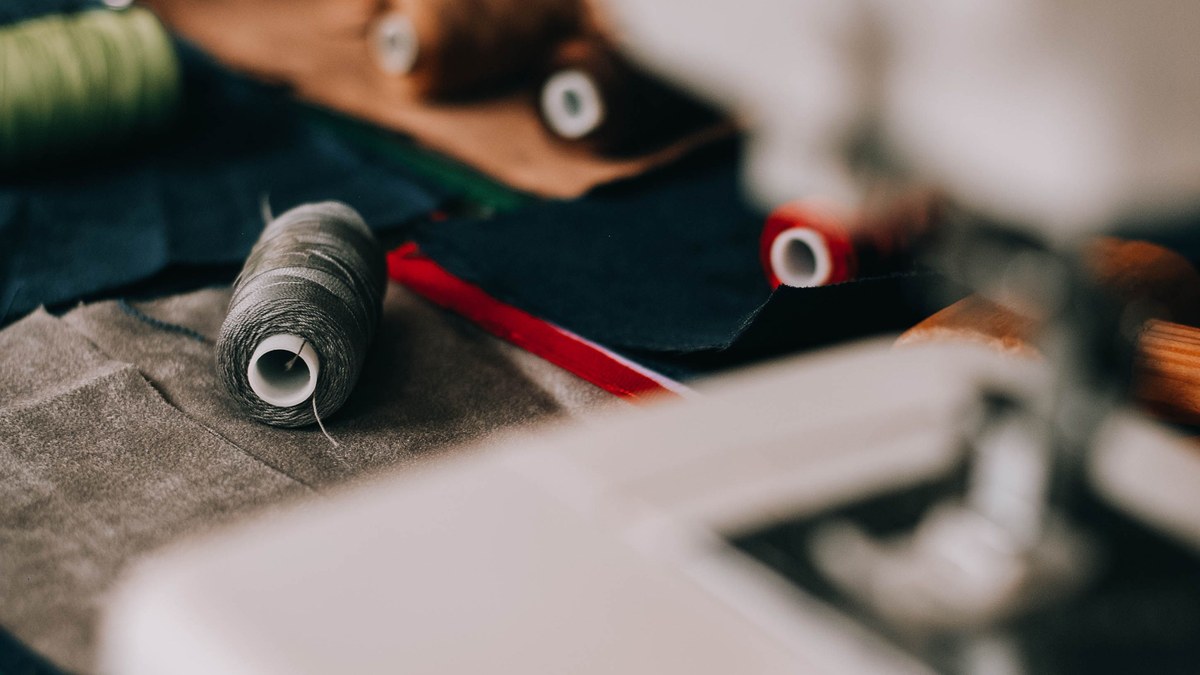
Gray thread spool on fabric with a red zipper and sewing equipment in the background.

A new partnership between the Institut Français de la Mode and the Alliance for European Flax-Linen & Hemp will study how the two fibres can develop in fashion and lifestyle. For our cannabis community, the connection is straightforward: hemp is Cannabis sativa used as a textile material. The interesting question is how that material moves from an appealing label to a dependable place in your wardrobe.

The Alliance’s November 20 announcement says the academic chair was announced at its November 13 general assembly. Its first findings are due at LINEN DAY in Paris on June 24, 2027. We are looking at a research partnership with a future reporting date, rather than a new clothing collection or a completed assessment of hemp’s performance.

What will the chair study?

The partners identify three objectives: understanding markets and the uses of flax-linen and hemp, measuring their economic contribution, and finding opportunities to create value in fashion and lifestyle. The agreement brings IFM and its Economic Observatory together with the Alliance and industry participants.

Bart Depourcq, the Alliance’s president, and IFM director general Xavier Romatet signed the partnership. The institutions already have ties: the Alliance’s predecessor, CELC, was a founding member of IFM, which marks its fortieth anniversary in 2026. This is an extension of an existing relationship, not evidence that fashion education has only just discovered plant fibres.

What we want from the eventual findings is specificity. Where is hemp actually being used? Which fabrics are brands ordering, and which obstacles keep those orders small? Those are questions we would bring to the work; the announcement does not provide answers yet.

Hemp fabric is not one uniform material

The Alliance’s textile guide distinguishes long, semi-long, cottonised short and cellulosic hemp fibres. They follow different processing routes and are at different stages of industrial development. Long fibres can become yarn for clothing and household linens; cottonisation helps hemp fit existing machinery and blend with cotton.

That range is useful when you are assessing a garment. A reference to hemp does not tell you the percentage, construction, weight or finish. Two pieces can share a plant ingredient and still answer very different wardrobe needs. Look for the composition and care information on the particular item, rather than expect the fibre name to do all the explaining.

Our coverage of Object Apparel’s Detroit hemp collection followed that material into actual garments. The new chair looks at a different scale: the markets and industry relationships behind such choices. The two perspectives are useful together, but an academic partnership does not certify an individual jacket or shirt.

The supply chain matters before the showroom

The Alliance’s European textile hemp overview describes cultivation and processing trials under Hemp4Circularity. It recounts difficulties during the wet 2023 harvest, including delays and problems with damp straw during processing. Those are historical trials, not a report on the 2026 harvest.

The lesson we take from that account is practical: growing a plant and delivering a consistent textile fibre are separate achievements. Harvesting, storage and processing can affect what a mill receives. A convincing fashion story should leave room for those steps instead of treating a field of hemp as a finished supply chain.

The Alliance also describes work toward collecting agricultural data for environmental assessment. That is a reason to ask for evidence, not a blanket environmental guarantee. We would distinguish a project intended to improve measurement from a completed comparison proving that every hemp product has a lower footprint than every alternative.

Read the market figures at the right scale

The Alliance’s Economic Observatory lists around 24,600 hectares of French hemp for all uses in 2025, including 1,650 hectares for textiles. These are the trade organisation’s figures. They illustrate why acreage covering the whole crop should not be presented as acreage devoted entirely to clothing.

The same distinction applies to flax-linen and hemp within this partnership. They share a research agenda, but figures for one fibre do not automatically describe the other. We will want the first findings to keep those categories clear, along with the years and markets being measured.

We will also look for a clear account of who supplied the data and how the researchers distinguish measured demand from participants’ expectations. For now, the milestone is June 24. Better information about demand, processing and real uses would help us judge hemp fashion beyond a launch announcement. Until that work appears, the best place to begin remains the garment in front of you: what it contains, how it is made and whether it suits the way you intend to wear it.

Illustrative stock photograph of sewing materials; not IFM’s facilities or verified hemp fabric. Photo: Rakhmat Suwandi / Pexels.

Continue Reading

Fashion

Goodlids Plans a London Store for Its Hemp Outdoor Clothing

Goodlids confirms a December London opening. We look at the store plans, the hemp blends behind the label and what shoppers should check.

Published

on

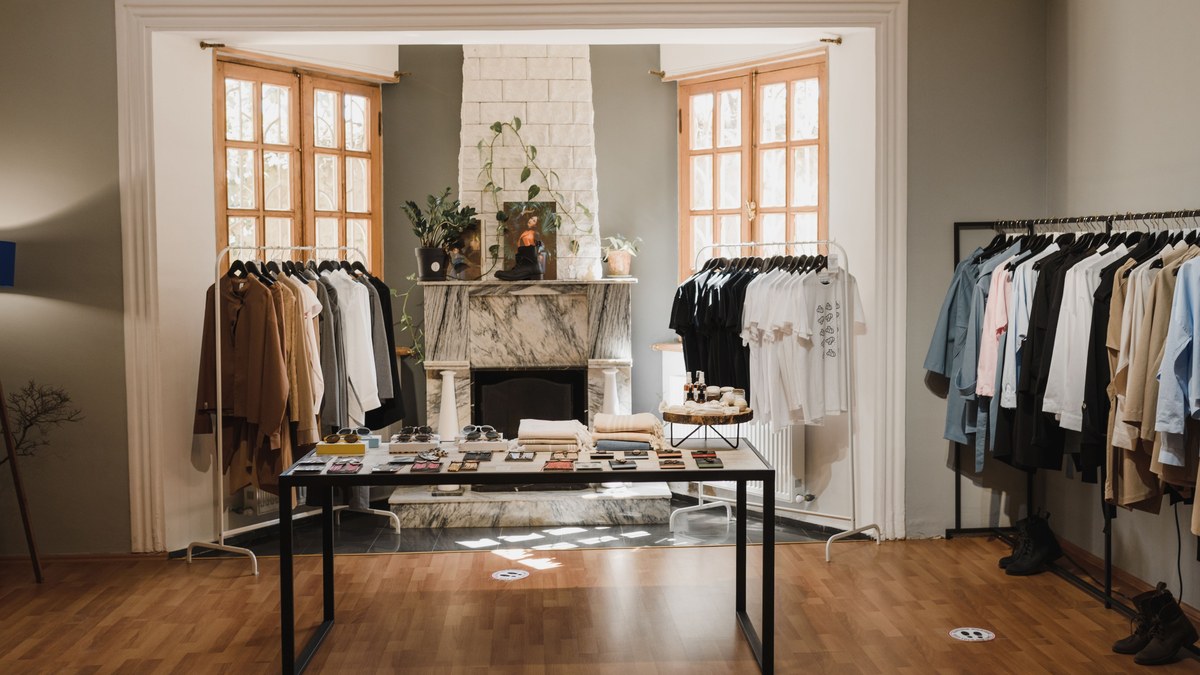
Clothing racks and a display table inside a sunlit boutique.

Goodlids plans to open a London store in December, bringing its hemp-focused outdoor clothing into a permanent retail setting in London Fields. For us, the appeal is straightforward: hemp, the fibre-producing form of Cannabis sativa, becomes easier to assess when you can handle a garment rather than judge it from a product photograph.

The brand’s own store page lists the forthcoming location at 2 Netil Lane, London Fields, London E8 3RL, and confirms December 2026 as the opening month. It still describes the shop as coming soon. That makes this an opening announcement to follow, rather than an invitation to assume the doors are already open.

When is the London store expected to open?

Patrick Bell’s November 19 report for the Hackney Post gives December 5 as the planned opening date at Netil Market. The distinction matters when making a visit: the specific day comes from that reporting, while the brand’s public store listing currently confirms the month.

Bell reports that co-owner Winstone Brinsley moved from New Zealand to London to oversee the opening, following three Shoreditch pop-ups. The account presents a permanent shop as the next step after those temporary appearances. We would check the brand’s latest opening notice before building a shopping trip around the reported date.

A physical address also changes the kind of questions you can ask. Fit, weight, texture and the way a fabric falls are difficult to settle from an online description. None of those qualities automatically follows from the word hemp. The useful test is what a particular garment feels like and whether it earns a place in your wardrobe.

From headwear to a broader hemp wardrobe

Goodlids’ company timeline dates its launch to November 2019 under founder Dane Watson. It describes a progression from headwear into clothing, followed by pop-ups in London, Manchester and Sydney in 2025. Those are the brand’s own milestones, rather than independent measures of its market share.

The existing Auckland shop provides another point of reference. Goodlids says that store opened in April 2025 at 1/90 Mount Eden Road and carries its range alongside other outdoor brands. The London listing extends that retail presence overseas. It does not, by itself, establish which individual products or sizes will be on the London shelves at launch.

We see the story as a useful sign of how hemp clothing is being presented: through everyday outdoor style and the ordinary experience of shopping for clothes. That is a different proposition from asking people to buy a garment purely because they support a material. A store has to make the clothes work as clothes, too.

What is actually in a hemp garment?

One current product makes the label-reading exercise concrete. The brand’s Best Tee in Moss lists a blend of 55 percent hemp and 45 percent organic cotton, with a fabric weight of 230 grams per square metre. Goodlids describes a boxy cut with a cropped length and wide chest, and gives machine-wash and line-dry care instructions.

That example tells us something specific about one shirt. It does not establish the composition of every Goodlids product, prove the environmental performance of the entire collection or guarantee London availability. If you are shopping for hemp, look for the percentage and the other fibres alongside it. A blend is part of the design, not a detail to skip.

We would also separate the material’s appeal from broad sustainability promises. A fibre name cannot answer every question about dyeing, manufacturing, durability or how often you will wear something. The more useful conversation begins with the item in front of you: its composition, construction, care requirements and likely life in your own rotation.

For a first visit, we would start with the pieces you already wear most often. Compare the cut with a familiar shirt, read the care label and ask which styles use which blends. That approach makes the hemp question practical without treating every product as interchangeable.

What we will watch at the opening

Hemp’s fashion story is also developing beyond individual labels. Our report on IFM’s new hemp-focused academic chair examines the research side of that conversation. Goodlids offers a retail counterpart: the chance for shoppers to encounter a hemp-centred collection in person.

For the London opening, we will look for a confirmed first trading day, a clear account of the stock available and useful information on individual fabrics. Those details will tell readers more than an expansive claim about changing fashion. Until then, the confirmed news is a December store plan, with December 5 reported locally, and another physical setting in which to judge hemp clothing on its merits.

Illustrative stock photograph of clothing retail; not Goodlids’ London shop or verified hemp garments. Photo: Arina Krasnikova / Pexels.

Continue Reading

Fashion

Bangkok’s November Hemp Expo Puts Textile Sourcing on the Agenda

The Asia International Hemp Expo & Forum includes textile and garment buyers, connecting cannabis-derived fiber with the practical work behind clothing.

Published

on

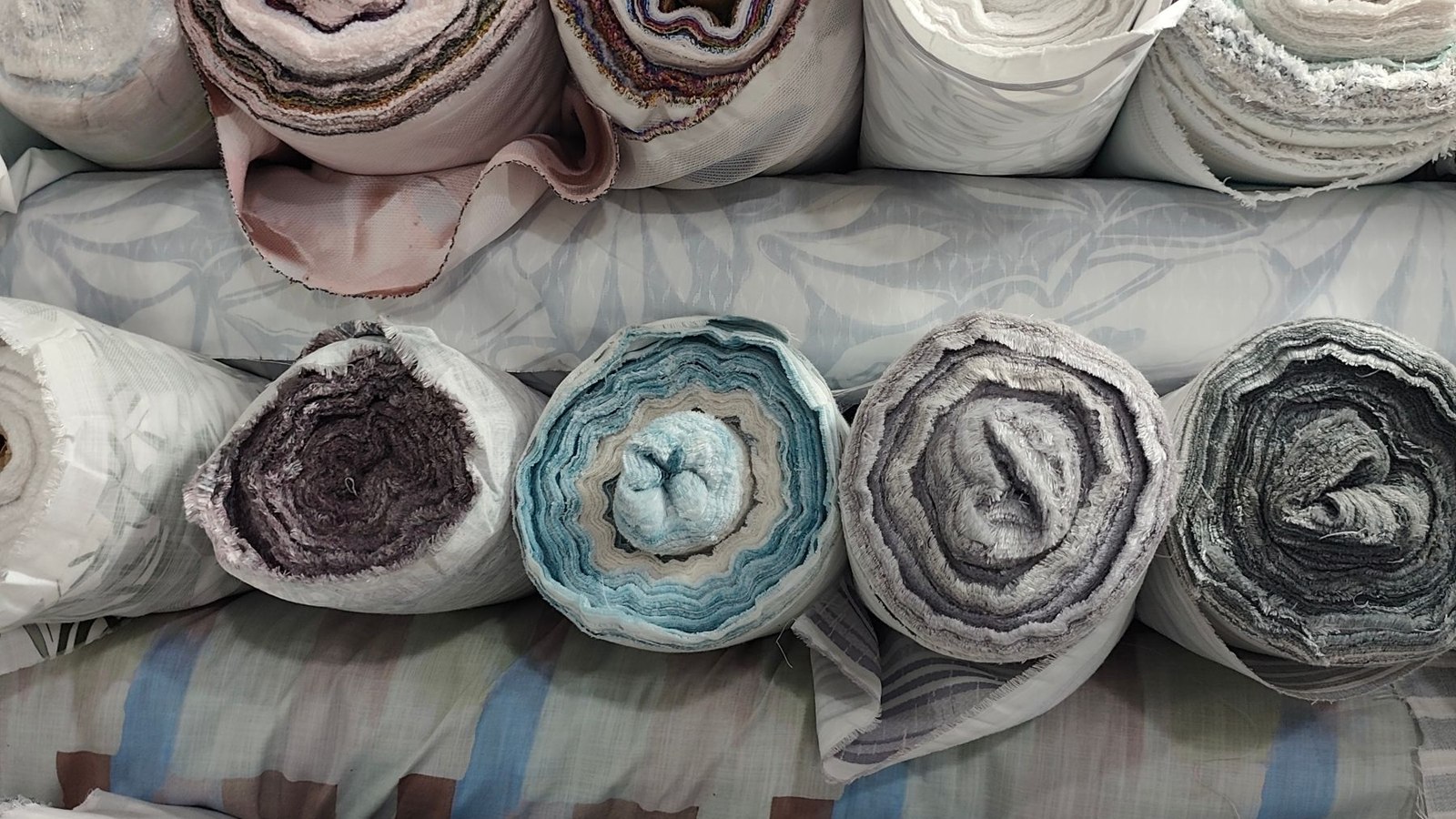
Assorted rolls of pale and colored fabric stacked with their ends facing outward.

The Asia International Hemp Expo & Forum is scheduled for November 18–20 at Hall 7 of Bangkok’s Queen Sirikit National Convention Center, with textile and garment businesses explicitly included in its international buyer program. For fashion readers, the event offers a look at the supply chain behind hemp clothing, rather than a verified announcement of a new collection.

The cannabis connection is the material itself: hemp supplies fiber used in textiles. That makes a business event covering cultivation and processing relevant to the finished garment, even when the exhibition’s remit extends well beyond clothes. The useful question is how a plant becomes a fabric that a designer can specify and a manufacturer can reliably source.

A sourcing event with a fashion connection

The organizer describes the fifth edition as a business platform co-located with the Asia International Cannabis Expo & Forum. Its stated scope includes technologies, materials and equipment for cultivation, extraction and processing across hemp, cannabis and kratom. Those are the organizer’s descriptions of the exhibition’s purpose, not independently measured outcomes.

The international buyer campaign is more specific about the fiber opportunity. It lists textile and garment businesses alongside construction, furniture, decorative items, composites and automotive parts. It says the program is intended to connect qualified business owners and buyers with exhibitors for sourcing, distribution, investment and other commercial relationships.

That list matters because it identifies apparel as part of the intended business audience. It does not establish which garment orders will be signed, which exhibitors will secure them or whether a material will reach a retail collection. Those would require separate reporting after the event.

From a fiber name to a usable fabric

The European Commission’s hemp overview describes the fiber as similar to linen and notes growing textile-industry interest. It also separates textile uses from hempseed foods and construction materials. For a clothing buyer, that distinction is useful: the same crop name can sit above very different production processes and end products.

A fabric specification needs more information than the word hemp. Buyers can ask about fiber content, yarn construction, fabric weight, finishing and intended use before judging whether a sample suits a jacket, shirt or upholstery project. Those are due-diligence questions, not claims about any particular material being shown in Bangkok.

They also help distinguish an interesting sample from a dependable supply arrangement. A designer may like a fabric’s appearance while still needing evidence on minimum order quantities, delivery schedules, consistency and care. A trade conversation becomes useful when it supplies those details rather than relying on the plant’s reputation.

Processing is part of the fashion story

There is a concrete example outside this exhibition. Interreg North-West Europe’s account of Hemp4Circularity describes cooperation among 11 partners in Belgium, France, the Netherlands and Germany across cultivation, processing, textiles and recycling. Its pilot collection explored uses including workwear fabrics, twill, denim and softer everyday materials.

The project illustrates why clothing’s relationship with hemp is bigger than a logo or a leaf graphic. Its account centers collaboration across the value chain. That provides context for the importance of sourcing meetings, while offering no proof that the Bangkok exhibition shares the project’s partners, processes or results.

For readers following our recent coverage of hemp cloth and craft at Arts & Science, the distinction is especially relevant. Finished designs show how material choices appear in clothing; sourcing events address some of the business relationships needed before such garments can exist.

Environmental claims still need evidence

Hemp’s presence on a label does not settle a garment’s total environmental impact. The European Environment Agency’s textile analysis examines impacts across fiber production, manufacturing, distribution, maintenance and disposal. It describes energy, water and chemical use during manufacturing and resource use during washing and drying.

That wider view suggests useful questions for any material supplier: what was measured, which stages were included and what comparison supports a sustainability claim? A crop’s potential advantages should not be turned into an unsupported promise about every blended, dyed or finished product made from it.

Traceability is another useful part of a sourcing conversation. A buyer can ask whether documentation follows the fiber through spinning, weaving and finishing, rather than assuming that one certification or statement covers the entire garment. Any resulting environmental or origin claim should identify its actual scope before it reaches a consumer-facing label.

The confirmed November story is therefore a commercial meeting point with a clear textile connection. The event’s buyer list gives fashion a legitimate place in that conversation. Actual supplier agreements, verified fabric properties and resulting collections will be the evidence to look for next.

Illustrative textile stock photograph; fiber composition is unverified. Not the Bangkok expo or confirmed hemp fabric. Photo: sundar kr / Pexels.


Continue Reading

Trending

Join The Cannabis Aficionado Community!
Join the Cannabis Aficionado community and receive all of the most relevant news geared towards our sophisticated enthusiast community.
Loading

Copyright ©️ 2026 Cannabis Aficionado. Cannabis Aficionado is a registered trademark of CNM Inc. All rights reserved. Registration on or use of this site constitutes acceptance of our Terms of Service, Privacy Policy and Cookies Policy. People may receive compensation for some links to products and services. Offers may be subject to change without notice.