#cannabisaficionado

Fashion

Vital Hemp Seeks a Partner for the Next Chapter of Its Clothing Line

The Santa Monica label’s founder is looking for support to bring core styles back into production, with no completed deal or relaunch date announced.

Published

on

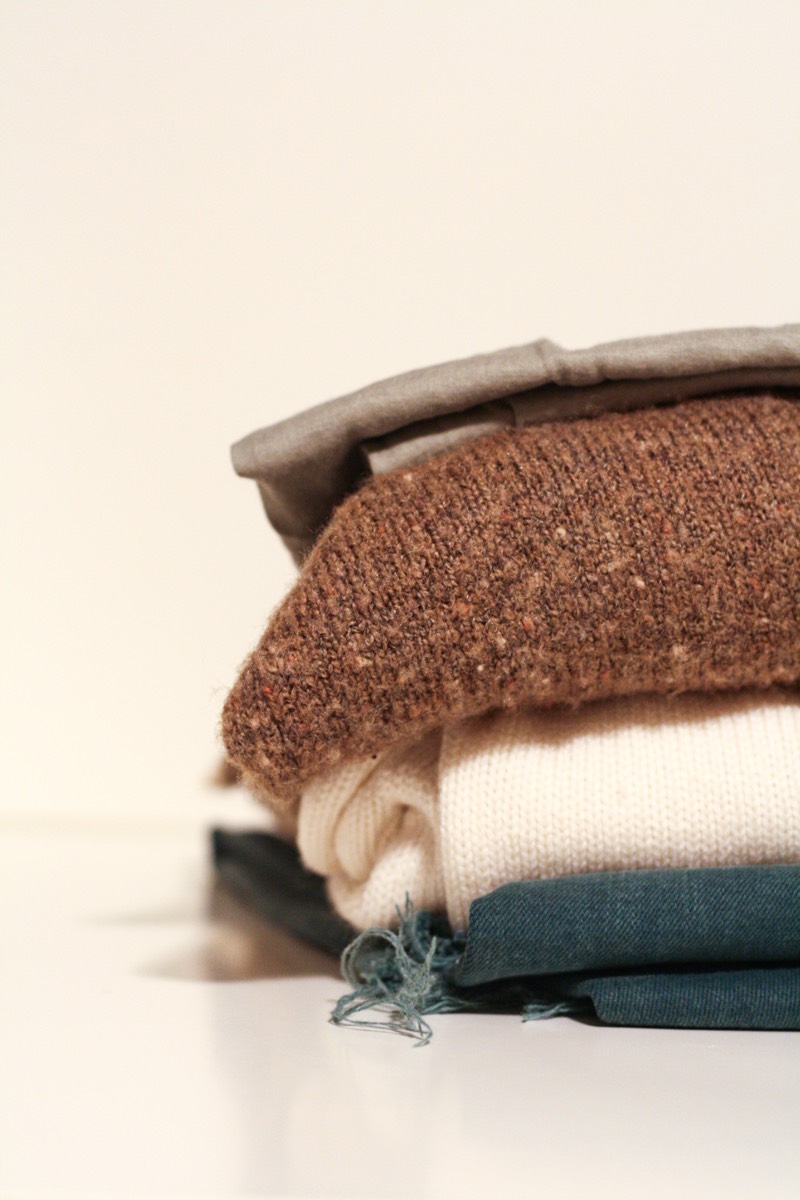
Folded knit sweaters stacked on a light surface
Advertisement Back2Grow Advertisement

Vital Hemp founder Ron Alcalay is looking for an investor, strategic partner or potential buyer to help rebuild the clothing label, according to his October 28 update. The announcement describes an ambition to restart a smaller core range after several years without a new collection. It does not announce a completed transaction or a production restart.

For the cannabis community, the connection is tangible: hemp clothing brings the plant into everyday wardrobes through textile design. This story concerns the business behind those garments. A familiar fiber, loyal following and recognizable styles still need a production operation that can replenish what customers want to wear.

A founder describes an unfinished restart

Alcalay says the brand has been selling existing inventory while work to restore its core line has taken longer than he expected. His proposed direction combines a tighter selection of established products, stronger direct-to-consumer sales and a leaner operating model. The public appeal leaves the structure of any future arrangement open.

Those distinctions matter when reading a comeback announcement. An invitation to potential partners is an early business step. It does not establish financing, factory orders, delivery dates or the availability of a particular size. The update provides no basis for reporting that a sale has closed, a buyer has been chosen or a new collection is ready.

The brand’s history page traces its beginnings to a weekend stand on the Venice boardwalk in 2003. That account places its current search for a partner within a long-running independent label, rather than the launch of a newly formed company.

The clothes explain what could return

The current men’s catalog offers a useful picture of the label’s vocabulary: T-shirts, a Henley hoodie, short- and long-sleeve button-down shirts, shorts and Anywhere Pants. These are everyday categories, with room for repeat wear and familiar silhouettes. A catalog listing, however, is not a promise that every color and size is in stock.

The Anywhere Pants product page lists a $138 price and describes a plain-weave, 100 percent hemp fabric. Its construction notes include deep pockets, YKK zippers, a coconut button and a drawstring. The brand says it designs in Santa Monica and works with family-owned contractors in Los Angeles.

That specification gives readers something concrete to evaluate beyond a material’s reputation. A pocket that holds what someone carries, a closure that works comfortably and a shape that suits daily movement can determine whether a garment becomes a favorite. Those judgments depend on the finished piece and the wearer, rather than a fiber name alone.

Availability belongs beside the design story

For someone who already owns a favorite style, a restart raises practical questions: will the same cut return, will measurements change and will the desired color be produced? The public update does not settle those details. Existing product photographs should not be treated as previews of a confirmed new manufacturing run.

There is also a difference between buying available stock and waiting for a future collection. Before placing an order, check the selected variant, the current shipping information and the seller’s policies. The founder’s plans describe the direction he would like to take; they do not supply a delivery commitment for an unannounced relaunch.

Care is part of keeping a wardrobe useful

Vital Hemp’s garment-care page recommends cold or warm machine washing, warm tumble drying or line drying, and avoiding high heat. It also advises against bleach and hardware that can snag fabric. Those are the maker’s care instructions, which should be read alongside the label on the particular garment.

For wardrobe planning, maintenance is as relevant as an attractive product photograph. A piece that works with the laundry routine someone already follows has a different practical value from one they are reluctant to wear or wash. Examine fit, construction and care requirements together when assessing a hemp item for regular use.

The company makes broad claims about hemp’s environmental and performance advantages. This report does not establish a measured footprint for its garments or independently test those claims. Material sourcing, processing, manufacturing, transport and use remain separate parts of evaluating a textile product.

What would make the next update meaningful

A confirmed partner, a clearly described production plan and specific restock information would each answer different questions. Readers can follow those milestones without assuming that one automatically establishes the others. A financing announcement would still need to be distinguished from garments actually returning to sale.

Our Object Apparel coverage looks at hemp through a new Detroit collection. Vital Hemp offers another perspective: keeping an established line available over time. Both bring attention back to the clothes themselves, and to the people and production decisions required to make cannabis-connected fashion part of an everyday wardrobe.

Illustrative stock clothing; not Vital Hemp garments or verified hemp textiles. Photo: Kate L / Pexels.

Fashion

IFM’s New Academic Chair Puts Hemp’s Place in Fashion Under Study

IFM and the European fibre alliance are studying hemp’s fashion markets, with first findings due in June 2027. The material details still matter.

Published

on

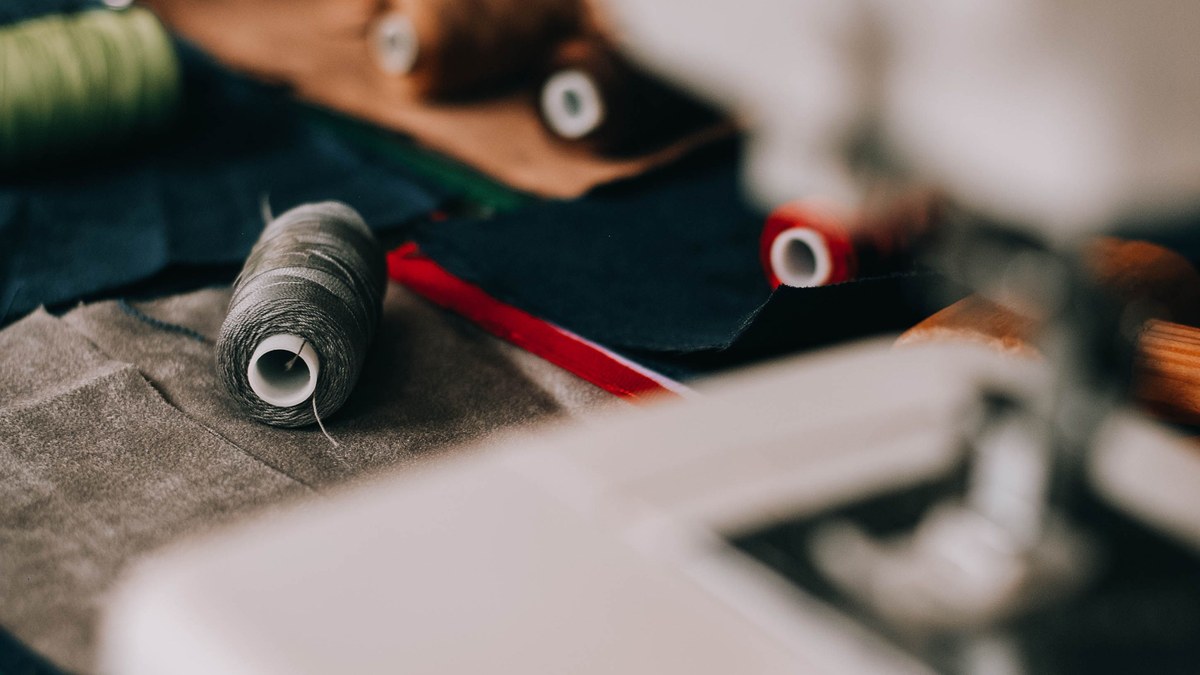
Gray thread spool on fabric with a red zipper and sewing equipment in the background.

A new partnership between the Institut Français de la Mode and the Alliance for European Flax-Linen & Hemp will study how the two fibres can develop in fashion and lifestyle. For our cannabis community, the connection is straightforward: hemp is Cannabis sativa used as a textile material. The interesting question is how that material moves from an appealing label to a dependable place in your wardrobe.

The Alliance’s November 20 announcement says the academic chair was announced at its November 13 general assembly. Its first findings are due at LINEN DAY in Paris on June 24, 2027. We are looking at a research partnership with a future reporting date, rather than a new clothing collection or a completed assessment of hemp’s performance.

What will the chair study?

The partners identify three objectives: understanding markets and the uses of flax-linen and hemp, measuring their economic contribution, and finding opportunities to create value in fashion and lifestyle. The agreement brings IFM and its Economic Observatory together with the Alliance and industry participants.

Bart Depourcq, the Alliance’s president, and IFM director general Xavier Romatet signed the partnership. The institutions already have ties: the Alliance’s predecessor, CELC, was a founding member of IFM, which marks its fortieth anniversary in 2026. This is an extension of an existing relationship, not evidence that fashion education has only just discovered plant fibres.

What we want from the eventual findings is specificity. Where is hemp actually being used? Which fabrics are brands ordering, and which obstacles keep those orders small? Those are questions we would bring to the work; the announcement does not provide answers yet.

Hemp fabric is not one uniform material

The Alliance’s textile guide distinguishes long, semi-long, cottonised short and cellulosic hemp fibres. They follow different processing routes and are at different stages of industrial development. Long fibres can become yarn for clothing and household linens; cottonisation helps hemp fit existing machinery and blend with cotton.

That range is useful when you are assessing a garment. A reference to hemp does not tell you the percentage, construction, weight or finish. Two pieces can share a plant ingredient and still answer very different wardrobe needs. Look for the composition and care information on the particular item, rather than expect the fibre name to do all the explaining.

Our coverage of Object Apparel’s Detroit hemp collection followed that material into actual garments. The new chair looks at a different scale: the markets and industry relationships behind such choices. The two perspectives are useful together, but an academic partnership does not certify an individual jacket or shirt.

The supply chain matters before the showroom

The Alliance’s European textile hemp overview describes cultivation and processing trials under Hemp4Circularity. It recounts difficulties during the wet 2023 harvest, including delays and problems with damp straw during processing. Those are historical trials, not a report on the 2026 harvest.

The lesson we take from that account is practical: growing a plant and delivering a consistent textile fibre are separate achievements. Harvesting, storage and processing can affect what a mill receives. A convincing fashion story should leave room for those steps instead of treating a field of hemp as a finished supply chain.

The Alliance also describes work toward collecting agricultural data for environmental assessment. That is a reason to ask for evidence, not a blanket environmental guarantee. We would distinguish a project intended to improve measurement from a completed comparison proving that every hemp product has a lower footprint than every alternative.

Read the market figures at the right scale

The Alliance’s Economic Observatory lists around 24,600 hectares of French hemp for all uses in 2025, including 1,650 hectares for textiles. These are the trade organisation’s figures. They illustrate why acreage covering the whole crop should not be presented as acreage devoted entirely to clothing.

The same distinction applies to flax-linen and hemp within this partnership. They share a research agenda, but figures for one fibre do not automatically describe the other. We will want the first findings to keep those categories clear, along with the years and markets being measured.

We will also look for a clear account of who supplied the data and how the researchers distinguish measured demand from participants’ expectations. For now, the milestone is June 24. Better information about demand, processing and real uses would help us judge hemp fashion beyond a launch announcement. Until that work appears, the best place to begin remains the garment in front of you: what it contains, how it is made and whether it suits the way you intend to wear it.

Illustrative stock photograph of sewing materials; not IFM’s facilities or verified hemp fabric. Photo: Rakhmat Suwandi / Pexels.

Continue Reading

Fashion

Goodlids Plans a London Store for Its Hemp Outdoor Clothing

Goodlids confirms a December London opening. We look at the store plans, the hemp blends behind the label and what shoppers should check.

Published

on

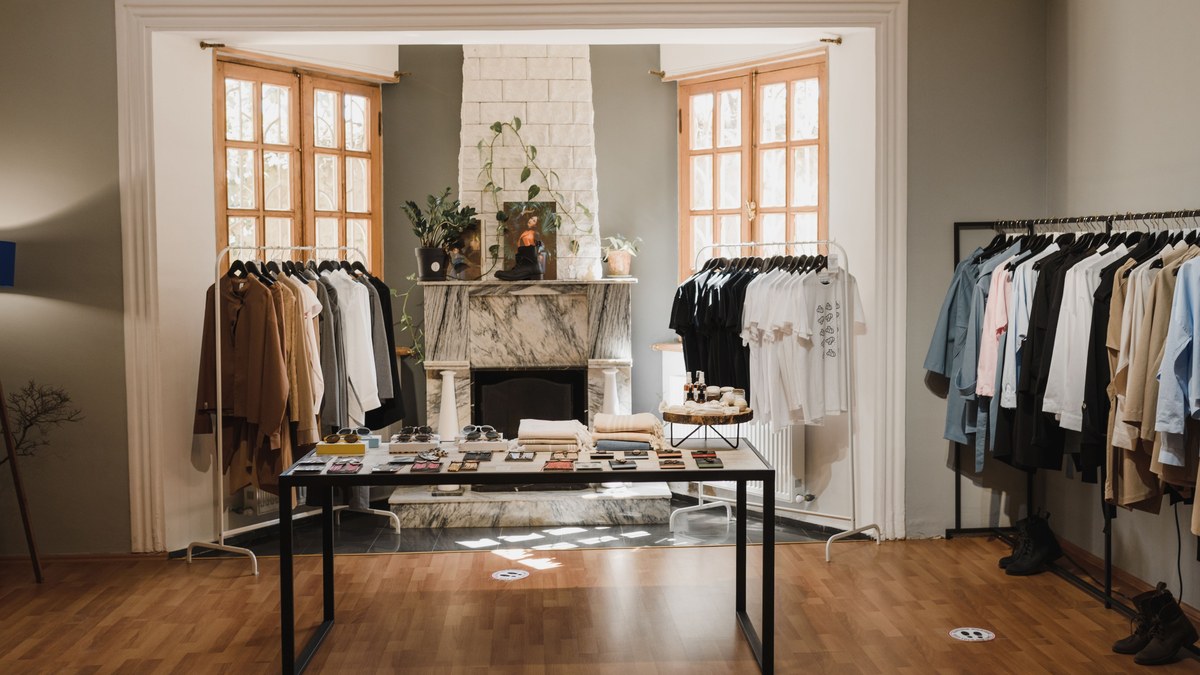
Clothing racks and a display table inside a sunlit boutique.

Goodlids plans to open a London store in December, bringing its hemp-focused outdoor clothing into a permanent retail setting in London Fields. For us, the appeal is straightforward: hemp, the fibre-producing form of Cannabis sativa, becomes easier to assess when you can handle a garment rather than judge it from a product photograph.

The brand’s own store page lists the forthcoming location at 2 Netil Lane, London Fields, London E8 3RL, and confirms December 2026 as the opening month. It still describes the shop as coming soon. That makes this an opening announcement to follow, rather than an invitation to assume the doors are already open.

When is the London store expected to open?

Patrick Bell’s November 19 report for the Hackney Post gives December 5 as the planned opening date at Netil Market. The distinction matters when making a visit: the specific day comes from that reporting, while the brand’s public store listing currently confirms the month.

Bell reports that co-owner Winstone Brinsley moved from New Zealand to London to oversee the opening, following three Shoreditch pop-ups. The account presents a permanent shop as the next step after those temporary appearances. We would check the brand’s latest opening notice before building a shopping trip around the reported date.

A physical address also changes the kind of questions you can ask. Fit, weight, texture and the way a fabric falls are difficult to settle from an online description. None of those qualities automatically follows from the word hemp. The useful test is what a particular garment feels like and whether it earns a place in your wardrobe.

From headwear to a broader hemp wardrobe

Goodlids’ company timeline dates its launch to November 2019 under founder Dane Watson. It describes a progression from headwear into clothing, followed by pop-ups in London, Manchester and Sydney in 2025. Those are the brand’s own milestones, rather than independent measures of its market share.

The existing Auckland shop provides another point of reference. Goodlids says that store opened in April 2025 at 1/90 Mount Eden Road and carries its range alongside other outdoor brands. The London listing extends that retail presence overseas. It does not, by itself, establish which individual products or sizes will be on the London shelves at launch.

We see the story as a useful sign of how hemp clothing is being presented: through everyday outdoor style and the ordinary experience of shopping for clothes. That is a different proposition from asking people to buy a garment purely because they support a material. A store has to make the clothes work as clothes, too.

What is actually in a hemp garment?

One current product makes the label-reading exercise concrete. The brand’s Best Tee in Moss lists a blend of 55 percent hemp and 45 percent organic cotton, with a fabric weight of 230 grams per square metre. Goodlids describes a boxy cut with a cropped length and wide chest, and gives machine-wash and line-dry care instructions.

That example tells us something specific about one shirt. It does not establish the composition of every Goodlids product, prove the environmental performance of the entire collection or guarantee London availability. If you are shopping for hemp, look for the percentage and the other fibres alongside it. A blend is part of the design, not a detail to skip.

We would also separate the material’s appeal from broad sustainability promises. A fibre name cannot answer every question about dyeing, manufacturing, durability or how often you will wear something. The more useful conversation begins with the item in front of you: its composition, construction, care requirements and likely life in your own rotation.

For a first visit, we would start with the pieces you already wear most often. Compare the cut with a familiar shirt, read the care label and ask which styles use which blends. That approach makes the hemp question practical without treating every product as interchangeable.

What we will watch at the opening

Hemp’s fashion story is also developing beyond individual labels. Our report on IFM’s new hemp-focused academic chair examines the research side of that conversation. Goodlids offers a retail counterpart: the chance for shoppers to encounter a hemp-centred collection in person.

For the London opening, we will look for a confirmed first trading day, a clear account of the stock available and useful information on individual fabrics. Those details will tell readers more than an expansive claim about changing fashion. Until then, the confirmed news is a December store plan, with December 5 reported locally, and another physical setting in which to judge hemp clothing on its merits.

Illustrative stock photograph of clothing retail; not Goodlids’ London shop or verified hemp garments. Photo: Arina Krasnikova / Pexels.

Continue Reading

Fashion

Bangkok’s November Hemp Expo Puts Textile Sourcing on the Agenda

The Asia International Hemp Expo & Forum includes textile and garment buyers, connecting cannabis-derived fiber with the practical work behind clothing.

Published

on

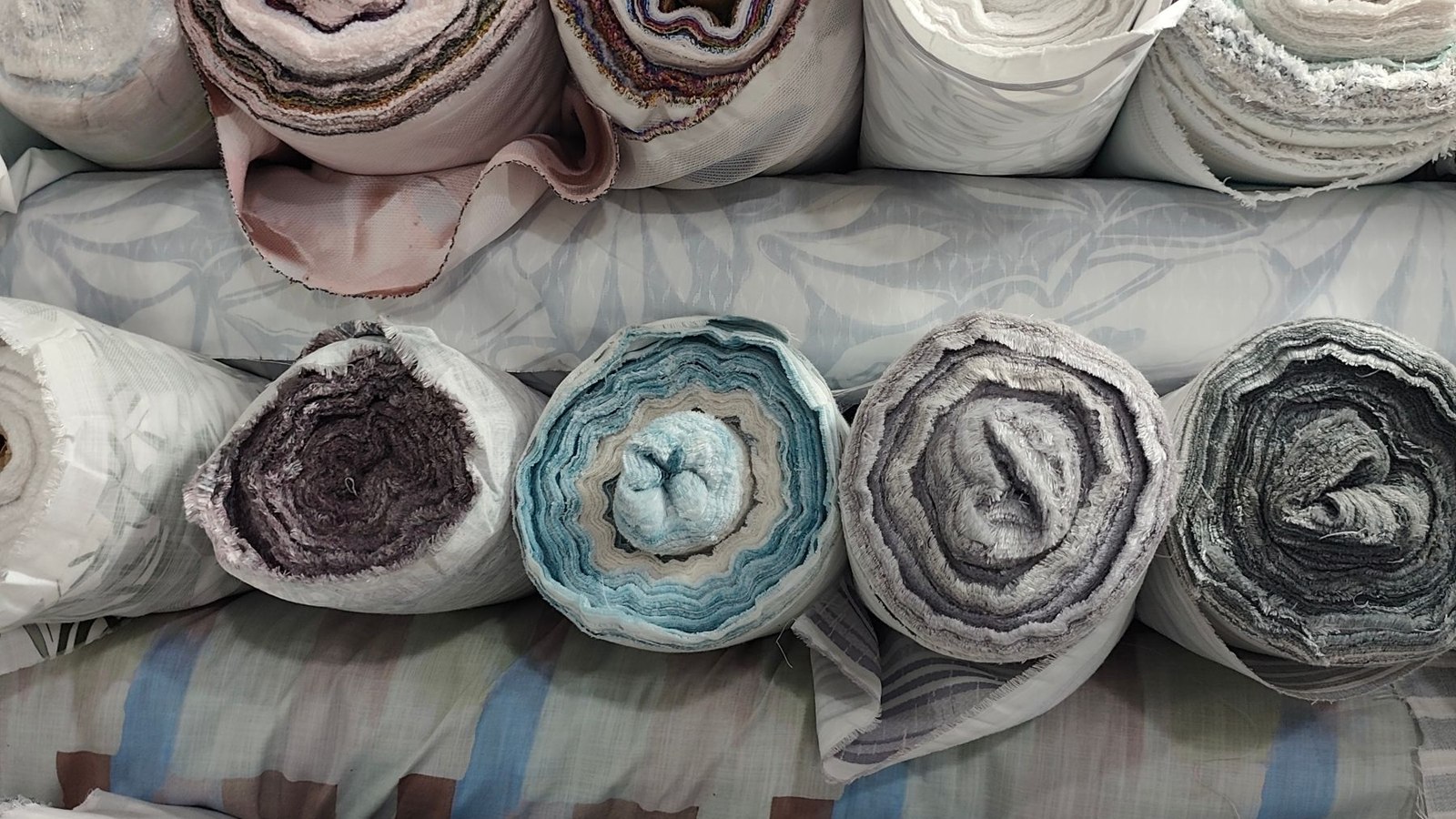
Assorted rolls of pale and colored fabric stacked with their ends facing outward.

The Asia International Hemp Expo & Forum is scheduled for November 18–20 at Hall 7 of Bangkok’s Queen Sirikit National Convention Center, with textile and garment businesses explicitly included in its international buyer program. For fashion readers, the event offers a look at the supply chain behind hemp clothing, rather than a verified announcement of a new collection.

The cannabis connection is the material itself: hemp supplies fiber used in textiles. That makes a business event covering cultivation and processing relevant to the finished garment, even when the exhibition’s remit extends well beyond clothes. The useful question is how a plant becomes a fabric that a designer can specify and a manufacturer can reliably source.

A sourcing event with a fashion connection

The organizer describes the fifth edition as a business platform co-located with the Asia International Cannabis Expo & Forum. Its stated scope includes technologies, materials and equipment for cultivation, extraction and processing across hemp, cannabis and kratom. Those are the organizer’s descriptions of the exhibition’s purpose, not independently measured outcomes.

The international buyer campaign is more specific about the fiber opportunity. It lists textile and garment businesses alongside construction, furniture, decorative items, composites and automotive parts. It says the program is intended to connect qualified business owners and buyers with exhibitors for sourcing, distribution, investment and other commercial relationships.

That list matters because it identifies apparel as part of the intended business audience. It does not establish which garment orders will be signed, which exhibitors will secure them or whether a material will reach a retail collection. Those would require separate reporting after the event.

From a fiber name to a usable fabric

The European Commission’s hemp overview describes the fiber as similar to linen and notes growing textile-industry interest. It also separates textile uses from hempseed foods and construction materials. For a clothing buyer, that distinction is useful: the same crop name can sit above very different production processes and end products.

A fabric specification needs more information than the word hemp. Buyers can ask about fiber content, yarn construction, fabric weight, finishing and intended use before judging whether a sample suits a jacket, shirt or upholstery project. Those are due-diligence questions, not claims about any particular material being shown in Bangkok.

They also help distinguish an interesting sample from a dependable supply arrangement. A designer may like a fabric’s appearance while still needing evidence on minimum order quantities, delivery schedules, consistency and care. A trade conversation becomes useful when it supplies those details rather than relying on the plant’s reputation.

Processing is part of the fashion story

There is a concrete example outside this exhibition. Interreg North-West Europe’s account of Hemp4Circularity describes cooperation among 11 partners in Belgium, France, the Netherlands and Germany across cultivation, processing, textiles and recycling. Its pilot collection explored uses including workwear fabrics, twill, denim and softer everyday materials.

The project illustrates why clothing’s relationship with hemp is bigger than a logo or a leaf graphic. Its account centers collaboration across the value chain. That provides context for the importance of sourcing meetings, while offering no proof that the Bangkok exhibition shares the project’s partners, processes or results.

For readers following our recent coverage of hemp cloth and craft at Arts & Science, the distinction is especially relevant. Finished designs show how material choices appear in clothing; sourcing events address some of the business relationships needed before such garments can exist.

Environmental claims still need evidence

Hemp’s presence on a label does not settle a garment’s total environmental impact. The European Environment Agency’s textile analysis examines impacts across fiber production, manufacturing, distribution, maintenance and disposal. It describes energy, water and chemical use during manufacturing and resource use during washing and drying.

That wider view suggests useful questions for any material supplier: what was measured, which stages were included and what comparison supports a sustainability claim? A crop’s potential advantages should not be turned into an unsupported promise about every blended, dyed or finished product made from it.

Traceability is another useful part of a sourcing conversation. A buyer can ask whether documentation follows the fiber through spinning, weaving and finishing, rather than assuming that one certification or statement covers the entire garment. Any resulting environmental or origin claim should identify its actual scope before it reaches a consumer-facing label.

The confirmed November story is therefore a commercial meeting point with a clear textile connection. The event’s buyer list gives fashion a legitimate place in that conversation. Actual supplier agreements, verified fabric properties and resulting collections will be the evidence to look for next.

Illustrative textile stock photograph; fiber composition is unverified. Not the Bangkok expo or confirmed hemp fabric. Photo: sundar kr / Pexels.

Continue Reading

Trending

Join The Cannabis Aficionado Community!
Join the Cannabis Aficionado community and receive all of the most relevant news geared towards our sophisticated enthusiast community.
Loading

Copyright ©️ 2026 Cannabis Aficionado. Cannabis Aficionado is a registered trademark of CNM Inc. All rights reserved. Registration on or use of this site constitutes acceptance of our Terms of Service, Privacy Policy and Cookies Policy. People may receive compensation for some links to products and services. Offers may be subject to change without notice.