#cannabisaficionado

Fashion

Sensimilla Streetwear for Mary Jane Lovers

Rachel Quiles has built a cult following with her label Vintage Redeux, a favorite of freethinking fashionistas and streetwear sartorialists.


Published

on

Vintage Redeux
PHOTOS | Vintage Redeux
Advertisement Back2Grow Advertisement

Rachel Quiles has built a cult following with her successful company Vintage Redeux, a men’s and women’s apparel brand based in Los Angeles, California. The twist? All the garments she uses are vintage. Quiles sews original handmade patches sewn onto vintage pieces she has personally sourced from thrift stores across the state and beyond.

Her mission is simple: cut down on the collective waste of over-manufacturing. According to the EPA, more than 10 million tons of textile waste (e.g., clothing and linens) is added to landfills every year. That rounds out to around 60 pounds per person, per year.

Her Dutch army spirit animal jackets put Vintage Redeux on the radar of all good streetwear sartorialists and freethinking fashionistas. Now, the talented designer has turned her attention to cannabis with her Mary Jane Gang, paying homage to the heritage scene with a fresh, modern vibe. The Mary Jane line has also extended from the iconic Dutch army jackets to include luxurious smoking robes and denim jackets.

We spoke to Quiles about her inspiration, sustainable fashion choices and changing the stigma surrounding cannabis.

When, where and how did the idea for Vintage Redeux begin?

Vintage Redeux came to fruition after I was laid off from a dream job in 2011. Little did I know, it would be a blessing in disguise because I was forced to face what I wanted my future to look like. I’ve always loved vintage clothing and had a knack for finding it, so I slowly started buying vintage and selling on Etsy. After a while, I was bored with online resale and turned to all the local markets in Los Angeles. That was all fine and dandy but I didn’t feel that I was challenging myself. That’s when the idea sparked to update all this high-quality vintage clothing.

Tell us the story behind the name Vintage Redeux.

After having success with my little shop for a few years, I thought it was best to create a name for all these pieces that were being reworked. Vintage Re-Do came to my mind immediately but I didn’t love the look of it written out. At the time, I had a partner in this venture and came up with “deux” — the French word for two. So it’s a bit of a made-up spelling but it looked cool. I no longer have a partner but there’s no way I would ever change the name.

What makes Vintage Redeux unique in the marketplace?

Vintage Redeux is unique because it’s not trying to follow trends, fads, or seasons. I make timeless pieces that transcend any box it should be confined to. I create and design artwork for me and just happen to be lucky enough that it speaks to other people, too. I love what I do because it doesn’t have any specific demographic. I’ve seen Vintage Redeux on all genders young and old, all body types, and all styles making it a unique piece for everyone.

Tell us about the craftsmanship that goes into a typical Vintage Redeux piece.

Take the Dutch army jacket for example. Every jacket is from the Seventies and Eighties and handpicked from a military warehouse. It’s chosen for quality; no holes, no stains, all snaps intact, no parts missing, etc. Then, the chosen jackets are thoroughly washed. I silkscreen the Mary Jane patches, cut them out, and place them on the jacket. Everything is sewn onto the garment along with a custom tag inside. From there it either goes to the store or the customer.

What inspired you to develop a Mary Jane line?

A while back, around Christmas time, I was trying to come up with a gift for a dear friend of mine, who had also been my one and only weed dealer in L.A. He was such a special person to all of us in our solid, little group. I was already making Dutch army jackets at the time with different patches but I liked the idea of creating a cheeky patch set to make us an unofficial Mary Jane gang.

When he received the gift, he was blown away by how cool it was! Being the biggest cheerleader for my company, he insisted that I sell this jacket to everyone, not just as a one-off for friends. Little did he know that it would be such a hit and synonymous with my company. I lost my dear friend last year to cancer, but he would be so proud to see how much our little “gang” has grown!

How do you think your clothes help change the opinion of cannabis-inspired fashion?

My biggest challenge with creating the Mary Jane patches was breaking down the stigma of wearing “cannabis branded clothing” without being tacky. My friend I created this for was 52, so he wasn’t about to wear some kid shit. I wanted to produce a tasteful design that anyone could wear without it being overly in-your-face. Thus, the creation of a beautiful, classic-looking woman named Mary Jane, smoking a joint, was born.

How important are sustainable practices to you in the current eco-conscious climate?

If only people could see the amount of vintage clothing, second-hand clothing, and military surplus the world is sitting on. They would be shocked. It doesn’t make sense for me to create new pieces with possibly unethical overseas practices, sell for nothing, and have it fall apart tomorrow. Rather, I can find these authentic pieces that are perfectly faded and worn-in, that other companies would struggle to reproduce and charge premium prices. Why not contribute to supporting recycled clothing companies, all the while not sacrificing your standard of quality?

How do you want people to feel when wearing your clothes?

I want people to feel comfortable, feel confident, and know that they’re wearing a piece of history. All of my clothes come with a previous story and it feels good to know you are continuing that story for many more years to come.

Do you have any design heroes?

Norma Kamali. I want to look and feel like her at 74 and accomplish as much as she has in her lifetime. She’s an incredible inspiration because she’s still continuing to create and do what she loves successfully.

Where can we follow you?

Instagram: @vintageredeux

What don’t you leave the house without?

My Mary Jane jacket! It’s the perfect complementary piece to every outfit.

Fashion

GOHEMP’s Winter Jackets Put Hemp Inside Familiar Workwear Shapes

GOHEMP’s fall–winter lineup puts hemp into denim and weather-cloth jackets, with checked linings and a roomy cut. The fabric details tell the useful story.
Published

on

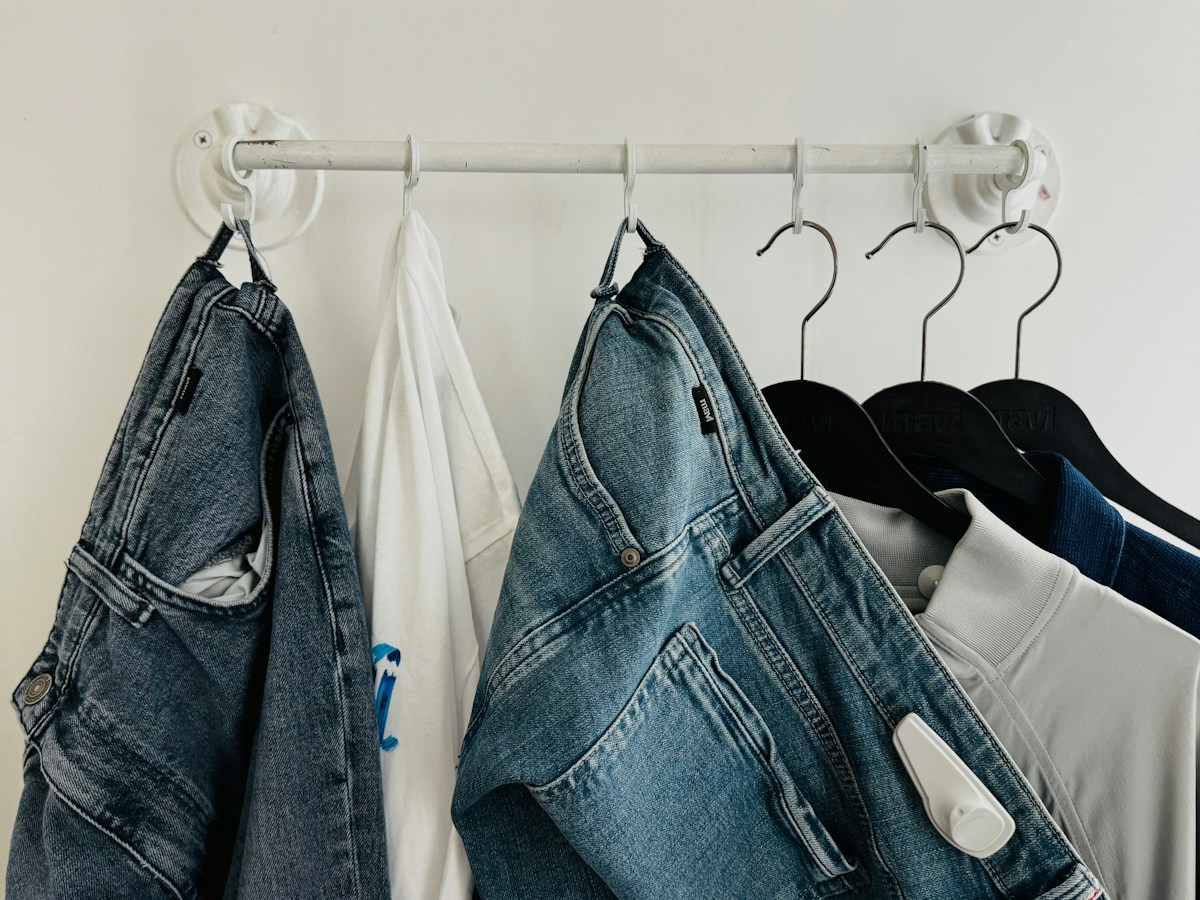
Denim jackets and light shirts hanging on a white clothing rail

Hemp fashion is easiest to understand when the material appears in something familiar. In GOHEMP’s current fall–winter collection, that means a short workwear jacket with a corduroy collar, three pockets and a checked lining. Cannabis enters this story as textile fiber, with the garment’s actual blend more informative than a broad hemp label.

The Japanese brand’s One Heart jackets offer two useful routes through that idea: a denim version and a weather-cloth version. Both put hemp into blended fabrics rather than presenting the jacket as an all-hemp garment. The distinction matters for shoppers comparing materials, fit and price.

GOHEMP’s website identifies its current seasonal collection as fall–winter 2026. The linked official Juzu store currently features the jackets in a new-jacket presentation. The pages do not establish a specific launch day, so this is a look at the seasonal offering rather than a claim that the jackets arrived this morning.

One shape, two fabric approaches

The denim One Heart Jacket uses a nine-ounce hemp-blend denim with a hemp-blend checked flannel lining. The store pairs that fabric description with triple-needle stitching and a corduroy collar, details that keep the design within a recognizable workwear vocabulary.

Its proportions are deliberately short and roomy. That gives the jacket a different role from a long coat: it can sit over a layer without relying on a narrow body or extended hem for its silhouette. The checked lining adds another visible texture when the jacket is worn open.

The One Wash denim listing carries a Japanese tax-inclusive price of ¥35,200. The seasonal feature also lists a Used Wash version at ¥36,300. Those prices belong to the Japanese retailer; they should not be treated as delivered prices for an overseas buyer.

The weather-cloth version keeps the same broad design language but changes the exterior. Its listed outer fabric is 75 percent cotton, 14 percent recycled polyester and 11 percent hemp. The lining is 90 percent cotton and 10 percent hemp, according to the product’s material table.

Read the outer and lining separately

That split is the most useful material detail in the collection. An exterior percentage does not describe the lining, and neither describes every component of a finished jacket. Here, the published table lets shoppers see exactly where the hemp appears in the weather-cloth model.

It also shows why calling it simply a hemp jacket leaves out part of the construction. Cotton is the largest listed component of both shell and lining, while recycled polyester appears in the shell. The hemp connection is real, but it exists within a mixed-fiber garment.

The retailer lists the weather-cloth jacket in Tone Black, Coyote and Olive Drab at ¥31,900, including Japanese tax. Compared with the two denim treatments, it offers a lower listed entry price and a different surface appearance within the same seasonal jacket family.

The recycled content is a documented material choice. It is not enough, on its own, to establish a complete environmental comparison with another jacket. The pages do not provide a garment-level life-cycle assessment, and the presence of hemp should not be converted into an unsupported promise about the finished product’s footprint.

A roomy cut needs actual measurements

The store’s measurements help translate the styling language into something more concrete. For the One Wash denim jacket, a medium lists a 65-centimeter body length, 63-centimeter body width and 53.5-centimeter shoulder width. The listed sleeve length is 57.5 centimeters.

Those numbers offer a more useful comparison than assuming that a familiar letter size will fit the same way across brands. Measuring a jacket that already fits gives a shopper a reference for the short length and generous width before choosing a size.

The weather-cloth medium shares the listed 65-centimeter body length and 63-centimeter body width, while its sleeve measurement differs slightly. That is another reason to read the specific product page instead of carrying measurements from one fabric version to another.

A material story with a longer history

GOHEMP dates its brand history to 1994 and describes hemp fabric development as central to its work. The current jackets fit that established direction rather than marking the brand’s first experiment with cannabis fiber.

Our recent look at hemp fabric sourcing raised a similar question from the material side: what, precisely, is the textile being offered? GOHEMP’s jackets bring that question to the finished wardrobe. The strongest details are tangible ones: a specified blend, a checked lining, a measured cut and separate prices for different versions.

The store lists sizes from XS through XL for the denim model. Availability can vary because its retail and online operations share stock. A listed size range describes the offering, rather than confirming that every size is available at the moment an order is placed.

Illustrative stock clothing rack; these are not GOHEMP products and their fiber content is unverified. Photo: Kamil Kalkan / Unsplash.

Continue Reading

Fashion

Hancott’s New Hemp Fabric Listing Puts the Material Behind Fashion in Focus

Hancott’s November 8 hemp-fabric listing offers specifications, not a retail clothing launch. USDA data and textile labels explain the wider context.
Published

on

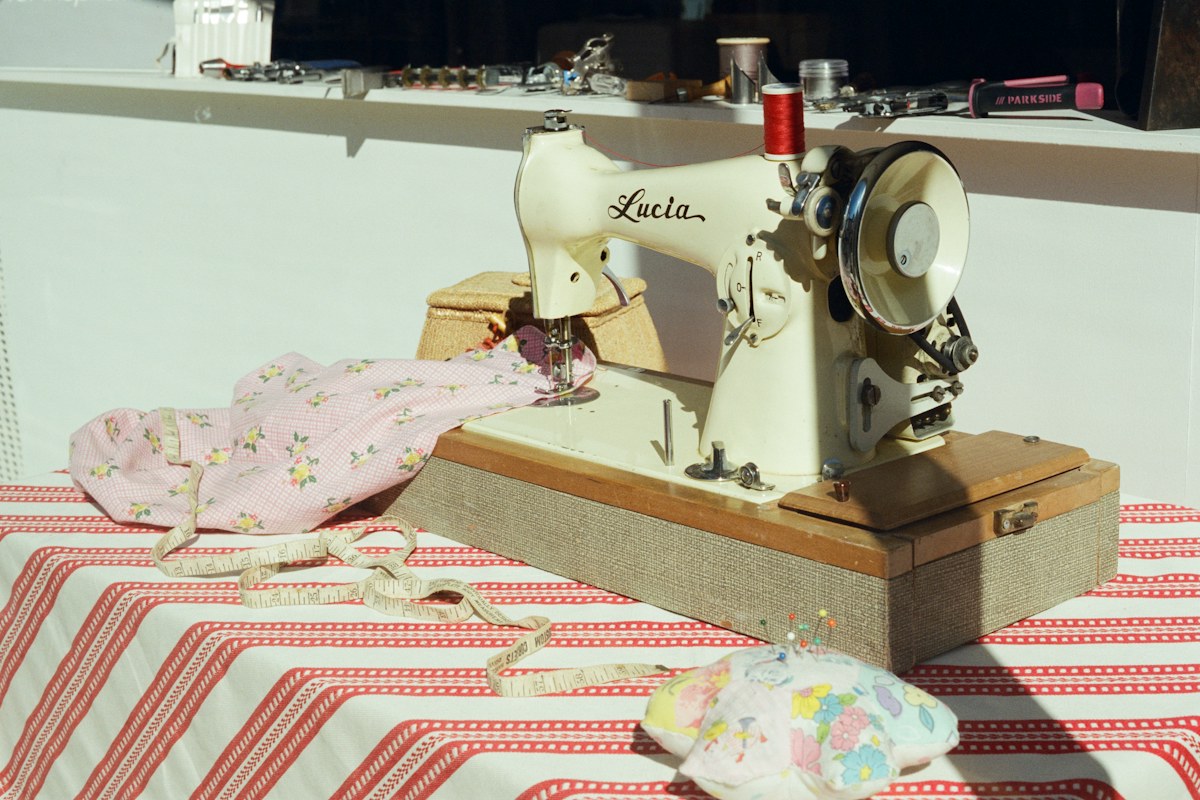
Vintage sewing machine with patterned fabric and a measuring tape

Hancott has added a lightweight, all-hemp fabric to its development listings, offering a concrete new reference for fashion made from cannabis fiber. The November 8 entry for HEMPRIVA describes material for shirts, relaxed tops and light layers, rather than announcing a finished clothing collection available in stores.

The cannabis connection is the textile itself. Hemp fiber brings the plant into clothing through material selection and manufacturing. For someone following hemp fashion, the useful questions are what the fabric contains, what stage of development it has reached and which claims the available evidence actually supports.

A fabric specification, not a finished shirt

Hancott’s product entry lists HEMPRIVA as 100% hemp, weighing 125 grams per square meter and measuring 140 centimeters wide. Navy, black and natural white appear as color references. The supplier says current availability must be confirmed by inquiry and that suitability for a final garment requires sampling.

Its pictured garments are illustrative concepts based on the fabric reference. That distinction matters when a development page is shared as fashion news: a rendering of a shirt does not establish that the shirt has been produced, priced or stocked by a retailer.

The weight figure describes fabric mass per unit of area, not the weight of an entire garment. Width describes the material’s dimensions. Neither number, by itself, establishes how a finished shirt fits, whether it is opaque in every color or how it performs after repeated washing.

For a designer, these specifications are a starting point for requesting and comparing samples. For a shopper, they explain why the development is interesting without substituting for the finished product details needed to choose clothing.

Growth in fiber is real, but the market remains small

A recent USDA Economic Research Service outlook, approved September 15, provides context beyond one supplier. It reports that U.S. hemp harvested for fiber rose from under 7,000 acres in 2022 to nearly 22,000 acres in 2025. Utilized fiber production increased from roughly 20 million to 65 million pounds over that period.

Those figures describe agricultural output, not the number of hemp shirts sold. Fiber can enter clothing and home goods, and production volume does not establish that every harvested pound became apparel. A larger harvest and a successful finished-garment market are related but separate developments.

USDA estimates fiber hemp’s 2025 production value at $13.5 million, about 2% of the value of industrial hemp grown in the open. Floral hemp accounted for a much larger share of value. Acreage, pounds and dollars therefore tell different stories about the same crop.

The report also places hemp at only about 0.2% of total global fiber production in 2024. That small base is useful context for dramatic growth language. A niche material can expand substantially without displacing the cotton and synthetic fibers that dominate contemporary textiles.

The finished label still has work to do

For clothing sold in the United States, the Federal Trade Commission’s textile-labeling guidance explains the information most covered products must carry: fiber content, country of origin and the identity of the manufacturer or another responsible business. Clothing care instructions fall under a separate FTC rule.

A prominent reference to hemp is not a reason to stop reading the composition label. The guidance distinguishes full fiber disclosure from certain promotional hang-tags, which may highlight a fiber while directing buyers elsewhere for the complete content. A fabric story and a garment’s final label answer different questions.

The same care applies to country-of-origin assumptions. A fabric supplier’s location, the place where hemp was grown and the place where a shirt was manufactured need not be treated as interchangeable descriptions. A finished item’s actual disclosures are more useful than a guess based on a brand’s address.

Keep the material story specific

Our HempAge winter preview looked at hemp in a seasonal clothing range. HEMPRIVA sits earlier in the chain, where a fabric reference may become a future design. The contrast shows how cannabis-connected fashion includes both finished wardrobes and the less visible decisions behind them.

The next evidence to watch is a physical sample and, eventually, any identified garment using the fabric. Until then, the accurate news is a new hemp development listing with published specifications. That is enough to follow without inventing a retail launch or promising an experience the finished clothing has not yet demonstrated.

For scale, one linear meter of cloth at the listed 1.4-meter width covers 1.4 square meters. At 125 grams per square meter, that works out to a nominal 175 grams before allowances or garment construction. It illustrates why width and weight belong together when comparing fabric, rather than treating either as a standalone quality score.

Illustrative sewing stock photograph; not Hancott equipment or identified hemp fabric. Photo: Barney Goodman / Unsplash.

Continue Reading

Fashion

HempAge’s Winter Preview Puts Cannabis Fiber Into Everyday Layers

HempAge’s winter collection preview brings hemp blends, knitwear and everyday layers together, with garment details worth checking.
Published

on

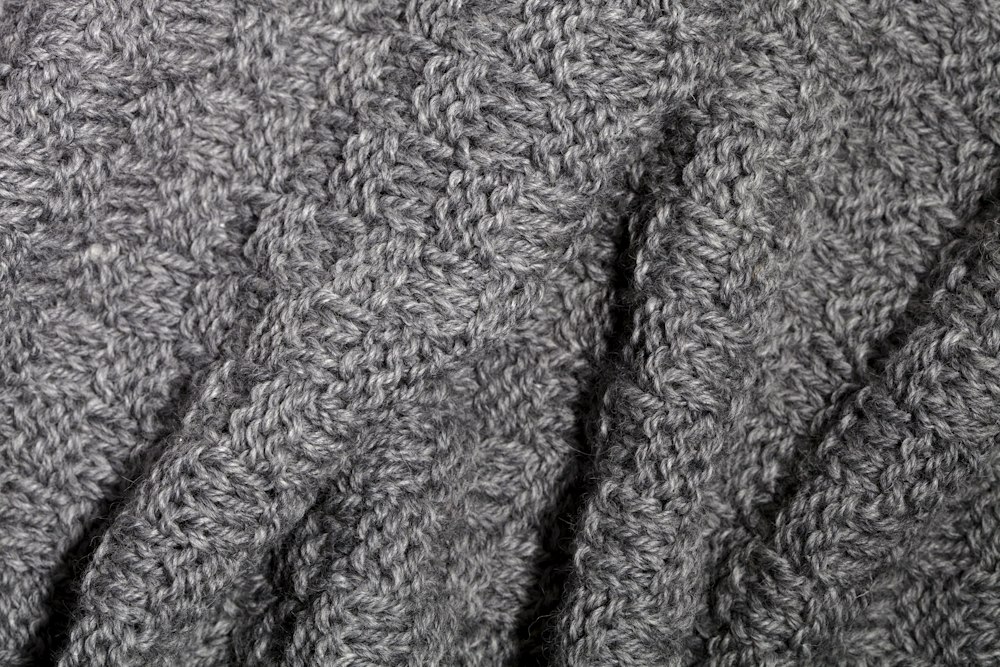
Close-up of folded gray knitted fabric

HempAge’s autumn/winter 2026–27 preview puts hemp into the ordinary pieces that carry a cold-weather wardrobe: knitwear, long-sleeved tops, chinos and a beanie. The cannabis connection is the fiber itself. This is clothing built around the textile side of the plant, rather than a cannabis graphic applied to otherwise unrelated merchandise.

The German label’s seasonal collection page presents hemp blends alongside a fabric it calls Macel, made with hemp and eucalyptus fibers. It is a current collection preview, not evidence that every listed style has begun shipping or that a new launch occurred this week.

The interest is in the everyday pieces

The range shown online includes a Henley, men’s chinos, recycled-hemp knitwear and several long-sleeved silhouettes. That makes its fashion proposition fairly direct: work the material into familiar wardrobe functions instead of asking the wearer to organize an outfit around an obvious statement piece.

A Henley can provide the focal point of a simple layered outfit through its neckline. A plain long-sleeved top can sit underneath a jacket without competing with it. Chinos offer a different shape and level of formality from jeans. These are styling possibilities, not claims based on trying the garments ourselves.

The distinction is useful for cannabis-connected fashion. Some labels lead with culture, graphics or a recognizable joke. Here, the connection can remain in the composition label. A garment does not need to announce its botanical history across the chest to belong in that conversation.

The preview lists the Henley at €69 and the recycled-hemp/organic-cotton beanie at €29.90 when checked. These are the retailer’s listed euro prices, not a delivered cost for every destination. Size, color, shipping and current availability belong to the exact listing rather than the general collection description.

A seasonal palette beyond basic green

HempAge names Espresso, Reef, Ruby, Navy and Amethyst among the season’s colors. The names suggest several ways to organize a wardrobe, from quieter combinations to a single stronger accent. They also move the collection away from the expectation that hemp clothing must be presented only in undyed-looking neutrals.

As an editorial styling approach, a dark trouser and a warmer-colored top can make texture more noticeable without introducing several competing patterns. Alternatively, keeping the outfit within a restrained palette leaves room for a more distinctive hat or scarf. The individual color and fit options still need checking on the relevant listing.

Online presentation cannot establish precisely how a shade will look in different light or how a fabric will feel against the skin. Those are practical reasons to consider an existing wardrobe and the retailer’s returns terms before treating a seasonal photograph as a complete product assessment.

Hemp blends are not one uniform fabric

The collection’s category names distinguish hemp/organic-cotton pieces, recycled blends and hemp-related lyocell garments. The general word hemp does not mean that every piece has the same composition. A knit, a jersey and a woven trouser also serve different purposes even when they share part of their fiber story.

That makes the individual garment label more informative than a broad collection slogan. Look for the listed percentages, construction, dimensions and care instructions for the exact style. Do not transfer a composition claim from one product to another merely because both appear in the same seasonal range.

This matters particularly when comparing an unfamiliar fabric name with a familiar one. A branded material description is a starting point for understanding what a company is offering. It does not, on its own, establish that the finished garment performs better than another product or suits every wearer.

The supply chain belongs in the fashion story

In its supply-chain statement, HempAge describes the stages from raw material and fiber processing to manufacturing, transport and packaging. It presents traceability and clearer composition information as continuing responsibilities. These are the company’s account of its approach, rather than an independent audit conducted for this article.

The useful implication is that selecting a plant-based fiber answers only part of a clothing question. Processing, garment construction, working conditions and the length of time a piece remains useful all belong in a fuller discussion. A botanical ingredient should not make those other stages disappear from view.

Our coverage of Object Apparel’s Detroit hemp collection examined another route from cannabis fiber to clothing. HempAge’s seasonal preview offers a different emphasis: recognizable wardrobe staples, several material blends and a palette designed to work across a range.

For readers following hemp fashion this winter, the collection is worth examining at the garment level. The interesting story is how a cannabis-derived textile participates in ordinary choices about shape, color and use, while the specific product information does the work behind the label.

Illustrative knit-texture stock photo; not HempAge clothing or verified hemp fabric. Photo: Maria Kovalets / Unsplash.

Continue Reading

Trending

Join The Cannabis Aficionado Community!
Join the Cannabis Aficionado community and receive all of the most relevant news geared towards our sophisticated enthusiast community.
Loading

Copyright ©️ 2026 Cannabis Aficionado. Cannabis Aficionado is a registered trademark of CNM Inc. All rights reserved. Registration on or use of this site constitutes acceptance of our Terms of Service, Privacy Policy and Cookies Policy. People may receive compensation for some links to products and services. Offers may be subject to change without notice.







