#cannabisaficionado

Sports

Sovereignty’s Classic Farewell Comes With a Separate CBD Rulebook

Sovereignty ended his racing career with a Keeneland Classic win. For cannabis-aware sports fans, racing’s CBD classification deserves a separate look.

Published

on

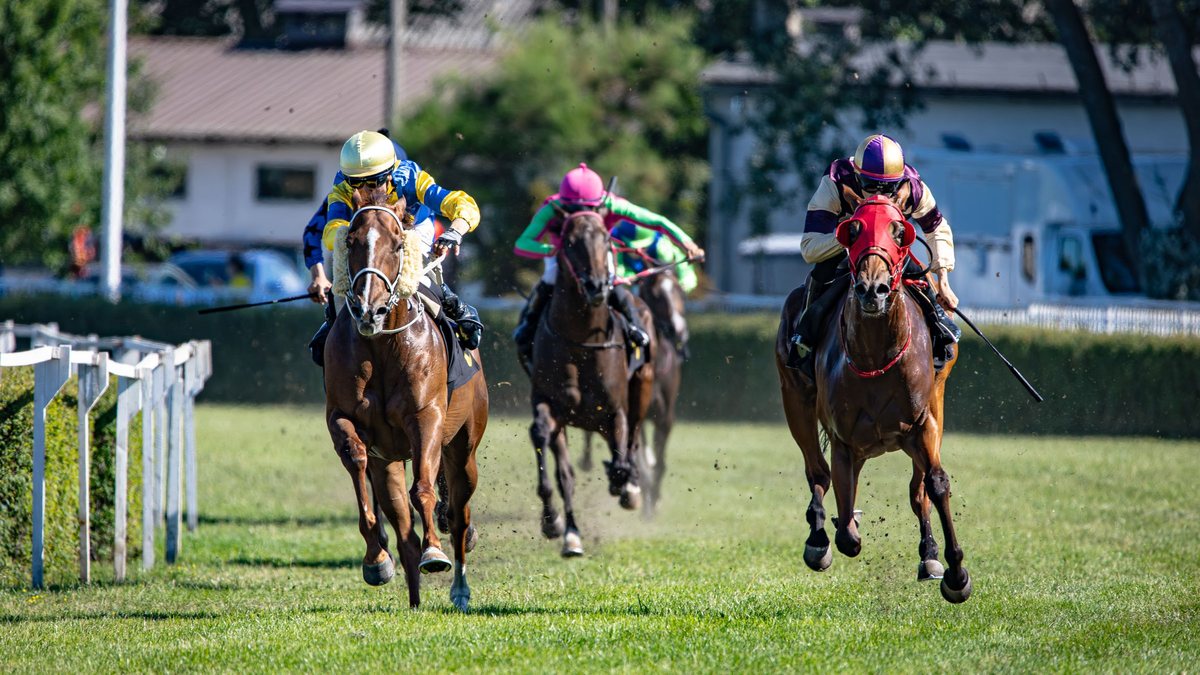
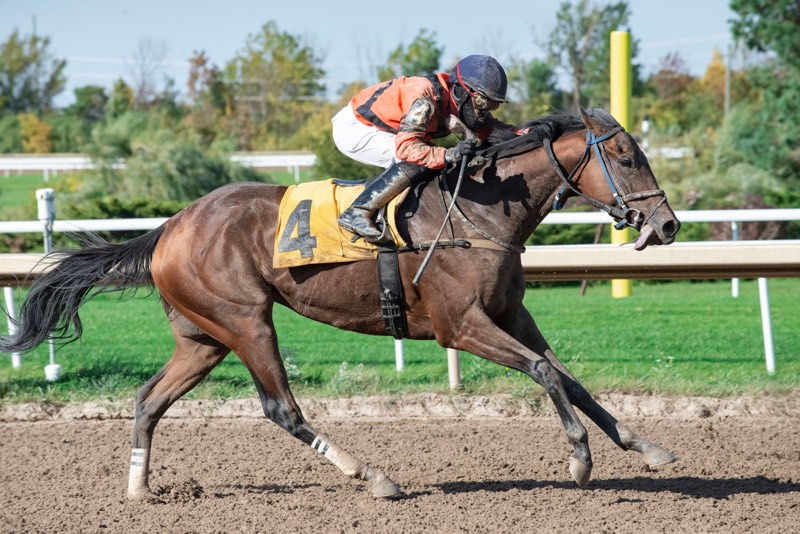
A jockey riding a dark horse on a racecourse.
Advertisement Back2Grow Advertisement

Sovereignty ended his racing career with a victory in the October 31 Longines Breeders’ Cup Classic at Keeneland, beating The Puma and Knightsbridge in the championship’s closing race. The win gives sports fans a clear result to celebrate and a new chapter to follow as the colt moves toward the breeding shed.

For cannabis-minded readers, there is also a useful distinction behind the racing spectacle: CBD has its own classification under the sport’s medication rules. Familiarity with human wellness products does not establish what is permitted for a racehorse. Nothing in this report alleges cannabinoid use or a medication violation by any horse or participant named here.

A decisive finish at Keeneland

The Breeders’ Cup’s official recap records Sovereignty’s winning margin as one and three-quarter lengths in the $7 million Classic. Junior Alvarado rode the Godolphin-owned and bred four-year-old for trainer Bill Mott. The Puma finished second, with Knightsbridge third.

The winner completed the mile and a quarter in 2:00.36. The seven-horse field included defending champion Forever Young, who finished fifth. These are the October 31 race results, rather than a preview of a championship still to come. The distinction matters when older entries and pre-race assessments continue circulating after the event.

The race organizer’s account describes Sovereignty’s career as concluding with eight wins from 13 starts. It also marks Mott’s third Classic victory. The result supplies a sporting endpoint; it does not, by itself, establish anything about the medical management of the individual runners.

The next chapter is already identified

Darley’s October 31 announcement says Sovereignty is set to join its stallion roster at Jonabell Farm. It places the Classic alongside a record that includes the Kentucky Derby, Belmont Stakes, Travers and Whitney. The announcement also identifies Knightsbridge as joining Darley America’s stallion ranks in 2027.

That shift changes what followers should watch next. A racing retirement ends one kind of competition, while a stallion announcement concerns a different commercial and breeding role. Neither should be confused with an upcoming race entry or an assurance about the future performance of offspring.

Darley identifies Sovereignty as a son of Into Mischief. The pedigree is part of how a stallion prospect is described, but ancestry should not be mistaken for a prediction. The competitive record belongs to this horse; future offspring will have their own results.

Where CBD fits in racing

The Horseracing Integrity and Welfare Unit’s current substance lookup lists cannabidiol, or CBD, as a controlled substance with HISA status S7 B. That is a specific classification. It should not be casually rewritten as either an unrestricted supplement approval or a claim that CBD belongs to the separate banned-substance category.

The useful lesson is to consult the rulebook governing the animal and competition involved. A product’s availability in a store is a different fact from its status under an anti-doping and medication-control program. Marketing language such as natural or hemp-derived does not answer the regulatory question.

This classification also does not establish that a product is an effective treatment for a particular horse. Competition compliance, veterinary judgment and evidence of clinical benefit are separate questions. A consumer headline cannot provide an individualized medication plan or a safe withdrawal interval.

Labels are only the start of a supplement check

In a May 19 advisory, HIWU explains that it and HISA do not approve, certify or endorse dietary supplements as permitted products. Its lookup searches individual ingredients, rather than supplement brand names. The advisory concerns supplement due diligence generally, not a finding about the Classic field.

HIWU warns that an ingredient missing from the lookup is not automatically permitted, and that a label may not reveal every substance actually present. It directs questions about ingredients to its science team. Those limits make a self-issued clean label an insufficient basis for assuming compliance.

For owners and trainers, the practical step is to work with the appropriate veterinary and regulatory professionals using the current rules and the exact product involved. For fans, it is to avoid treating an unfamiliar substance category as a shortcut to a doping allegation.

Keep the result and the rules in perspective

Our marathon results and CBD coverage makes a related point about sport-specific guidance. The existence of one rule in a human competition does not decide the rules for horses, nor does an athlete’s result disclose what products they use.

Sovereignty’s farewell remains a racing story: a champion won his final start on October 31. The cannabis connection is a separate, factual look at CBD’s place in the sport’s regulatory framework. Following both subjects responsibly means celebrating the verified performance while keeping treatment claims, supplement marketing and compliance questions distinct.

Illustrative racing photograph; not Sovereignty, Alvarado or the 2026 Breeders’ Cup. Photo: @coldbeer / Pexels.

Sports

Michael Wiley Joins Story Cannabis for Ohio’s Turkey Tuesday Giveaway

Michael Wiley is scheduled to help Story Cannabis distribute 840 frozen turkeys in Columbus and Cleveland on November 24. Here are the pickup details.

Published

on

An American football helmet resting on grass under stadium lights.

Former Ohio State and Dallas Cowboys running back Michael Wiley is scheduled to join Story Cannabis for two Ohio turkey giveaways on Tuesday, November 24. The company says it will distribute 840 frozen turkeys across Columbus and Cleveland. Here, the cannabis connection is the organiser itself, and the sports connection is a former player lending his time to a community event.

We see the useful story in the practical details: where to go, who can collect a turkey and what happens once a frozen bird reaches your kitchen. A familiar athlete may draw attention, but a giveaway is only helpful if the people attending understand its limits and can plan the trip.

Where and when is Turkey Tuesday?

According to Story Cannabis’s November 20 announcement, the Columbus event runs from 9 a.m. to noon Eastern at 1264 East Dublin Granville Road. The Cleveland stop runs from 3 p.m. to 6 p.m. Eastern at 370 Steelyard Drive, in Steelyard Commons. Wiley is expected at both.

Each site is allocated 420 turkeys, including 70 precooked Cajun-style birds. All are distributed frozen. Pickup is in the parking-lot area, open to adults 21 and older with valid, unexpired government-issued photo identification. No purchase is required. The limit is one turkey per household, first come, first served, while supplies last.

Those are announced arrangements, not a reservation or a guarantee that stock will remain until the closing time. We would check with the organiser before travelling, especially if you need an answer about access or pickup arrangements. The company’s involvement does not establish Wiley’s personal cannabis use, and we make no such claim.

Plan for a frozen bird, not a ready meal

The frozen condition matters because the giveaway falls two days before Thanksgiving. Ask which type of turkey you receive, keep its packaging and follow its instructions. A precooked product and a raw bird need different preparation decisions; neither should be treated as ready to leave at room temperature simply because it was handed out at an event.

The USDA’s November 13 Thanksgiving food-safety reminder advises allowing roughly 24 hours of refrigerator thawing for every four to five pounds of frozen turkey. Its cold-water alternative takes about 30 minutes per pound, with the water changed every 30 minutes. Countertop thawing is not a safe shortcut.

That makes the bird’s weight worth checking as soon as you collect it. Do not assume a Tuesday pickup automatically fits a Thursday cooking plan. Choose a safe method using the official guidance and the product instructions, and allow enough time to do it properly. Keep the transport and storage plan simple enough to follow during a busy holiday week.

Keep preparation and serving safe

The same USDA reminder calls for a food thermometer rather than appearance alone to establish a raw turkey’s safe minimum internal temperature of 165 degrees Fahrenheit. Check the thickest breast and innermost thigh and wing. It recommends cooking stuffing separately for safety and even cooking, and keeping hot foods hot and cold foods cold during serving.

The CDC’s turkey-safety guide adds useful kitchen practices: wash hands before and after handling raw turkey, keep its juices away from other food and use separate cutting boards for raw poultry and foods that will not be cooked. Washing a raw turkey can spread contamination around the kitchen.

For leftovers, the CDC advises refrigeration within two hours, smaller portions for quicker cooling, and use within three to four days or freezing for longer storage. Reheat leftovers to 165 degrees Fahrenheit. For a precooked frozen product, retain and follow its reheating directions rather than borrowing a raw-bird cooking time from an unrelated recipe.

We include that guidance because a food giveaway continues to matter after the photo opportunity ends. The public-health sources address food handling; they do not evaluate this particular giveaway or endorse the organiser. The event announcement establishes the planned distribution, while the safety guidance helps you decide what preparation is needed at home.

What we will look for after the event

The announced total is a target, not a completed donation count. After Tuesday, meaningful follow-up would distinguish the number actually handed out from the number planned, and note whether both locations operated as announced. We will not describe 840 households as already served before the event takes place.

For now, the plan offers a concrete way for an Ohio sports figure and a cannabis retailer to support neighbours ahead of Thanksgiving. If you intend to attend, keep the essentials together: the correct city and Eastern time window, your ID, the household limit and a plan for frozen food. Those details make the announcement useful beyond the headline.

Illustrative football stock photograph; not Michael Wiley, Ohio State equipment or a Story Cannabis event. Photo: Lucas Andrade / Pexels.

Continue Reading

Sports

Wu-Tang Clan Joins Detroit’s Thanksgiving Game, Where Cannabis Rules Still Apply

The Lions’ Thanksgiving halftime announcement adds a music draw, while Ford Field’s entry, smoking and re-entry rules remain essential to planning a visit.

Published

on

A brown American football on an orange kicking tee on grass.

Wu-Tang Clan will headline halftime when the Detroit Lions host the Chicago Bears on Thanksgiving, adding a major music draw to the November 26 game at Ford Field. For cannabis consumers making the trip, the practical distinction is straightforward: Michigan’s adult-use market does not make the stadium a consumption venue. The Lions’ published rules prohibit marijuana among the items fans may bring inside.

The NFL announced the performance November 17. Kickoff is set for 1 p.m. Eastern on CBS and Paramount+, or 11 a.m. in Phoenix. The music announcement changes the entertainment lineup; it does not announce a change to Ford Field’s entry or smoking policies. Planning around both makes more sense than discovering the distinction at the gate.

What Detroit’s Thanksgiving announcement includes

According to the NFL’s announcement, this is Detroit’s 87th annual Thanksgiving Day Classic. Antonio Cipriano is scheduled to perform the national anthem. Eminem and Paul Rosenberg return as executive producers of the halftime show under their multiyear partnership, now in its second year.

Detroit is part of a larger holiday entertainment slate. U2 is scheduled for the Packers–Rams Thanksgiving Eve game November 25. Miranda Lambert will perform during Eagles–Cowboys on Thanksgiving afternoon, followed by Goo Goo Dolls during Chiefs–Bills that evening. Those are separate games and performances; buying a ticket for one does not provide access to the others.

For viewers at home, the Detroit matchup offers a clear appointment rather than a standalone concert start time. Halftime follows the first half of play, so its precise clock time depends on the game. The published 1 p.m. Eastern time is kickoff, not a promise that the performance begins then.

Can fans bring cannabis into Ford Field?

The Lions’ stadium FAQ lists marijuana, including medically prescribed marijuana and associated accessories, among prohibited items. It also says smoking is forbidden inside the stadium, including seating areas, restrooms, lounges, bars and suites. Vaping is covered by that indoor restriction.

The FAQ describes designated outdoor smoking locations during Lions games. That provision should not be read as permission to bring or consume cannabis: the same page separately lists marijuana as a prohibited item. An outdoor smoking area and a cannabis consumption area are different things. Anyone with an accessibility or medical question should ask the venue directly before arriving.

Bag rules deserve the same advance check. The FAQ permits specified clear bags and small clutches, with an inspection exception for medically necessary items. It says there is no outside check-in or storage service for prohibited belongings. A permitted bag does not make everything inside it permissible, and a medical-item inspection exception should not be treated as a cannabis exemption.

What happens if someone smokes inside?

Ford Field’s guest code of conduct explicitly includes marijuana in its indoor smoking and vaping ban, including marijuana described as prescription. It warns that violations can lead to immediate ejection. The code also addresses substance impairment that results in irresponsible behavior, alongside disruptive or illegal conduct.

The same document states that re-entry is not permitted during Lions home games and large stadium events. Leaving the stadium is therefore not a dependable way to pause a visit and return for the second half. Fans should resolve questions about belongings and entry conditions before scanning a ticket, rather than building plans around being allowed back in.

These are the venue’s published conditions, not a judgment about any performer’s or player’s personal behavior. The halftime announcement supplies no basis to claim a cannabis endorsement, partnership or consumption policy connected to Wu-Tang Clan, Eminem or the teams.

Michigan legality has limits beyond the gate

Michigan’s adult-use statute does not authorize public consumption or smoking where the property’s owner or manager prohibits it. It also preserves property owners’ ability to regulate cannabis activities. A legal retail purchase and permission to use that purchase at a particular destination are separate questions.

The law likewise does not authorize operating a vehicle under the influence. Nor does it authorize smoking marijuana in a vehicle’s passenger area on a public way. A stadium parking plan should not be mistaken for an exception to those rules. Arrange travel around the full day, including the journey home, and check the venue’s current guidance again close to the game.

For another example of how sports venues set their own boundaries, see our Las Vegas Grand Prix coverage. Detroit’s Thanksgiving appeal is the football and the halftime show. Keeping cannabis plans within the relevant state and venue rules helps keep the focus there.

A little preparation before departure can prevent a ticketed day out from turning into an avoidable problem at security.

Illustrative American-football stock photograph; not Ford Field, the Lions–Bears game or the announced halftime performance. Photo: Gezer Amorim / Pexels.

Continue Reading

Sports

Josh Myers’ Cannabis Ruling Shows How Racing Handles an Unfamiliar Vape

The original November 16 decision explains a two-month licence withdrawal, an unfamiliar vape and the duties attached to racing’s testing rules.

Published

on

Three jockeys racing brown horses on a grass track.

British racing’s independent disciplinary panel has ordered a two-month withdrawal of amateur jockey Josh Myers’ licence after a cannabis-positive sample. The decision, published November 16, dates the penalty from his interim suspension on September 23. It is a ruling on a rider’s anti-doping obligations, not a finding that a horse tested positive or a general rule applying identically across all sports.

The cannabis connection is explicit: Myers admitted breaching the rule requiring jockeys to ensure no banned substance is present in their bodies. The case also turns attention to an unfamiliar vape, disclosure after learning what it contained, and the difference between explaining exposure and avoiding responsibility under a sporting rule.

The panel’s account of the case

The original decision records a post-race urine test following Myers’ ride on The Pug at Brighton on August 23. The sample contained THC-acid above the applicable confirmation level. The panel set out his explanation that he had used a friend’s vape two days earlier without initially knowing the liquid contained cannabis.

According to that account, he learned its contents after experiencing effects. The decision records that he did not alert the BHA before testing, despite then knowing there could be a risk. The testing laboratory considered his explanation plausible; that assessment did not eliminate the rule breach.

These points should be read together. The decision accepted an account of inadvertent initial use while still imposing a penalty. It does not establish that every cannabis-positive test has the same explanation, nor that borrowing any particular kind of vape necessarily produces this result.

Why knowing use was not required

The decision sets out Rules K49 and K50: the presence obligation does not depend on proving intent, fault, negligence or knowing use. That is the strict-liability feature relevant to this case. An explanation of how exposure occurred can matter to the circumstances and penalty without disproving the presence of a banned substance.

The panel approved the agreed fast-track resolution and considered cooperation, admissions and Myers’ previous disciplinary record. The two-month period runs from the interim suspension, rather than beginning afresh on the publication date. Readers should avoid adding an extra two months to the announced decision or assuming the report itself establishes a later return to competition.

There is also a distinction between what a laboratory measurement can show and what the sport decides to prohibit. The ruling reports a metabolite result and applies the relevant rules. It should not be converted into an independent diagnosis of the rider’s degree of impairment during the race.

Racing places safety at the center

The BHA’s human anti-doping guidance says its regulations apply to licensed jockeys regardless of competitive level. It describes protection of riders, horses and sporting ethics as the aims of control. Cannabis is among the substances discussed in its explanation of performance-inhibiting risks.

That framing is important in a sport involving other riders and animals. A question about reaction, judgment or safe participation is different from the narrower popular debate over whether cannabis can improve an athletic result. A substance does not have to be described as a performance enhancer for a regulator to restrict it.

The guidance also directs riders to the jockey testing code and medication rules. Someone competing under those rules needs to consult that framework, rather than relying on a retailer’s product description, a friend’s assurance or an account of another athlete’s case. Rules governing human participants should also be kept separate from equine testing requirements.

One sporting system does not stand for all

Our coverage of Owen Trout’s rugby league case examined a different anti-doping framework. The useful connection is the need to identify the governing rules before drawing conclusions. A sanction in racing cannot simply be substituted for a rugby sanction because both involve a cannabis metabolite.

For athletes, the practical reading of the Myers decision begins with product uncertainty and continues with the sport’s disclosure and testing obligations. An ingredient’s legal availability and an athlete’s eligibility are separate questions. Likewise, accepting an exposure explanation is different from accepting that the athlete met every applicable requirement.

The ruling identifies a confirmation level of 15 nanograms per millilitre and reports a sample concentration above 100. These are the decision’s testing figures, not instructions for calculating a safe waiting period. Neither a concentration from one case nor the timing of that rider’s reported exposure supplies a reliable timetable for another person to pass a test.

The new ruling supplies a concrete example of those distinctions. It records an admitted breach, the explanation considered, and the penalty imposed through the fast-track procedure. Keeping those elements separate allows a more accurate discussion of cannabis in sport than treating every positive test as either deliberate cheating or an event with no regulatory consequences.

Illustrative horse-racing stock photograph; not Josh Myers, The Pug or Brighton Racecourse. Photo: Aliaksei Semirski / Pexels.

Continue Reading

Trending

Join The Cannabis Aficionado Community!
Join the Cannabis Aficionado community and receive all of the most relevant news geared towards our sophisticated enthusiast community.
Loading

Copyright ©️ 2026 Cannabis Aficionado. Cannabis Aficionado is a registered trademark of CNM Inc. All rights reserved. Registration on or use of this site constitutes acceptance of our Terms of Service, Privacy Policy and Cookies Policy. People may receive compensation for some links to products and services. Offers may be subject to change without notice.