Athletes have a cannabis rules change to prepare for in January, but the calendar matters as much as the ingredient. The World Anti-Doping Agency’s 2027 Prohibited List narrows its cannabinoid language while keeping THC and substances that mimic its effects prohibited in competition. The revision takes effect January 1, 2027; it is not permission to apply next year’s rules today.
For cannabis-aware sports readers, the important distinction is between a specific molecule’s status and a packaged product’s contents. A change involving CBN or CBG does not make every hemp extract, recovery supplement or bottle with a cannabis leaf on its label acceptable for an athlete subject to anti-doping rules.
A November 6 briefing from Ukraine’s National Anti-Doping Center highlights the cannabinoid revision among next year’s changes. Its guidance reinforces the distinction between THC-like substances and naturally occurring cannabinoids outside that description.
What changes in the new list
The 2027 list’s S8 section prohibits tetrahydrocannabinols and semi-synthetic or synthetic cannabinoids that mimic delta-9-THC’s effects in competition. Its examples include different THC forms and hexahydrocannabinol, commonly called HHC. Cannabidiol, or CBD, remains outside the prohibition.
UK Anti-Doping’s explanation specifically identifies cannabinol, or CBN, and cannabigerol, or CBG, as no longer prohibited under the 2027 revision. That is a meaningful change for people who follow the expanding vocabulary of cannabis ingredients. It is also narrower than announcing that cannabis itself has been removed from sport’s prohibited list.
WADA’s explanatory note ties the revision to scientific knowledge about cannabinoids with effects resembling delta-9-THC. The wording concerns the substances covered by the anti-doping category. It does not certify a manufacturer’s labeling or endorse a compound as a useful training aid.
November still belongs to the 2026 rules
Under the current framework, CBD is the cannabinoid exception; the broader cannabinoid prohibition still applies in competition. Athletes should not carry January’s revised ingredient treatment backward into a November event. A coach discussing next season and an athlete preparing for a competition this month may therefore need different editions of the list.
This is why a screenshot without a year can be misleading. Save the source, effective date and relevant section together. When asking a governing body about an ingredient, identify when the competition takes place and which rules govern it, rather than relying on an undated social post summarizing a future change.
Our coverage of Owen Trout’s rugby league case examined how THC rules can become consequential on match day. The new list offers another reason to distinguish an actual rule, its applicable period and an individual case rather than treating all sports cannabis stories as interchangeable.
A permitted ingredient is not a cleared product
The U.S. Anti-Doping Agency’s 2027 advisory stresses that athletes remain responsible for substances found in their samples. It also warns that CBD products may contain THC that is not clearly identified on a label. A permitted ingredient’s name on the front of a package cannot settle the contents of the entire mixture.
Think of the difference between asking whether CBG is prohibited and asking what is in a particular CBG product. The first is a rules question. The second involves the product itself. A correct answer to the first does not automatically resolve the second, especially when a formula combines multiple cannabis-derived ingredients.
Neither the revised list nor an ingredient exception establishes a medical benefit. Claims about sleep, recovery or performance require their own evidence. An athlete can misunderstand the update in two directions: by assuming every cannabinoid stays prohibited forever, or by interpreting a narrower prohibition as a broad wellness endorsement.
Use the update as a planning prompt
A useful next step for a competing athlete is to take the exact product and ingredient information to the appropriate anti-doping organization before making assumptions. USADA directs athletes to check medications through Global DRO and to recognize that prohibited lists are not exhaustive inventories of every possible substance name.
For coaches and support staff, the administrative task is straightforward: update educational materials with the January effective date, retain the current guidance for current competitions, and avoid advertising language that implies an entire product category has received approval. That communicates the change without exaggerating it.
The cannabis connection here is direct and practical. Sport is refining how it describes cannabinoids, while continuing to distinguish THC-related effects and competition restrictions. Understanding that refinement requires reading the year and the ingredient together, then keeping product claims separate from the rulebook.
Recreational spectators should also recognize the scope of the story. An anti-doping classification addresses eligibility and obligations within sport; it does not rewrite local cannabis law or a venue’s policies. An ingredient’s treatment in that system cannot establish where a person may purchase, carry or consume it. Keeping those questions separate helps a sports discussion remain accurate even when the same product appears in several different regulatory conversations.
The full official documents remain the reference point when abbreviated summaries leave an ingredient or a competition date unclear.
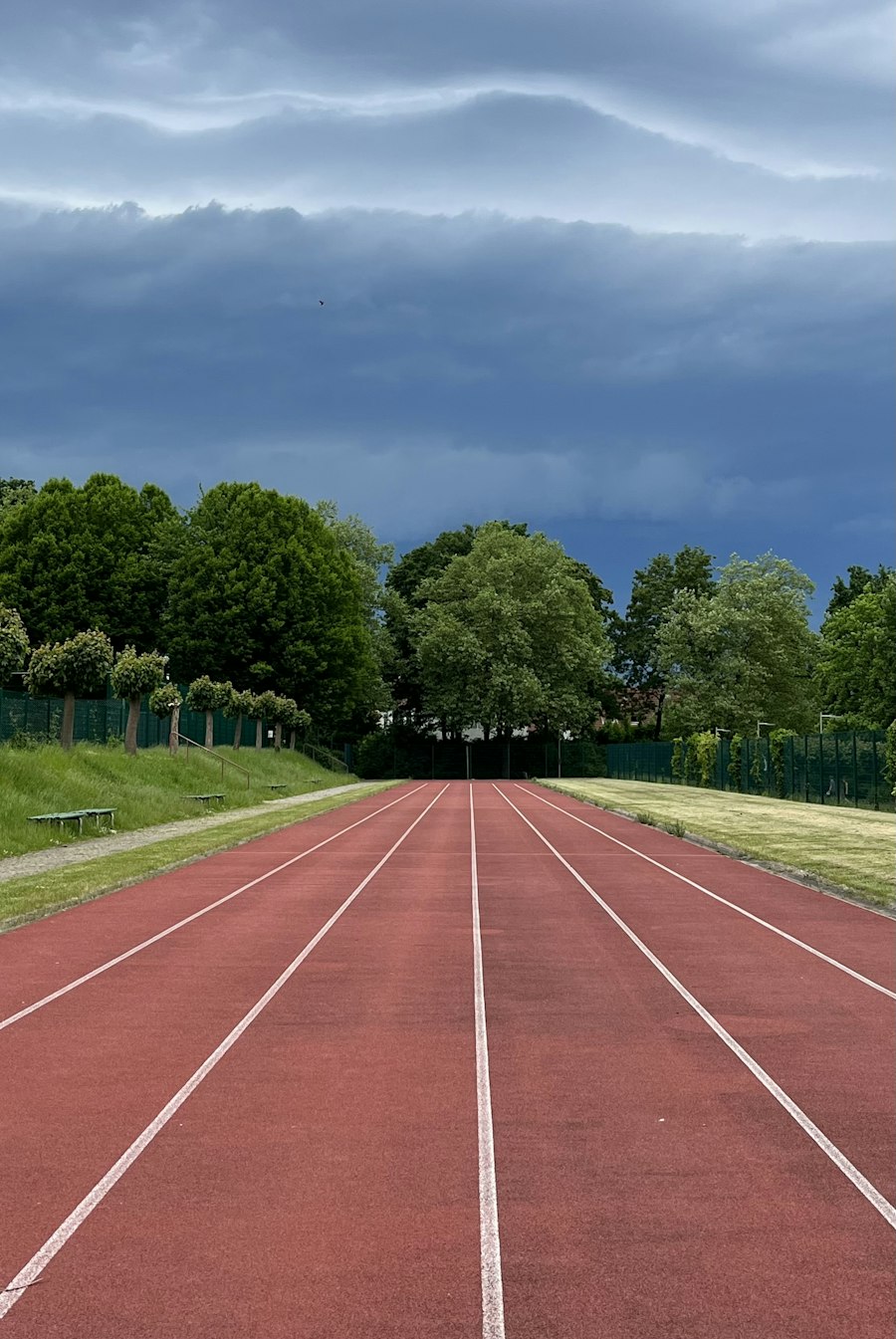
Illustrative stock photo of a track in Bielefeld, Germany; not a WADA event. Photo: Wilson K. / Unsplash.






 Cannabis3 weeks ago

 Cannabis3 weeks ago

 Cannabis3 weeks ago

 Cannabis3 weeks ago


 Cannabis3 weeks ago

 Cannabis3 weeks ago

 Cannabis3 weeks ago