#cannabisaficionado

Sports

UFC 334 Brings Two Title Fights to New York—and a Separate Cannabis Fitness Question

Two championship fights lead UFC 334 at Madison Square Garden tonight. For cannabis readers, ringside fitness guidance is a separate issue from the fight card.

Published

on

Traffic and pedestrians at a Manhattan intersection near Madison Square Garden
Advertisement Back2Grow Advertisement

UFC 334 arrives at Madison Square Garden tonight, November 14, with Ciryl Gane defending the heavyweight title against Josh Hokit and Kayla Harrison meeting Amanda Nunes for the women’s bantamweight championship. The two title fights give New York’s card an immediate sporting hook.

For cannabis readers, there is another relevant distinction: being cleared by a competition’s drug rules and being clinically fit to fight are different questions. The Association of Ringside Physicians has addressed cannabis specifically, warning that suspected acute intoxication belongs in a ringside medical assessment. That guidance is context for combat sports, not an allegation about anyone on tonight’s card.

When the card begins

Paramount+’s November 13 viewing guide lists the main card for 9 p.m. Eastern, with preliminaries at 7 p.m. and early preliminaries at 5 p.m. For Arizona readers on Phoenix time, those starts are 7 p.m., 5 p.m. and 3 p.m., respectively.

The broadcaster says the U.S. stream is included with a Paramount+ subscription, without a separate pay-per-view charge, and that this event has no CBS simulcast. Those are U.S. viewing arrangements; readers elsewhere should check their own local rights holder rather than assume the same access applies.

The schedule describes three stages of the broadcast. It does not promise the precise minute either championship fight will begin. Earlier bouts can change the pace of an evening, so the listed main-card start is the useful time to have the broadcast ready.

Two championships, different matchups

Gane enters the heavyweight title fight with a listed 14–2 record. Hokit is unbeaten at 10–0. That puts an established champion opposite a challenger whose professional record has not yet included a defeat.

The women’s bantamweight championship brings Harrison and Nunes together after their planned UFC 324 meeting was postponed. Their listed records are 19–1 and 23–5. The rescheduled matchup supplies the second championship contest on a card that is built around two divisions rather than one title alone.

The official UFC event listing identifies Madison Square Garden as the setting. The venue is part of the occasion, but the results will turn on the competitors in the cage. A championship doubleheader does not guarantee a particular style of fight or an outcome.

UFC’s official Friday weigh-in report listed Gane at 242.6 pounds and Hokit at 231.4, with Harrison and Nunes each at 135. Those measurements establish what the athletes weighed at the official check. They should not be turned into predictions about who will win.

The rest of the evening matters

The main card also includes Caio Borralho against Yousri Belgaroui, Uros Medic against Kevin Holland and Bilal Hasan against Luis Gurule. That gives viewers three additional matchups before the championship portion of the evening.

Stephen Thompson and Charles Radtke feature among the preliminary pairings, alongside Drew Dober against Chris Duncan, Jim Miller against Terrance McKinney and Donte Johnson against Cesar Almeida. Four early preliminary fights complete the broadcaster’s 13-bout scheduled card.

As with any fight-night lineup, scheduled is the operative word. Viewers should use the latest official event information if a bout changes before the broadcast. Tonight’s preview is a guide to the announced card, rather than a guarantee that every listed contest will proceed unchanged.

What the ringside cannabis guidance actually says

The relevant Association of Ringside Physicians position statement was published in July 2024. Its presence in a 2026 website folder does not make it a newly issued rule for UFC 334. It is a medical position statement, separate from an event’s binding regulatory requirements.

The physicians discourage marijuana and synthetic cannabinoid use in combat sports and report no proven athletic performance benefit. They also emphasize that laboratory concentrations are poor indicators of the timing of use or the degree of clinical effect. A test result and an examination are therefore not interchangeable evidence.

That is particularly consequential in a sport where attention, judgment and an official’s assessment of fitness can affect participation. The statement places suspected acute intoxication within clinical judgment about whether an athlete should compete. It does not establish that any athlete appearing tonight uses cannabis.

Readers following our coverage of sport-specific cannabis rules will recognize the need to identify which authority is speaking. A medical association, an anti-doping program and an athletic regulator answer different questions. Tonight’s title fights are the spectacle; understanding those distinctions keeps cannabis discussion grounded in what the evidence actually supports.

The position statement also treats purified topical CBD separately, neither encouraging nor discouraging its use. That limited position is not a claim that a CBD product improves recovery, nor a finding that every product sold under the CBD name is equivalent. The formulation and the claim both matter.

Archival stock street view in the Madison Square Garden area, New York; not UFC 334. Photo: Wabi Sabi / Unsplash.

Sports

Philadelphia Marathon Preparations Put Cannabis and CBD Rule Questions in Focus

Philadelphia expects its largest marathon weekend field November 20–22. Event preparation and anti-doping cannabinoid rules answer different questions.

Published

on

Benjamin Franklin Parkway, the Washington Monument fountain and Philadelphia skyline

Philadelphia Marathon Weekend is preparing for its largest anticipated field, with organizers expecting 40,000 participants across the marathon, half marathon and 8K on November 21–22. For cannabis-aware runners, that busy weekend also calls for separating ordinary event preparation from the distinct rules governing cannabinoids in tested sport.

A CBD label is not an anti-doping guarantee. The U.S. Anti-Doping Agency’s cannabinoid guidance says CBD itself is permitted, while other cannabinoids remain prohibited in competition under the World Anti-Doping Code framework. That distinction matters to athletes subject to those rules; it is not an assertion that every Philadelphia entrant will be drug-tested.

More runners, and changes before race morning

In its November 5 announcement, the event attributes the larger expected field to 3,000 additional marathon bibs. Its projections divide into 20,000 marathon participants, 15,000 half-marathon participants and 5,000 in the 8K. These are expectations before the event, not a count of finishers.

Organizers also describe a new Friday shakeout run, expanded expo hours and enhanced finish-line spectator viewing. The shakeout requires registration and is limited to people registered for a race that weekend. It should not be assumed to be an unrestricted public group run.

The official schedule places the expo on November 20–21, the half marathon and 8K on Saturday, and the full marathon on Sunday. Keeping those dates separate is useful for travelers arranging collection, transportation and family plans around more than one event.

Check the bag before joining the line

The organizer’s current FAQ introduces gear-check tents in Maja Park between 22nd and 24th Streets, just south of the start line. Participants are instructed to use the official event-day drawstring bag and attach the gear-check tab from their bib before arriving.

Collection lines will be organized by the final digit of a bib number. The FAQ also identifies a repacking station and says staff will scan tagged bags. These are operational details worth checking in advance rather than discovering while trying to reach a corral.

Its prohibited-item information includes alcohol, illegal drugs or illicit substances, glass and certain oversized containers or bags. Those published restrictions are not permission to bring a cannabis product simply because it appears in a familiar retail package. The event information should be consulted for the actual item and setting involved.

CBD and THC are not interchangeable rules questions

USADA warns that CBD products can contain other cannabinoids, including THC. Athletes subject to anti-doping requirements need to consider the product’s contents rather than equating the CBD exception with approval of every oil, gummy or supplement marketed under that name.

The agency also cautions that clearance varies with factors including strength, frequency of use, metabolism and health. There is no universal stop date that this race preview can responsibly give an athlete. USADA advises discussing clearance with a doctor, and an individualized question belongs with qualified medical and anti-doping resources.

These rules concern eligibility in regulated competition. They should not be confused with a claim that cannabis improves endurance, that a supplement speeds recovery or that an organizer endorses a product. None of those conclusions follows from CBD being outside a prohibited category.

Different permissions answer different questions

A useful way to prepare is to identify which question needs an answer. Event security concerns entry and belongings. Anti-doping rules concern an athlete’s eligibility and prohibited substances. A clinician addresses medical care. One answer cannot automatically stand in for the others.

Our MEDICA sports-pharmacy coverage similarly distinguishes cannabis counseling from a simple promise about athletic performance. Philadelphia’s approaching weekend makes that distinction practical: advice about a product needs to fit the person, the evidence and the rules that actually apply.

For spectators, the November 5 announcement describes two recommended finish-line viewing areas, north and south. Checking the current event information is more dependable than relying on a previous year’s entrances, especially when organizers say the footprint and viewing arrangements have changed.

The race remains the central attraction. Preparing accurately means knowing which event is on which day, what can be checked or carried, and whether a separate sporting rule applies. Cannabis-aware coverage can make those boundaries clear without suggesting that consumption is part of the official weekend program.

The event homepage says the marathon, half marathon, 8K and challenges are closed, while Kids Run registration remains open. It also warns that individual bib transfers are not allowed and identifies its listed charity partners as the only organizations authorized to distribute race bibs. A resale offer is therefore not equivalent to a valid entry. That is a separate preparation issue from what happens at the security gate, but it can matter just as much to someone making a late plan for the weekend.

Benjamin Franklin Parkway and the Philadelphia skyline in an illustrative city photograph; not race-day coverage. Photo: Jonathan Gong / Unsplash.


Continue Reading

Sports

MEDICA Puts Cannabis Counseling on the Sports Pharmacy Agenda

MEDICA’s November 16 sports pharmacy symposium includes a cannabis counseling workshop, alongside anti-doping and supplement discussions.

Published

on

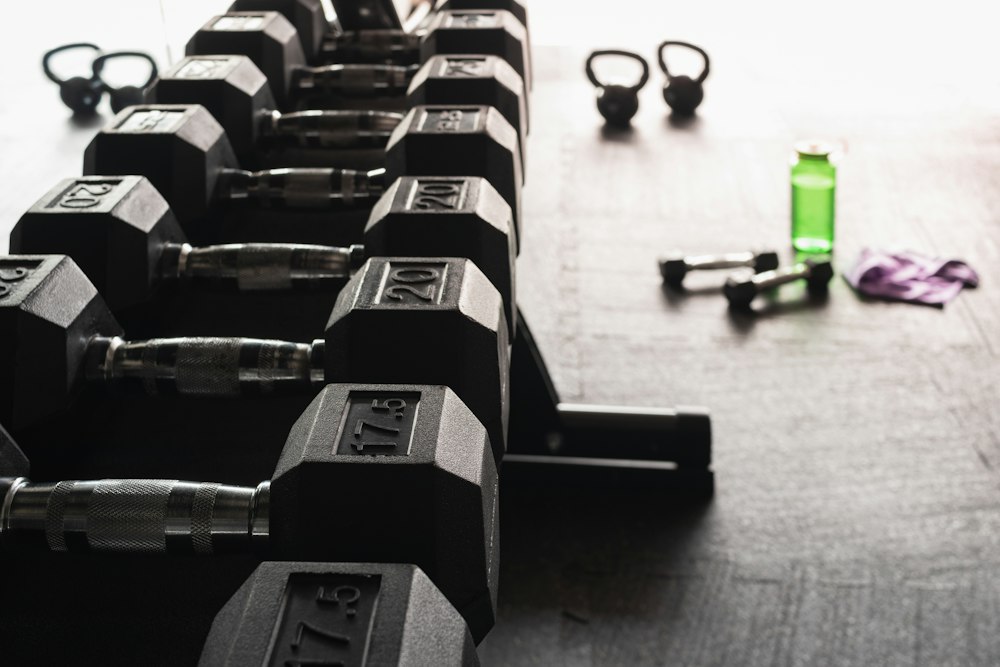
Rows of dumbbells with kettlebells on a gym floor

A cannabis workshop on MEDICA’s November 16 sports-pharmacy agenda puts a practical question at the center of athlete care: how do professionals turn information about cannabinoids into a useful conversation? The published session is about counseling, rather than a promise that cannabis improves performance or recovery.

The official conference brochure schedules the workshop for 2:45 p.m. local time in Düsseldorf, Germany, during the sixth International Sports Pharmacy Symposium. Jeff Konin and Kari Franson are listed as speakers. The setting places cannabis alongside medication management, supplements and the responsibilities of athlete-support professionals.

The conversation comes before the recommendation

For a player, runner or recreational gym member, a cannabis question may begin with an ordinary concern: a product label, a teammate’s suggestion or uncertainty about a competition rule. Those starting points require different answers. A discussion of regulations cannot establish a health benefit, while a discussion of someone’s health cannot by itself settle eligibility.

That is what makes counseling a useful focus. The goal should be to establish what the person is asking, which product is involved and which rules apply. An answer about CBD cannot automatically be transferred to a preparation containing THC, and an answer for one sporting organization should not be presented as universal.

The symposium’s wider agenda includes supplement contamination, anti-doping work and professional ethics. Together, these subjects frame cannabis as one part of medication-related decision-making in sport. They do not turn a scheduled conference discussion into a new clinical finding or an endorsement of any product.

CBD and other cannabinoids are different questions

The U.S. Anti-Doping Agency’s cannabis guidance explains that cannabinoids are prohibited in competition under the World Anti-Doping Agency framework, with an exception for cannabidiol, or CBD. USADA also warns that the exception does not remove the risks associated with products sold as CBD.

That distinction is easy to lose in a broad conversation about cannabis becoming more accepted. Permission for one substance does not establish that every ingredient in a finished preparation is permitted. Nor does a label describing a product as hemp answer a question about its complete composition.

USADA’s separate CBD explainer emphasizes the potential for additional cannabinoids in products and the limitations of relying on a label. Athletes need to distinguish the status of CBD itself from the characteristics of the bottle, gummy or topical they are considering.

These are reasons to bring specific information to a qualified professional rather than ask only whether cannabis is allowed. The product, the sport and the athlete’s circumstances all shape the question. This preview does not recommend a dose, a preparation or a timetable for use.

Sports pharmacy is a developing professional skill

Franson’s institution, the USC Mann School, describes its executive sports-pharmacy certificate as preparation for advising athletes about medicines and nutritional supplements while addressing sporting rules. Its curriculum combines sports pharmacy, supplements, physical assessments and a focused thesis or experiential component.

The school currently lists a November 27 application deadline. That is a separate opportunity from attending the Düsseldorf symposium, with its own eligibility, cost and admissions requirements. Neither participating in a workshop nor completing an application should be confused with earning the certificate.

The curriculum’s patient-care approach includes collecting information, assessing it, planning, implementing and following up. Applied to a cannabis conversation, that suggests a more careful process than treating a social-media testimonial as a complete answer. It also leaves room to identify questions that require another professional’s expertise.

For example, a useful consultation can begin with the actual packaging and a clear account of what the athlete wants to understand. The professional can then identify whether the issue concerns ingredients, sporting rules or an individual health question. Keeping those questions distinct makes it easier to recognize the limits of an answer and what further information is needed.

Keep the November dates separate

The pharmacy symposium is on November 16. MEDICA’s Medicine + Sports Conference is separately listed for November 18–19. Visitors should check the correct program and access arrangements rather than assume a ticket or timetable covers every related event.

Our report on athletes and the 2027 anti-doping rules examines another part of this landscape. The Düsseldorf session offers a different angle: the professional conversation that helps an athlete interpret information before making a decision.

A workshop cannot settle every question about cannabis and sport in an afternoon. Its significance is more specific: a published sports-pharmacy program is making room for cannabis counseling alongside established concerns about medicines, supplements and clean competition. The useful outcome to watch is clearer communication, not a blanket claim that the plant belongs in every training plan.

Illustrative training-equipment photograph; not the MEDICA venue or workshop. Photo: Greg Rosenke / Unsplash.

Continue Reading

Sports

Athletes Face a More Specific Cannabis Rulebook in 2027

WADA’s 2027 list changes cannabinoid coverage from January 1. THC remains prohibited in competition, and product contamination still matters.

Published

on

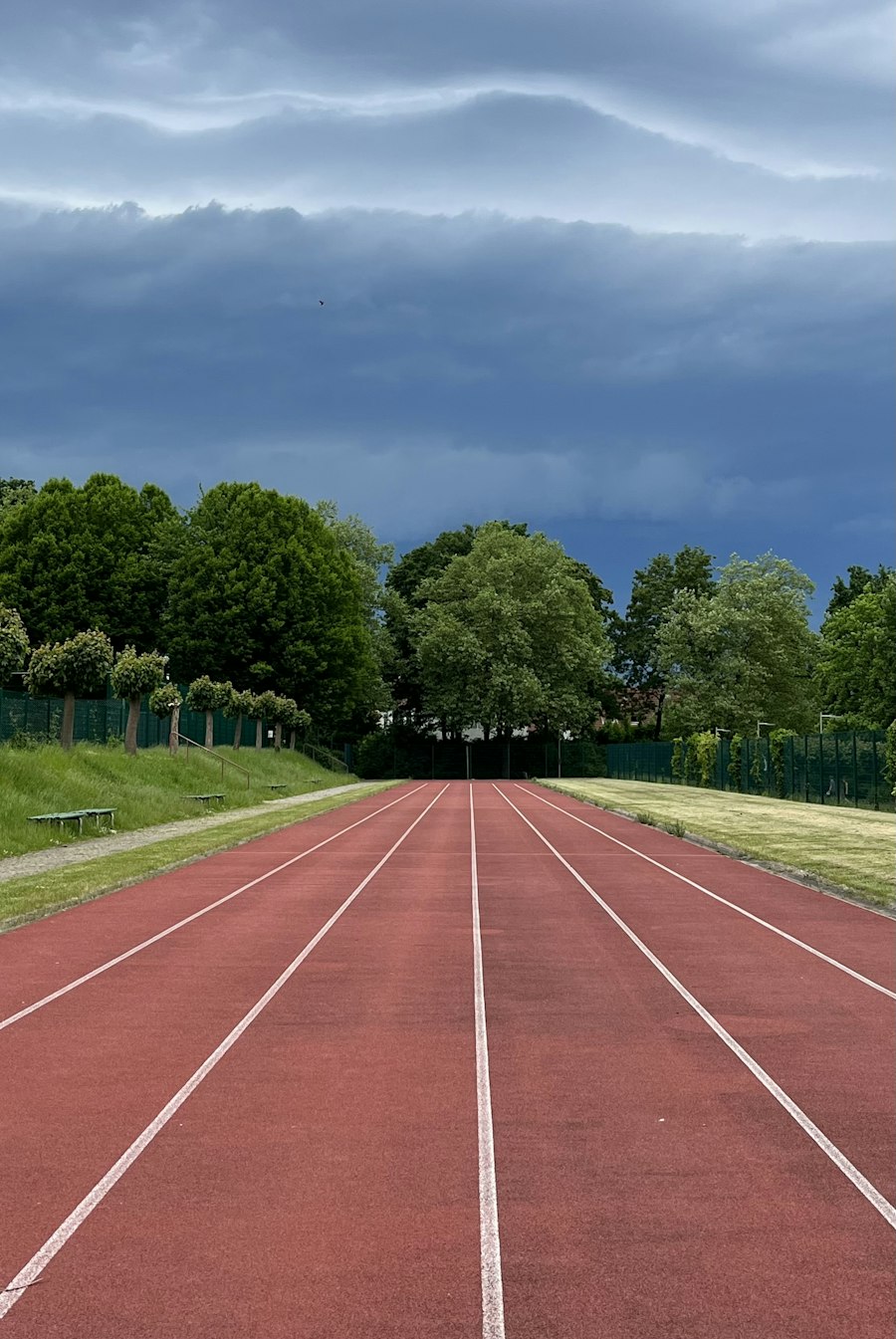
Empty red running track beneath a cloudy sky

Athletes have a cannabis rules change to prepare for in January, but the calendar matters as much as the ingredient. The World Anti-Doping Agency’s 2027 Prohibited List narrows its cannabinoid language while keeping THC and substances that mimic its effects prohibited in competition. The revision takes effect January 1, 2027; it is not permission to apply next year’s rules today.

For cannabis-aware sports readers, the important distinction is between a specific molecule’s status and a packaged product’s contents. A change involving CBN or CBG does not make every hemp extract, recovery supplement or bottle with a cannabis leaf on its label acceptable for an athlete subject to anti-doping rules.

A November 6 briefing from Ukraine’s National Anti-Doping Center highlights the cannabinoid revision among next year’s changes. Its guidance reinforces the distinction between THC-like substances and naturally occurring cannabinoids outside that description.

What changes in the new list

The 2027 list’s S8 section prohibits tetrahydrocannabinols and semi-synthetic or synthetic cannabinoids that mimic delta-9-THC’s effects in competition. Its examples include different THC forms and hexahydrocannabinol, commonly called HHC. Cannabidiol, or CBD, remains outside the prohibition.

UK Anti-Doping’s explanation specifically identifies cannabinol, or CBN, and cannabigerol, or CBG, as no longer prohibited under the 2027 revision. That is a meaningful change for people who follow the expanding vocabulary of cannabis ingredients. It is also narrower than announcing that cannabis itself has been removed from sport’s prohibited list.

WADA’s explanatory note ties the revision to scientific knowledge about cannabinoids with effects resembling delta-9-THC. The wording concerns the substances covered by the anti-doping category. It does not certify a manufacturer’s labeling or endorse a compound as a useful training aid.

November still belongs to the 2026 rules

Under the current framework, CBD is the cannabinoid exception; the broader cannabinoid prohibition still applies in competition. Athletes should not carry January’s revised ingredient treatment backward into a November event. A coach discussing next season and an athlete preparing for a competition this month may therefore need different editions of the list.

This is why a screenshot without a year can be misleading. Save the source, effective date and relevant section together. When asking a governing body about an ingredient, identify when the competition takes place and which rules govern it, rather than relying on an undated social post summarizing a future change.

Our coverage of Owen Trout’s rugby league case examined how THC rules can become consequential on match day. The new list offers another reason to distinguish an actual rule, its applicable period and an individual case rather than treating all sports cannabis stories as interchangeable.

A permitted ingredient is not a cleared product

The U.S. Anti-Doping Agency’s 2027 advisory stresses that athletes remain responsible for substances found in their samples. It also warns that CBD products may contain THC that is not clearly identified on a label. A permitted ingredient’s name on the front of a package cannot settle the contents of the entire mixture.

Think of the difference between asking whether CBG is prohibited and asking what is in a particular CBG product. The first is a rules question. The second involves the product itself. A correct answer to the first does not automatically resolve the second, especially when a formula combines multiple cannabis-derived ingredients.

Neither the revised list nor an ingredient exception establishes a medical benefit. Claims about sleep, recovery or performance require their own evidence. An athlete can misunderstand the update in two directions: by assuming every cannabinoid stays prohibited forever, or by interpreting a narrower prohibition as a broad wellness endorsement.

Use the update as a planning prompt

A useful next step for a competing athlete is to take the exact product and ingredient information to the appropriate anti-doping organization before making assumptions. USADA directs athletes to check medications through Global DRO and to recognize that prohibited lists are not exhaustive inventories of every possible substance name.

For coaches and support staff, the administrative task is straightforward: update educational materials with the January effective date, retain the current guidance for current competitions, and avoid advertising language that implies an entire product category has received approval. That communicates the change without exaggerating it.

The cannabis connection here is direct and practical. Sport is refining how it describes cannabinoids, while continuing to distinguish THC-related effects and competition restrictions. Understanding that refinement requires reading the year and the ingredient together, then keeping product claims separate from the rulebook.

Recreational spectators should also recognize the scope of the story. An anti-doping classification addresses eligibility and obligations within sport; it does not rewrite local cannabis law or a venue’s policies. An ingredient’s treatment in that system cannot establish where a person may purchase, carry or consume it. Keeping those questions separate helps a sports discussion remain accurate even when the same product appears in several different regulatory conversations.

The full official documents remain the reference point when abbreviated summaries leave an ingredient or a competition date unclear.

Illustrative stock photo of a track in Bielefeld, Germany; not a WADA event. Photo: Wilson K. / Unsplash.

Continue Reading

Trending

Join The Cannabis Aficionado Community!
Join the Cannabis Aficionado community and receive all of the most relevant news geared towards our sophisticated enthusiast community.
Loading

Copyright ©️ 2026 Cannabis Aficionado. Cannabis Aficionado is a registered trademark of CNM Inc. All rights reserved. Registration on or use of this site constitutes acceptance of our Terms of Service, Privacy Policy and Cookies Policy. People may receive compensation for some links to products and services. Offers may be subject to change without notice.