Philadelphia Marathon Weekend is preparing for its largest anticipated field, with organizers expecting 40,000 participants across the marathon, half marathon and 8K on November 21–22. For cannabis-aware runners, that busy weekend also calls for separating ordinary event preparation from the distinct rules governing cannabinoids in tested sport.
A CBD label is not an anti-doping guarantee. The U.S. Anti-Doping Agency’s cannabinoid guidance says CBD itself is permitted, while other cannabinoids remain prohibited in competition under the World Anti-Doping Code framework. That distinction matters to athletes subject to those rules; it is not an assertion that every Philadelphia entrant will be drug-tested.
More runners, and changes before race morning
In its November 5 announcement, the event attributes the larger expected field to 3,000 additional marathon bibs. Its projections divide into 20,000 marathon participants, 15,000 half-marathon participants and 5,000 in the 8K. These are expectations before the event, not a count of finishers.
Organizers also describe a new Friday shakeout run, expanded expo hours and enhanced finish-line spectator viewing. The shakeout requires registration and is limited to people registered for a race that weekend. It should not be assumed to be an unrestricted public group run.
The official schedule places the expo on November 20–21, the half marathon and 8K on Saturday, and the full marathon on Sunday. Keeping those dates separate is useful for travelers arranging collection, transportation and family plans around more than one event.
Check the bag before joining the line
The organizer’s current FAQ introduces gear-check tents in Maja Park between 22nd and 24th Streets, just south of the start line. Participants are instructed to use the official event-day drawstring bag and attach the gear-check tab from their bib before arriving.
Collection lines will be organized by the final digit of a bib number. The FAQ also identifies a repacking station and says staff will scan tagged bags. These are operational details worth checking in advance rather than discovering while trying to reach a corral.
Its prohibited-item information includes alcohol, illegal drugs or illicit substances, glass and certain oversized containers or bags. Those published restrictions are not permission to bring a cannabis product simply because it appears in a familiar retail package. The event information should be consulted for the actual item and setting involved.
CBD and THC are not interchangeable rules questions
USADA warns that CBD products can contain other cannabinoids, including THC. Athletes subject to anti-doping requirements need to consider the product’s contents rather than equating the CBD exception with approval of every oil, gummy or supplement marketed under that name.
The agency also cautions that clearance varies with factors including strength, frequency of use, metabolism and health. There is no universal stop date that this race preview can responsibly give an athlete. USADA advises discussing clearance with a doctor, and an individualized question belongs with qualified medical and anti-doping resources.
These rules concern eligibility in regulated competition. They should not be confused with a claim that cannabis improves endurance, that a supplement speeds recovery or that an organizer endorses a product. None of those conclusions follows from CBD being outside a prohibited category.
Different permissions answer different questions
A useful way to prepare is to identify which question needs an answer. Event security concerns entry and belongings. Anti-doping rules concern an athlete’s eligibility and prohibited substances. A clinician addresses medical care. One answer cannot automatically stand in for the others.
Our MEDICA sports-pharmacy coverage similarly distinguishes cannabis counseling from a simple promise about athletic performance. Philadelphia’s approaching weekend makes that distinction practical: advice about a product needs to fit the person, the evidence and the rules that actually apply.
For spectators, the November 5 announcement describes two recommended finish-line viewing areas, north and south. Checking the current event information is more dependable than relying on a previous year’s entrances, especially when organizers say the footprint and viewing arrangements have changed.
The race remains the central attraction. Preparing accurately means knowing which event is on which day, what can be checked or carried, and whether a separate sporting rule applies. Cannabis-aware coverage can make those boundaries clear without suggesting that consumption is part of the official weekend program.
The event homepage says the marathon, half marathon, 8K and challenges are closed, while Kids Run registration remains open. It also warns that individual bib transfers are not allowed and identifies its listed charity partners as the only organizations authorized to distribute race bibs. A resale offer is therefore not equivalent to a valid entry. That is a separate preparation issue from what happens at the security gate, but it can matter just as much to someone making a late plan for the weekend.
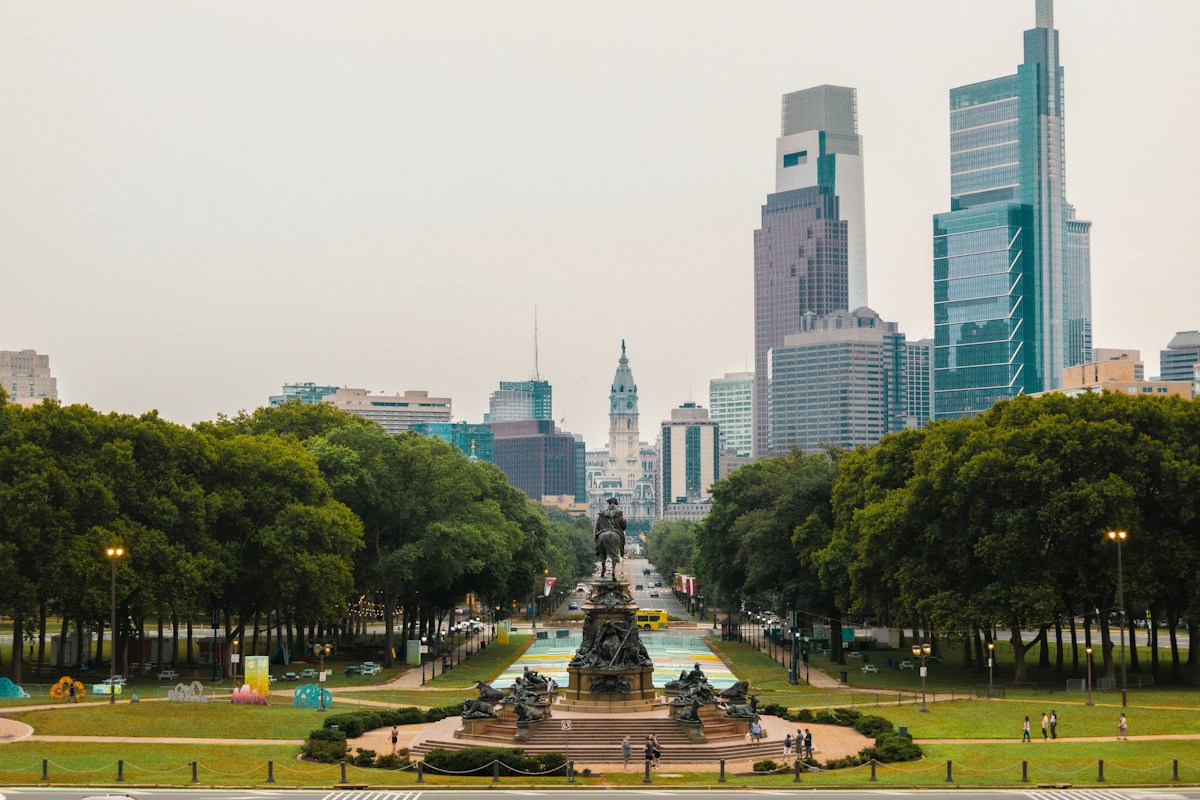
Benjamin Franklin Parkway and the Philadelphia skyline in an illustrative city photograph; not race-day coverage. Photo: Jonathan Gong / Unsplash.







 Cannabis3 weeks ago

 Cannabis3 weeks ago

 Cannabis3 weeks ago

 Cannabis3 weeks ago


 Cannabis3 weeks ago

 Cannabis3 weeks ago

 Cannabis3 weeks ago