Vital Hemp founder Ron Alcalay is looking for an investor, strategic partner or potential buyer to help rebuild the clothing label, according to his October 28 update. The announcement describes an ambition to restart a smaller core range after several years without a new collection. It does not announce a completed transaction or a production restart.
For the cannabis community, the connection is tangible: hemp clothing brings the plant into everyday wardrobes through textile design. This story concerns the business behind those garments. A familiar fiber, loyal following and recognizable styles still need a production operation that can replenish what customers want to wear.
A founder describes an unfinished restart
Alcalay says the brand has been selling existing inventory while work to restore its core line has taken longer than he expected. His proposed direction combines a tighter selection of established products, stronger direct-to-consumer sales and a leaner operating model. The public appeal leaves the structure of any future arrangement open.
Those distinctions matter when reading a comeback announcement. An invitation to potential partners is an early business step. It does not establish financing, factory orders, delivery dates or the availability of a particular size. The update provides no basis for reporting that a sale has closed, a buyer has been chosen or a new collection is ready.
The brand’s history page traces its beginnings to a weekend stand on the Venice boardwalk in 2003. That account places its current search for a partner within a long-running independent label, rather than the launch of a newly formed company.
The clothes explain what could return
The current men’s catalog offers a useful picture of the label’s vocabulary: T-shirts, a Henley hoodie, short- and long-sleeve button-down shirts, shorts and Anywhere Pants. These are everyday categories, with room for repeat wear and familiar silhouettes. A catalog listing, however, is not a promise that every color and size is in stock.
The Anywhere Pants product page lists a $138 price and describes a plain-weave, 100 percent hemp fabric. Its construction notes include deep pockets, YKK zippers, a coconut button and a drawstring. The brand says it designs in Santa Monica and works with family-owned contractors in Los Angeles.
That specification gives readers something concrete to evaluate beyond a material’s reputation. A pocket that holds what someone carries, a closure that works comfortably and a shape that suits daily movement can determine whether a garment becomes a favorite. Those judgments depend on the finished piece and the wearer, rather than a fiber name alone.
Availability belongs beside the design story
For someone who already owns a favorite style, a restart raises practical questions: will the same cut return, will measurements change and will the desired color be produced? The public update does not settle those details. Existing product photographs should not be treated as previews of a confirmed new manufacturing run.
There is also a difference between buying available stock and waiting for a future collection. Before placing an order, check the selected variant, the current shipping information and the seller’s policies. The founder’s plans describe the direction he would like to take; they do not supply a delivery commitment for an unannounced relaunch.
Care is part of keeping a wardrobe useful
Vital Hemp’s garment-care page recommends cold or warm machine washing, warm tumble drying or line drying, and avoiding high heat. It also advises against bleach and hardware that can snag fabric. Those are the maker’s care instructions, which should be read alongside the label on the particular garment.
For wardrobe planning, maintenance is as relevant as an attractive product photograph. A piece that works with the laundry routine someone already follows has a different practical value from one they are reluctant to wear or wash. Examine fit, construction and care requirements together when assessing a hemp item for regular use.
The company makes broad claims about hemp’s environmental and performance advantages. This report does not establish a measured footprint for its garments or independently test those claims. Material sourcing, processing, manufacturing, transport and use remain separate parts of evaluating a textile product.
What would make the next update meaningful
A confirmed partner, a clearly described production plan and specific restock information would each answer different questions. Readers can follow those milestones without assuming that one automatically establishes the others. A financing announcement would still need to be distinguished from garments actually returning to sale.
Our Object Apparel coverage looks at hemp through a new Detroit collection. Vital Hemp offers another perspective: keeping an established line available over time. Both bring attention back to the clothes themselves, and to the people and production decisions required to make cannabis-connected fashion part of an everyday wardrobe.
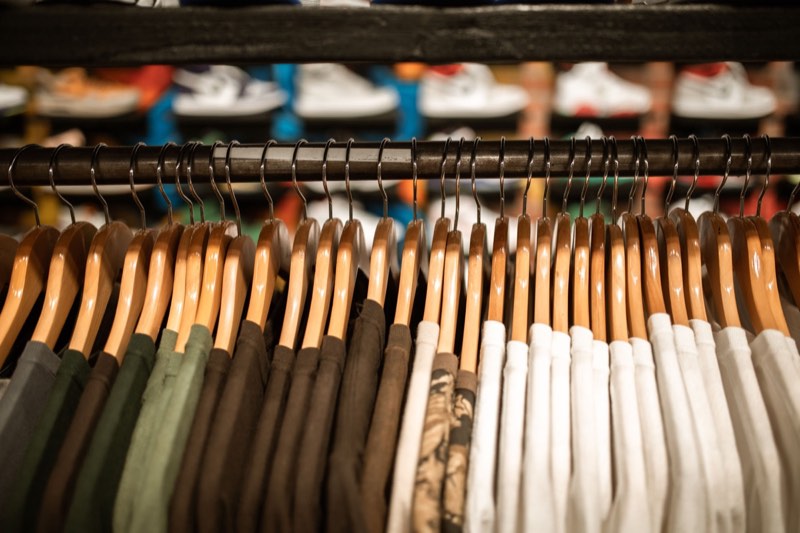
Illustrative stock clothing; not Vital Hemp garments or verified hemp textiles. Photo: Kate L / Pexels.



 Cannabis2 weeks ago

 Cannabis2 weeks ago

 Cannabis2 weeks ago


 Cannabis2 weeks ago

 Cannabis2 weeks ago

 Cannabis2 weeks ago

 Cannabis2 weeks ago