#cannabisaficionado

Fashion

New York’s Textile Grants Put Hemp Processing on the Fashion Agenda

The latest Fashion Innovation Center funding round connects hemp and flax processing with the practical work of making regional textiles.

Published

on

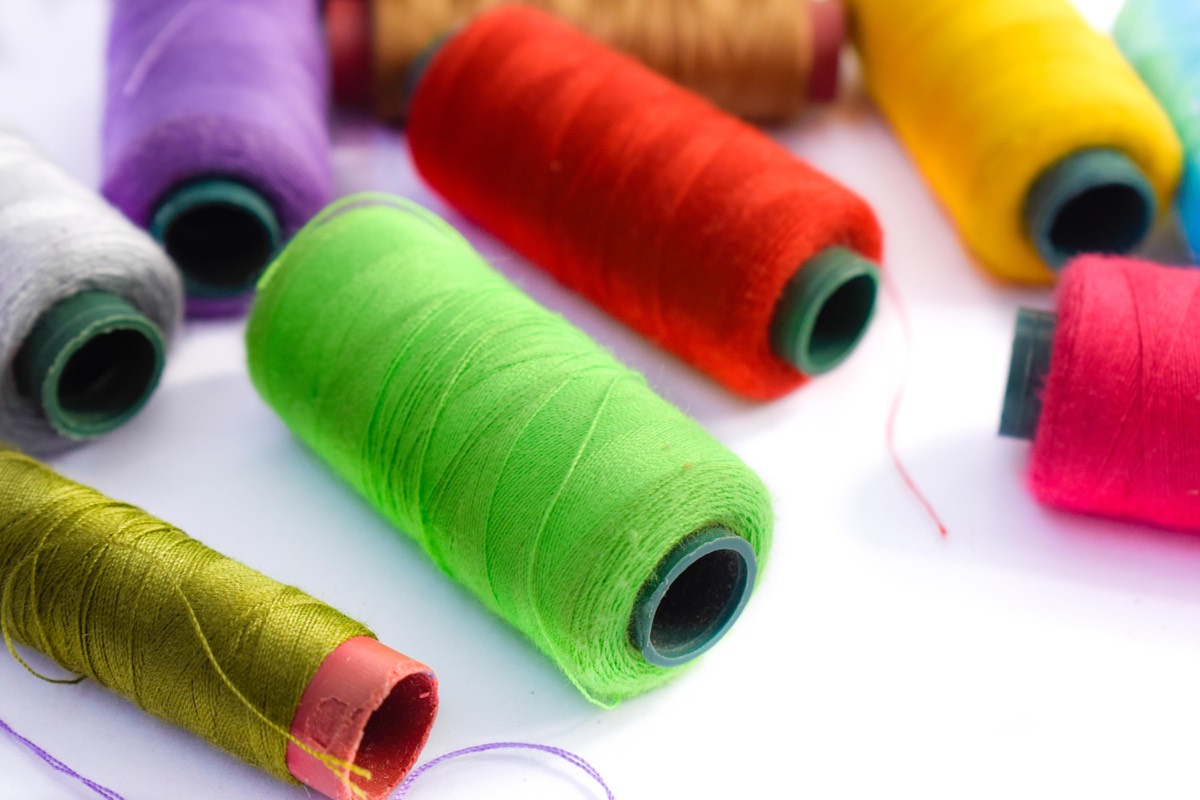
Spools of green, red, purple, yellow and pink sewing thread
Advertisement Back2Grow Advertisement

The New York Fashion Innovation Center has opened its fifth and final scheduled round of Sustainable Textile Innovation Grants, offering up to $10,000 per recipient. Applications close January 6, 2027, at 11:59 p.m. Eastern, according to the center’s current grants page, with awards expected in early spring.

For cannabis-culture readers, the connection is more substantial than a leaf printed on a sweatshirt. One priority explicitly targets processing New York-grown hemp and flax for textiles. It focuses on turning harvested stalks into usable material—a practical step between growing a fiber crop and making clothing, accessories or home goods.

The hemp opportunity is in the processing

The center’s special-focus track includes decortication and degumming of bast fibers. Its description calls for ways to separate fiber from plant stalks and remove natural binders before spinning. It also identifies small regional, distributed and cooperative processing models, rather than assuming every project must start with a large centralized mill.

The call specifically mentions preserving long-staple fiber greater than three inches and piloting processes that move New York-grown fibers toward woven and nonwoven applications. Those are project priorities, not claims that every hemp fabric on a store shelf already meets a particular standard. Applicants need to explain what their own process would accomplish and how they would measure it.

This makes an equipment or processing proposal as relevant to fashion as a finished garment. A designer may have a promising material idea but still need a reliable intermediate product. A mill may understand its machinery but need a clearer route to customers. The grant framework provides room to address those links, rather than treating a compelling concept as a complete supply chain.

Two tracks, with room beyond hemp

Applicants can choose general-topic or special-focus funding. The general track covers cultivation and processing, new biomaterials and manufacturing, supply-chain infrastructure, yarn and textile development, and finished fashion or interior-design uses. The center says basic science research will not be funded.

The special-focus priorities extend beyond bast fibers. They include hands-on introductions to next-generation biomaterials, wool quality and farmer readiness, accessible technology for fiber sorting, and environmental or regenerative wool systems. Projects are expected to produce practical, measurable results that could be repeated or expanded in New York.

A hemp project should therefore compete on the work it proposes, rather than assume the crop’s name is enough. A useful application would identify the material going in, the process being tested, the output expected and the people who could use that output. Those questions connect a technical experiment to a designer’s or manufacturer’s actual needs.

Who can apply?

The current eligibility language welcomes New York-based businesses and organizations, including farmers, researchers, manufacturers, designers, brands, retailers and educators. Projects should take place primarily in the state, and applicants must apply through an eligible entity. Each applicant may submit one application per round; collaborative projects remain capped at $10,000.

The center’s FAQ adds an important qualification about sourcing. Substantial use of New York materials is viewed favorably, but an emerging material without an established local supply chain may still fit if there is a large New York manufacturing component. Applicants should read the specific call alongside that broader explanation, particularly where a priority expressly requests New York-grown fiber.

Nonprofits may apply if they meet the state-presence requirement. The FAQ also advises proposals to arrive with adequate partnerships rather than depend entirely on introductions made after an award. Funding can support a collaborative project, but it does not replace the preparation needed to make that collaboration work.

Earlier awards show what the center means

The September round-four awardees include Adrienne Carlile of Flax Fiber Farm in Cochecton. The listed project adapts small-scale mill equipment to spin New York-grown flax and hemp into four prototype bast-fiber yarns. It is a concrete example of the processing gap the new call addresses, rather than evidence that the prototypes have already become commercial products.

Other listed work includes wool-derived fibers, reclaimed-textile apparel, regional blankets and a mycelium-based acoustic wall system incorporating hemp and agricultural byproducts. The range shows why this story belongs in fashion coverage: material innovation also happens in mills, farms and interiors, before a new collection reaches a runway.

Put the application dates in context

A virtual question-and-answer session is scheduled for Monday, November 9, from noon to 1 p.m. Eastern. That is 10 to 11 a.m. in Phoenix. Use it to clarify eligibility, application requirements and the selection process before the January deadline.

The center calls this its final scheduled round of these sustainable-textile grants; that does not mean all future funding ends. Its grants page separately anticipates adaptive-fashion applications in January 2027. For now, the immediate opportunity is specific: propose useful work, show its New York connection and explain how a material can move closer to a viable textile.

Illustrative stock textile photograph; not hemp yarn or an NYFIC-funded project. Photo: syamhari syamhari / Pexels.

Fashion

Sundae School’s Fall Layers Put Cannabis Culture Into the Details

The cannabis and smokewear label carries its identity through reversible fleece, hanbok-inspired closures and a puffer with a signature sleeve stash pocket.

Published

on

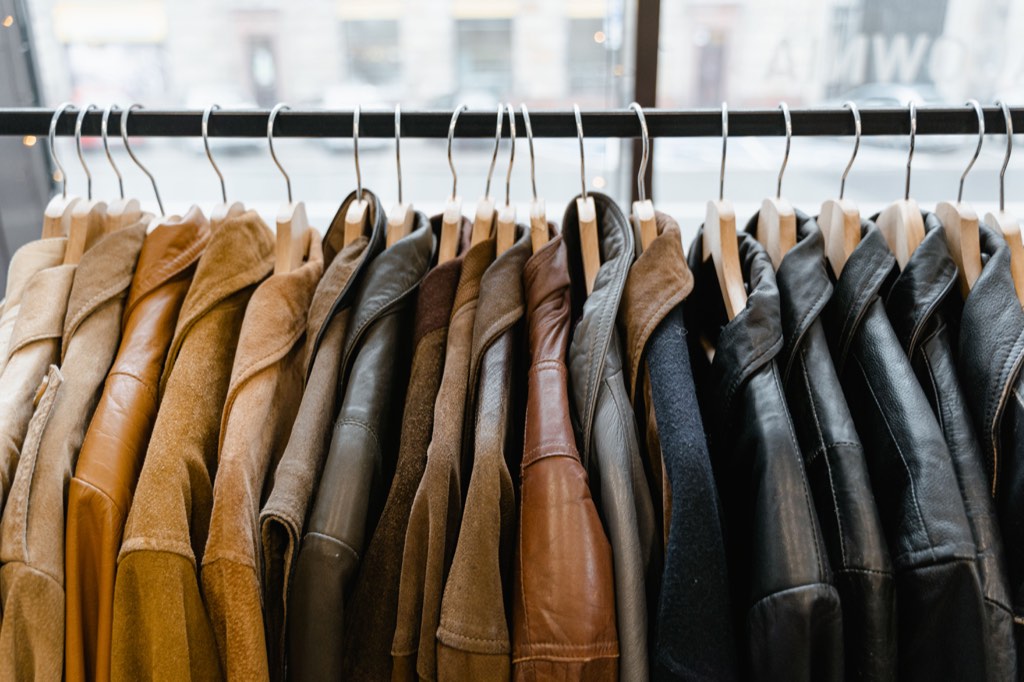
Leather and suede jackets hanging on a clothing rack

Sundae School’s fall outerwear is entering the shipping window advertised for several of its 2026 pieces, giving cannabis fashion readers a timely reason to look beyond the leaf graphic. The label’s current assortment puts reversible fleece, Korean-inspired closures and practical pockets at the center of its colder-weather wardrobe.

The cannabis connection is explicit in the brand’s own identity. Its About page describes Sundae School as both a craft cannabis brand and a smokewear label, with roots in Seoul and California. Here, that identity appears in garment details and cultural references; it is not a claim that wearing the clothing produces an effect or that the fabrics contain hemp.

Read the calendar before the price banner

The Fall Enrollment page presents the collection through an academic-calendar theme. Its discount periods ran from September 22 through October 11. Those dates are past, even if an older product recommendation still displays a percentage reduction. A shopper should use the current individual product page and checkout price rather than assume a September offer remains available.

The assortment also has different fulfillment windows. Some fleece listings point to late October or early November, while heavier puffers carry November estimates. This is a look at the current fall range, not an announcement that every style launches today or has already reached customers. A preorder is a reservation with a timetable, not proof of immediate stock.

Two sides of the Jeogori fleece

The Olive Reversible Flower Quilted Jeogori Fleece is listed at $295. Sundae School describes a flower-quilted face with fabric ties and a button, paired with a faux-sherpa side using a zipper. Its mock neck and asymmetric arrangement reference the Korean jeogori, making construction part of the visual story.

The material listing identifies polyester rather than hemp. That distinction matters when reading cannabis-associated fashion: a brand’s relationship to the plant does not establish the fiber content of every garment. Here, the relevant comparison is between a quilted surface and a fleece surface, with different pocket arrangements on the two sides.

For styling, consider what each face would add to clothes already in rotation. The quilted side can supply pattern over a plain tee, while the fleece side changes the texture without requiring another jacket. That is an editorial way to assess versatility, rather than a durability or warmth claim based on testing.

One useful comparison is the total shape rather than the number of advertised features. A mock neck worn open frames a tee differently from a zipped collar, and a tie closure changes the front of an outfit. Look at both configurations in the product photographs before choosing a size; a reversible design is most useful when both sides suit the wearer.

Gostop brings another reversible option

The Plum Reversible Gostop Fleece lists a $300 price and a printed hwatu graphic on its sherpa side, with a nylon shell on the reverse. Pockets appear on both sides. The product combines a more expressive face with a comparatively quiet alternative, giving a wearer a choice within one silhouette.

There is a timing inconsistency worth noticing. The page headline points to late October–early November, while a lower preorder note still refers to early–mid October. Ask the label to confirm the current dispatch estimate before buying for a particular date. Repeating the earlier note as a guaranteed arrival would give readers more certainty than the listing supports.

Compare the size guide and measurements as carefully as the colors. Reversibility can be useful, but it does not make every cut interchangeable. Think about the layer underneath, the room needed through the shoulders and how either side works with trousers already owned.

The puffer makes the smoking reference concrete

The Charcoal Heavyweight Mochi Puffer includes a signature sleeve stash pocket and Korean logo details among its listed features. The brand also describes an asymmetric tie-and-zip closure, sleeve quilting and a hood that can serve as a collar. These are tangible design references within a cannabis-connected label, rather than a celebrity endorsement inferred from a campaign.

Its materials are listed as a nylon shell and lining with 90 percent duck down and 10 percent duck feather fill. The page says the preorder is expected to ship in mid-to-late November. Neither a pocket’s name nor the brand’s identity overrides a venue’s entry rules or establishes what may legally be carried inside it.

Our earlier cannabis-inspired fashion coverage explored how the category can extend beyond novelty graphics. This fall range offers a specific example: cultural references, storage and reversible styling can carry that identity while the garment still has to earn its place in an everyday wardrobe.

Illustrative stock clothing photograph; not Sundae School garments or a Sundae School store. Photo: MART PRODUCTION / Pexels.

Continue Reading

Fashion

Kith’s Winter Launch Puts Layers, Boots and a New Partnership in Focus

Kith’s winter release pairs a first collaboration with SEVEN BY SEVEN with returning footwear partners and a broad range of seasonal layers.

Published

on

Clothing hanging on a rack behind a shop window

Kith’s Winter 2026 collection arrives October 30 with enough distinct parts to reward a closer look before the shopping begins. A first partnership with Japanese brand SEVEN BY SEVEN sits alongside seasonal clothing, a new Palette Program and footwear collaborations with adidas Originals, Timberland and Clarks Originals.

The release is a useful snapshot of how a streetwear label builds a wider wardrobe. Rather than one headline shoe carrying the whole launch, Kith is linking outerwear, knitwear, tailoring and accessories through materials and color. The interesting question is which pieces have a purpose beyond completing a campaign outfit.

Cannabis culture beyond the leaf logo

For a cannabis wardrobe, personal style can extend beyond explicit weed graphics. Our look at cannabis-inspired fashion explores that relationship between the plant and what people wear. Kith’s collection offers a complementary styling idea: layer a favorite cannabis-label tee beneath a textured jacket, rather than build an entire outfit around a slogan. That is an editorial pairing, not a claim that this Kith release contains cannabis products, hemp fabrics or a cannabis-brand collaboration.

A new partner and a familiar setting

Kith’s campaign announcement identifies SEVEN BY SEVEN as a first-time collaborator. It describes a capsule featuring washed Japanese indigo and antique-finished suede, with knitwear, trousers and accessories alongside the outerwear. These are the brand’s descriptions of construction and finish, rather than findings from independent product testing.

The campaign features Kit Harington in the English countryside. That setting reinforces the collection’s layering theme without proving the clothes are specialized outdoor equipment. An appealing country-house photograph and a jacket’s actual suitability for rain, cold or daily commuting are different kinds of information.

For readers, the collaboration’s value is easier to assess by starting with the garment category. A suede outer layer, an indigo piece and a knit each fill different needs. Buying according to an existing wardrobe leaves more room for personal style than trying to recreate every element of a styled image.

Outerwear offers different kinds of flexibility

The official collection breakdown introduces the Westley Convertible Puffer with removable sleeves, allowing it to become a vest. It also lists the hoodless Aryn Puffer and returning puffer shapes in new fabrications. Those details make the outerwear assortment more varied than a single winter-coat proposition.

The same overview includes the Wax Cotton Darcy Cropped Hunting Jacket, a Microsuede Bonded Flannel Harrington and a Reversible Knit Jaysen Bomber. Suiting and coordinating trousers broaden the range further. The practical comparison is between shapes and uses: a shorter jacket, a removable-sleeve layer and a tailored coat do not solve the same dressing problem.

Kith’s Palette Program applies named seasonal colors to familiar silhouettes, including hoodies, crewnecks and tees. A coordinated palette can make combinations easier to visualize, but it is not a reason to buy matching pieces automatically. Contrast with existing denim or an older coat may be more interesting than a complete new set.

Timberland revisits an earlier idea

The Ronnie Fieg for Timberland announcement places three boot styles in the winter release. The Wheat 6-Inch Shearling 40 Below revisits a design first introduced by Fieg in 2013, combining the familiar six-inch format with references to Timberland’s 40 Below Super Boot.

Kith specifies waterproof nubuck, a black quilted leather collar, shearling lining and a Vibram sole for that Wheat model. The range also includes a Wild Dove 40 Below Shearling Super Boot and a Burgundy classic 6-Inch Boot. Material descriptions offer something concrete to compare, but fit and the full product-care instructions still matter before committing.

These boots show a different route through collaboration than adding a conspicuous logo to an unchanged object. Revisiting an earlier hybrid design creates a conversation with the partnership’s own history. Whether that is compelling enough for a purchase depends on the individual boot, rather than the anniversary story alone.

The adidas dates need a separate check

Kith’s adidas Originals release note lists five main styles: Nizza, Attitude, Adilette, Stan Smith One Piece and Superstar. Leather and suede treatments carry the winter palette into footwear. The range spans a slide, lower-profile shoes and basketball-derived high tops, offering different proportions rather than one interchangeable option.

The Superstar treatment is particularly specific: Kith describes a suede-wrapped toe and tonal gum outsole, while the Stan Smith One Piece uses a cleaner upper with restrained branding. Looking at those construction differences helps a shopper choose between familiar names, instead of assuming the same material label produces the same visual effect.

There is an important calendar distinction. The main collection is dated October 30, while Kith Women for adidas Originals is set for November 6 with Kith Women Winter 2026. The latter includes the Stan Smith Ballet. Not every item appearing in the same announcement is part of Friday’s release.

Kith gives 11 a.m. New York time for the US online launch, which is 8 a.m. in Phoenix on October 30. Regional releases use local schedules, and individual availability can change. Our Auralee and Tekla coverage explores another material-led winter collection; here, Kith’s strongest invitation is to compare distinct pieces carefully rather than treat the drop as a single purchase.

Illustrative stock retail photograph; not Kith clothing or a Kith store. Photo: Ja Kubislav / Pexels.

Continue Reading

Fashion

Auralee and Tekla Bring Winter Style Home

The second Auralee and Tekla collection connects winter layers with the comforts of home, from wool-cashmere knitwear to flannel sleepwear.

Published

on

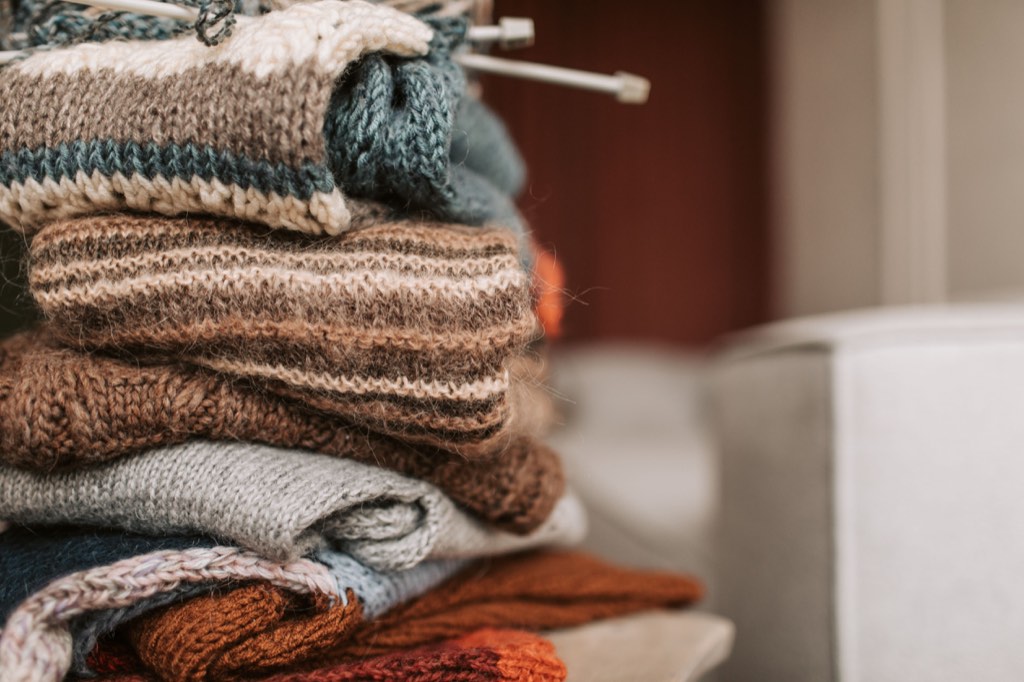
Folded knitted garments with knitting needles resting on top

Auralee and Tekla’s second collaboration arrived on October 28 with an idea that extends beyond getting dressed: winter style can connect the clothes worn outside with the things waiting at home. The limited collection brings together knitwear, sleepwear, slippers and home textiles, giving fabric enthusiasts a new release to examine without another sneaker countdown.

In its official announcement, Auralee frames the partnership around cold-weather dressing and Scandinavian outdoor living. The appeal is the relationship between those settings. A sweater, a pair of sleepwear trousers and a blanket occupy different parts of the day, yet they can share the same attention to texture, proportion and color.

A collection built around transitions

The range includes clothing as well as bedding and accessories. That makes it worth approaching as separate pieces rather than a complete lifestyle purchase. Someone interested in knitwear may have little need for coordinated bed linen; someone updating a room may find the home pieces more compelling than another seasonal layer.

Wallpaper’s October 28 reporting and interviews describe ribbed sweaters and cardigans, checked flannel sleepwear, two-tone shearling slippers and striped lambswool blankets. The magazine also highlights pale, muted tones alongside a stronger blue in the socks. Together, those choices suggest a collection that uses contrast through materials and small accents rather than large graphics.

That is a useful distinction in a collaboration-heavy fashion calendar. The central question here is how pieces work together and feel in ordinary use. Campaign styling can offer a starting point, but the better test for a prospective buyer is whether one item fits the wardrobe or room already in place.

What the official product pages establish

Auralee’s cardigan page describes an original yarn combining Mongolian cashmere with ultra-fine Super 120’s wool. The brand says the dense rib construction balances firmness with a softer texture. Those are the manufacturer’s descriptions; they do not substitute for handling the garment or establish how it will wear over several seasons.

The page identifies Soil Brown and Forest Green options. For shoppers comparing knitwear, the practical questions are fit, layering room and care requirements. A product name containing cashmere is only the beginning of that assessment. Measurements and the full material and care information deserve as much attention as the photographs.

The US-facing official assortment, checked October 29, lists the cardigan at $790 and the knit pullover at $600, with duties and taxes included. Arm and neck warmers are listed at $280 each. These are the displayed prices for that storefront, rather than universal prices across currencies or retailers.

The same listing shows a flannel sleepwear shirt at $400 and trousers at $325. Shearling home slippers are $540, while cotton socks are $55. At these prices, selecting a single useful piece is a more considered approach than treating the release as a set to collect. Stock and sizes can change after the initial launch.

The sleepwear shirt’s own product description adds another construction detail: its organic cotton check was developed with Tekla and brushed on both sides. Auralee describes a relaxed silhouette, with the color named Dawn Checks. That gives buyers something more concrete to compare than a general promise of coziness. A brushed flannel shirt and a densely knitted cardigan solve different dressing needs, even when presented in the same campaign. The choice starts with which one would actually be worn.

The partnership has an earlier chapter

Tekla’s interview with Auralee founder Ryota Iwai about their first collaboration provides helpful background. That earlier project drew on returning from an onsen, with towels, sleepwear and outer layers conceived around the movement between bathing and rest. It establishes a continuing interest in comfort and daily rituals, rather than a new theme invented for this release.

The winter collection changes the setting while retaining that connection between clothing and surroundings. Its strongest idea is straightforward: the same curiosity applied to a well-made jacket can apply to the textiles used every evening. That does not require replacing everything. Comparing a garment’s construction with something already owned may be the most useful response to the launch.

Where to look before buying

Auralee names both brands’ online stores and selected international retailers in its release information. The North American list includes Mohawk General Store, Ven Space and Neighbour. A listed stockist is a place to check, not a guarantee that every piece or size remains available.

For another view of how a collaboration expands beyond its headline product, our Wales Bonner and adidas collection coverage follows footwear into clothing and accessories. Auralee and Tekla take that broader approach into the home, making this week’s fashion conversation as much about everyday surroundings as the next outfit.

Illustrative stock knitwear photograph; not pieces from the Auralee and Tekla collection. Photo: Vlada Karpovich / Pexels.

Continue Reading

Trending

Join The Cannabis Aficionado Community!
Join the Cannabis Aficionado community and receive all of the most relevant news geared towards our sophisticated enthusiast community.
Loading

Copyright ©️ 2026 Cannabis Aficionado. Cannabis Aficionado is a registered trademark of CNM Inc. All rights reserved. Registration on or use of this site constitutes acceptance of our Terms of Service, Privacy Policy and Cookies Policy. People may receive compensation for some links to products and services. Offers may be subject to change without notice.