#cannabisaficionado

Cannabis

Sanctuary Plans a Halloween Grand Opening in Saugus, With a Clear No-Consumption Rule

The North Shore dispensary will mark its grand opening with a ribbon cutting and an adults-only Halloween event at 181 Broadway.

Published

on

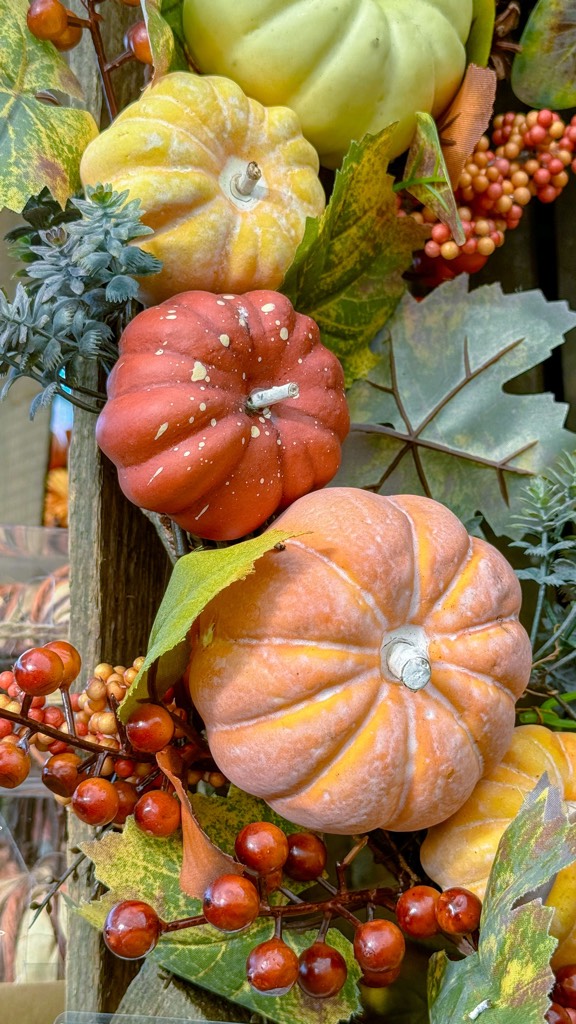
Orange pumpkins and colorful autumn leaves in a seasonal display
Advertisement Back2Grow Advertisement

Sanctuary Medicinals is planning a Halloween-themed grand-opening celebration in Saugus on Friday, October 30, with local vendors, food and entertainment at its adult-use dispensary. The event gives North Shore residents a date to visit the new location, but the organizer is explicit about one boundary: no cannabis consumption is allowed on the property.

According to the company’s October 26 announcement, a ribbon cutting with the Greater Lynn Chamber of Commerce is scheduled for 2:30 p.m. at 181 Broadway. The main celebration runs from 3 p.m. to 9 p.m. The company requires attendees to be at least 21 and bring valid government-issued identification.

A celebration date, rather than a first-sales claim

Sanctuary describes the event as its Saugus grand opening. Its announcement also acknowledges the welcome the business has already received, and the company already lists regular hours for the location. The available information does not establish October 30 as the first day customers can make a purchase.

That distinction is useful for anyone planning a visit. The ribbon cutting and evening program mark a public celebration, while routine store operations have their own timetable. Readers should use the event hours when deciding when to arrive for the planned activities.

Sanctuary says it has joined the Greater Lynn Chamber and presents the occasion as an opportunity to connect with local businesses and residents. The announcement places Saugus alongside its Massachusetts locations in Gardner, Danvers and Woburn.

What the organizer says is planned

The organizer’s Eventbrite listing describes food, local vendors, pop-ups, giveaways and entertainment. It also mentions carnival-inspired attractions, caricature art and performances, giving the evening a broader program than a ribbon-cutting photo opportunity alone.

These are advertised plans for a future event. They are not a report that the activities have already happened, and the listing does not provide a complete vendor roster or detailed performance schedule. Anyone coming specifically for one attraction should check with the organizer before setting out.

Eventbrite lists the same Broadway address and the six-hour, 3-to-9 p.m. program. It repeats both the 21-plus restriction and the property-wide prohibition on consumption. The company’s announcement directs guests there to RSVP, so it is the appropriate place to check for organizer updates.

What to know about the store

Sanctuary’s Saugus location page identifies the shop as adult-use and lists regular hours of 8 a.m. to 11 p.m. daily. It describes an assortment including flower, edibles, vapes and concentrates, with a link to its local menu.

A category list is not a promise that a particular product, cultivar or format will be available during the celebration. Checking the current menu and contacting the store about specific availability will be more useful than assuming every item mentioned in general company materials is in stock.

The location page lists 978-243-2400 as the store’s telephone number. That provides a direct way to clarify practical questions about the event or routine shopping, especially where the announcement does not specify details such as parking arrangements or individual attractions.

Retail events and consumption venues have different rules

The Massachusetts Cannabis Control Commission’s license overview distinguishes retail sales from the separately defined social-consumption business types. An invitation to a dispensary celebration should not be interpreted as permission to open and use a purchase there.

For this particular event, there is no ambiguity to resolve: Sanctuary’s own materials prohibit consumption. Food trucks and Halloween entertainment do not change that instruction, and a dispensary setting does not turn the gathering into an advertised cannabis sampling session.

The Commission’s consumer guidance also says adults visiting from another state may purchase at adult-use retailers with qualifying identification, but cannot take cannabis across state lines. It cautions against public consumption and driving under the influence, and advises keeping cannabis closed and appropriately stored while traveling.

Visitors staying overnight should also check their accommodation’s cannabis policy, as the Commission recommends. Being old enough to buy a product does not establish permission to use it at a hotel, rental property or public gathering. Those arrangements are best clarified before making plans.

Plan around the event, then check for changes

The most useful itinerary is the one the organizer has actually provided: October 30 at 181 Broadway, a 2:30 p.m. ribbon cutting, and festivities from 3 p.m. until 9 p.m. Bring identification and confirm any last-minute details through the store or event listing.

For readers interested in the local cannabis community, the draw is a chance to meet the team and see the business in its neighborhood setting. Product availability, event attractions and attendance remain things to check, rather than outcomes a grand-opening announcement can guarantee in advance.

Illustrative stock autumn display; not Sanctuary’s Saugus location or its planned event. Photo: Damir K / Pexels.

Cannabis

Grön Launches Pearls in Massachusetts, New Mexico and Washington

Grön announces Pearls in Massachusetts, New Mexico and Washington. Shoppers should confirm local stock, cannabinoid amounts and serving information.

Published

on

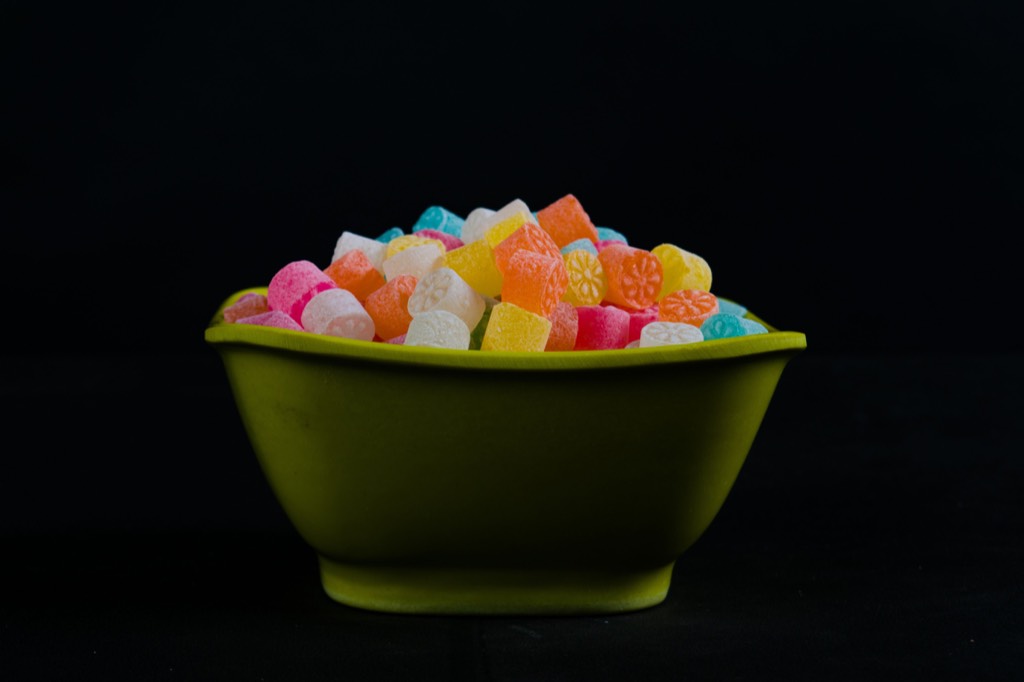
Colorful gummy candies in a green bowl against a dark background

Grön says its Pearls cannabis edibles have launched in Massachusetts, New Mexico and Washington, extending the brand into three more state markets. For shoppers, the October 27 announcement means another familiar national name may appear on local dispensary menus, but the specific package and retailer still matter more than the expansion headline.

In its company announcement, the Oregon-based brand said the rollout includes its Daytime, Nighttime and Anytime collections. These use different ratios of THC and cannabinoids such as CBD, CBC, CBG and CBN. The company described availability as immediate through dispensaries in the three states.

The expansion follows a September rollout into California, Colorado, Michigan and Nevada. Grön credits distribution support from parent company Wyld, which it says purchased the brand in December 2025. Those are company accounts of the rollout. This announcement does not establish that every dispensary carries every flavor, ratio or package.

A rollout can arrive in stages

The brand’s September 1 announcement provides an example of how it has approached expansion. For those earlier four markets, Grön described an initial offering of seven Pearls flavors and ratios, with its larger MEGA format expected later. That was a plan for the September markets, not a confirmed assortment for today’s three additions.

The distinction matters when comparing menus across state lines. Seeing a format in one market does not establish that it has launched in another, even when the brand name is the same.

Read the package before choosing the collection

The collections’ names are a way to organize a menu, not a substitute for checking the actual cannabinoid amounts. A shopper comparing two packages should distinguish the amount of THC in each serving from the total in the container, then check the other listed ingredients and cannabinoids.

That approach is consistent with New York’s consumer guidance, which encourages people to examine potency, extract type and product form when considering effects. The agency also explains that regulated products link to a certificate of analysis showing laboratory results.

Although that guidance is written for New York, the basic comparison is useful here: an attractive collection name does not identify the dose in the package being purchased. Nor should a retailer’s description be read as proof that a particular edible will treat a health condition or produce the same response in every person.

Our recent coverage of an Ontario labeling recall shows why the distinction between THC and CBD values deserves attention. That was a separate product and manufacturer; there is no connection to this Grön announcement. It illustrates the importance of readable, accurate package information.

Availability still depends on the local retailer

Massachusetts buyers can use the Cannabis Control Commission’s licensed-business directory to identify adult-use retailers, medical treatment centers and delivery businesses. Adult-use purchasing is for people 21 and older, with separate provisions for the medical program.

The commission notes that a delivery company appearing near a searched address does not necessarily serve that address. Customers should check the business’s own service area and product offerings. The same practical step applies to a new brand arrival: verify the menu before making a trip or assuming delivery availability.

New Mexico’s Cannabis Control Division FAQ likewise distinguishes adult-use transactions from medical purchases. Adult-use sales require customers to be at least 21 and have their age and identity verified with valid identification; adult-use purchases are subject to cannabis excise tax.

The FAQ lists separate purchase limits for flower, concentrate and edibles, including an 800-milligram edible limit for adult-use consumers. A legal purchase maximum is not a suggested serving. Buying a container and choosing how much to consume are different decisions, and a package may contain multiple servings.

New flavors do not change edible timing

Washington’s Liquor and Cannabis Board guidance places ingested products, including edibles, capsules and drinks, in a slower-onset group. Its chart gives a general onset range of one to four hours and duration of four to 12 hours, compared with a faster onset for inhaled products.

Those are guidelines rather than a prediction for a specific person or a test of Pearls. They explain why judging an edible too quickly can be misleading. A new brand on the shelf does not remove the need to understand the form, strength and expected timing of the product.

The launch is a concrete distribution development, with three states named and a defined product family. The useful next step for an interested shopper is local: find a licensed seller, confirm which products have arrived and read the package in front of you. Brand familiarity can help someone navigate a crowded menu, but it cannot replace that final check.

Illustrative stock confectionery; these are not Grön products and are not identified as cannabis-infused. Photo: Akshat Soni / Pexels.

Continue Reading

Cannabis

Safe Harbor Proposes a Media Combination While Keeping Its Cannabis Finance Platform

A nonbinding proposal would put cannabis financial services and creator-economy media under one parent, with approvals and financing still ahead.

Published

on

Glass office buildings viewed from below against a pale sky

Safe Harbor Financial is exploring a combination that would put its cannabis financial-services business alongside a creator-economy media company. The October 26 announcement concerns a nonbinding term sheet with Opifex Media, giving cannabis operators a proposed corporate change to watch rather than a completed merger.

According to the announcement filed with the SEC, Opifex would become a subsidiary of SHF Holdings, which operates as Safe Harbor. The proposed parent would contain two distinct businesses. Safe Harbor says its cannabis platform and service to financial-institution partners would continue without interruption.

The outline contemplates approximately 85 percent ownership for Opifex stakeholders and 15 percent for existing Safe Harbor stakeholders before a closing financing and incentive reserve. Those are proposed terms, not final ownership outcomes. Definitive documentation, due diligence, financing, stockholder and Nasdaq approvals remain among the conditions. The parties are targeting completion before April 19, 2027; neither is obligated to complete the transaction.

The exchange deadline explains part of the timing

A separate October 20 company disclosure provides the listing context. Safe Harbor said Nasdaq granted it a second 180-day period, ending April 19, 2027, to regain compliance with the exchange’s minimum bid-price requirement.

The original notice arrived April 22, with an initial deadline of October 19. The extension had no immediate effect on trading, and the shares continued under SHFS on the Nasdaq Capital Market. According to the company, a closing bid of at least $1 for a minimum of 10 consecutive business days during the additional period would allow Nasdaq to confirm compliance.

Safe Harbor had also notified Nasdaq that it intended to address the deficiency through a reverse stock split if necessary. That possibility concerns the company’s share structure. It should not be confused with a decision about whether a cannabis business can open an account or obtain a loan.

The overlap in dates makes the listing deadline relevant to the proposed combination. It does not establish that the merger will close, that Nasdaq has approved it, or that an extension alone solves every future listing requirement.

Client deposits are a different measure

Safe Harbor’s October 6 preliminary update reported a trailing 14-day average client deposit balance of approximately $119.3 million at September 30. That compared with $111.1 million a year earlier, an increase of 7.4 percent.

The metric averages aggregate end-of-day balances over 14 calendar days. Management says the approach smooths changes caused by clients’ payroll cycles. It is more specific than a claim that the platform simply has a particular amount of cash.

Crucially, these deposits are held at partner financial institutions and are their liabilities. They are not Safe Harbor’s deposits and do not appear on its consolidated balance sheet. Safe Harbor earns investment income on a portion under its partner arrangements; changes in client deposits do not necessarily produce proportional revenue changes.

Those figures were preliminary and had not been audited or reviewed by the company’s independent accountant. They were not comprehensive quarterly earnings. They therefore cannot establish the combined company’s future profitability or substitute for financial statements about either business.

What cannabis businesses should watch

The distinction between a service platform and the institution holding an account is especially relevant here. FinCEN’s marijuana-business banking guidance, issued in 2014, describes financial institutions’ responsibilities for customer due diligence. These include verifying state licensing, understanding expected activity, monitoring for suspicious transactions and periodically refreshing customer information.

Its due-diligence framework goes beyond obtaining a business name. It describes reviewing the state license application and related documents, seeking available information from licensing authorities, and understanding the products sold and customers served. Periodic updates and ongoing monitoring are part of that process. A broader corporate parent would not, by itself, supply those customer-specific records or answer an institution’s questions about an operator.

The guidance also leaves account decisions to individual institutions based on their business objectives, risks and ability to manage them. It is background for understanding the work involved in cannabis banking, rather than an approval of this proposed corporate transaction.

For an operator, a useful review of any eventual change would identify the institution holding the account, the services actually covered and any revised terms communicated to customers. A parent-company announcement does not answer all three questions. The relevant evidence would be the final documents and direct service notices, if changes occur.

For shareholders, the next concrete milestones are a definitive agreement, required disclosures and approvals. For cannabis clients, the immediate distinction is simpler: Safe Harbor has announced a possible new corporate structure while stating that service will continue. The completed transaction and its practical effects remain to be established.

Illustrative stock office buildings; not Safe Harbor or Opifex premises. Photo: Allen Boguslavsky / Pexels.

Continue Reading

Cannabis

New Review Questions What Indica and Sativa Labels Can Really Tell Shoppers

A new systematic review questions familiar menu categories and explains why measured chemistry and specific products deserve more attention.

Published

on

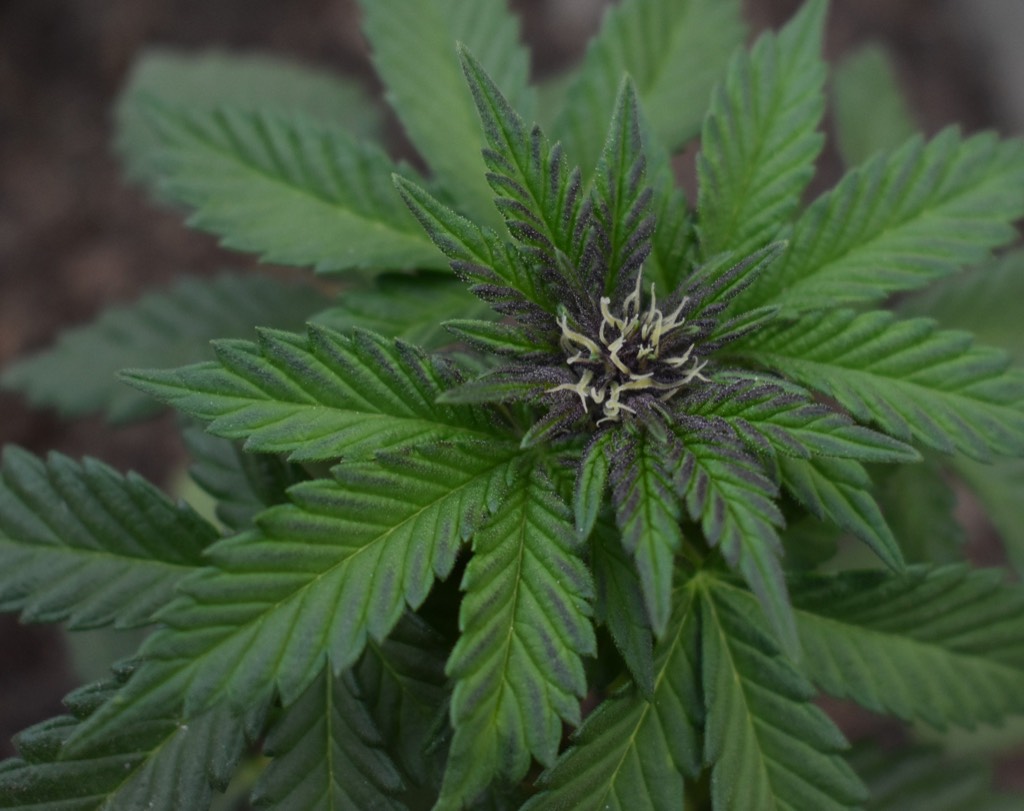
Green cannabis leaves surrounding a budding flower

The familiar indica, sativa and hybrid choices on a dispensary menu promise a useful shortcut. A new systematic review finds that those labels are not dependable guides to a product’s chemistry or therapeutic effects, adding fresh evidence to a question that matters whenever shoppers are choosing cannabis for a particular experience.

Published October 24 in the Journal of Cannabis Research, the review by Gabriel Zoobi and colleagues examined 28 peer-reviewed reports published between June 2011 and June 2026. Twelve concerned plants, products or composition databases; 15 involved human outcomes, and one examined marketed preparations in animals. The journal has released an accepted early version that remains subject to editing.

The authors found inconsistent relationships between commercial labels and human outcomes. Some associations appeared for selected effects, but studies varied in whether they accounted for THC content and other factors. Their conclusion favors measured chemistry, product form, route and dose over broad category promises. It also cautions that terpene evidence does not yet justify prescribing rules.

Chemical differences exist, but the categories miss them

Earlier primary research helps explain that result. A 2022 PLOS One study mapped almost 90,000 commercial flower samples across six U.S. states. Researchers found recognizable chemical groupings, yet indica, hybrid and sativa labels aligned poorly or inconsistently with the measured composition.

That finding does not mean every flower is chemically interchangeable. The study identified THC-dominant groups characterized by different combinations of major terpenes. It means the familiar menu categories did not reliably describe those differences.

Named cultivars performed somewhat better in that dataset: many names were more chemically consistent than random labeling would predict. However, consistency varied widely, including among products sharing a name. A recognizable name therefore provided imperfect information rather than a guarantee about what was inside every package.

The researchers also identified a measurement limitation. Samples came from separate state markets and different laboratories, whose methods were not necessarily standardized. Some regional differences could reflect testing practices as well as the plants themselves. This was a chemical mapping exercise, not a trial demonstrating that one category produces a particular mood.

Aroma associations are a narrower finding

A 2021 Nature Plants study offers a useful complication. Its analysis of 297 samples found that the sativa–indica scale poorly represented overall genetic and chemical variation, while identifying associations involving a small number of aroma-related terpenes and terpene-synthesis genes.

Those results help distinguish two questions often bundled together at the counter. A label might be associated with certain aromas in a particular collection without reliably describing the plant’s overall ancestry, its complete chemical profile or its effects in a person.

Finding a biological link to an aroma compound is therefore different from validating a universal daytime or bedtime recommendation. Moving between those claims requires human evidence that accounts for the actual preparation and how it was used.

Another plant study published in 2020 examined terpene profiles from 32 seed sources and found substantial variation both within and between groups carrying the same cultivar name. Detailed work on selected plants identified numerous terpene-synthase genes and differences in their expression. The research concerns how plants make their chemical mixtures; it does not establish a treatment for insomnia, anxiety or pain.

Consider two products with the same menu category but different measured THC amounts or different forms. The category alone cannot resolve that comparison. Checking the package gives the discussion a defined product and a measurable starting point. For people tracking a preferred cultivar, recording the producer and batch alongside the name is also more specific than assuming every item sold under that name is identical.

What to ask beyond indica or sativa

For shoppers, a practical next step is to ask what information can be checked on the actual product. New York’s Office of Cannabis Management consumer guidance, for example, points buyers toward cannabinoid amounts, extract type and product form. It also directs consumers to the certificate of analysis linked on regulated products.

A laboratory report can make composition more specific. It cannot tell an individual exactly how an experience will feel. Keeping those boundaries clear allows a budtender to discuss a product without turning a category label into a medical promise.

Our coverage of a New Zealand cannabis trial illustrates the separate work needed to study a defined preparation and patient outcome. That question is more precise than whether an entire commercial category is relaxing.

The new review leaves room for personal preferences and meaningful product differences. Its challenge is to the confidence of the shortcut: choosing a familiar category should begin a conversation about the specific product, rather than end it.

Illustrative stock cannabis photograph; not a specimen from the reviewed studies. Photo: Jave Lr / Pexels.

Continue Reading

Trending

Join The Cannabis Aficionado Community!
Join the Cannabis Aficionado community and receive all of the most relevant news geared towards our sophisticated enthusiast community.
Loading

Copyright ©️ 2026 Cannabis Aficionado. Cannabis Aficionado is a registered trademark of CNM Inc. All rights reserved. Registration on or use of this site constitutes acceptance of our Terms of Service, Privacy Policy and Cookies Policy. People may receive compensation for some links to products and services. Offers may be subject to change without notice.