#cannabisaficionado

Culture

No Super Bowl for Brock Ollie
Published

on

Brock Ollie
Advertisement Back2Grow Advertisement

With medicinal marijuana being legal in 37 states and recreational cannabis allowed in 18, we should be seeing commercials for companies, products, and services almost as frequently as commercials for sports betting, which is permitted in 30 states in some form.

However, mainstream cannabis advertising continues to be non-existent, as demonstrated in the recent news that NBC has rejected an ad by cannabis e-commerce and advertising platform Weedmaps from being shown during the Super Bowl LVI event his coming Sunday.

Weedmaps reportedly approached the network late last year about airing a Super Bowl commercial that would be “similar to a PSA,” according to reports. Execs volunteered to present some of their earlier educational-based programming, assuring NBC executives that it would not contain any direct-sell messages, which are still forbidden under federal law.

“The answer was a hard no — they wouldn’t even entertain the conversation,” Weedmaps Chief Operating Officer Juanjo Feijoo told Adweek. “We see ourselves as trying to be trailblazers in the industry and making new inroads where others haven’t gone before in cannabis advertising. So it was disappointing.”

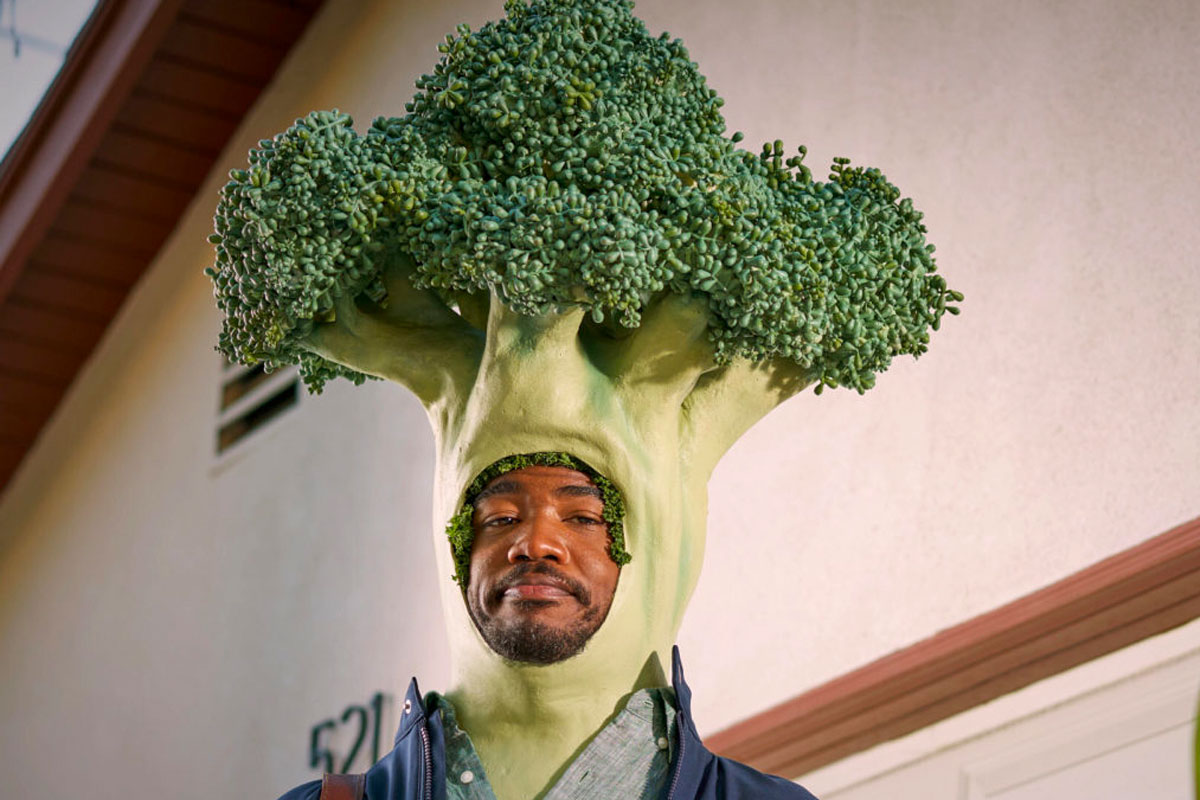
The contentious ad personifies cannabis as Brock Ollie, a head of broccoli, the veggie emoji commonly used as a visual representation of cannabis in marketing. The 30-second ad takes viewers through a day in the life of Brock Ollie, whose superfood identity is in jeopardy as he is repeatedly misidentified as cannabis. The ad offers a lighthearted take on the industry’s issues, such as social media censorship and a lack of clear advertising standards, which limit cannabis-related commercials during nationally televised events like the Super Bowl.

“Despite three quarters of the country having legalized cannabis and the bipartisan enthusiasm we continue to see in support for change at the federal level, the industry continues to face roadblocks that inhibit competition in the legal market and stifle opportunities to educate,” Chris Beals, CEO of Weedmaps said. “There’s an irony in the fact that the biggest night for advertising will feature an array of consumer brands in regulated industries, from beverage alcohol to sports betting, yet legal cannabis retailers, brands and businesses have been boxed out.”

The game between the Cincinnati Bengals and Los Angeles Rams will be played Sunday in L.A.

Cannabis

Section 781 Turns a Hemp Law Into a Cannabis Cultivar and Growers Challenge

Herbies and Blimburn have put a federal provision’s name on a new cannabis line, pairing three versions with a grow-diary competition.

Published

on

Rows of green cannabis plants inside a greenhouse

Cannabis names often borrow from food, music or geography. A new collaboration between Herbies Seeds and Blimburn Seeds takes a more bureaucratic route: Section 781. The line shares its name with a federal provision rewriting the definition of hemp, and its launch comes with a competition built around public grow diaries.

The announcement, published by Cannabis Business Times on October 23, was issued by the company on October 22. It describes three versions of the line and a challenge intended to follow participating plants from seed to harvest. This is a commercial launch with a political reference, rather than a new finding about how the genetics perform.

One name, three different records

The official project’s cultivar page lists Autoflower, Photoperiod and Fast Flowering entries. The records are not identical. They describe different growing timelines and different stated cannabinoid profiles, so a claim attached to one version should not automatically be applied to all three.

For example, the project lists 77–87 days from seed to harvest for the autoflowering version. Its photoperiod record instead lists a flowering period of 56–70 days. Those are different clocks: one begins at the seed stage, while the other describes a particular part of plant development. Putting the numbers beside each other without that distinction can make a comparison more confusing than useful.

The company’s announcement identifies OG Kush and Strawberry Diesel in the original version’s background. That is the breeder’s description of lineage. Cannabis Aficionado has not grown or independently tested these plants, and the announcement should not be read as our confirmation of a particular aroma, effect, yield or laboratory result.

For readers who follow genetics, the interesting part is the invitation to document variation. A diary can show what one grower observed in one setting. Several diaries may reveal a wider range of outcomes. Neither format automatically turns a branded launch into a controlled trial.

The competition is built around documentation

According to the challenge’s entry information, registration is open until December 30, 2026. Participants use the HarvestED platform to keep a diary, and only the Section 781 line is eligible. The published schedule gives different diary-completion dates for the three categories in spring 2027.

The project describes three principal categories, with three winners in each, plus a separate Best Looking Plant award. Its prize page identifies that additional award as limited to the United States and the photoperiod category. Prize availability and eligibility conditions deserve a direct reading; a promotional summary is not a substitute for the organizer’s current rules.

That matters because this is not simply a photo contest with an interchangeable plant in the frame. The challenge ties eligibility to a named commercial line and to records produced over time. Anyone considering it should distinguish the creative appeal of the project from its entry requirements and the laws applying where they live. This article does not establish anyone’s eligibility to purchase, cultivate or enter.

The posted completion schedule sets March 15, 2027 for Auto diaries, March 30 for Fast diaries and May 31 for Photoperiod diaries. Registration and diary completion are therefore separate deadlines. A reader following the project can watch whether entries document the full period promised, rather than judge the entire line from an attractive early photograph.

The distinction between observation and comparison is useful here. To evaluate two diaries, look for clearly identified versions, dates and conditions. A striking image alone does not tell a reader whether two plants were observed at comparable stages or whether their records answer the same question.

What the legal name actually refers to

Section 781 of Public Law 119-37 changes the statutory definition of hemp. Among its provisions is an exclusion concerning viable seeds from plants above a specified total-THC concentration, including THCA. The source plant is part of that wording, which makes the provision more specific than a general question about whether a seed itself contains much THC.

The statute’s name on a seed package does not certify that package’s legal status. Nor does a company’s reading of a provision resolve the separate questions of implementation, documentation, shipping or state law. The launch is best understood as a response to regulatory uncertainty, not a route around it.

That upstream focus also connects with New York’s new nursery licensing window, which addresses a different issue: how licensed businesses supply starting material inside a state-regulated market. Federal hemp definitions and state nursery permissions should not be treated as interchangeable authorizations.

A launch worth following through the diaries

Section 781 is an unusually literal example of cannabis branding absorbing the policy debate around the plant. The next useful evidence will be what the organizers publish, how the competition is administered and what the diaries actually document.

Until then, keep the categories separate: breeder claims, competition rules and legal requirements each answer a different question. The name may be memorable, but the records behind it will be more informative than the label alone.

Illustrative stock cultivation photograph; these plants are not identified as Section 781. Photo: CRYSTALWEED cannabis / Unsplash.

Continue Reading

Culture

VIBES X Kaya Herb House Collab Launches in Jamaica
Published

on

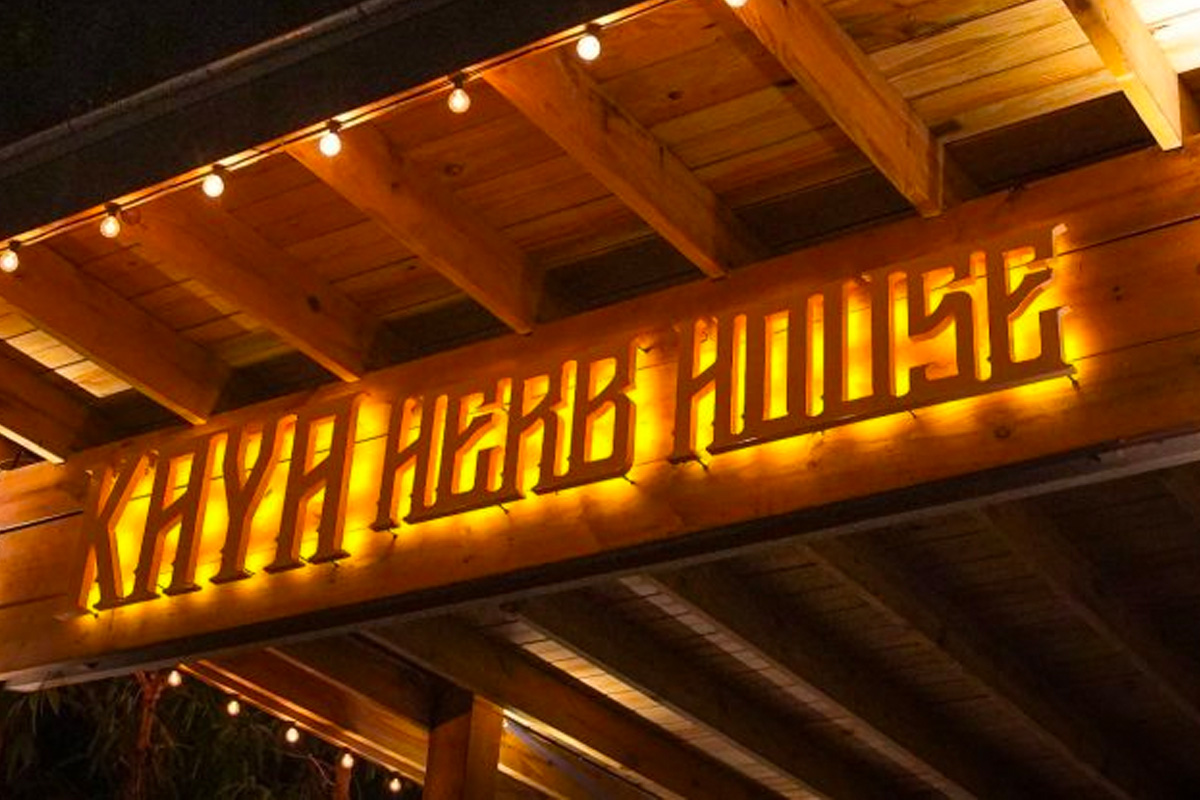
VIBES x Kaya Herb House
PHOTO | Chris Lewinson/BUZZ

Vibes, the rolling paper brand co-founded by entrepreneur and rapper Berner in collaboration with Gnln, announces a collaboration with the Kaya Herb House for the holidays. Featuring lifestyle goods and premium rolling papers, VIBES x Kaya Herb House furthers both brands’ missions to create the ultimate experience for connoisseurs.

VIBES x Kaya Herb House marks the first common project between the two brands, which have a shared goal of educating consumers on a premium smoking experience and creating meaningful experiences around the cannabis lifestyle.

The collection’s retro graphic pays homage to the Caribbean’s smuggler planes

The Kaya Herb House franchise was founded in Jamaica by “Bali” Vaswani, who had established Marley’s Estate coffee brand in the United States. VIBES x Kaya will be available at the Herb House in Kingston, Jamaica, which features the first medicinal Ganja herb house in the Caribbean and offers locally grown herbs and straight-from-the-farm extracts line as well as a taste of world-renowned cuisine and juices at the cafe and pizza restaurant.

“This marks another milestone for the VIBES brand. We are thrilled to partner with such an industry legend, together introducing an authentic experience to Jamaica and bringing attention to the history of the industry in the Caribbean,” says Vanessa Vanjari, Brand Manager of Vibes.
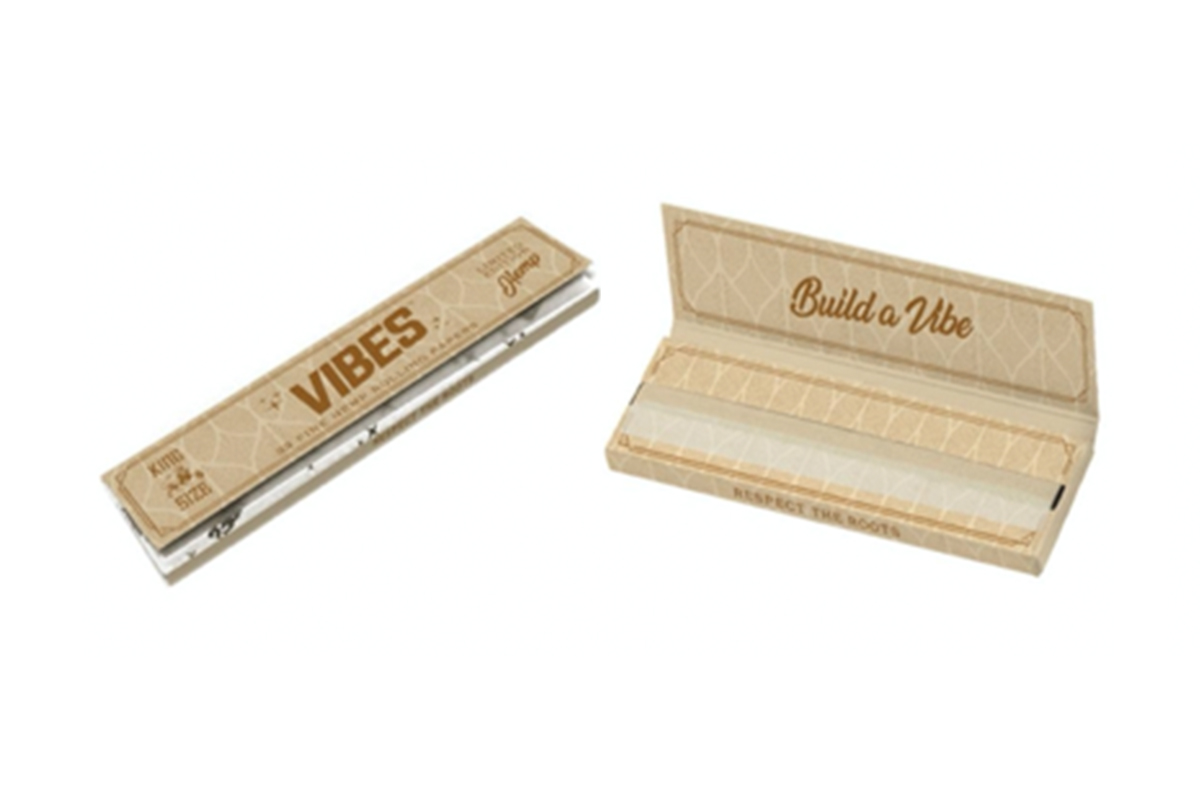
The collaboration features rolling papers, apparel, and accessories for the global wellness traveller, including co-branded hemp king size skinny booklets, tee shirts, and a pizza cutter. The slogan “Build a Vibe” is stamped on the VIBES x Kaya rolling papers, a play on both a popular Jamaican catchphrase and VIBES’ signature “Catch a Vibe.”

Each piece in the collection contains a retro graphic style of a plane that pays homage to the history of cannabis in the Caribbean when smugglers flew cannabis for the black market over the coasts of Jamaica and Florida. Smuggler planes would drop packages into the water, gaining the name “Square Grouper.”

VIBES x Kaya is a month-long collaboration that launches on December 17, 2021 at the Kaya Herb House in Kingston, Jamaica.

Continue Reading

Culture

Kate Hudson Gets High for the Holidaze In Cannabis Cocktail Commercial

Kate Hudson stars in an ad for Cann beverages—the first time an A-lister has been the face of a weed brand in a mainstream commercial.

Published

on

Kate Hudson Gets High

Cann, a California-based cannabis-infused beverage firm, has partnered up with actress Kate Hudson and her King St. Vodka brand for the holiday season. To coincide with the debut of their special bundle offering – Cann Unspiked and King St. Vodka, the trio just opened a holiday-themed campaign.

Hudson, an actor, producer, and investor in the THC-laced brand Cann, starring in a film that breaks new ground by including the popular “social tonic” as the main element in a joyful adult beverage. Hudson’s own brand, King St. Vodka, provides the alcohol in this cranberry sage-flavored cocktail. In the video, Hudson is joined by party guests Baron Davis, former NBA All-Star-turned-TNT commentator, and Darren Criss, Emmy-winning actor and singer.

Hudson and Davis play an unusual couple preparing for a sophisticated house party in the ad, which could be the first time a Hollywood A-lister has stepped up as the face of a cannabis brand in a mainstream commercial. In fact, the two have been friends for a long time and are both financial backers of Cann, as is Criss, who met Hudson on the set of Glee.

Hannah Lux Davis, known for her work with Ariana Grande, Doja Cat, Kacey Musgraves, and others, directed the star-studded holiday campaign and features music from Criss’ latest Christmas album.

According to Cann’s founder Luke Anderson, the goal of the collaborations and campaign is to show that cannabis has become mainstream enough that a celebrity like Hudson is happy to use and promote it.

“We’re equating cannabis with alcohol because at these 2-milligram levels it’s as mild as a light beer or a glass of wine,” Anderson told Adweek. “We’re saying they deserve to be on equal footing. And people have been DIY-ing this for a long time anyway.”

Continue Reading

Trending

Join The Cannabis Aficionado Community!
Join the Cannabis Aficionado community and receive all of the most relevant news geared towards our sophisticated enthusiast community.
Loading

Copyright ©️ 2026 Cannabis Aficionado. Cannabis Aficionado is a registered trademark of CNM Inc. All rights reserved. Registration on or use of this site constitutes acceptance of our Terms of Service, Privacy Policy and Cookies Policy. People may receive compensation for some links to products and services. Offers may be subject to change without notice.