#cannabisaficionado

Culture

How Cannabis Is Inspiring People to Help Save the World

Published

on

PHOTO | Germaican Hotel
Advertisement Back2Grow Advertisement

With climate change and greener, more eco-friendly solutions at the front of most people’s minds and cannabis more popular than ever before, it makes total sense to combine the two, right?

That’s what Marian Erbach, a German national living in Jamaica and owner of the Germaican Hotel, decided to do.

Frustrated by the plastic waste that often washed ashore and littered the sand at Long Beach Bay on the east coast of Jamaica, Erbach put up a sign offering one free “pure ganja no tobacco added” spliff for each bucket of trash someone brought him.

He rolled up 56 joints, each holding a gram of cannabis, and thirty only minutes later someone already had a full bucket to exchange.

“The buckets are at the bar next to my sign, so take up a bucket, walk the beach, fill it, bring it to the bar and get a spliff,” said Erbach. “One of the funniest things about all that, the two buckets I bought were more expensive than all the joints.”

Puff, Puff, Give Back

Doing good for the earth and being rewarded for it with cannabis is not just exclusively Erbach’s idea, however.

In states in the U.S. where cannabis is legal for recreational use like Colorado and Maine, similar initiatives have spurred people into eco-friendly action.

In 2016, the Colorado Springs-based Pothole Cannabis Club offered a special 4/20 deal, giving people who came out and helped clean up trash at a local park a free joint.

Taking inspiration from that clean-up, residents of the town of Gerdiner, Maine set aside some time on a Saturday to pick up trash around the city in exchange for some free weed.

Led by Summit Medical Marijuana shortly after cannabis was legalized for recreational use back in 2016, the dispensary gave people two trash bags and promised them if they returned with them filled with litter they’d be gifted a free gram.

The initiative was so successful that the company nearly ran out of room in the dumpster for all the collected trash.

It’s not just businesses that are taking getting stoners up off their couches to collect trash either. Even Reddit is fighting the good fight against litter.

Last year, a member of the cannabis-focused subreddit group r/trees issued a challenge to fellow online stoners, posting a picture of a bag of trash they collected from their favorite smoke spot with the caption, “Cleaned up the smoke spot #StonerCleanUpInitiative.”

That post got more than 22,000 upvotes and inspired even more posts from the community helping keep things clean, even making the leap onto popular social media sites like Twitter and Instagram where smokers have posted pictures and videos of their clean up efforts both big and small.

With all of these examples of cannabis users making a difference for the environment,their communities and the health of the planet overall, maybe it’s time to retire that worn out “cannabis users are lazy” stereotype and start acknowledging that cannabis isn’t the only thing green about stoners.

Cannabis

Tokyo’s Hemp Expo Brings Materials, CBD and Design Together This Week

Tokyo’s November 13–14 hemp expo brings CBD, materials and design together. Its business and community days offer different ways into the plant’s wider uses.

Published

on

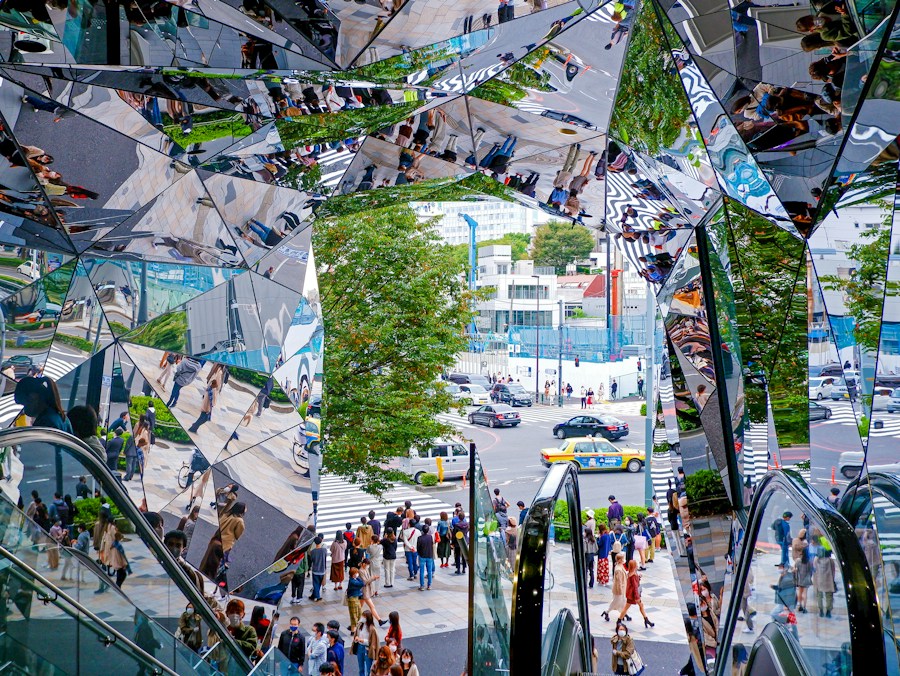
Mirrored entrance overlooking pedestrians and traffic in Omotesando, Tokyo

Tokyo’s Japan International Hemp Expo is scheduled for November 13–14 at House of OMOTESANDO, bringing hemp and CBD businesses together for a two-day program. The cannabis connection extends beyond cannabinoid products. The organizer describes an exhibition spanning agriculture, construction materials, food, fashion and biotechnology, giving visitors a chance to follow several uses of the same plant through one venue.

Choose the day around the conversation

The official online guidebook identifies Friday as Business Day and Saturday as Community Day. Doors open at 10:30 a.m. on both days. The listed closing times are 10 p.m. Friday and 6 p.m. Saturday, in Tokyo local time. Admission is free with advance registration. Those details establish the exhibition’s public window, so visitors should check the live program for the timing of any particular session.

The venue address is 5-34-8 Jingumae in Shibuya. For a first visit, save both the building name and the street address. A district name is useful when choosing accommodation or planning a route, but the exact address matters when finding the entrance. Leave enough time to locate registration before a session you particularly want to attend. A program with several kinds of exhibitors can make it easy to spend longer than expected on the floor.

The international visitor guide separates travel preparation from the event itself. It includes access information, visa-invitation procedures and a compliance and customs section. Check those requirements directly before making travel decisions. A registration confirmation establishes admission to an exhibition. Travelers still need to establish which documents and products they may take across a border.

Follow a material from the field to the finished object

For a reader interested in hemp clothing, the exhibition offers a practical way to ask about the stages between a plant and a garment. A fiber sample, a yarn and a finished textile each show a different production decision. Ask what is available now, what is still being developed and where a material is processed. That conversation can help distinguish a concept from something a designer can order for a production run.

The same approach works for construction materials. A demonstration object can show texture or form, while a buyer needs separate information about intended use, specifications and the requirements that apply where it will be installed. A display is a starting point for a technical conversation. Ask the exhibitor which documents support a claim and whether those documents describe the exact product on the stand.

Our coverage of Object Apparel’s hemp collection looked at the garment end of this process. JIHE’s broader remit gives visitors an opportunity to ask about the intermediate stages as well. Someone interested in clothing may learn as much by talking to a materials supplier as by looking at finished apparel. Keep the questions tied to a specific sample, because fiber content and construction can vary within a single company’s range.

Use the program as a set of questions

The organizer’s speaker announcement describes participation by more than 100 companies, organizations and brands. That is an organizer-reported figure for the announced program. It provides a sense of the intended scale, while the current exhibitor directory is the better place to identify whom you can actually meet. Make a short list before arrival and check whether the relevant representative will be available on your chosen day.

For CBD products, useful questions concern ingredients, documentation and the market the product is intended to serve. A business developing an ingredient may have a different customer from a company selling a finished item. Ask which part of the supply chain the exhibitor handles and what information travels with an order. Those answers can make a complicated floor easier to navigate without assuming that everything displayed belongs in the same product category.

Anyone attending to learn rather than buy can use the same method. Choose a question to carry between stands, such as how a supplier verifies a material or how a brand decides what information appears on a label. Comparing answers can reveal where the participants agree and where their priorities differ. Take notes on the source of each answer so a later follow-up reaches the right person.

JIHE’s dates put the show at the end of this week. Before leaving, revisit the registration page and live schedule, then confirm the sessions and exhibitors that justify the trip. The value of a broad hemp exhibition lies in making those connections concrete, from a raw material to the product and the people responsible for bringing it to market.

All times listed here are local to Tokyo.

Illustrative Omotesando city scene. Photo: Susann Schuster / Unsplash.

Continue Reading

Cannabis

A 2,800-Year-Old Siberian Tomb Offers New Evidence of Cannabis Use

Cannabis seeds and preserved hair from a Siberian burial offer two clues to how people used the plant 2,800 years ago.

Published

on

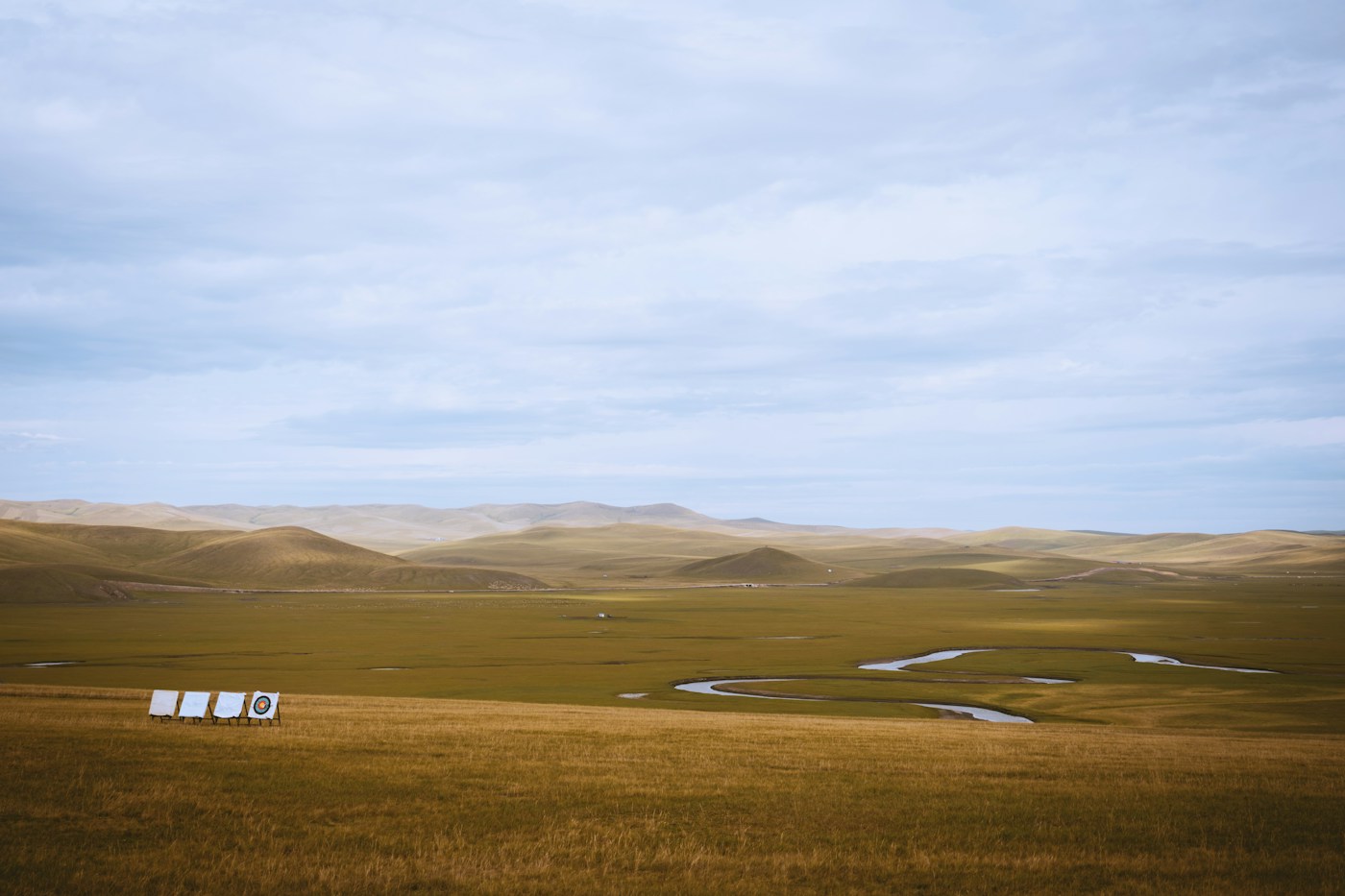
Open grassland with low hills in Hulunbuir, Inner Mongolia

A burial mound in southern Siberia has yielded two clues to the history of cannabis: seeds placed in a grave and chemical traces preserved in human hair. In a study published November 5 in Science, archaeologist Gino Caspari and colleagues argue that the finds, taken together, point to psychoactive cannabis use about 2,800 years ago. The discovery pushes the evidence for that practice further back than a widely cited find in western China.

What turned up at Tunnug 1

The excavation site, Tunnug 1, lies in the Uyuk Valley in the Republic of Tyva. Its monumental burial mound is associated with early Scythian culture, and the excavations have recovered horse gear, weapons and animal imagery. The clues to cannabis use were considerably smaller. The team found more than a thousand cannabis seeds and used radiocarbon dating on some of them to establish their age. According to the University of Bern’s account of the research, preserved human hair from the same grave also contained traces of cannabinol, or CBN.

Seeds can tell archaeologists that a plant was present. They can also help show whether someone brought it into a particular setting. At Tunnug 1, where the researchers interpreted the seeds as deliberately deposited, the find makes cannabis part of the burial’s material record. It still leaves a basic question open. Cannabis can provide food, oil and fiber, so the presence of seeds alone offers several plausible explanations for why people valued the plant.

The hair gives researchers another line of evidence. CBN can form as THC degrades, and its presence is consistent with exposure to psychoactive cannabis. The overlap matters because each find answers a different question. The seeds place cannabis in the burial context. The hair preserves a chemical signal relevant to how people may have used it. Together, they give the team a stronger basis for its interpretation than either clue would provide on its own.

What the evidence can tell us about consumption

As the Associated Press reported, Caspari said the team could not determine whether the cannabis was inhaled or ingested. The distinction matters for anyone imagining what the practice looked like. The evidence supports a case for exposure, while the method, timing and experience remain open questions. It also leaves room for several explanations of why the seeds went into the grave. Their placement gives them a ceremonial context, but their precise role in that ceremony remains unclear.

There is a temptation to read a burial deposit as a snapshot of daily life. A monumental tomb, however, reflects choices about what to place with the dead and what to leave out. Even a plant that held real significance in that setting might have served different purposes elsewhere. To know how widely people used cannabis, archaeologists would need evidence from other settings, including places where ordinary activities took place.

How Siberia changes the timeline

One point of comparison comes from the Jirzankal Cemetery in the Pamir Mountains of western China. In a 2019 study in Science Advances, researchers reported cannabis residues in wooden braziers from burials dating to roughly 2,500 years ago. Those objects gave the team a reason to infer that cannabis had been heated. The Siberian discovery is about three centuries older, and its evidence comes from different materials. One site offers evidence in equipment used in a burial setting. The other combines a botanical find with a chemical trace in human remains.

Written accounts give historians a third kind of evidence. The Greek historian Herodotus described Scythians using cannabis in the fifth century BCE. His account has long been part of the discussion because it describes a practice in words. Tunnug 1 gives researchers something they can examine independently of the text. It also predates that account, extending the timeline without requiring researchers to assume that the people at the Siberian burial practiced the same ritual Herodotus described.

What survived at Tunnug 1 is unusual. The record of ancient cannabis use depends on the chance that someone left behind material that could survive burial, that archaeologists recovered it, and that modern analysis could identify it. Another site might yield seeds without hair, or a vessel without enough residue to test. Those gaps make it difficult to say how long the practice had already existed by the time this tomb was built.

For now, the finding gives cannabis history a firmer point on the map and a date supported by physical evidence. By about 2,800 years ago, people in this part of southern Siberia appear to have encountered cannabis as an intoxicant. The circumstances of that use, from preparation to purpose, are the next questions the find leaves open.

Illustrative photo of grassland in Inner Mongolia, China. Photo: Charles MingZ / Unsplash.

Continue Reading

Cannabis

Cannafest Prague Puts Sunday Cannabis Policy Panels in Focus

Published

on

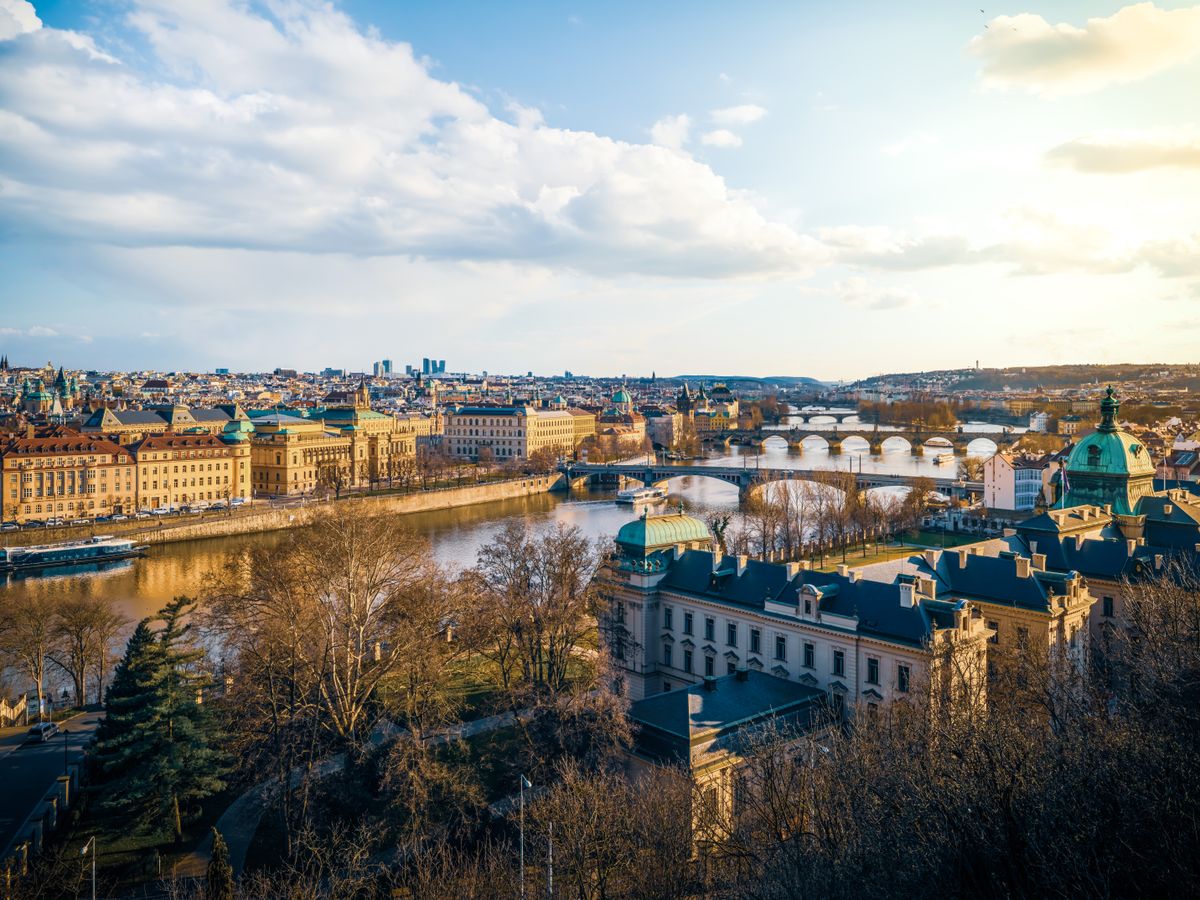
Bridges across the Vltava River in Prague at sunset

Cannafest is scheduled for November 6–8 at PVA Expo Praha Letňany, where three days of cannabis exhibits share a venue with a conference on cultivation, medical research and policy. For a visitor trying to choose a day, Sunday’s schedule offers an unusually clear thread: a talk about lessons from California, a panel about Czech regulation and a discussion comparing U.S. and European markets.

The organizer’s event overview describes a show that spans growing equipment, seeds, vaporizers, hemp textiles, cosmetics and food. Those categories give visitors several ways to approach the floor. A grower comparing equipment, a designer looking at hemp fabric and a reader following a medical research talk may all have different reasons to spend an afternoon in the same building.

What the Sunday program puts together

The official conference agenda lists Luna Stower at noon on Sunday for a talk whose title urges Europe to learn from California’s legalization experience. A discussion of Czech regulation follows at 1 p.m. with Ivan Bartoš and Barbora Pipášová. The schedule then lists a European drug policy session at 2 p.m. and a U.S. and European markets panel at 3 p.m. These are scheduled sessions, and the organizer’s live agenda is the place to check for changes.

The sequence gives a listener a way to compare questions that often get lumped together. A person can hear a speaker’s assessment of a commercial market, then listen for how Czech policymakers describe their own regulatory concerns. The final panel’s comparison gives the audience a chance to see which observations carry over and which depend on the jurisdiction. The agenda establishes the subjects and speakers. Conclusions from the sessions will have to wait until they take place.

Visitors more interested in research can use the same agenda to choose a different day or a shorter window. The schedule includes a session on medical cannabis in integrative dentistry for oncology patients, for example. Treat the session listing as a starting point for questions about research design, the patients studied and the outcomes measured. A conference title alone gives no basis for judging whether a treatment works or for changing a patient’s care.

How to plan the visit

The organizer lists public hours of 11 a.m. to 8 p.m. on Friday and Saturday, and 11 a.m. to 6 p.m. on Sunday. The exhibition venue is at Beranových 667 in Letňany. Cannafest says a valid show ticket covers entry to the professional conference. Anyone planning around a specific session should check the schedule for its local start time and leave room to get from the exhibition floor to the conference hall.

The ticket page gives November 5 as the advance-sale cutoff and lists on-site admission during the show. For a weekend visit, check the current listing for availability, on-site prices and any changes before leaving for the venue. The same page describes proof requirements for some concessions and requires an accompanying adult for visitors under 18.

Read the visitor rules before arrival. An exhibition featuring cannabis products and equipment does not establish permission to use or carry them wherever a visitor goes. Someone traveling internationally should check the rules that apply to the product, the venue and the journey separately. The exhibitor list can help plan what to see, while the visitor rules and the applicable law govern what a person can do.

What to look for on the floor

For a visitor interested in hemp textiles, a useful conversation can start with fiber content and the intended use of the finished product. A fabric sample and a garment label tell different parts of that story. For cultivation equipment, asking what scale a product is designed for can help distinguish something useful at home from a system built for a commercial facility. These are questions a visitor can take to an exhibit without assuming a display reflects a new release.

The conference and the floor can also inform each other. Someone listening to the market comparison on Sunday could ask exhibitors which customers they serve and what requirements shape the products they can offer. That makes the show useful even for visitors who are there to learn how an industry works and have no plans to buy anything.

The organizer reports 247 exhibitors at the previous edition and nearly 24,000 visitors. Those figures describe last year’s event. This weekend’s exhibitor list and floor map are better guides to the booths a visitor can actually find. The organizer also distinguishes exhibitor setup on November 4 and 5 from Friday’s public hours, which begin at 11 a.m. local time.

Illustrative cityscape of Prague. Photo: Calvin Seng / Pexels.

Continue Reading

Trending

Join The Cannabis Aficionado Community!
Join the Cannabis Aficionado community and receive all of the most relevant news geared towards our sophisticated enthusiast community.
Loading

Copyright ©️ 2026 Cannabis Aficionado. Cannabis Aficionado is a registered trademark of CNM Inc. All rights reserved. Registration on or use of this site constitutes acceptance of our Terms of Service, Privacy Policy and Cookies Policy. People may receive compensation for some links to products and services. Offers may be subject to change without notice.