Calyx has introduced packOS, a packaging procurement platform that begins with a practical task: turning existing artwork into a quote. The October 20 launch brings the company’s cannabis packaging experience into software, with an initial Quick Quote offering and additional approval and order-management tools on its roadmap.
For cannabis brands, the useful question is what can be ordered now. The current product page identifies label quoting as live and flexible packaging as coming soon. That makes the first release more specific than the phrase “operating system” might suggest, particularly for buyers expecting a complete replacement for their existing packaging workflow.
What Calyx announced
In its company release distributed by Cannabis Business Times, Calyx describes a platform intended to move procurement beyond email chains, spreadsheets and manual quotes. It says buyers can upload packaging artwork and compare production options, prices and corresponding lead times.
The release presents Quick Quote as the first major component, with Artwork Approval and Order Management to follow. It also describes artificial intelligence and automation in estimating, artwork preparation and prepress. Those are Calyx’s descriptions of its technology, rather than results from independent testing by Cannabis Aficionado.
The distinction matters when comparing a launch announcement with a purchasing decision. A platform may describe an ambitious direction while delivering a narrower first service. Buyers need a clear understanding of which steps are available today, which require additional coordination and which remain future capabilities.
The current scope starts with labels
The product homepage says users can submit a PDF or Adobe Illustrator file. It describes extracting specifications from that artwork, producing a visual proof and pricing quantities. Labels are listed as available, while pouch quoting is marked as a future addition. Artwork Intelligence and Order Management appear in preview on the current roadmap.
For a buyer preparing a launch, those labels are more useful than assuming everything mentioned in an announcement is fully available. A proof, a quotation and an accepted production order are separate milestones. Establishing which one the platform has delivered helps prevent a team from treating preliminary information as a finished manufacturing commitment.
Printing does not replace compliance review
The cannabis-specific product page covers several label uses, including jars, lids, pre-rolls, boxes and batch information. It also answers an essential question directly: state compliance review stays with the customer’s team and counsel. The software is not presented there as a service that approves labels against state cannabis rules.
That boundary is significant for a brand operating across markets. An artwork file can be ready to print while still needing a jurisdiction-specific review. The company says customers provide approved versions for each state; it also says label orders do not require buying containers from Calyx.
Its described workflow separates preprinted brand and strain information from batch details added by customers using their own thermal printers. That is a production option, not proof that a particular finished label contains every required disclosure. The final artwork and data still need attention before a product reaches a shelf.
Questions to settle before uploading artwork
Packaging files may contain unreleased product names or designs, making information handling part of vendor selection. Calyx’s published security page says files travel over encrypted connections, are held in private storage and can be deleted on request. It describes using submitted files for quotes, proofs and production.
These are the provider’s stated practices, not an independent security assessment. A brand considering the service should compare those commitments with its own approval process and any obligations attached to an unreleased design. A convenient upload workflow does not itself decide who within a business is authorized to share artwork.
Similarly, any sourcing comparison should identify what is included in the quoted job. Quantity, material, finish, delivery expectations and the approved artwork version are practical points to settle before authorizing production. A lower displayed number is only meaningful when the underlying specification matches the buyer’s needs.
The security page also says access links expire and that an unverified internal access check is denied. Buyers can ask the provider how these stated controls apply to their particular project and who can request deletion.
A software launch with a manufacturing context
The consumer-facing side of packaging is visible in 710 Labs’ new Close Friends presentation. The packOS announcement addresses an earlier stage: how packaging teams organize artwork, evaluate options and move toward production.
For now, the clearest takeaway is a new quoting tool with a stated initial scope. Brands can assess the label service on that basis while tracking whether the planned approval and order-management features become available. Adoption, actual time savings and customer outcomes will require evidence beyond the launch announcement.
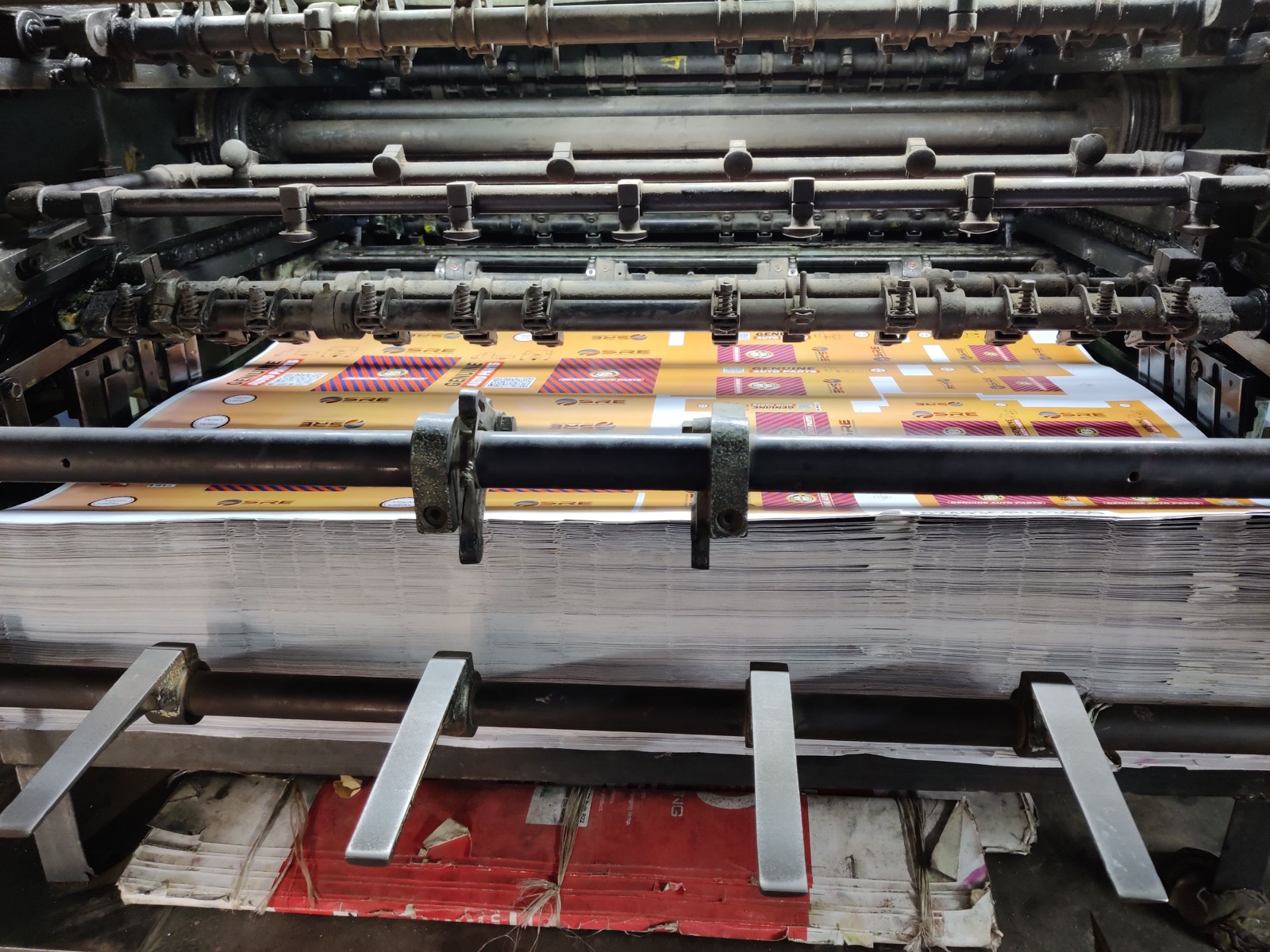
Illustrative stock printing equipment; not a Calyx facility or packOS demonstration. Photo: Criiv India / Pexels.






 Cannabis4 weeks ago

 Cannabis3 weeks ago

 Cannabis4 weeks ago

 Cannabis4 weeks ago


 Cannabis4 weeks ago

 Cannabis3 weeks ago

 Cannabis4 weeks ago