#cannabisaficionado

Cannabis

Mobilní aplikace casino: recenze a tipy pro české hráče

Published

on

Advertisement Back2Grow Advertisement

Mobilní aplikace casino: recenze a tipy pro české hráče

Mobilní hazard se v ČR stal standardem. Podle dat Ministerstva financí tvoří přístupy z chytrých telefonů už přes 68 % všech návštěv licencovaných online casin. Zatímco ještě před pěti lety hráči seděli u počítačů, dnes si točí automaty v tramvaji nebo pauze na oběd. Recenze mobilních aplikací casin ale často kloužou po povrchu – my se podíváme na to, co skutečně rozhoduje o kvalitě. Přečtěte si více na nove casino online 2026.

Co od mobilní aplikace casino skutečně očekávat

Ne každé casino provozované na českém trhu má vlastní nativní aplikaci pro iOS a Android. Řada licencovaných operátorů sází na responzivní web, který v prohlížeči funguje prakticky identicky jako aplikace. To není mínus – naopak. Odpadá nutnost stahovat instalační balíček mimo oficiální obchody, což je u Androidu častý problém.

Pokud casino nativní aplikaci nabízí, prověřte tři věci: velikost souboru (kvalitní appka se vejde do 60 MB), rychlost načítání herního klienta a podporu biometrického přihlášení. Právě otisk prstu nebo Face ID zkracuje přihlášení z průměrných 22 sekund na necelé 3. U responzivního webu zase sledujte, zda se automaticky přizpůsobí orientaci displeje bez nutnosti rotace.

Důležitý je i přístup k peněženkám. České casiny nejčastěji podporují platby kartou, bankovní převody a rychlé online převody. Aplikace by měla umožnit vklad i výběr přímo z rozhraní, ideálně s potvrzením do 15 minut. Pokud musíte kvůli výběru otevírat prohlížeč, jde o slabinu, kterou recenze často přehlédnou.

Tipy, jak poznat kvalitní mobilní casino

Základ je vždy licence. Ověřte, že operátor figuruje v seznamu MFČR – bez toho nemá smysl řešit cokoli dalšího. Licencovaný provozovatel garantuje výplaty, ochranu hráče i napojení na Národní registr vyloučených osob. U aplikací stahovaných mimo obchody navíc hrozí riziko upravených balíčků, proto dejte přednost oficiálním zdrojům.

Druhý tip se týká nabídky her. Kvalitní mobilní klient nabízí minimálně 300 titulů od renomovaných dodavatelů, přičemž hrací automaty by měly být optimalizované na dotykové ovládání. Zkontrolujte RTP – u oblíbených slotů se pohybuje mezi 94 % a 97 %. Pokud casino uvádí u her nižší hodnoty nebo je vůbec nezveřejňuje, berte to jako varovný signál.

Třetí tip: testujte podporu ještě před vkladem. Napište na live chat dotaz týkající se bonusových podmínek. Reakce do dvou minut a srozumitelná odpověď v češtině jsou známkou solidního provozu. U aplikací sledujte také to, zda funguje push notifikace o dokončení výběru – drobnost, která ale výrazně zlepšuje přehled o účtu.

A čtvrtý tip, často opomíjený: nastavte si v aplikaci limity. Zodpovědné hraní není fráze – české casiny musí nabízet možnost nastavit denní, týdenní i měsíční limit vkladu, stejně jako časový limit relace. Pokud tyto nástroje v appce nenajdete, hledejte jinde.

Srovnání přístupů: aplikace versus responzivní web

Kritérium Nativní aplikace Responzivní web
Rychlost přihlášení do 3 s (biometrie) 15-25 s
Velikost 40-80 MB 0 MB
Aktualizace nutná ručně automatická
Přístup ke hrám plný plný
Notifikace push omezené

Z praxe vyplývá, že pro příležitostné hráče je responzivní web pohodlnější – nemusí nic instalovat a vždy mají nejnovější verzi. Nativní aplikace ocení ti, kdo hrají denně a chtějí rychlý přístup jedním klepnutím. Ať zvolíte cokoli, držte se licencovaných provozovatelů a nezapomínejte na Linku pomoci 800 350 000, pokud by hraní přestalo být zábavou.

Health

UK Cannabis Council Calls for More Nursing Support, With Specialist Oversight Intact

A new industry proposal puts follow-up care and nursing education in focus. We examine what it asks for and the safeguards patients should expect.

Published

on

A person in blue scrubs with a stethoscope looking down at a clipboard against a pink background.

The Cannabis Industry Council is calling for trained nurses to have a larger role in UK medical cannabis care, bringing attention to what happens between a prescription and the next specialist appointment. Its November 24 announcement describes a proposal for better patient support within existing professional boundaries. We see a worthwhile question about continuity of care, while keeping the distinction between an industry recommendation and a change in prescribing law clear.

The council says the paper, authored by Ariana Ayu, identifies patient education, follow-up, monitoring, medication review and advocacy as areas for greater nursing involvement. It seeks specialist education, defined responsibilities, clinical governance and sustainable nursing careers. The announcement says nurses should complement specialist oversight. It does not establish that clinics have adopted the model or that patients are already receiving better outcomes from it.

What changes for a patient now?

A policy proposal does not itself change your prescription, your clinic’s staffing or the person accountable for treatment. Before treating the announcement as a new service, we would want an actual provider to explain what it offers, who delivers it and how questions reach the responsible specialist. A role described in a paper becomes useful when it is translated into an identifiable clinical pathway.

England’s Care Quality Commission provides an important baseline in its current guidance on cannabis-based medicinal products. It says these products can be prescribed by, or under the direction of, a doctor on the General Medical Council’s specialist register, with relevant expertise. Certain non-medical prescribers may work under that direction. Licensed medicines have their own prescribing permissions. Those distinctions prevent a broad nursing headline from becoming a claim of unrestricted prescribing authority.

The CQC also distinguishes medicines with marketing authorisations from the many cannabis-based products that are unlicensed. It explains that unlicensed medicines may not have been assessed for safety, quality and efficacy in the same way as licensed products. Expanding the team around a patient does not change that product’s regulatory status or supply missing evidence about a particular treatment.

A nursing title is not a prescribing qualification

The Nursing and Midwifery Council’s prescribing guidance, updated October 29, distinguishes community practitioner prescribing, independent prescribing and supplementary prescribing. The relevant qualification is recorded through an annotation on its register. Independent prescribers work within their competence and face exceptions for certain controlled drugs; the title does not erase medicine-specific restrictions.

Supplementary prescribing involves partnership with an independent prescriber to implement an agreed plan for a particular patient, with that patient’s agreement. The NMC describes approved preparation programmes for independent and supplementary prescribing. These professional standards are a separate reference point from a cannabis-focused education certificate or an employer’s job title.

For you, the useful question is therefore more precise than whether a clinic employs nurses. Ask which professional will handle the particular task, whether that person has the necessary qualification, and what decisions require specialist involvement. Education, monitoring and prescribing are related parts of care, but they should not become interchangeable labels in a service description.

Oversight has to remain practical

The CQC’s provider and inspection guidance expects prescribing decisions to be scrutinised through a multidisciplinary process that allows at least two GMC specialist-registered doctors to participate. The prescribing specialist must practise in the relevant clinical specialism, and decisions need sufficient knowledge of the patient’s history. Records should support effective, auditable review.

For ongoing treatment, the regulator warns against delegating care entirely to non-specialists without practical specialist involvement. It expects evidence of continuing oversight shaped by the patient’s needs and regular prescribing audits. Its guidance also addresses informed consent: patients need enough information to understand a clinical decision, with discussions documented. A larger team should make those responsibilities easier to follow, rather than harder to locate.

The same accountability applies when care is delivered online. In its separate remote-prescribing guidance, the CQC says it may take regulatory action where arrangements do not support safe prescribing, including conditions preventing remote cannabis prescribing. An online service is therefore not outside scrutiny. We would judge a proposed nursing pathway by how it handles clinical responsibility across appointments and communication channels, rather than by the convenience of its booking system.

Our test for the council’s proposal would be its implementation. Does a patient know whom to contact, how concerns are escalated and who reviews treatment? Can a clinic demonstrate the promised support without representing a staffing change as proof that cannabis works for every condition? Those are meaningful measures of a care model. The announcement opens that discussion; it does not settle the clinical evidence or certify an individual provider.

Illustrative healthcare photograph; not an identified UK nurse, cannabis clinician or participant in the policy paper. Photo: Thirdman / Pexels.


Continue Reading

Health

Oregon Recalls Cannabis Vapes and Edibles After Bifenthrin Retesting

Oregon has recalled cannabis products made with extract that failed pesticide retesting. We explain how to check the official list without relying on a product name alone.

Published

on

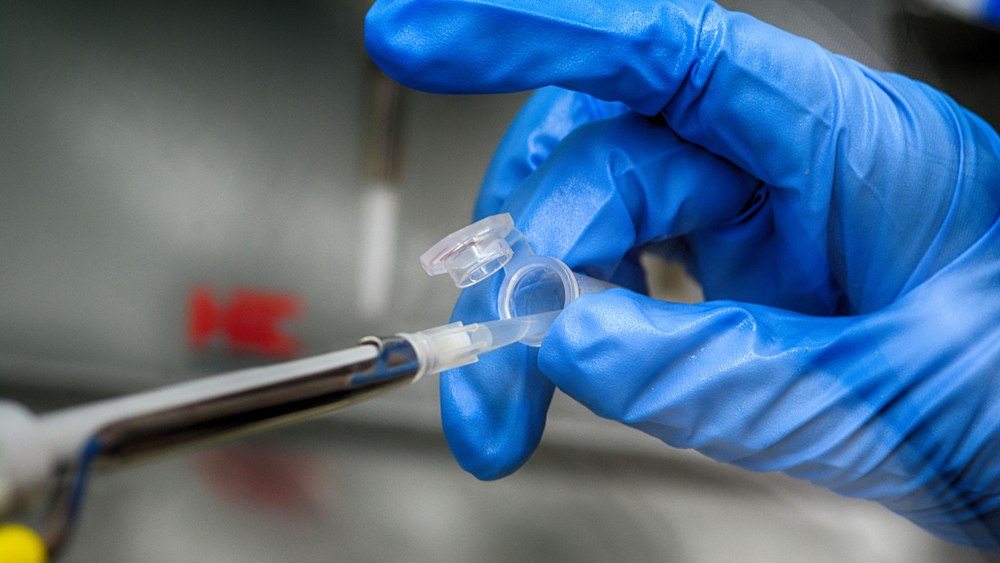
A blue-gloved hand holding an open sample tube beside a laboratory pipette.

Oregon has ordered a recall of cannabis vapes and edibles made with extract that failed retesting for the pesticide bifenthrin. The November 23 notice covers affected products sold from June 16 through November 23, 2026. Our immediate advice is to check what you have against the official recall information and keep any suspected product out of use while its identity is resolved.

The Oregon Liquor and Cannabis Commission says the products should not be sold or consumed. This is a recall of identified inventory, rather than a finding that every cannabis vape or edible sold in Oregon is affected. The useful task is matching a purchase to the regulator’s records, not making assumptions from a familiar brand or flavour.

Start with the retailer and manufacturer

The OLCC bulletin warns that some product names and unique identification numbers in the database may differ from labels. It identifies the retailer where a product was purchased and its manufacturer as the best matching points. The commission encourages consumers with recalled products to destroy them and directs health concerns to a medical provider or the Oregon Poison Center at 800-222-1222.

The official November recall lookup offers filters for product name, manufacturer, licence name, address, city, package number and laboratory. Its instructions say filters are optional and that address and city searches apply to retail locations. We would start with the shop and manufacturer, then use other fields to narrow a result rather than treating one unsuccessful name search as clearance.

Keep the original package and purchase information available when asking the retailer or regulator to identify an item. A photograph of the full label can make that conversation more precise. We would record the date of the check and the answer received, especially if the printed name differs from the way a product appears in the lookup.

What the testing finding establishes

OLCC says the extract initially passed compliance testing, but subsequent testing identified bifenthrin. Oregon’s Cannabis Reference Laboratory confirmed levels above the state’s established limits in samples from two extract batches. The commission is investigating why the original tests did not detect it. That establishes a testing discrepancy requiring investigation; it does not establish who caused it or why.

We would avoid turning the recall into an unsupported account of deliberate misconduct. The agency’s notice supplies an action to take now, while the investigation addresses how affected material moved through the system. Those are related questions, but they do not require the same evidence or reach an answer at the same time.

The label is a record, not just branding

OLCC’s label checklist and generic examples distinguish information such as a processor’s business name and licence number, a package UID, product identity and testing details. The examples illustrate different product formats, including edibles and extract cartridges. They are examples of label information, not a list of products included in this recall.

That distinction is useful when a package carries several names. A retail shop, a consumer-facing brand, a licensed processor and a testing laboratory do not necessarily describe the same business. We would copy the details as printed rather than shorten them to the logo on the front. The more complete record helps the official lookup do its job.

The same caution applies to a passing test date printed on a package. In this case, the regulator is specifically reporting a later testing finding. A previous compliance result is part of the history; it does not override the new recall instruction for an affected item.

What is bifenthrin?

The National Pesticide Information Center’s fact sheet identifies bifenthrin as a pyrethroid insecticide. It describes possible exposure through skin contact, ingestion or inhalation and notes that inhalation can irritate the nose, throat and lungs. That general toxicology resource is background, not a diagnosis of anyone who used a recalled product or a measurement of their exposure.

We would not use a symptom list to decide that an uncertain product is safe. Nor can the appearance or smell of a vape or edible establish a pesticide concentration. The regulator’s product identification and testing findings are the relevant evidence for the recall; an individual health concern belongs with a health professional or poison centre.

For now, the clearest response is a careful label-and-retailer check followed by the official instruction for an affected purchase. Keep suspected products away from children, pets and anyone else who might use them inadvertently. We will look for further OLCC findings before assigning a cause to the testing failure or broadening the recall beyond the inventory it identifies.

Illustrative laboratory stock photograph; not Oregon’s reference laboratory or a recalled cannabis sample. Photo: Jorge Sepúlveda / Pexels.

Continue Reading

Health

Wana’s Colorado Recall Puts Child-Resistant Gummy Packaging Under Review

Colorado’s November 23 notice identifies a voluntary Wana recall for packaging safety features. We explain the batch check, secure storage and when to seek help.

Published

on

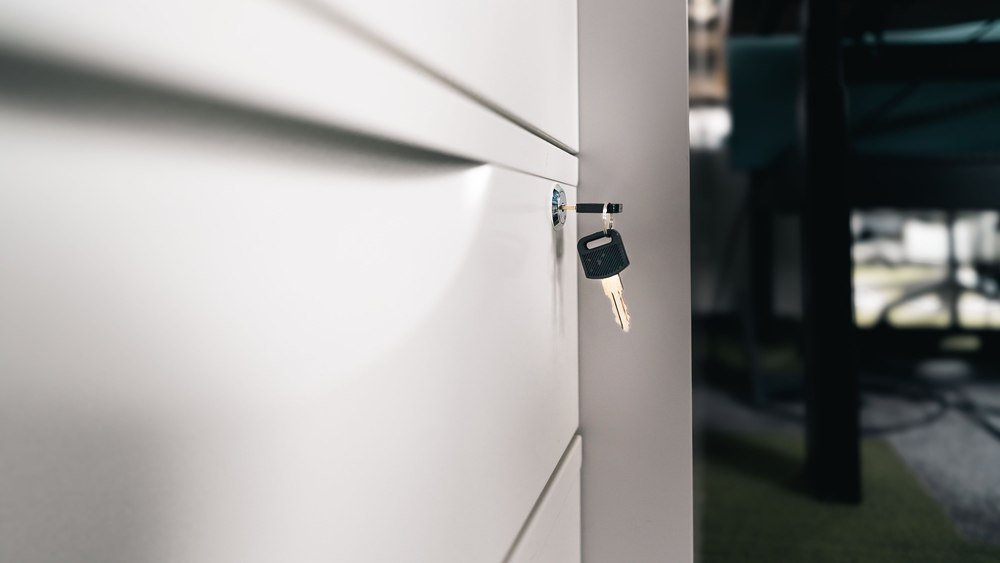
A key hanging from the lock of a white cabinet drawer.

Wana has voluntarily recalled selected Colorado cannabis gummies because their child-resistant packaging may not function as intended. Colorado’s November 23 notification identifies manufacturing licence 404R-00099 and specific production batches sold between October 19 and November 17. We would check the licence and batch together, then secure any affected package rather than assume that closing its lid restores the missing safeguard.

The Department of Revenue’s original notice says a retailer alerted Wana to the deficiency. It reports no identified issue with the marijuana product itself and no reported adverse health event associated with the packaging at publication. That does not make the packaging concern trivial: the purpose of the safety feature is to reduce accidental access, particularly by children.

Match a batch, not an entire brand

The notice lists individual gummy products and production codes. Examples include Stay Asleep Dreamberry batches R-OSAZ-001 and R-OSAZ-002, and Peaceful Pear batches R-APRH-001 and R-APRH-002. These examples are not the complete list. Use the original two-page notice to check every potentially affected package, including its manufacturing licence number, rather than infer that all Wana products are recalled.

Colorado says affected consumers may dispose of the product or return it to the store of purchase for proper disposal. Until then, consumers should not rely on the packaging being child-resistant and should keep it securely out of children’s reach. The notice’s linked store list can help identify where affected batches were sold, but the package details remain essential to the check.

We would keep the label readable while arranging a return. Photograph the licence number and full production code if you need help identifying it. A product name alone can span different batches, and a store carrying the brand does not establish that every package from that store has the same issue.

Make storage a separate safeguard

Health Canada’s storage guidance recommends keeping cannabis locked away, out of sight and reach of children and pets, and separate from ordinary food and drinks. It also recommends original packaging and says cannabis should never be left unattended where children can access it. These are general storage principles, not Colorado recall instructions or Canadian product limits being applied to Colorado.

For a recalled container, we would treat a separate locked storage space as an immediate protective step while following the return or disposal directions. A high shelf and a familiar closure are different safeguards from a lock. The useful question is whether a child could gain access to the product now, including during a visit, a move between rooms or preparations to return it.

Do not move gummies into an ordinary food container where another person could mistake them for a snack. Retaining the original label also preserves the information needed to identify the product. Secure storage should reduce access without creating a new identification problem for the household or the retailer handling a return.

Why an edible requires particular care

The CDC’s poisoning guidance explains that edible cannabis can take 30 minutes to two hours to produce intoxicating effects, with effects potentially lasting longer than expected. It identifies accidental child exposure as a poisoning risk. The delayed onset is one reason an adult should not wait for an obvious immediate reaction before seeking advice about suspected ingestion.

That context does not show that a child has been harmed by one of these recalled packages. It explains why packaging and storage remain important even when a notice reports no adverse event. We would keep the known defect, the potential risk and any confirmed outcome in separate view, without minimising the first or inventing the last.

What to do if ingestion is suspected

The American Academy of Pediatrics’ parent guidance advises finding out what and how much a child may have eaten, checking the wrapper’s THC information and contacting Poison Control promptly at 1-800-222-1222. Severe symptoms require immediate emergency care. The federal Poison Help guide specifically directs calling 911 if a person is unconscious or has trouble breathing.

Colorado’s recall notice also says suspected child ingestion requires immediate medical attention and reporting to the Marijuana Enforcement Division. Getting help comes before completing a product complaint. Keep the package information available to the professional responding, rather than trying to estimate a safe exposure yourself.

Our priority is a precise check and a practical response: verify the licence and production batch, secure an affected package and follow the official return or disposal direction. A recall about a container is still a cannabis safety story. Its significance lies in preventing access before a packaging fault becomes an exposure.

Illustrative cabinet-lock photograph; not Wana packaging or a demonstrated childproof storage system. Photo: Jakub Zerdzicki / Pexels.

Continue Reading

Trending

Join The Cannabis Aficionado Community!
Join the Cannabis Aficionado community and receive all of the most relevant news geared towards our sophisticated enthusiast community.
Loading

Copyright ©️ 2026 Cannabis Aficionado. Cannabis Aficionado is a registered trademark of CNM Inc. All rights reserved. Registration on or use of this site constitutes acceptance of our Terms of Service, Privacy Policy and Cookies Policy. People may receive compensation for some links to products and services. Offers may be subject to change without notice.