The Cannabis Industry Council’s awards dinner is scheduled for tonight, November 11, at the Honourable Artillery Company in London. Its cannabis connection is direct: the evening recognizes people working across the UK’s medical cannabis sector, from patient support and pharmacy to research, environmental practice and leadership.
The organizer’s current event page confirms the Wednesday date and venue. This is a preview of the published program, not a report from inside the ceremony. No award recipient should be inferred from a shortlist before the council announces the results.
Nominations for this edition closed in September. An event page that still describes nomination opportunities should not be read as a new chance to enter tonight’s awards; the current timetable and ceremony information take precedence.
Recognition extends beyond a company’s name
The council’s original nominations announcement says the awards recognize individuals rather than companies. That gives the evening a different emphasis from a product competition or a ranking of cannabis brands. The subject is the work people contribute to the sector.
That distinction matters in an industry where consumers often encounter a clinic, product or retailer before learning who supports the service. An individual award can draw attention to work that sits behind a familiar business name without establishing that the entire company is superior to every alternative.
The format also creates room for contributions that are difficult to summarize through sales figures. Helping someone navigate a service, improving a professional process or explaining evidence can matter even when those activities do not produce a headline about a large commercial deal.
Eight categories describe a broad professional community
The published categories include Unsung Hero, the Hannah Deacon Doctor of the Year, Contribution to Social Impact, Pharmacist of the Year, Contribution to Science, the Green Award, Customer Service and Industry Leader of the Year. Together, they place clinical, scientific and operational work alongside advocacy and environmental concerns.
The award named for Hannah Deacon recognizes patient care, according to the council’s description. The science category concerns contributions to understanding cannabis, while the environmental category addresses sustainability. Those are distinct kinds of achievement, and an award in one category should not be read as proof of an unrelated claim.
For example, recognition for customer service would not constitute a clinical trial, just as a scientific contribution would not tell a prospective patient everything about a clinic’s appointment process. The category is part of the meaning of the recognition, not a detail to drop from the eventual winners list.
The judges describe evidence as part of the standard
In the council’s introduction to its judging panel, judges emphasize demonstrated contribution, professional standards and delivery rather than visibility alone. The listed panel includes Professor Mike Barnes, Jamie Bartley, Frances Crewdson, Tom Gray, Nick Pateras, Callie Seaman, Luisa Searle and Heidi Whitman.
These are the organizers’ stated criteria and their panel’s perspectives. They explain what the competition aims to recognize; they are not an independent audit of every nominee’s work. Readers can value professional recognition while still asking what specific contribution led to it.
The useful follow-up after an awards night is therefore more than the name of the winner. What did the person do? Who benefited? What evidence supports the achievement? Those questions turn an honor into a story readers can understand rather than simply repeat.
A formal evening with a practical focus
The event is presented as an awards dinner with entertainment and networking. The current page invites guests to dress for the occasion but says a formal black-tie dress code is not required. Attendees should use the organizer’s current listing for access and practical details rather than assume an older ticket offer remains available.
That presentation places cannabis professionals in a familiar cultural setting: a shared evening recognizing peers. The interest lies in how a developing sector chooses to describe good work and which kinds of contribution it brings into public view.
Our preview of MEDICA’s cannabis-counseling workshop follows another professional gathering, with a different purpose and audience. Training, research and recognition are separate activities, but each can reveal what a cannabis-related professional community considers important.
Wait for the results, then look at the work
The council’s published timetable places the ceremony after the nomination and judging periods. The current story is that the event is scheduled to take place, not that a particular person has won. A results report will require an actual announcement from the organizer.
For now, the evening’s structure offers a clear view of the subjects being celebrated: patient-facing work, scientific understanding, responsible operations and leadership. The most meaningful coverage after the ceremony will connect those category names to concrete achievements, keeping the contribution in focus alongside the celebration.
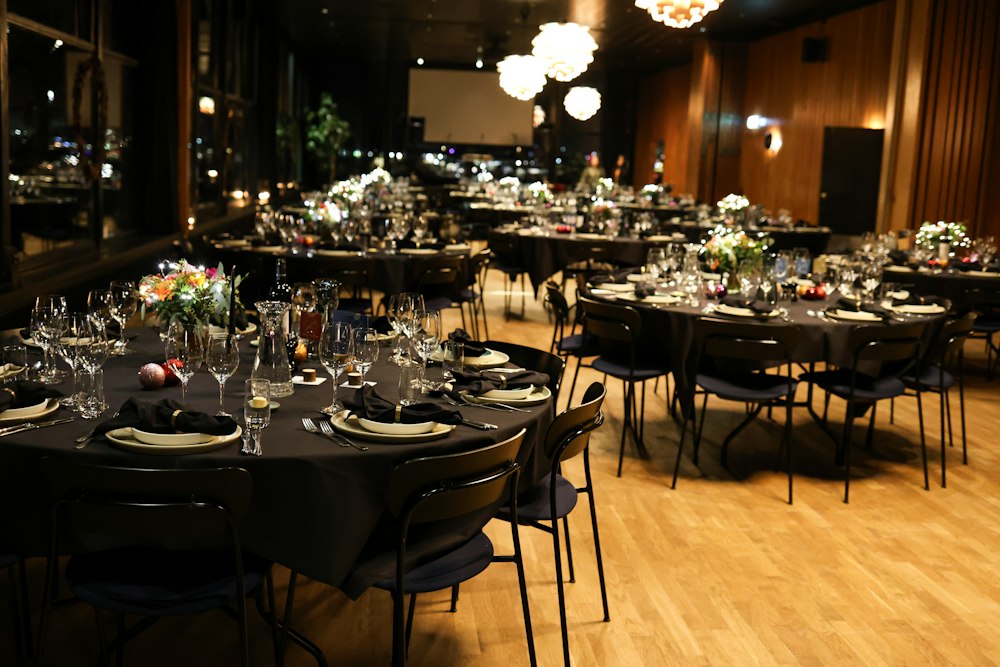
Illustrative banquet photograph; not the HAC or the Cannabis Industry Awards. Photo: Filip Rankovic Grobgaard / Unsplash.





 Cannabis3 weeks ago

 Cannabis3 weeks ago

 Cannabis3 weeks ago

 Cannabis3 weeks ago


 Cannabis3 weeks ago

 Cannabis3 weeks ago

 Cannabis3 weeks ago