#cannabisaficionado

Music

Billie Eilish Makes History at the 62nd Annual Grammy Awards

Published

on

62nd Annual Grammy Awards
PHOTO | Frederic J. Brown
Advertisement Back2Grow Advertisement

A cloud of sadness hung over the 62nd Annual Grammy Awards, as news developed of the tragic deaths of NBA legend Kobe Bryant, his daughter Gianna and seven others in a helicopter crash near Los Angeles on January 26. Outside the Staples Center, home of Bryant’s team the Lakers, arrivals took place on the red carpet as mourners gathered outside the arena to pay their respects.

The night kicked off with a solemn Cappella tribute to Bryant of “It’s So Hard to Say Goodbye to Yesterday” by host Alicia Keys and Boys II Men.

Billie Eilish dominated the night, winning Best New Artist, Song of the Year, Album of the Year, Record of the Year and Best Pop Vocal Album categories. Eilish, 18, is the youngest Album of the Year winner in Grammy history. She is also just the second artist in Grammy history — and the first woman — to take home the Big Four awards.

Lizzo took home the Best Pop Solo Performance, Best Traditional R&B Performance, and Best Urban Contemporary Album trophies.

Lil Nas X picked up two awards for Best Music Video and Best Pop Duo/Group Performance.

Tyler, the Creator took home his first Grammy award for Best Rap Album.

The late rapper Nipsey Hussle was recognized posthumously with two awards for Best Rap Performance and Best Rap/Sung Performance.

Record of the Year

Billie Eilish, “Bad Guy”

Album of the Year

Billie Eilish, When We All Fall Asleep, Where Do We Go?

Best New Artist

Billie Eilish

Song of the Year

Billie Eilish — “Bad Guy”

Best Rap/Sung Performance

DJ Khaled feat Nipsey Hussle & John Legend — “Higher”

Best Rap Album

Tyler, the Creator — Igor

Best Pop/Solo Performance

Lizzo — “Truth Hurts”

Best Pop Vocal Album

Billie Eilish — When We All Fall Asleep, Where Do We Go?

Best Traditional Pop Vocal Album

Elvis Costello & The Imposters — Look Now

Best Pop Duo/Group Performance

Lil Nas X feat Billy Ray Cyrus — “Old Town Road”

Best R&B Album

Anderson .Paak — Ventura

Best Urban Contemporary Album

Lizzo, Cuz I Love You (Deluxe)

Best R&B Song

PJ Morton feat JoJo — “Say So”

Best Traditional R&B Performance

Lizzo — “Jerome”

Best R&B Performance

Anderson .Paak feat Andre 3000 — “Come Home”

Best Rock Album

Cage The Elephant — Social Cues

Best Rock Song

Gary Clark Jr — “This Land”

Best Rock Performance

Gary Clark Jr — “This Land”

Best Rap Song

21 Savage feat J Cole — “A Lot”

Best Rap Performance

Nipsey Hussle feat Roddy Ricch & Hit-Boy — “Racks in the Middle”

Best Music Film

Beyonce — Homecoming

Best Music Video

Lil Nas X feat Billy Ray Cyrus — “Old Town Road”

Best Country Duo/Group Performance

Dan + Shay — “Speechless”

Best Comedy Album

Dave Chappelle — Sticks & Stones

Best Song Written for Visual Media

Lady Gaga & Bradley Cooper— “I’ll Never Love Again”

Best Compilation Soundtrack for Visual Media

Lady Gaga & Bradley Cooper — A Star is Born

Best Score Soundtrack for Visual Media

Chernobyl — Hildur Guðnadóttir

Best Song Written for Visual Media

“I’ll Never Love Again” (Film Version) — Natalie Hemby, Lady Gaga, Hillary Lindsey & Aaron Raitiere (Lady Gaga and Bradley Cooper, A Star Is Born)

Best Spoken Word Album (Includes Poetry, Audio Books & Storytelling)

Becoming — Michelle Obama

Best Instrumental Composition

“Star Wars: Galaxy’s Edge Symphonic Suite” — John Williams, composer (John Williams

Best Remixed Recording
“I Rise (Tracy Young’s Pride Intro Radio Remix)— ” Tracy Young (Madonna)

Best Dance Recording

“Got to Keep On” — The Chemical Brothers

Best Dance/Electronic Album

No Geography — The Chemical Brothers

Best Country Solo Performance

“Ride Me Back Home” — Willie Nelson

Best Country Song

“Bring My Flowers Now” — Brandi Carlile, Phil Hanseroth, Tim Hanseroth and Tanya Tucker (Tanya Tucker)

Best Country Album

While I’m Livin’ — Tanya Tucker

Best Rap Performance

“Racks in the Middle” — Nipsey Hussle featuring Roddy Ricch & Hit-Boy

Best Rap Song

“A Lot” — Jermaine Cole, Dacoury Natche, 21 Savage & Anthony White, (21 Savage featuring J. Cole

Best Recording Package

Chris Cornell — Barry Ament, Jeff Ament, Jeff Fura & Joe Spix, art directors (Chris Cornell)

Best Boxed or Special Limited Edition Package

Woodstock: Back To The Garden – The Definitive 50th Anniversary Archive — Masaki Koike, art director (Various Artists)

Best Album Notes

Stax ’68: A Memphis Story — Steve Greenberg, album notes writer (Various Artists)

Best Historical Album

Pete Seeger: The Smithsonian Folkways Collection — Jeff Place & Robert Santelli, compilation producers; Pete Reiniger, mastering engineer (Pete Seeger)

Best Engineered Album, Non-Classical

When We All Fall Asleep, Where Do We Go? — Rob Kinelski & Finneas O’Connell, engineers; John Greenham, mastering engineer (Billie Eilish)

Best Immersive Audio Album

Lux — Morten Lindberg, immersive audio engineer; Morten Lindberg, immersive audio mastering engineer; Morten Lindberg, immersive audio producer (Anita Brevik, Trondheimsolistene & Nidarosdomens Jentekor)

Best New Age Album

Wings — Peter Kater

Best Bluegrass Album

Tall Fiddler — Michael Cleveland

Best Traditional Blues Album

Tall, Dark & Handsome — Delbert McClinton & Self-made Men

Best Contemporary Blues Album

This Land — Gary Clark Jr.

Best Folk Album

Patty Griffin — Patty Griffin

Best Regional Roots Music Album

Good Time — Ranky Tanky

Best Reggae Album

Rapture — Koffee

Best Children’s Music Album

Ageless Songs For The Child Archetype — Jon Samson

Best Contemporary Instrumental Album

Mettavolution — Rodrigo y Gabriela

Best Arrangement, Instrumental or A Cappella

“Moon River” — Jacob Collier, arranger (Jacob Collier)

Best Arrangement, Instruments and Vocals

“All Night Long” — Jacob Collier, arranger (Jacob Collier Featuring Jules Buckley, Take 6 & Metropole Orkest)

Best Improvised Jazz Solo

“Sozinho” — Randy Brecker, soloist

Best Jazz Vocal Album

12 Little Spells — Esperanza Spalding

Best Jazz Instrumental Album

Finding Gabriel — Brad Mehldau

Best Large Jazz Ensemble Album

The Omni-American Book Club – Brian Lynch Big Band

Best Latin Jazz Album

Antidote — Chick Corea & The Spanish Heart Band

Best Gospel Performance/Song

“Love Theory” – Kirk Franklin; Kirk Franklin, Songwriter

Best Contemporary Christian Music Performance/Song

“God Only Knows” — for King & Country & Dolly Parton; Josh Kerr, Jordan Reynolds, Joel Smallbone, Luke Smallbone & Tedd Tjornhom, songwriters

Best Gospel Album

Long Live Love — Kirk Franklin

Best Contemporary Christian Music Album

Burn The Ships — for King & Country

Best Roots Gospel Album

Testimony — Gloria Gaynor

Best Latin Pop Album

#ELDISCO — Alejandro Sanz

Best Latin Rock, Urban or Alternative Album

El Mal Querer – Rosalía

Best Regional Mexican Music Album (Including Tejano)

De Ayer Para Siempre — Mariachi Los Camperos

Best Tropical Latin Album

Opus — Marc Anthony (TIE)

Best Engineered Album, Classical

Riley: Sun Rings — Leslie Ann Jones, engineer; Robert C. Ludwig, mastering engineer (Kronos Quartet)

Producer Of The Year, Classical

Blanton Alspaugh

Best Orchestral Performance

“Norman: Sustain” — Gustavo Dudamel, conductor (Los Angeles Philharmonic)

Best Opera Recording

“Picker: Fantastic Mr. Fox” — Gil Rose, conductor; John Brancy, Andrew Craig Brown, Gabriel Preisser, Krista River & Edwin Vega; Gil Rose, producer (Boston Modern Orchestra Project; Boston Children’s Chorus)

Best Choral Performance

“Duruflé: Complete Choral Works” — Robert Simpson, conductor (Ken Cowan; Houston Chamber Choir)

Best Chamber Music/Small Ensemble Performance

“Shaw: Orange” — Attacca Quartet

Best Classical Instrumental Solo

“Marsalis: Violin Concerto; Fiddle Dance Suite” — Nicola Benedetti; Cristian Măcelaru, conductor (Philadelphia Orchestra)

Best Classical Solo Vocal Album

Songplay — Joyce Didonato; Chuck Israels, Jimmy Madison, Charlie Porter & Craig Terry, accompanists (Steve Barnett & Lautaro Greco)

Best Classical Compendium

The Poetry Of Places — Nadia Shpachenko; Marina A. Ledin & Victor Ledin, producer

Best Contemporary Classical Composition

Higdon: Harp Concerto — Jennifer Higdon, composer (Yolanda Kondonassis, Ward Stare & The Rochester Philharmonic Orchestra)

Best Musical Theater Album

Hadestown — Reeve Carney, André De Shields, Amber Gray, Eva Noblezada & Patrick Page, principal soloists; Mara Isaacs, David Lai, Anaïs Mitchell & Todd Sickafoose, producers (Anaïs Mitchell, composer & lyricist) (Original Broadway Cast)

Best Metal Performance

“7empest” — Tool

Best Alternative Music Album

Father of the Bride — Vampire Weekend

Best World Music Album

Celia — Angelique Kidjo

Best American Roots Performance

“Saint Honesty” — Sara Bareille

Best American Roots Song

“Call My Name” — Sarah Jarosz, Aoife O’donovan & Sara Watkins, songwriters (I’m With Her)

Best Americana Album

Oklahoma — Keb’ Mo’

Music

Willie Nelson Brings a Country Music Voice to the Hemp Deadline Debate

Willie Nelson calls for hemp regulation as federal deadlines approach. Here’s how his appeal fits the November and December policy calendar.

Published

on

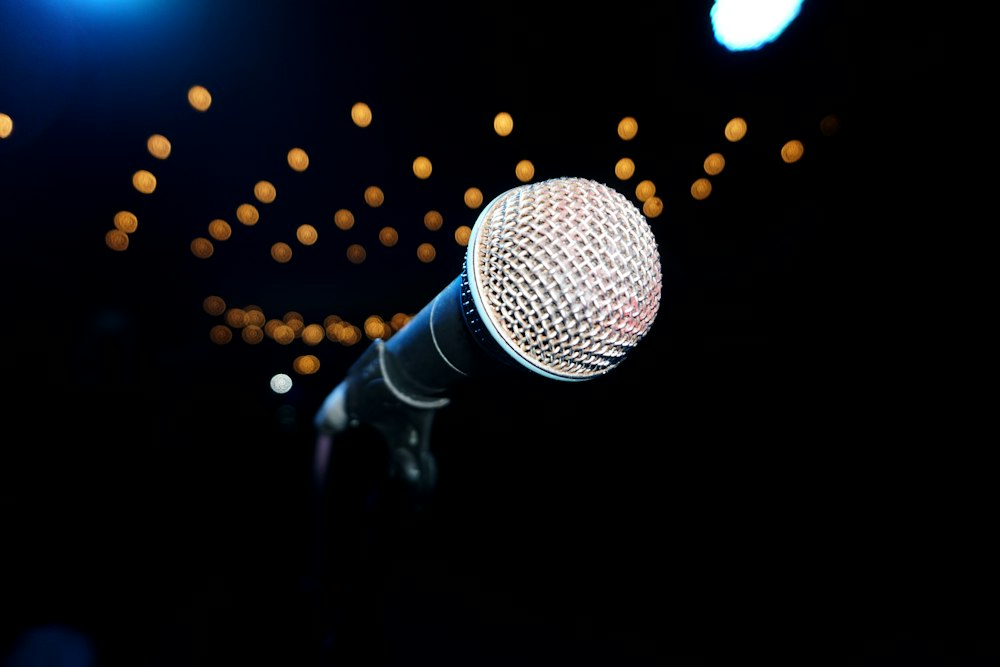
Stage microphone with blurred lights in the background

Willie Nelson is asking Congress to regulate hemp rather than shut out products that have become part of the cannabis marketplace. His appeal gives a familiar voice from country music a specific role in the policy debate: advocating for the farmers, businesses and customers affected by the approaching federal changes.

In November 9 reporting for High Times, Javier Hasse described a statement Nelson shared with the publication. Nelson argued that prohibition would damage the lawful market and favored rules focused on safety. These are his policy arguments, not findings that every product is effective or appropriate for every consumer.

A music figure with a commercial stake

Nelson’s public identity makes the appeal culturally recognizable, but the commercial connection matters too. High Times notes his involvement with Willie’s Remedy, which sells hemp-derived products, including THC beverages. Readers should understand that he is speaking as both an advocate and someone connected to the market under discussion.

That does not erase the substance of his position. It does help explain why the story belongs at the intersection of music, cannabis culture and business. A celebrity statement can bring attention to a dispute without independently resolving the evidence or the competing interests behind it.

The most useful way to read the appeal is to separate three things: what Nelson wants Congress to do, what the law currently says and what might happen if Congress acts again. Those are related questions, but they are not the same question.

December 11 is not the whole calendar

An October 28 Congressional Research Service analysis explains that legislation delayed most changes to the federal hemp definition until December 11. It also identifies an earlier November 12 provision concerning products containing cannabinoids that cannot be naturally produced by the cannabis plant.

That distinction is important when an appeal is summarized as opposition to a hemp ban. The legal change does not mean that every use of the hemp plant disappears. The revised definition expressly addresses industrial hemp used for non-cannabinoid products such as fibers and grains, while setting exclusions affecting cannabinoid preparations.

For finished hemp-derived products, the analysis describes a limit of 0.4 milligrams per container for combined total THC and other cannabinoids with similar effects. That is a different kind of measure from a percentage concentration in raw plant material. A shopper should not treat the familiar hemp label as proof that nothing changes.

The report also distinguishes compounds that occur naturally in cannabis from the way commercial quantities may be produced. These technical differences are part of the policy problem. Broad slogans about natural products or synthetic products can obscure the precise language Congress has adopted.

Regulation and prohibition describe different choices

Nelson’s appeal favors keeping a regulated market available. The National Hemp Association’s November 4 letter makes a related, but separately stated, case for a temporary legislative bridge and longer-term rules. The association says action before December 11 is uncertain and describes consumer safeguards as part of its approach.

These are advocacy positions. Their existence should not be reported as evidence that a replacement law has passed or that the deadline has moved again. A proposal, an industry campaign and an enacted change each occupy a different stage of the process.

The CRS analysis also notes that supporters of the restrictions cite consumer protection, while opponents favor a different regulatory framework. Recognizing that disagreement makes the debate more informative than a simple contest between people who support cannabis and people who do not. The argument is also about how products reach consumers and which rules govern them.

What readers should watch next

The practical development to follow is an actual change in federal law, accompanied by clear effective dates and agency implementation information. Another prominent endorsement may increase attention, but it does not itself change which products qualify as hemp.

For businesses, this means distinguishing plans based on existing requirements from hopes for a legislative reprieve. For consumers, it means checking current information for the specific product and jurisdiction rather than assuming that an advocacy campaign has already secured continued access.

Our coverage of HempAge’s winter clothing preview follows the textile side of the same plant. That contrast helps explain why precision matters: a discussion of cannabis fiber in clothing is not interchangeable with a discussion of THC drinks or other cannabinoid preparations.

Nelson’s intervention gives the hemp debate a recognizable cultural voice. Its immediate importance is the question it puts back before Congress: whether to let the approaching restrictions take effect or choose another framework. Until lawmakers act, the appeal remains an argument for change, rather than confirmation that change has arrived.

Illustrative stage microphone photograph; not Willie Nelson or one of his performances. Photo: Mona Rivas / Unsplash.

Continue Reading

Cannabis

Florida CannFest’s November 7 Lineup Puts Cannabis Culture on the Music Stage

The Mount Dora gathering pairs live music with cannabis-focused exhibitors, while admission and Florida’s medical program remain separate matters.

Published

on

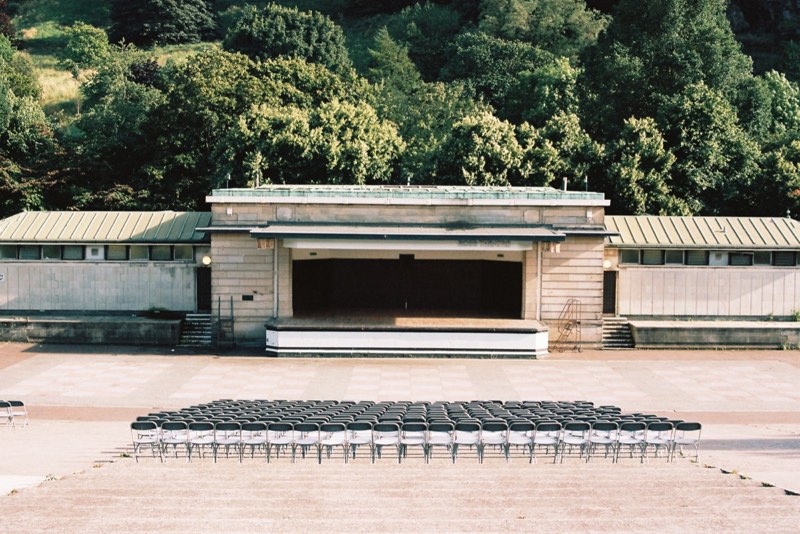
Empty outdoor stage and rows of chairs backed by trees

Florida CannFest is scheduled for Saturday, November 7 at Renninger’s in Mount Dora, with a music program that includes Space Kamp and Mendo Dope. The organizer’s event page lists general admission from 10 a.m. to 5 p.m. and identifies it as an 18-and-over event with identification checked at the gates.

The cannabis connection is central to the gathering, rather than an association added to an unrelated concert. The Mount Dora Area Chamber of Commerce describes cannabis-focused exhibitors and education alongside music, art, food trucks and vendors. The artists’ own catalogs also connect this lineup to cannabis culture, while the event ticket remains separate from authorization to obtain or use medical marijuana.

The published music schedule

CannFest lists DJ Dreadhead at 10 a.m., Kamrun at 11:15 a.m., The Council 2432 at 12:30 p.m., Space Kamp at 2 p.m. and Mendo Dope at 3:30 p.m. These are the organizer’s published times, which should be checked again before traveling.

There is a reason to use that qualification: Space Kamp’s own tour listing gives its November 7 appearance a different time. The agreement on the event and date supports the booking, but a discrepancy between artist and festival pages means an attendee should confirm the final running order with the organizer rather than treat every listing as interchangeable.

That is particularly relevant for someone arriving for one set instead of the full day. Entry, finding the stage and checking any last-minute changes all take time; the timetable is a planning aid, not a guarantee against changes in a live event.

Why these artists fit the setting

In its official biography, Space Kamp describes a mixture of alternative hip-hop, reggae and psychedelic influences. The duo dates its formation to 2017 and presents its music around conscious lyrics and a community-minded outlook. That background helps explain the musical identity of a program the festival says Space Kamp is hosting.

Mendo Dope’s music page makes the plant connection even more explicit. Its description of the album Censored frames the work around cannabis culture, growers and concerns about censorship. The listed collaborators include Space Kamp, giving listeners a documented musical connection between two names on the bill.

Those descriptions establish how the artists present their work. They do not establish anyone’s personal consumption, and a shared festival bill does not mean every listed performer will appear in one another’s set. Listeners can explore the catalogs beforehand without assuming a particular collaboration has been promised onstage.

A festival within a busy Mount Dora weekend

The chamber’s autumn festival guide places CannFest at Renninger’s on the same date as the Pirates & Parrots Festival at Elizabeth Evans Park. It also lists the Mount Dora Plant & Garden Fair for November 7–8. These are different events, not additional CannFest stages.

For visitors, that makes the venue name an important part of the plan. A trip into Mount Dora for the weekend does not put every event at the same address or behind the same admission. Check the ticket’s venue and entry instructions, and decide which gathering is the actual destination before arranging transport.

The chamber lists CannFest as an adult event and describes its blend of music and cannabis education. That combination gives people interested in the plant a cultural reason to attend even when they are not shopping for a product. It does not remove the need to check what individual exhibitors are offering or the terms attached to a purchase.

CannFest’s published terms say tickets are non-refundable and cannot be transferred. That makes checking the date and entry category before checkout particularly useful, especially for anyone coordinating the visit with friends or arranging travel.

Admission is not a medical cannabis credential

Florida’s Office of Medical Marijuana Use says patients and caregivers must have the required Medical Marijuana Use Registry identification card. Licensed medical marijuana treatment centers dispense to qualified patients and caregivers with an order entered by a qualified physician. Being old enough for a festival ticket does not complete those steps.

The organizer says vendors must comply with state law and prohibits illegal drugs among its restricted items. Readers should therefore avoid interpreting the CannFest name, an exhibitor’s presence or the music’s subject matter as blanket permission for on-site consumption. Ask the organizer about current venue rules before bringing any cannabis-related item.

For the music audience, the immediate opportunity is straightforward: a daytime lineup with an explicit place in cannabis culture. Confirm the final set times, carry the identification required for entry and keep festival admission, vendor transactions and medical-program eligibility distinct.

Illustrative stock outdoor stage; not the CannFest venue or performers. Photo: Alec Doualetas / Pexels.

Continue Reading

Music

DIIV’s ZIRP! Arrives With a Pop Ambition and an Album-Listening Invitation

The band’s fifth album pairs an A. G. Cook production partnership with a direct invitation to hear the songs beyond their genre labels.

Published

on

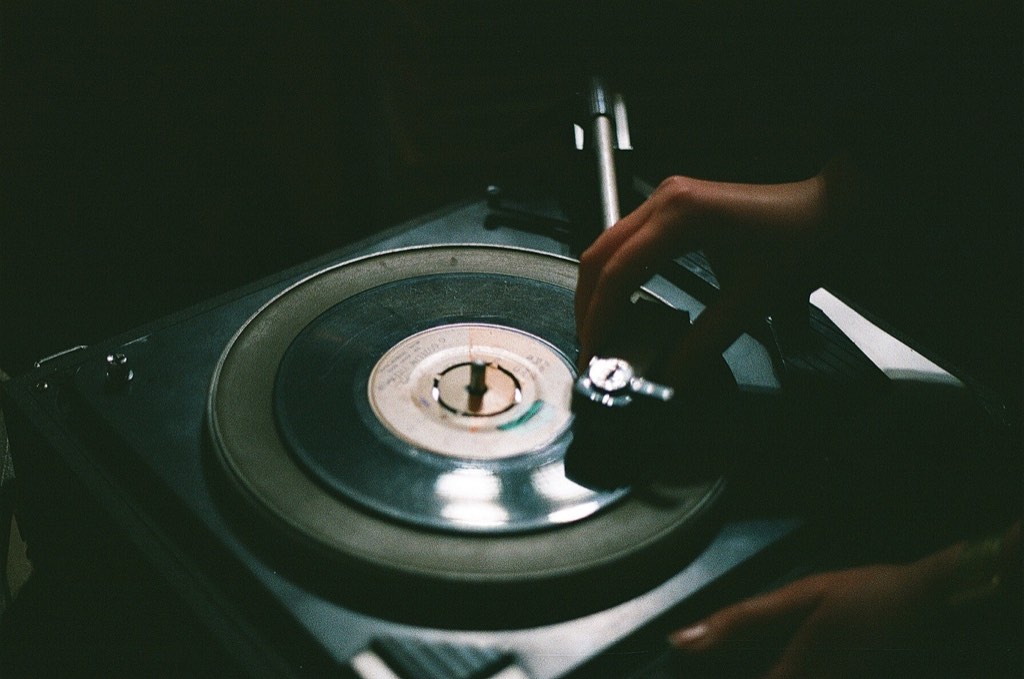
A hand adjusting the tonearm beside a spinning vinyl record

DIIV’s fifth album, ZIRP!, reaches its announced release date on October 30 with a direct statement of intent: the band wants its new music to be heard as pop as well as alternative rock. Produced by A. G. Cook and issued through Fantasy Recordings, the project offers a fresh point of entry for listeners who know the group mainly through its shoegaze reputation.

This is a guide to the release and its documented background, rather than a claim to have attended a session or an advance album review. The useful starting points are the band’s own listings, the label’s account of the collaboration and an unusually deliberate invitation to hear the record as a complete sequence.

A record for the cannabis listening ritual

For adult readers who make cannabis part of a private listening session, an album-length release offers a reason to give the music the room: choose the record first, put the phone aside and follow its sequence. The cannabis connection here is that familiar home-listening ritual, not a claim about DIIV’s personal use or the recording sessions. There is no need to prescribe a strain or promise that cannabis will improve the sound; the songs remain the focus.

A production partnership built around a band

In the label’s August announcement, Cook describes becoming interested in DIIV’s live sound. His account emphasizes recording live drums and intricate guitar parts rather than simply taking existing demos and reconstructing them on a computer. That is the producer’s explanation of the process, not an independent audit of the sessions.

The distinction is interesting because a producer’s name can become a shortcut for predicting an album before anyone hears it. Here, the documented process points toward collaboration with the band’s existing instruments and performance. The relevant listening question is how the songs use that foundation, rather than whether the pairing satisfies an assumed genre formula.

The label connects the album’s title to zero interest rate policy and frames its themes around a technology-shaped social environment. It also presents ZIRP! as a lighter turn from the group’s previous record. Those ideas describe the campaign around the music. Listeners can decide whether the songs carry them without treating a promotional description as a verdict.

Eleven songs, several ways in

The band’s official Bandcamp listing sets out eleven tracks, beginning with “The Fountain” and ending with “Idiot In The Sky.” “Kid,” “Dare Me” and “Trillions” appear within that running order. The sequence gives a clearer outline of the release than a playlist that isolates only the already-promoted songs.

There is a practical way to approach a record with this much language around it: hear an available single first, then return to its place within the album. Ask whether the track works differently after the preceding song, and whether the later material changes the opening impression. That is a listening method, not a prediction about the sound of tracks not reviewed here.

Apple Music’s DIIV artist page also identifies ZIRP! as an eleven-song release dated October 30. Platform availability and storefront wording can update at different times. A release-date label is useful evidence of the planned arrival, but an individual service’s actual playback page is the place to confirm access in a particular territory.

The listening-room approach

Omelas in San Juan listed an October 29 pre-release session, presented with In Sheep’s Clothing, built around hearing all eleven songs the night before release. The organizer described an album-length listening event, rather than a DIIV live performance. That distinction matters for anyone reading the announcement after the event date.

The session’s format offers a broader idea worth borrowing at home. An uninterrupted album listen makes the running order part of the experience, without requiring expensive equipment or a collectible edition. It also provides space to form a view before reading a review or comparing someone else’s favorite track.

That approach sits comfortably beside our recent Everything But the Girl release coverage, another entry point for readers exploring new releases this week. Both releases invite listeners to move beyond a familiar artist name, explore the official material and make room for a complete album rather than a single song.

Release day is not a delivery guarantee

Concord’s official neon-orange vinyl page lists an October 30 release date and a $25.99 price, with shipping calculated separately. It also uses pre-order language and says dispatch is expected during the release week. Physical fulfillment should therefore be checked independently of the album’s date.

The store warns that orders containing several items ship when everything is in stock. Bandcamp offers digital, vinyl and CD options, so the choice is partly about listening access and partly about the object a buyer wants to keep. Neither a colored pressing nor a larger merchandise order is necessary to evaluate the music itself.

Bandcamp lists the standard CD at $13.98 or more. That provides a physical alternative for listeners whose home setup or collection favors discs over vinyl.

For this weekend, the meaningful news is the arrival date and the creative partnership behind it. Start with the official listening options, keep shipping expectations realistic and let the eleven-song sequence make its own case.

Illustrative stock turntable photograph; not a DIIV record or recording session. Photo: Sena Yıldırım / Pexels.

Continue Reading

Trending

Join The Cannabis Aficionado Community!
Join the Cannabis Aficionado community and receive all of the most relevant news geared towards our sophisticated enthusiast community.
Loading

Copyright ©️ 2026 Cannabis Aficionado. Cannabis Aficionado is a registered trademark of CNM Inc. All rights reserved. Registration on or use of this site constitutes acceptance of our Terms of Service, Privacy Policy and Cookies Policy. People may receive compensation for some links to products and services. Offers may be subject to change without notice.