California Attorney General Rob Bonta announced November 16 that the state’s Eradication and Prevention of Illicit Cannabis program removed nearly one million illegally cultivated cannabis plants and recorded 221 arrests across 22 counties during 2026. The annual enforcement announcement connects cannabis cultivation with environmental damage, worker exploitation and the challenges facing the licensed market.
The figures describe activity reported by law enforcement. They are not a count of convictions, a complete estimate of California’s illicit cannabis market or a finding that every arrested person committed the conduct described in the announcement. Those distinctions are essential when reading a large statewide total.
What California reported
According to the Department of Justice’s release, EPIC teams conducted 655 operations in Northern, Central and Southern California and recovered 158 weapons. Teams also removed infrastructure including dams, water lines and containers of toxic chemicals. The department described concerns involving water theft, pesticides, habitat damage and labor exploitation.
The announcement attributes those results to joint work by local, state and federal partners. Its statewide description should not be treated as a case-by-case account of charges or outcomes. Individual allegations, prosecutions and judgments would need to be checked against the relevant records before attaching them to a person or business.
The program’s official overview says EPIC focuses on investigating and prosecuting civil and criminal cases involving illicit cultivation, with attention to environmental and economic harms and labor exploitation. That remit helps explain why the annual statement extends beyond the number of plants removed.
Arrests also refer to people, while operations refer to enforcement activity. They are different units, and the release does not support treating either as a count of adjudicated criminal cases.
What plant totals can and cannot establish
Eradication figures provide one measure of enforcement activity. On their own, they do not establish the amount of finished product that would have reached consumers, the revenue associated with it or the share of the unlicensed market eliminated. Converting plants into a retail-market estimate would require assumptions that this announcement does not supply.
The same caution applies to evaluating success. A high operation count can document substantial enforcement work without answering every question about deterrence, environmental restoration or workers’ long-term circumstances. Those outcomes require evidence beyond an annual tally.
For licensed producers, the release frames illicit cultivation as an economic concern as well as a public-safety one. The consumer-facing distinction is more concrete: a plant photographed at a grow site is not evidence that a particular retail package passed testing or entered a regulated supply chain. Those questions need their own records.
How the licensed market handles testing
The Department of Cannabis Control’s testing guidance says all batches must be tested before sale. Required checks cover cannabinoids and terpenes, residual solvents and processing chemicals, pesticides, heavy metals, microbial impurities, mycotoxins, moisture and foreign material. Results are recorded in a Certificate of Analysis that identifies whether a batch passes or fails.
The regulator also describes procedures for failed batches, including destruction or approved remediation followed by retesting. This is a separate regulatory process from EPIC’s investigations. An enforcement seizure and a failed laboratory batch are not interchangeable events, even when both raise questions about product safety.
Testing requirements should not be presented as a guarantee that no problem can occur in the licensed market. Their value is a defined set of obligations and records against which a product can be checked. That is different from relying on appearance, a seller’s assurances or the reputation of a strain.
What consumers can verify
DCC’s consumer guidance directs buyers to its license search and notes that retailers must display their state license. The certificate’s QR code provides another way to check status. The agency warns that some stores that appear legitimate are unlicensed and may sell untested products.
License verification is a useful first check because a professional-looking storefront does not establish regulatory status. It also avoids a common mistake in interpreting enforcement news: assuming that a statewide announcement identifies which specific shops or packages are affected. The EPIC totals do not provide that retail answer.
For a product-specific concern, the DCC recall guidance explains how to search its recall portal and compare the batch number and unique identifier on a notice with the package label. A matching brand name alone is insufficient to determine whether an individual package is included.
California’s announcement documents a substantial enforcement effort. For readers making a purchase, the most useful response is to keep the evidence at the right level: statewide totals describe operations; case records establish individual outcomes; licenses, testing records and recall notices address the regulated products on a shelf.
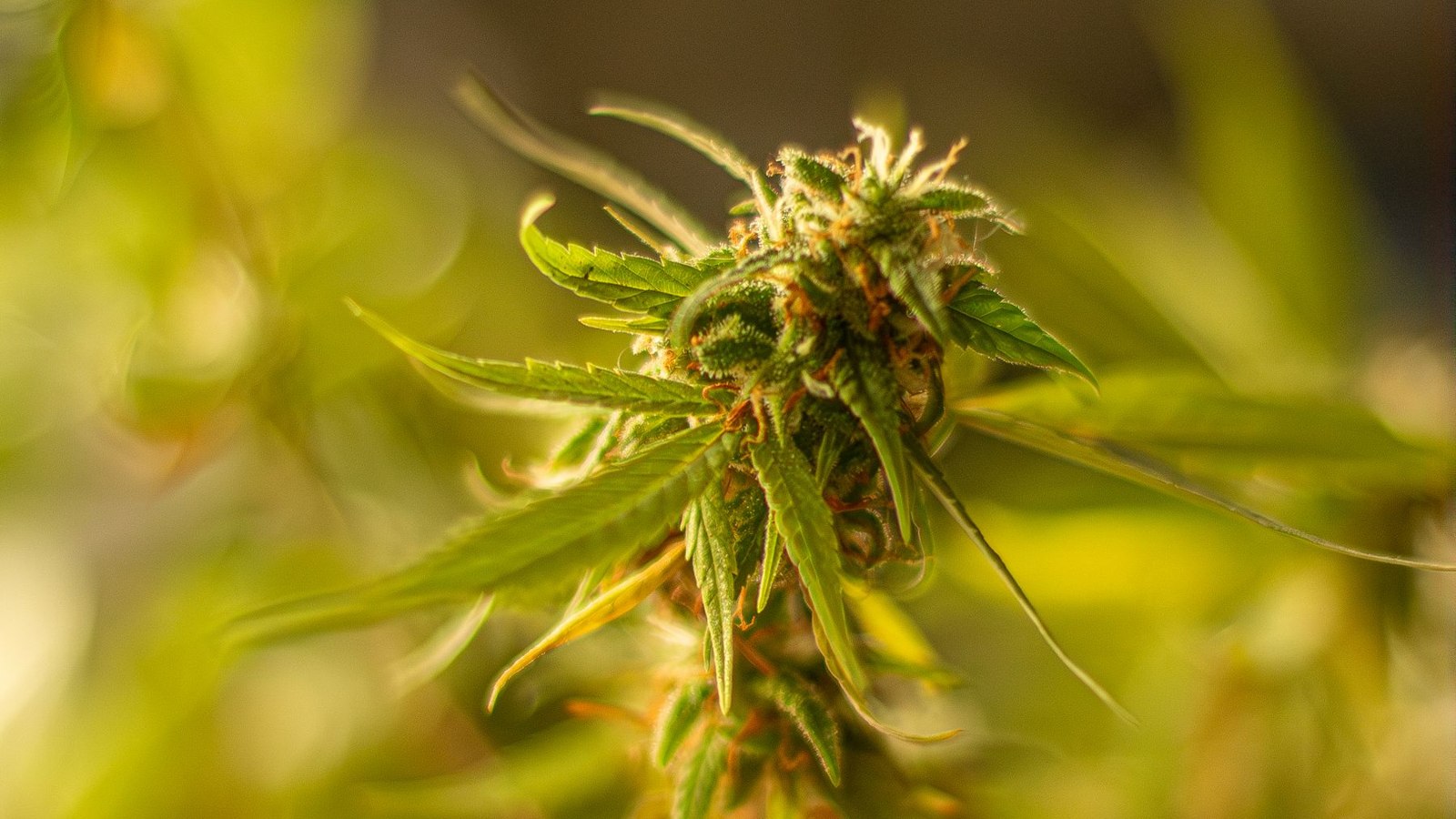
Illustrative cannabis stock photograph; not a California grow, seized plant or EPIC operation. Photo: Lucas Pezeta / Pexels.






 Cannabis4 weeks ago

 Cannabis4 weeks ago

 Cannabis4 weeks ago

 Cannabis4 weeks ago


 Cannabis4 weeks ago

 Cannabis4 weeks ago

 Cannabis4 weeks ago