#cannabisaficionado

Cannabis

Oregon’s Cannabis Health Update Starts With a Better Question About the Product

Oregon’s updated public health statements bring cannabis benefits, risks and research gaps together. Product details shape how the findings apply.

Published

on

Advertisement Back2Grow Advertisement

Oregon Health Authority has updated its cannabis public health statements for the first time since 2017, putting potential benefits and harms into one public resource. Announced November 5, the update is aimed at residents, clinicians and policymakers trying to interpret a growing body of research. Its most useful message for a cannabis consumer is specific: findings about one medicine, ingredient or method of use may not describe the product in your hand.

Start with the product behind the finding

In its public explanation of the update, OHA says it reviewed hundreds of studies and reports. The agency identifies evidence supporting certain cannabis-based medicines for specific conditions, including some seizure disorders, chemotherapy-related nausea, multiple-sclerosis symptoms and chronic pain in adults. It also discusses risks involving smoke, driving, poisoning, cognition and mental health. Those categories provide an index for reading the evidence, rather than a single verdict applying to every cannabis product.

A useful first question is what researchers actually studied. A precisely formulated medicine, a flower product and an edible with several ingredients can expose people in different ways. Even when two products contain the same named cannabinoid, their concentrations and routes of administration may differ. To judge whether a study is relevant, look for a description of the preparation and the people who received it before focusing on the headline outcome.

The agency highlights a limitation in existing research: studies do not always describe the products or their cannabinoid content clearly enough. That leaves a gap between a broad research category and a particular retail item. Recognizing that gap helps readers keep a promising finding in proportion. It also gives clinicians a reason to ask exactly what a patient uses instead of recording cannabis as though it were one uniform preparation.

Separate the outcome from the explanation

When a report describes an association, ask what the study design can establish. An observational study may identify a relationship between cannabis use and an outcome while leaving questions about other differences between participants. A controlled trial addresses a different question under its own conditions. Reading the methods and limitations can help explain why apparently similar headlines sometimes lead to different conclusions.

It also helps to ask how an outcome was measured. A change in a symptom score, a hospital visit and a person’s report of feeling better are different observations. Each can matter, but they are not interchangeable. The length of follow-up matters as well. A result measured over a short period cannot answer every question about repeated use over years. Good questions become more concrete as the product, population and outcome come into focus.

Bring useful information to the appointment

OHA recommends discussing cannabis use for a health condition with a health care provider. A practical way to prepare is to bring the package or a clear photograph of its label, along with a list of other medicines and supplements. Write down what you hope to address and what you have actually noticed. That gives the conversation a starting point more useful than asking whether cannabis is generally good or bad.

If you already use a product, note its form and the timing of use. Keep observations descriptive. Recording when a symptom occurred and when a product was used preserves information without assuming one caused the other. Your clinician can then consider the broader health context and decide what additional information is needed. A public evidence review can help organize that conversation, while individual care depends on details the review cannot know.

The same approach helps when encountering marketing. If a seller cites research, ask for the study and compare its product with the one tested. Check whether the claim concerns an ingredient or the finished preparation. A reference to a published paper is the beginning of a verification process, because the paper may address a different formulation, dose, population or outcome from the one a customer has in mind.

What an updated public resource can do

The agency’s announcement places the new statements in the context of changing products, policies and evidence. Keeping a public summary current gives residents a shared place to begin. It also makes uncertainty visible, including the difference between a finding that supports a particular therapeutic use and the information still needed to assess other products.

For readers, the update offers a better set of questions to carry into a consultation or a closer reading of a study. Identify the preparation, the person, the outcome and the limits of the evidence. Those details make cannabis health information more useful than a broad promise of benefit or a headline that treats every kind of use as the same experience.

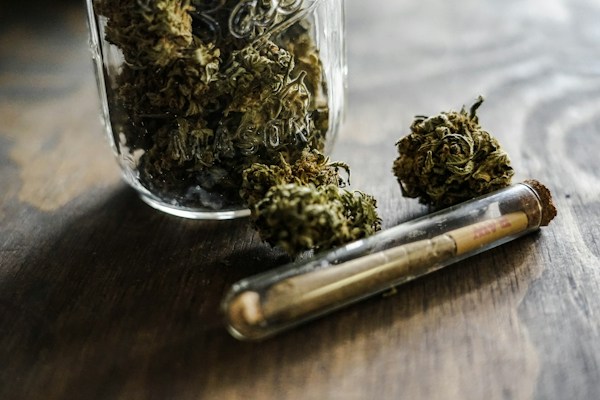
Illustrative medical-study photograph. Photo: Abdulai Sayni / Unsplash.

Cannabis

Tokyo’s Hemp Expo Brings Materials, CBD and Design Together This Week

Tokyo’s November 13–14 hemp expo brings CBD, materials and design together. Its business and community days offer different ways into the plant’s wider uses.

Published

on

Mirrored entrance overlooking pedestrians and traffic in Omotesando, Tokyo

Tokyo’s Japan International Hemp Expo is scheduled for November 13–14 at House of OMOTESANDO, bringing hemp and CBD businesses together for a two-day program. The cannabis connection extends beyond cannabinoid products. The organizer describes an exhibition spanning agriculture, construction materials, food, fashion and biotechnology, giving visitors a chance to follow several uses of the same plant through one venue.

Choose the day around the conversation

The official online guidebook identifies Friday as Business Day and Saturday as Community Day. Doors open at 10:30 a.m. on both days. The listed closing times are 10 p.m. Friday and 6 p.m. Saturday, in Tokyo local time. Admission is free with advance registration. Those details establish the exhibition’s public window, so visitors should check the live program for the timing of any particular session.

The venue address is 5-34-8 Jingumae in Shibuya. For a first visit, save both the building name and the street address. A district name is useful when choosing accommodation or planning a route, but the exact address matters when finding the entrance. Leave enough time to locate registration before a session you particularly want to attend. A program with several kinds of exhibitors can make it easy to spend longer than expected on the floor.

The international visitor guide separates travel preparation from the event itself. It includes access information, visa-invitation procedures and a compliance and customs section. Check those requirements directly before making travel decisions. A registration confirmation establishes admission to an exhibition. Travelers still need to establish which documents and products they may take across a border.

Follow a material from the field to the finished object

For a reader interested in hemp clothing, the exhibition offers a practical way to ask about the stages between a plant and a garment. A fiber sample, a yarn and a finished textile each show a different production decision. Ask what is available now, what is still being developed and where a material is processed. That conversation can help distinguish a concept from something a designer can order for a production run.

The same approach works for construction materials. A demonstration object can show texture or form, while a buyer needs separate information about intended use, specifications and the requirements that apply where it will be installed. A display is a starting point for a technical conversation. Ask the exhibitor which documents support a claim and whether those documents describe the exact product on the stand.

Our coverage of Object Apparel’s hemp collection looked at the garment end of this process. JIHE’s broader remit gives visitors an opportunity to ask about the intermediate stages as well. Someone interested in clothing may learn as much by talking to a materials supplier as by looking at finished apparel. Keep the questions tied to a specific sample, because fiber content and construction can vary within a single company’s range.

Use the program as a set of questions

The organizer’s speaker announcement describes participation by more than 100 companies, organizations and brands. That is an organizer-reported figure for the announced program. It provides a sense of the intended scale, while the current exhibitor directory is the better place to identify whom you can actually meet. Make a short list before arrival and check whether the relevant representative will be available on your chosen day.

For CBD products, useful questions concern ingredients, documentation and the market the product is intended to serve. A business developing an ingredient may have a different customer from a company selling a finished item. Ask which part of the supply chain the exhibitor handles and what information travels with an order. Those answers can make a complicated floor easier to navigate without assuming that everything displayed belongs in the same product category.

Anyone attending to learn rather than buy can use the same method. Choose a question to carry between stands, such as how a supplier verifies a material or how a brand decides what information appears on a label. Comparing answers can reveal where the participants agree and where their priorities differ. Take notes on the source of each answer so a later follow-up reaches the right person.

JIHE’s dates put the show at the end of this week. Before leaving, revisit the registration page and live schedule, then confirm the sessions and exhibitors that justify the trip. The value of a broad hemp exhibition lies in making those connections concrete, from a raw material to the product and the people responsible for bringing it to market.

All times listed here are local to Tokyo.

Illustrative Omotesando city scene. Photo: Susann Schuster / Unsplash.

Continue Reading

Cannabis

Canada Proposes a Shared Cannabis Stamp, With Destination Rules Still Attached

Canada’s Budget 2026 proposes a shared cannabis stamp from 2028, with destination reporting and a transition period still shaping the supply chain.

Published

on

Canada’s Budget 2026 proposes a common cannabis excise stamp for jurisdictions that share the same duty rate, with producers able to start using it on January 1, 2028. The change targets one of the less visible parts of bringing legal cannabis to a store: deciding which jurisdiction a package is destined for before it enters the duty-paid market. The proposal could make that work simpler, while leaving destination reporting and provincial sales systems important.

What the budget proposes

The budget’s government-efficiency chapter identifies eight jurisdictions for the shared stamp: British Columbia, Quebec, New Brunswick, Prince Edward Island, Nova Scotia, Newfoundland and Labrador, Yukon and the Northwest Territories. Other participating jurisdictions could choose to join. The tax annex gives January 31, 2027 as the deadline for confirming participation. These are proposed future arrangements, so they provide a planning timeline rather than a change to today’s package.

For producers, a jurisdiction-specific stamp makes the intended destination part of the physical packaging process. A common stamp could reduce the number of different stamped versions a business needs for participating destinations. That matters when a company has the same underlying product intended for several markets. The product may be identical, but the packaging workflow still has to account for where each unit will enter the regulated sales system.

A common stamp still needs a destination

The budget would continue requiring producers to report and remit duty for the jurisdiction where a product is destined. It also proposes a penalty for missing or incorrect destination reporting. A shared physical stamp therefore makes the records behind a shipment especially important. Anyone assessing the change should consider both the number of package versions and the work needed to record where those packages go.

A simple hypothetical shows the distinction. A producer might prepare one version of a package suitable for several participating jurisdictions. Before sending an order, it would still need to identify the actual destination and account for the relevant duty. The common stamp could make the package more flexible, while the order records establish the details of that particular transaction. The budget does not turn every provincial system into one nationwide retail channel.

The proposal also includes a process for producers accepting returned common-stamped products and entering them into another participating jurisdiction. The draft legislative text sets out conditions for that process, including reporting and duty adjustments. That is a specific route for handling returns. A business would need to understand the conditions before treating existing inventory as freely transferable.

The transition has more than one deadline

The tax annex proposes a transition during which either stamp could be used for products entering participating markets. That period would end June 30, 2029. Previously entered products with the older jurisdiction-specific stamps could continue to be sold by wholesalers and retailers until December 31, 2029. Those dates address different points in the supply chain. A producer planning packaging and a retailer planning shelf inventory would therefore be watching different deadlines.

That distinction is useful for readers who see a policy headline and expect an immediate visual change at the store. The proposal has a future start date and a period of overlap. If implemented as described, shoppers could encounter packages carrying different stamps during that transition. The right explanation would depend on when the product entered the duty-paid market and which jurisdiction adopted the common stamp.

Our coverage of cannabis distribution examined the operational work behind store availability. Canada’s stamp proposal concerns a different regulatory system, but it draws attention to the same practical point: a product’s journey includes recordkeeping and packaging decisions as well as cultivation. Changes to one part of that journey can affect how businesses organize inventory without settling every other requirement.

What would establish the practical benefit

For a producer, the useful questions are how many packaging variants would disappear, which destinations would participate and what changes its order software would require. For a retailer, the question is how to recognize compliant stock during the transition. Actual savings would depend on the business and the eventual rules. A proposal to simplify stamps alone cannot establish a particular reduction in shelf prices or guarantee wider availability.

The next milestones are participation decisions and the legislative process. Readers following the measure should compare the final rules with the budget’s proposed dates and conditions. The immediate story is a concrete attempt to simplify cannabis packaging administration, with a shared stamp on the outside and destination-specific accounting still doing essential work behind it.

For now, current stamping requirements continue to guide today’s shipments.

Illustrative cannabis photograph. Photo: Elsa Olofsson / Unsplash.

Continue Reading

Cannabis

Cresco’s New Quarter Puts Cannabis Sales, Cash Flow and Losses Side by Side

Cresco’s latest quarter pairs higher year-over-year cannabis revenue with positive operating cash flow and a reported loss.

Published

on

Cresco Labs reported third-quarter cannabis revenue of $172.8 million on November 6, up from $164.9 million a year earlier and slightly below the previous quarter. The operator of Sunnyside dispensaries also reported positive operating cash flow alongside a net loss. Those results make the quarter useful for readers following how cannabis companies turn store and wholesale sales into money available to run the business.

Two comparisons tell different stories

The company’s release covers the three months ended September 30. Its revenue table puts the latest result beside both June 2026 and September 2025. Sales increased about five percent year over year, while the comparison with the immediately preceding quarter was nearly flat. A reader choosing only one comparison could therefore miss a useful part of the picture.

The year-over-year comparison asks how the business performed against the same period a year earlier. The sequential comparison asks what changed more recently. Neither alone explains why sales moved. To understand the trend, a reader would need to examine changes in the operating footprint, the mix of products sold and the markets served. The headline percentage is a starting point for those questions.

For someone shopping at a dispensary, company revenue is several steps removed from the availability of a favorite product. The total combines transactions across the reporting business. It does not show which store has a particular item today or how a local menu changed. Use the financial report to follow the operator, then use current store information for the practical details of a visit.

Cash generation and the reported loss

Cresco reported approximately $26 million in operating cash flow and $21 million in free cash flow for the quarter. Its net loss was about $14.5 million. The financial statements provide the income statement and cash-flow information behind the results. The coexistence of cash generation and a loss is a reason to read both statements rather than treat either figure as the complete story.

Revenue can be recognized before the customer’s payment arrives, and an expense can appear in a different period from the related cash movement. Changes in inventory, receivables and amounts owed to suppliers can also influence operating cash flow. That makes a single quarter useful but incomplete. Several periods provide a better basis for deciding whether the business is consistently generating cash through ordinary operations.

Free cash flow adds another layer because it accounts for capital spending under the company’s definition. Check the reconciliation when comparing operators. A business investing heavily in a facility may have a different cash profile from one using existing capacity, even if their store sales are similar. The number becomes more informative when the reader can identify both the operating result and the investment activity behind it.

Read adjusted measures with their definitions

Cresco’s release reports adjusted EBITDA of about $35 million and explains that the measure excludes specified items from its accounting result. The adjustment can help management discuss performance, but the reconciliation is essential for seeing what changed. Readers comparing the figure with another company should check whether both calculations remove the same types of costs.

That discipline also matters for margins. A margin expresses a result as a share of revenue, while the dollar amount shows its scale. If revenue changes, the two can move differently. Looking at both helps distinguish a business keeping more from each sales dollar from one generating more dollars because it sold more overall. Neither automatically establishes the final amount left after every expense.

Our report on cannabis distribution explored how operational decisions affect the route to retail. Earnings reports offer another perspective on that work. They aggregate the sales and costs recognized during a period, while announcements about a new platform or a delivery network describe how a business intends to operate. Over time, the financial record can help test whether an operating change translated into measurable results.

What to look for next quarter

The next comparison should put sales, cash generation and the loss side by side again. Check whether a change reflects the same operating footprint and whether the company identifies an acquisition, a new market or another event affecting comparability. Keep the currency in view as well: Cresco reports these figures in U.S. dollars.

The latest quarter establishes higher sales than a year earlier and positive operating cash flow, alongside a reported loss. What happens next will be clearer when another period shows whether that combination persists. The practical task for readers is to follow the same measures consistently, with their definitions and the businesses included in each period close at hand.

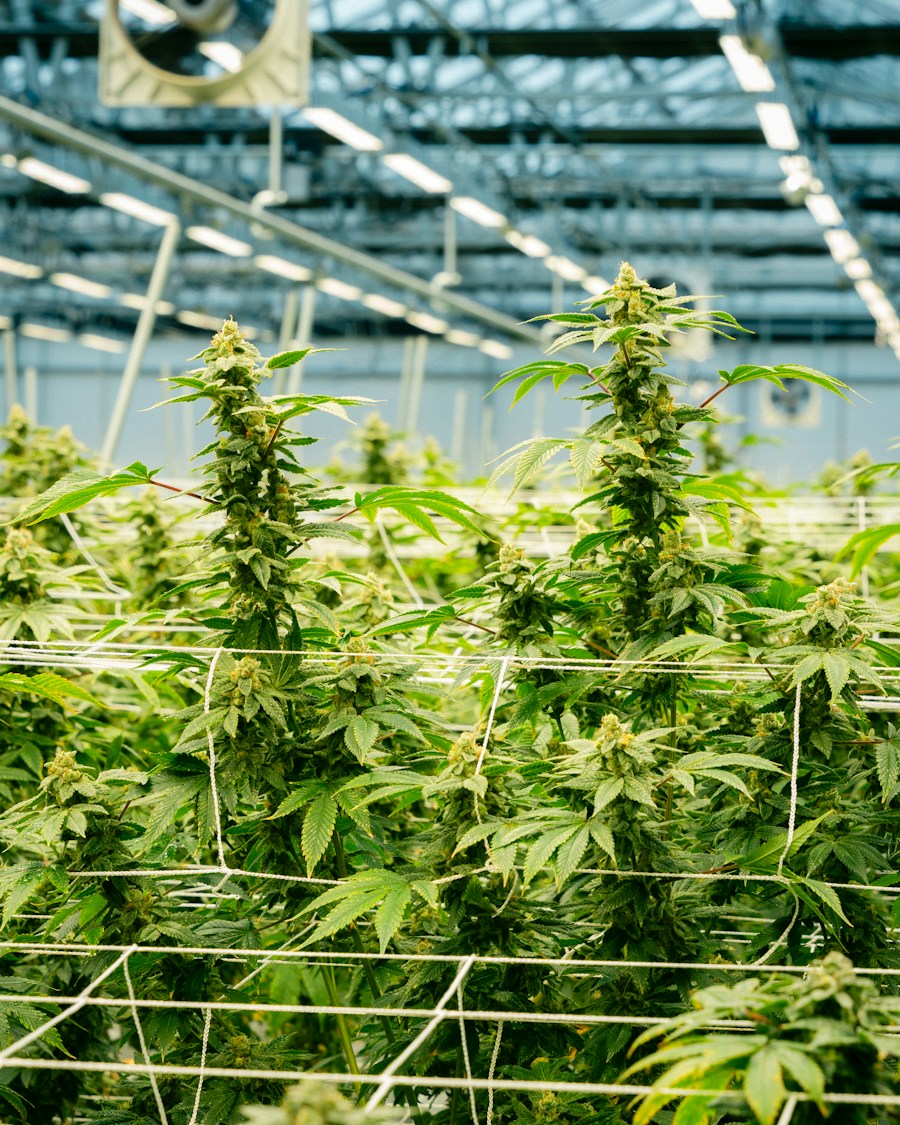
Illustrative cultivation photograph. Photo: Evan Strock / Unsplash.

Continue Reading

Trending

Join The Cannabis Aficionado Community!
Join the Cannabis Aficionado community and receive all of the most relevant news geared towards our sophisticated enthusiast community.
Loading

Copyright ©️ 2026 Cannabis Aficionado. Cannabis Aficionado is a registered trademark of CNM Inc. All rights reserved. Registration on or use of this site constitutes acceptance of our Terms of Service, Privacy Policy and Cookies Policy. People may receive compensation for some links to products and services. Offers may be subject to change without notice.