#cannabisaficionado

Cannabis

The EU’s Hemp Plan Would Broaden Crop Rules Without Erasing National Drug Laws

An October 19 negotiating position would bring more hemp plant parts into agricultural market rules. It is not a completed EU-wide legalization measure.

Published

on

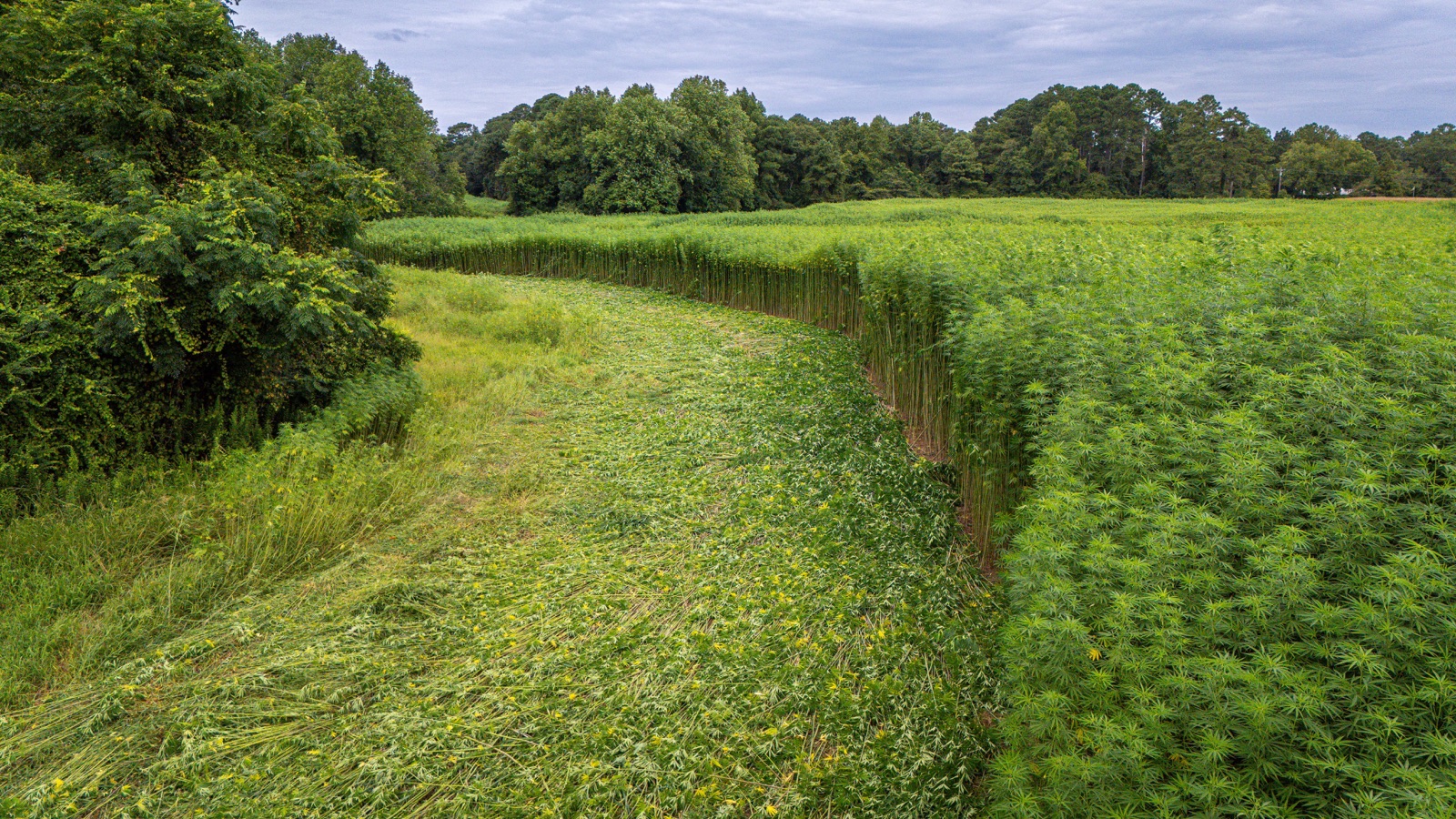
Green hemp field bordered by trees beneath a cloudy sky
Advertisement Back2Grow Advertisement

The European Union’s hemp debate is moving beyond fiber and seeds, but the latest development comes with limits that matter as much as its ambition. On October 19, the Council of the European Union approved a negotiating position supporting more consistent rules for hemp production and marketing across member states, covering all parts of the plant.

The measure remains a proposal in a broader agricultural reform. It does not establish that every hemp flower, extract or finished consumer product can now be sold throughout Europe. The Council’s position expressly preserves national safeguards involving public health, drugs and security.

What the Council actually agreed

The Council announcement, updated with the negotiating text on October 20, describes a partial mandate for revisions to the Common Organisation of Agricultural Markets. The hemp provisions retain strict seed certification and a 0.3 percent delta-9 THC threshold.

The aim is to address differences among national production and marketing rules. The mandate provides a basis for negotiations with the European Parliament; it is not the final outcome of those negotiations. Financial and horizontal questions remain connected to the wider 2028–2034 budget discussions.

Ganjapreneur’s October 26 coverage brought renewed attention to the hemp provisions. The underlying decision was taken a week earlier, an important date distinction when assessing what has changed and what still needs agreement.

Why all parts of the plant matter

The negotiating text identifies new applications for biomass from different parts of hemp and the potential to give farmers opportunities beyond fiber production. It also recognizes that divergent national approaches can create uncertainty and barriers within the internal market.

Its proposed production and marketing provisions refer to registered varieties and certified seed, including requirements for plant parts beyond raw hemp. Administrative checks and further Commission rules would help verify compliance. This is an agricultural supply-chain framework, with documentation and oversight attached.

For a farmer or buyer, the practical attraction is a clearer basis for identifying which crops and agricultural materials qualify. However, a common starting point for cultivation does not answer every question about what a manufacturer may make from the harvest or how a retailer may present it.

National safeguards remain in the text

The Council document explicitly preserves Union and national rules governing end uses, including public-health and public-security grounds. That makes the destination of a crop important: rules for producing an agricultural material and rules for putting a finished product on the shelf can operate at different levels.

A hemp flower’s inclusion in an agricultural category should therefore not be described as blanket permission for recreational cannabis sales. Nor should the 0.3 percent figure be treated as a universal consumer-product safety standard. Those conclusions would extend beyond what this negotiating text establishes.

The existing system already has conditions

The European Commission’s hemp overview explains the current relationship between the crop and the Common Agricultural Policy. Area-based support requires eligible varieties and certified seed from the common catalogue, alongside the standard conditions for direct payments.

Imports also have specific controls. Raw hemp and seed for sowing are subject to THC-related requirements, while seed not intended for sowing has separate authorization conditions. The Commission notes that member states can apply more restrictive rules consistent with EU treaties and international obligations.

These existing requirements help explain why harmonization is more detailed than selecting a single THC percentage. Variety identity, seed certification, crop verification and the material’s intended market all affect how the framework works. The current discussion would expand and clarify that framework rather than create agricultural hemp recognition from nothing.

That makes the distinction relevant to businesses at different stages of the chain. A seed supplier, a farmer and a finished-product retailer may be looking at the same plant while facing different compliance questions.

A crop threshold is not a serving size

The European Union Drugs Agency makes a useful distinction in its legal overview: a percentage threshold developed for hemp cultivation is not an adequate safety limit for a product intended for human consumption. The amount someone actually ingests depends on the amount of product consumed.

The agency also distinguishes agricultural hemp rules from controls affecting other products and notes the continuing role of national legislation in trade. That is particularly relevant for readers accustomed to seeing “hemp” used as if it were one uniform retail category.

The Parliament’s proposal summary places hemp alongside changes concerning protein crops, agricultural marketing standards and crisis preparedness. Parliament participates on equal footing with the Council through the ordinary legislative procedure.

The next meaningful milestones are an agreed legislative text and clear application arrangements. Until then, the Council’s position signals support for broader agricultural treatment of hemp while leaving important national and product-specific questions intact.

Illustrative stock hemp field photographed in the United States; not an identified EU farm. Photo: Mark Stebnicki / Pexels.

Cannabis

AiroPro Enters the UK Through a Medical Pharmacy Partnership

Airo and SOMAÍ announce four inhalation formulations with IPS Pharma distribution. Patient access still depends on prescribing and pharmacy supply.

Published

on

River Thames and London skyline at sunset

Airo and SOMAÍ have announced a United Kingdom launch for the AiroPro inhalation system, adding a new device-and-extract combination to the country’s medical cannabis market. The October 27 announcement names IPS Pharma as the exclusive UK distributor, with supply through pharmacies and healthcare providers rather than an ordinary recreational retail rollout.

According to SOMAÍ’s announcement, the initial portfolio contains four formulations. NYC Diesel and Pink Rozay sit in a Strain Series using cannabis-derived terpene blends; Lemon Cake and Mango Kush sit in an Artisan Series using botanical terpenes. The extracts are made at SOMAÍ’s Lisbon facility, which the company describes as EU-GMP certified.

The companies describe AiroPro as an integrated system in which the device and compatible extracts work together. They say the products are available through UK pharmacies. That is an account of commercial availability, not evidence that every clinic will prescribe the products or that every pharmacy already has stock.

A medical launch still begins with a clinical decision

The General Medical Council’s guidance makes the prescribing distinction clear. Unlicensed cannabis-based products for medicinal use must be supplied for use according to a prescription or direction from a doctor on its Specialist Register. Specialists must work within their competence and assess the individual patient.

The GMC says many cannabis medicines lack a UK marketing authorisation and may not have undergone MHRA assessment for safety, efficacy and quality. Prescribing can be appropriate when a specialist concludes that a patient’s specific clinical needs require it. That is different from a brand’s decision to introduce another format.

For shared care, the guidance calls for clarity about the medicine, dose, means of administration and treatment protocol. It also requires patients and other treating doctors to receive sufficient information for safe care. Those responsibilities remain relevant regardless of a product’s familiar cultivar name or the design of its hardware.

Manufacturing standards answer a different question

EU-GMP appears prominently in the launch announcement. The MHRA’s manufacturing guidance describes good manufacturing practice as the minimum production standard medicines manufacturers must meet. It addresses consistent quality and conformity with the applicable marketing authorisation or product specification.

Good distribution practice concerns obtaining medicines through the licensed supply chain and storing, transporting and handling them under suitable conditions. Regulators inspect manufacturing and distribution sites to assess compliance.

That framework helps explain the significance of a pharmaceutical manufacturing claim. It should not be treated as a clinical trial showing that one formulation works better than another. Production controls, distribution controls and an individual treatment decision are connected parts of the process, but each answers a different question.

Our recent LOT420 coverage similarly examined why the scope of a cannabis quality certification matters. A certification headline needs to be read alongside the activity and product it actually covers.

Importing a product is not the same as approving it

The MHRA’s guidance on unlicensed medicines explains the separate supply route. These medicines, often called specials, have no UK marketing authorisation. They may be supplied to meet individual clinical needs when available licensed medicines cannot meet those needs.

Importers need the relevant permissions and must notify the MHRA before importing an unlicensed medicine. The notification includes evidence concerning manufacturing and distribution standards and a special clinical need. The launch announcement therefore sits within an existing medicines framework; it does not announce a new exemption from it.

The NHS patient information also distinguishes prescribed medicines from products marketed online as medical cannabis. It advises patients to keep prescribed medicine in its original packaging, along with a prescription copy and any relevant doctor’s letter. The dispensing label identifies both the medicine and the person for whom it was prescribed.

NHS availability is a separate question from a company’s UK launch. The NHS explains that very few people in England are likely to receive an NHS medical cannabis prescription, and that other treatments are considered first. A product appearing in pharmaceutical distribution does not establish that it will be offered through every care pathway or paid for by the health service.

What this changes for a patient

The concrete development is a named distributor and a defined initial portfolio. Whether it changes an individual patient’s treatment depends on a clinical assessment, the prescription, pharmacy supply and the instructions for the specific device and extract. A U.S. brand’s reputation cannot settle those questions on its own.

The announcement gives clinicians and patients another product combination to discuss. It does not demonstrate comparative effectiveness, establish NHS funding or guarantee that a particular formulation is suitable for a particular condition. Those boundaries make the launch easier to understand: more supply options within medical channels, with the prescribing decision still resting on the patient’s circumstances.

Illustrative stock view of London; not an Airo, SOMAÍ or IPS Pharma facility. Photo: Matheus Bertelli / Pexels.

Continue Reading

Cannabis

Rooted and ReLeaf Set October 30 Grand Opening in Eldersburg

The already-operating Liberty Road dispensary plans a Friday celebration, with a 1 p.m. ribbon cutting and a standing military discount.

Published

on

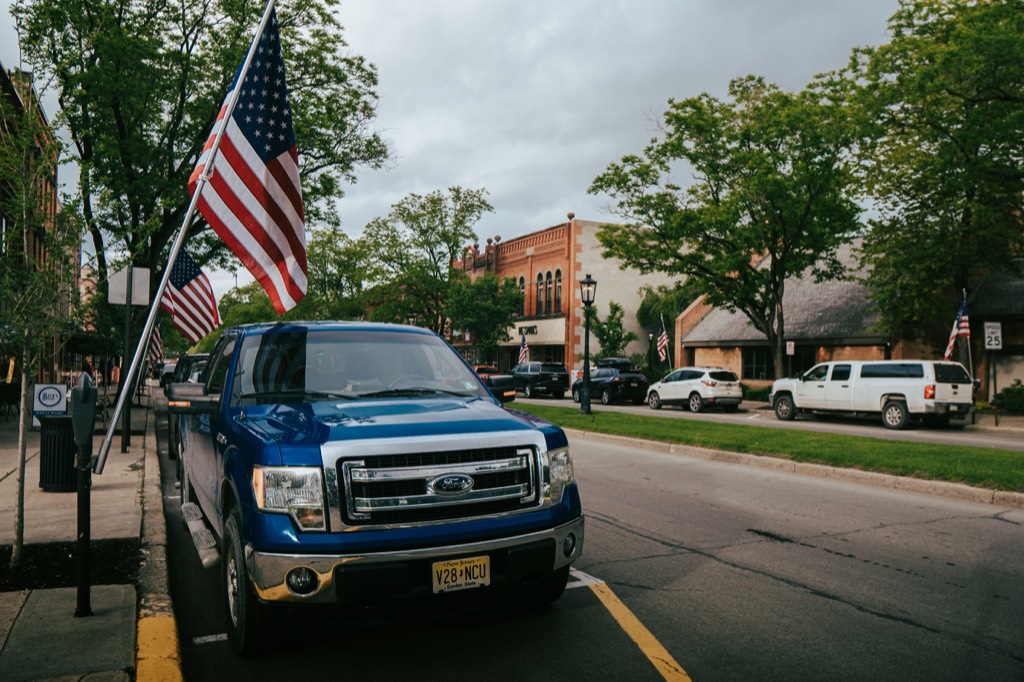
Small-town main street with American flags and parked vehicles

Rooted, a collaboration with ReLeaf Shop, will hold its Eldersburg grand opening on Friday, October 30, giving Carroll County customers a date to meet the people behind a store that is already operating. The event is a formal celebration, rather than the first day the dispensary begins serving shoppers.

In an October 27 announcement, the business scheduled opening remarks for 12:50 p.m. and a ribbon cutting for 1 p.m. at 1337 Liberty Road. The partnership brings together Rooted founder Andrae McEnnis, a 20-year military veteran, and ReLeaf Shop CEO Connor Whelton.

The organizers list barbecue from 11 a.m. to 2 p.m. and again from 4 to 7 p.m., a photo booth from 1 to 4 p.m., and a DJ from 4 to 7 p.m. Regular store hours are 9 a.m. to 10 p.m. daily. These are the business’s announced plans; visitors should confirm details before travelling.

A community event and a regulated store

A grand-opening program can make a dispensary feel like another neighborhood business. Purchasing cannabis still involves specific rules. The Maryland Cannabis Administration’s adult-use guidance says customers must be at least 21 and show valid government-issued photo identification at the point of sale.

The agency identifies licensed dispensaries as the legal place to buy cannabis in the state. It also separates adult-use purchasing from the medical program, which continues with accommodations intended to preserve patient access, including dedicated service lines or patient-only hours.

For visitors, the practical question is which service they need when they arrive. A ribbon cutting, an online order and a medical pickup are different reasons to visit, even when they share the same address. Checking the store’s current instructions avoids assuming the event program describes every part of the shopping process.

Maryland’s FAQ also prohibits smoking cannabis in public places and using it while driving. An event listing food and entertainment is not itself an invitation to consume on site. Planning transportation before using cannabis is part of making a visit workable, rather than something to decide after shopping.

The MCA also lists adult-use purchase limits by product form, including 1.5 ounces of flower, 12 grams of concentrates or 750 milligrams of THC in specified products. These are legal purchase amounts, not guidance about how much someone should consume.

Military discounts and medical status are separate

Rooted and ReLeaf say active-duty and retired military customers receive 25 percent off non-sale products every day. The announced offer is a standing store discount, not a one-day grand-opening promotion. Customers should check how the business verifies eligibility and which products qualify before assuming it applies to an entire order.

A veteran discount does not determine eligibility for Maryland’s medical cannabis program. The MCA’s patient guidance describes a separate registration process for Maryland residents whose providers recommend cannabis for qualifying conditions. It also allows registered patients to designate a registered caregiver under the program’s rules.

The same guidance says the cost of medical cannabis is not reimbursable by private or public insurance, Medicare, Medicaid or veterans’ covered plans. That makes the difference between a retail discount, a medical purchase and an insurance benefit especially relevant when comparing costs.

These distinctions do not diminish the value of a discount. They help a customer understand what the offer actually changes: the price of eligible merchandise, rather than their medical status, coverage or authorization to use cannabis in every setting.

The tax distinction matters at checkout

Maryland’s medical cannabis regulation exempts qualifying medical sales to patients and registered caregivers from sales and use tax. Adult-use purchases follow a different tax rule.

A 2026 Department of Legislative Services fiscal note explains that the state increased its adult-use cannabis tax from 9 percent to 12 percent beginning in fiscal 2026. An older price comparison using the original rate can therefore give the wrong impression of checkout cost.

For someone looking at a menu, the useful comparison is the final price after any applicable discount and tax, with the correct purchasing status. A percentage-off headline alone does not provide that amount, and the announcement does not give a universal final price for every product.

What to confirm before Friday

The address and ribbon-cutting time are the simplest starting points. Confirm the day’s program with the store, bring the identification required for the intended purchase and distinguish regular opening hours from the celebration’s individual activities. People using the medical program should also confirm current patient-service arrangements.

The opening adds a community occasion around an existing retail operation. Its immediate value is local: a chance to meet the operators and understand the store’s service. The wider consumer lesson is equally practical—event details, discounts and medical rules each deserve their own check before a cannabis shopping trip.

Illustrative stock main street; not the Rooted × ReLeaf store or its grand opening. Photo: Artūras Kokorevas / Pexels.

Continue Reading

Cannabis

Windsor Cannabis Seizure Highlights Canada’s Separate Border Rules

An October 21 tunnel seizure reported this week illustrates why legal domestic purchases, CBD labels and medical documents do not automatically permit border travel.

Published

on

Blue steel structure of the Ambassador Bridge viewed from below

A reported cannabis seizure at the Windsor–Detroit Tunnel is a reminder that buying legally on either side of the border does not authorize carrying the purchase between countries. The distinction applies to ordinary travellers as well as to much larger quantities, and includes products marketed as CBD.

In reporting published October 27, Windsor News Today’s Mark Brown described an October 21 secondary inspection involving a U.S. traveller. The report said officers seized 13 kilograms of cannabis and 49 THC vapes, and that the traveller received a $56,100 penalty and was returned to Detroit without criminal charges being filed.

Those case details come from the local report, which attributes the information to the Canada Border Services Agency. They describe a particular enforcement outcome, not a standard penalty schedule or a prediction of what would happen to another traveller.

A legal market does not create a travel exception

The CBSA’s current cannabis border guidance says taking cannabis across Canada’s border is illegal without a Health Canada permit or exemption. The rule applies when entering and leaving Canada, including travel to or from jurisdictions where cannabis is legal.

The guidance includes edible cannabis, extracts, topicals and products containing cannabidiol. It also says the restriction applies regardless of quantity. A small personal-use package therefore raises the same underlying authorization question as a larger shipment, even though the circumstances and enforcement outcome may differ.

That is the key distinction for a visitor planning a weekend trip. Domestic permission to possess or purchase cannabis answers a question about the place where it was bought. It does not establish permission to export it, import it or carry it through another country.

Medical paperwork is not automatically border authorization

Canada’s international travel guidance also separates a prescription from the permission needed to cross with cannabis. A medical document alone does not create that authorization, and permission from Canada does not guarantee acceptance by the destination or a transit country.

It distinguishes market-approved prescription drugs containing cannabis from other medical cannabis. Certain prescription drugs may be carried under specific regulatory requirements, while other medical cannabis requires an individual Health Canada exemption issued only in rare and exceptional circumstances. Travellers should check the exact product and applicable official requirements rather than generalize from another person’s prescription.

This distinction makes the medicine’s identity important. A prescription product, a dispensary extract and an online CBD purchase should not be treated as interchangeable merely because they all involve cannabinoids. Nor does keeping an item in its original package establish an import authorization.

CBD is covered too

Health Canada’s CBD guidance explains that CBD is regulated under the Cannabis Act. The rules apply whether CBD comes from industrial hemp or other cannabis varieties. A hemp-derived label does not, by itself, remove the product from that framework.

The agency describes import and export of CBD products as tightly limited activities. Its commercial framework involves an appropriately licensed holder, a shipment-specific permit and a legitimate medical or scientific purpose. That is a different process from an ordinary traveller deciding that a product is acceptable because it is sold over the counter at home.

For someone packing a bag, the practical implication is to examine what the item contains rather than rely on terms such as hemp, wellness or non-intoxicating. The border question concerns the product and the applicable permission, not just whether the user expects to feel high.

Declaring an item and being allowed to import it are different

The CBSA’s May 2022 border reminder states that personal, mail, courier and commercial shipments can be examined for prohibited goods. It warns that undeclared cannabis can lead to seizure, monetary penalties, arrest or prosecution, depending on the circumstances.

The agency’s message covers gifts and personal-use products as well as larger movements. Posting a purchase across the border is therefore not an ordinary alternative to putting it in a vehicle. The mode of travel or delivery does not erase the underlying restrictions. A purchase intended as a gift still needs to satisfy the applicable border rules before it can be transported.

The current CBSA guidance says cannabis must be declared to the CBSA when entering Canada. Declaration is a reporting obligation; it is not a substitute for the authorization required to bring the product in.

The Windsor report gives that distinction a timely local example. The broader preparation belongs before departure: check bags and vehicle storage, identify any cannabis-containing products and consult the official requirements for the full route. A legal purchase receipt and a lawful domestic market do not turn an international crossing into a domestic shopping trip.

Illustrative stock view of the Ambassador Bridge, a different Detroit–Windsor crossing from the tunnel in this report; not a seizure photograph. Photo: Hemz / Pexels.

Continue Reading

Trending

Join The Cannabis Aficionado Community!
Join the Cannabis Aficionado community and receive all of the most relevant news geared towards our sophisticated enthusiast community.
Loading

Copyright ©️ 2026 Cannabis Aficionado. Cannabis Aficionado is a registered trademark of CNM Inc. All rights reserved. Registration on or use of this site constitutes acceptance of our Terms of Service, Privacy Policy and Cookies Policy. People may receive compensation for some links to products and services. Offers may be subject to change without notice.